Your wood cutting board is a kitchen essential, but did you know it can also harbor harmful bacteria if not cleaned properly? Keeping it sterile is key to protecting your health and ensuring your food stays safe.
You’ll discover simple, effective ways to sterilize your wood cutting board using everyday household items. By the end, you’ll feel confident that your board is not just clean, but truly safe for your next meal prep. Ready to make your kitchen safer?
Let’s get started.

Credit: www.thekitchn.com
Why Sterilize Wood Cutting Boards
Keeping your wood cutting board clean is more important than many realize. Unlike plastic boards, wood has tiny pores that can trap food particles and moisture. This makes sterilizing not just a good habit but a necessary one to keep your kitchen safe and your food fresh.
Risks Of Bacteria On Wood Boards
Bacteria love to hide in the cracks and grooves of wood cutting boards. If not sterilized properly, these bacteria can multiply and contaminate your food. This could lead to foodborne illnesses, especially if you’re preparing raw meat or fish.
Think about the last time you cut raw chicken on your board. Did you clean it thoroughly afterward? Even if you rinsed it, some bacteria might still remain. These tiny invaders can survive for days, putting your health at risk.
Benefits Of Deep Cleaning
Deep cleaning your wood cutting board does more than just remove visible dirt. It kills harmful bacteria and prevents cross-contamination between different types of food. This helps you cook confidently, knowing your kitchen tools are safe.
Regular sterilization also extends the life of your cutting board. It prevents odors and discoloration caused by trapped food residues. Plus, a well-maintained board looks better and feels smoother, making your cooking experience more enjoyable.
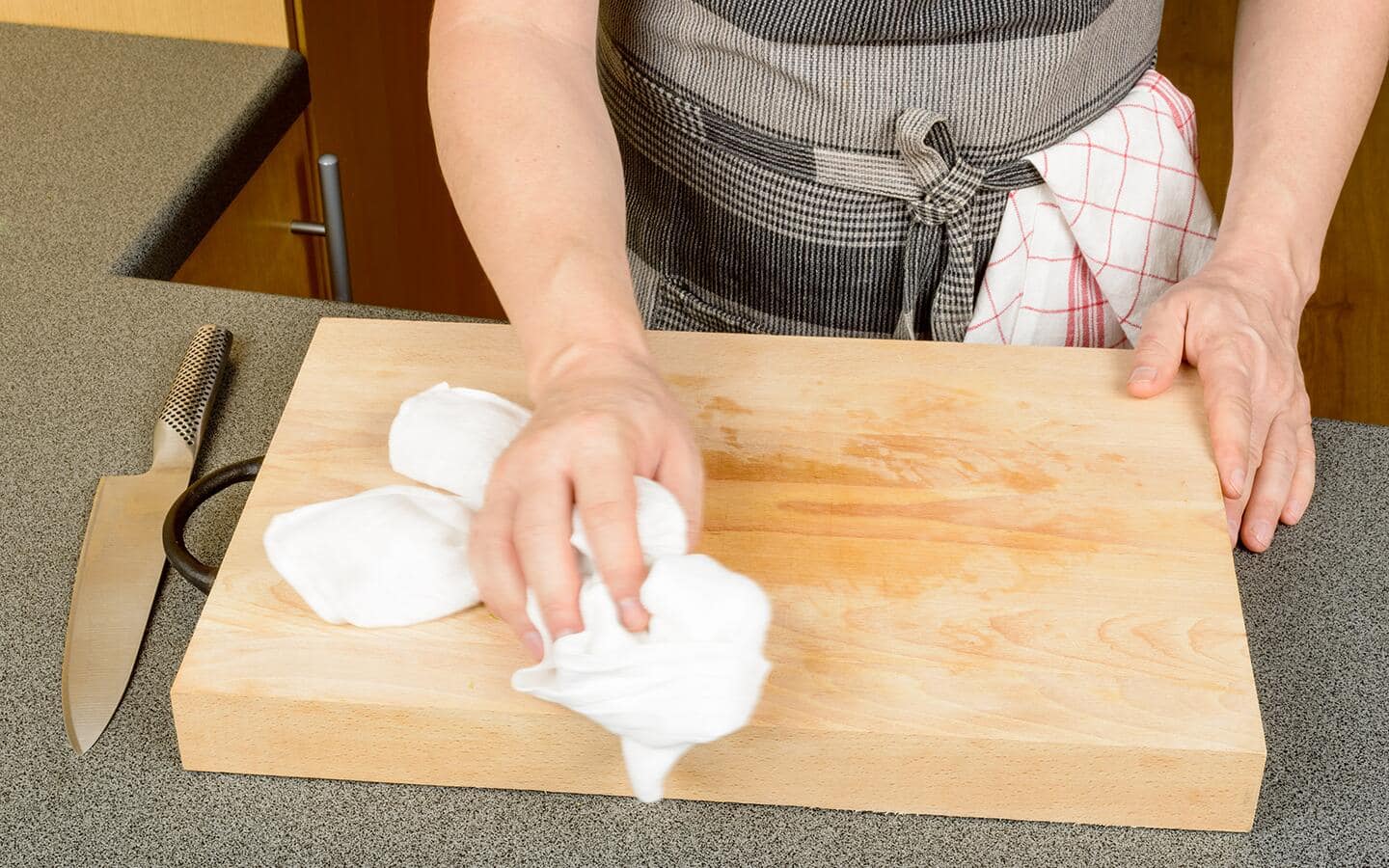
Credit: www.homedepot.com
Materials Needed For Sterilization
To properly sterilize your wood cutting board, gathering the right materials is essential. Using effective cleaning agents and the appropriate tools ensures your board is not only clean but safe for food preparation. Let’s look at what you’ll need to get the job done efficiently.
Natural Cleaning Agents
Natural options are great if you prefer non-toxic solutions. White vinegar is a powerful disinfectant that kills many bacteria without harsh chemicals. Lemon juice adds a fresh scent and has natural antibacterial properties.
Baking soda helps scrub away stains and odors without damaging the wood. Mixing these ingredients can create a gentle yet effective cleaning paste. Have you tried using natural agents in your kitchen cleaning routine before?
Commercial Sterilizers
If you want something more potent, commercial sterilizers are available specifically for kitchen use. Products containing bleach or hydrogen peroxide can eliminate tough bacteria quickly. Always check that the sterilizer is safe for wood surfaces to avoid damage.
Using commercial sterilizers requires careful handling and thorough rinsing afterward. Do you feel comfortable using chemical-based sterilizers, or do you prefer sticking to natural solutions?
Tools And Supplies
Besides cleaning agents, gather some essential tools. A soft scrub brush or sponge will help remove food particles without scratching the wood. Avoid steel wool or anything abrasive that can harm your board’s surface.
You’ll also need clean cloths or paper towels for drying, as moisture left on wood can lead to cracks or mold. A spray bottle can make applying liquids easier and more even. What tools do you already have at home that could speed up this process?
Daily Cleaning Tips
Keeping your wood cutting board clean every day helps stop germs and bacteria. Regular cleaning keeps the board safe and lasting longer. Simple daily care prevents stains and bad smells. Use easy steps to clean and dry your board right after use.
Washing With Soap And Water
Start by scraping off any food bits from the board. Use warm water with mild dish soap. Wash the board gently with a soft sponge or cloth. Avoid soaking the board in water to stop warping. Rinse well to remove all soap. Always clean both sides of the board to keep it fresh.
Drying Techniques
After washing, dry the board immediately with a clean towel. Stand the board upright to let air flow around it. Avoid laying the board flat to dry. Keep it away from direct heat or sunlight that can crack the wood. Proper drying stops moisture buildup and stops bacteria growth.
Step-by-step Sterilization Process
Keeping your wood cutting board clean is crucial. It prevents bacteria and keeps your food safe. This guide provides a simple way to sterilize your board effectively.
Preparing The Board
First, remove any food particles. Use a scraper or a brush for this task. Ensure the surface is clear before moving on.
Applying Cleaning Solutions
Choose a cleaning solution. Vinegar, hydrogen peroxide, or baking soda works well. Spread your chosen solution across the board.
- For vinegar, apply directly and let sit for 5 minutes.
- For hydrogen peroxide, spray and wait for 10 minutes.
- For baking soda, mix with water, apply, and scrub gently.
Rinsing And Drying
Rinse the board thoroughly with warm water. This removes any cleaning solution and residue. Dry the board completely using a clean towel. Ensure no moisture remains to prevent bacteria growth.
Using Vinegar And Hydrogen Peroxide
Using vinegar and hydrogen peroxide is a simple yet effective way to sterilize your wood cutting board without harsh chemicals. These common household items can help kill bacteria and keep your board fresh. Let’s dive into how you can apply them safely and efficiently.
Applying Vinegar
Start by pouring white distilled vinegar directly onto the surface of your cutting board. Vinegar’s natural acidity helps eliminate many types of bacteria and odors.
Spread it evenly with a clean cloth or sponge, making sure the entire surface is covered. Let it sit for about 5 to 10 minutes—this gives the vinegar time to work its magic.
Afterward, rinse the board with warm water and dry it thoroughly. Have you noticed how vinegar not only cleans but also leaves a subtle fresh scent?
Hydrogen Peroxide Method
Hydrogen peroxide is a powerful sanitizer that reaches bacteria hiding in wood pores. Use 3% hydrogen peroxide, which is safe and easy to find at drugstores.
Pour it over the board or spray it on, then spread it evenly. Allow it to fizz and bubble for a few minutes—this reaction helps break down germs.
Rinse the board well with water and dry it completely. This simple step can make a big difference in preventing cross-contamination in your kitchen.
Safety Precautions
- Never mix vinegar and hydrogen peroxide directly.Combining them forms peracetic acid, which can be harmful.
- Use each substance separately and rinse the board between treatments.
- Keep both away from children and pets to avoid accidental ingestion.
- Test on a small area if your board is old or heavily worn to ensure no discoloration occurs.
Taking these safety steps helps you keep your cutting board clean without risking damage or injury. Have you ever tried these methods before, or are you ready to give them a go?
Using Baking Soda And Salt
Using baking soda and salt is a simple way to sterilize a wood cutting board. Both ingredients are natural and safe for food surfaces. They help remove stains, odors, and bacteria effectively. This method also protects the wood from damage caused by harsh chemicals.
Scrubbing With Baking Soda
Baking soda works as a gentle cleaner and deodorizer. Sprinkle a generous amount over the surface of the board. Use a damp sponge or cloth to scrub the baking soda into the wood. Focus on areas with stains or strong smells. The fine texture of baking soda lifts dirt without scratching the wood. Rinse the board with warm water after scrubbing. Dry it completely with a clean towel to prevent moisture damage.
Salt As An Abrasive Cleaner
Salt acts as a natural abrasive to remove grime and bacteria. Pour coarse salt onto the cutting board’s surface. Use half a lemon to scrub the salt into the wood. The lemon juice helps kill germs and freshen the board. Apply firm pressure while scrubbing to scrub away stuck-on food particles. Let the salt and lemon mixture sit for a few minutes. Rinse with warm water and wipe dry thoroughly. This method leaves the board clean and refreshed without harsh chemicals.
Avoiding Damage To Wood Boards
Keeping your wood cutting board in top shape means knowing how to clean it without causing damage. Wood is a natural material that can crack, warp, or lose its finish if treated harshly. Understanding what to avoid and how to care for your board can extend its life and keep it safe for food prep.
What To Avoid
Never soak your wood cutting board in water. Prolonged exposure to moisture causes swelling and warping. Avoid putting it in the dishwasher, as high heat and water pressure can crack the wood.
Steer clear of harsh chemical cleaners like bleach or ammonia. These can strip the wood’s natural oils and leave harmful residues. Instead, stick to mild soap and warm water for everyday cleaning.
Using metal scrubbers or abrasive pads can scratch the surface, creating grooves where bacteria can hide. Choose soft sponges or cloths to gently clean the board.
Maintaining Board Longevity
Regularly oiling your board with food-grade mineral oil keeps it hydrated and prevents cracking. Apply the oil evenly and let it soak in overnight for best results.
After cleaning, dry your board thoroughly with a towel and stand it upright to air dry completely. This practice reduces the risk of mold and mildew growth.
Consider sanding your board lightly if it becomes rough or develops deep cuts. This helps restore a smooth surface and removes bacteria-harboring grooves.
Have you noticed how a well-maintained board feels different under your knife? Keeping your wood cutting board cared for not only protects your investment but also makes your cooking experience safer and more enjoyable.

Credit: www.thekitchn.com
When To Replace Your Wood Cutting Board
Knowing when to replace your wood cutting board is crucial for maintaining kitchen hygiene and ensuring food safety. Even the best-maintained boards can wear down over time, making them less effective and potentially unsafe. Being able to spot the right time to say goodbye can save you from health risks and keep your cooking experience enjoyable.
Signs Of Wear And Tear
Look closely at your board’s surface. Deep grooves and cracks appear from regular knife use. These crevices can trap bacteria and become impossible to clean thoroughly.
If your board starts to warp or split, it no longer provides a stable cutting surface. Warping can cause uneven cuts and increase the risk of accidents.
Notice any discoloration or persistent stains that don’t go away after cleaning? These may indicate damage beneath the surface.
Health Considerations
Wood is naturally antimicrobial, but damage to the surface reduces this benefit. Bacteria can hide in cracks and grooves, increasing the chance of cross-contamination.
Are you preparing raw meat or fish frequently? Using a damaged board for these tasks can expose you to harmful pathogens.
If your board has absorbed odors or tastes that linger, it might be time to replace it. These signs suggest the wood is no longer fully cleanable, which can affect your food’s flavor and safety.
Frequently Asked Questions
How Often Should I Sterilize A Wood Cutting Board?
You should sterilize your wood cutting board weekly to prevent bacteria buildup. After heavy use, clean it immediately for safety.
What Is The Best Method To Sterilize Wood Cutting Boards?
Use white vinegar or diluted bleach solution to sterilize. Wipe the surface, let it sit, then rinse thoroughly with water.
Can I Use A Dishwasher To Sterilize Wood Cutting Boards?
No, dishwashers can damage wood cutting boards by causing warping and cracking. Hand cleaning is safest and maintains board quality.
Is Lemon Juice Effective For Sterilizing Wood Cutting Boards?
Yes, lemon juice has natural antibacterial properties. Rub lemon juice on the board, leave for a few minutes, then rinse.
Conclusion
Keeping your wood cutting board clean protects your health. Use simple steps to sterilize it well. Regular cleaning stops germs from growing. Vinegar and salt work great for natural cleaning. Dry the board fully before storing it. Clean boards last longer and stay safe.
Small efforts make a big difference in your kitchen. Remember, a clean board means safer food every day.