You’re ready to fire up your charcoal grill, but getting it started can feel tricky. Using lighter fluid might seem simple, but if you don’t do it right, it can lead to flare-ups or uneven heat.
Imagine having a perfect, steady flame that gets your grill hot fast, so you can enjoy delicious food without the wait. In this guide, you’ll learn exactly how to start your charcoal grill with lighter fluid safely and effectively. Keep reading, and you’ll be grilling like a pro in no time.

Credit: ddrbbqsupply.com
Choosing The Right Charcoal
Choosing the right charcoal is crucial for a successful grilling experience. The type and quality of charcoal you pick will influence how your grill heats up, how long it burns, and the flavor it imparts to your food. Knowing what to look for helps you avoid common pitfalls like uneven heat or excessive smoke.
Types Of Charcoal
There are mainly two types of charcoal: briquettes and lump charcoal. Briquettes are made from compressed sawdust and other additives, offering a consistent burn and steady heat. Lump charcoal, on the other hand, is made by burning wood in the absence of oxygen, resulting in a more natural product that lights faster and burns hotter.
If you want a longer, consistent cook time, briquettes might be your best bet. But if you prefer a quick start and higher temperatures for searing, lump charcoal is worth trying. Which one suits your grilling style?
Quality Indicators
Not all charcoal is created equal. High-quality charcoal should be hard, dense, and nearly odorless before lighting. It should snap easily when broken, not crumble to dust.
Avoid charcoal that feels lightweight or powdery; it will burn quickly and produce more ash. Also, check for additives—some charcoals contain fillers that can affect flavor and safety. Pick charcoal that is labeled as natural or food-grade to ensure a clean burn and better taste.
Credit: www.thetakeout.com
Selecting Safe Lighter Fluid
Choosing the right lighter fluid is essential for a safe and effective charcoal grilling experience. Using the wrong type can lead to dangerous flare-ups or harmful fumes. Let’s look at how to pick a lighter fluid that keeps your cookout safe and enjoyable.
Recommended Fluid Types
Stick to lighter fluids specifically designed for charcoal grills. These are usually made from refined petroleum products that ignite quickly without leaving a strong chemical taste on your food.
- Charcoal lighter fluid:The most common option, easy to find and designed for grills.
- Natural fire starters:Made from plant-based oils, these burn cleanly and reduce chemical exposure.
- Gel lighter fluids:Thicker and less likely to drip, offering more control when lighting.
Have you ever noticed a weird aftertaste after grilling? That’s often from using low-quality or inappropriate lighter fluid. Choosing the right type can prevent this and improve your meal’s flavor.
Avoiding Hazardous Fluids
Never use gasoline, kerosene, or other flammable liquids not made for grilling. They burn unpredictably and produce toxic fumes that can ruin your food and harm your health.
- Avoid:Gasoline, paint thinner, rubbing alcohol, or any household chemicals.
- Check labels:Ensure the fluid is labeled safe for charcoal grills.
- Storage matters:Keep lighter fluid away from children and heat sources.
Think about this: Would you want to breathe in fumes that could make you sick just to speed up lighting your grill? Using safe fluids is a small step that makes a big difference in safety and taste.
Preparing The Grill
Preparing the grill is a crucial part of starting a charcoal fire with lighter fluid. It sets the stage for even cooking and a safe grilling experience. Taking time to get the grill ready helps avoid flare-ups and ensures the charcoal lights well. The process begins with cleaning and arranging the charcoal correctly.
Cleaning The Grill
Start by removing old ashes and leftover charcoal. Use a grill brush to scrape off any stuck food or grease. Clean grates improve heat flow and reduce smoke. Wipe the inside surfaces with a damp cloth to remove dust. A clean grill prevents unwanted flavors and helps the fire burn evenly.
Arranging Charcoal Properly
Arrange the charcoal in a pyramid or mound shape in the center of the grill. This shape allows better airflow and helps the lighter fluid soak into the coals. Leave space around the edges for air to circulate. Avoid piling too much charcoal; it can smother the fire. Proper charcoal placement ensures a quick and steady burn.

Credit: ddrbbqsupply.com
Applying Lighter Fluid
Applying lighter fluid can make starting a charcoal grill easy. Pour a small amount evenly over the charcoal. Wait a few minutes, then light it with a match. The fluid helps the coals catch fire quickly and burn evenly for grilling.
Applying lighter fluid to a charcoal grill can seem daunting, but it's simple. The right technique ensures a quick, safe start for your grill. Understanding how much to use and how to apply it is essential. Follow the steps below for an efficient grilling experience.
Correct Amount To Use
Using the correct amount of lighter fluid is key. Too much can be dangerous, while too little won't ignite properly. A general guideline: use 1/4 cup of lighter fluid per pound of charcoal. This helps achieve an even burn.
Safe Application Techniques
Safety comes first when using lighter fluid. Start by arranging the charcoal in a pyramid shape. This allows for better airflow. Evenly apply the lighter fluid over the charcoal. Avoid pouring directly from the bottle onto already lit coals. Let the lighter fluid soak for 30 seconds. This prevents sudden flare-ups. Always stand back when lighting the coals. Use a long match or lighter for added safety. Following these steps ensures a safe grilling experience. Enjoy your barbecue with confidence!
Lighting The Grill Safely
Lighting a charcoal grill with lighter fluid requires care and attention. Safety should be your top priority before and during the ignition process. Proper handling keeps you and others around safe from accidents and injuries. Follow clear steps and observe important safety tips to enjoy grilling without worry.
Ignition Steps
- Arrange charcoal in a pyramid shape inside the grill.
- Evenly pour lighter fluid over the charcoal surface.
- Wait about 30 seconds to let the fluid soak into the charcoal.
- Use a long match or lighter to ignite the charcoal at several points.
- Keep the grill lid open during ignition for airflow.
- Allow charcoal to burn until covered with gray ash before cooking.
Safety Precautions
- Use only the recommended amount of lighter fluid.
- Never add lighter fluid to hot or warm coals.
- Keep lighter fluid container away from the fire source.
- Light the grill outdoors in a well-ventilated area.
- Have a fire extinguisher or water nearby for emergencies.
- Keep children and pets away from the grill during lighting.
- Do not wear loose clothing that can catch fire.
Managing The Fire
Managing the fire on your charcoal grill is key to cooking your food perfectly. It’s not just about getting the flames going; it’s about keeping control over the heat so your meal turns out just right. Knowing when to adjust the fire and when to start cooking can save you from burnt edges or undercooked centers.
Controlling Heat Levels
After lighting your charcoal with lighter fluid, watch the flames closely. Once the flames die down and the coals turn grayish-white, you can spread them out to control the heat.
To create different heat zones, push more coals to one side for high heat and leave fewer on the other for low heat. This setup lets you sear meat on the hot side and cook it slowly on the cooler side.
Use the grill’s vents to regulate airflow. Opening vents increases oxygen, making the fire hotter. Closing them reduces oxygen, cooling the coals. Have you experimented with vent adjustments to find your grill's sweet spot?
When To Start Cooking
Patience pays off when starting a charcoal grill. You want the coals to be covered in a light layer of ash—that’s your signal the fire is ready.
Starting too soon means food sticks and cooks unevenly. Wait until the flames are gone and the coals glow red beneath the ash.
Try testing the heat by holding your hand about five inches above the grill grate:
- 2 seconds = high heat
- 4 seconds = medium heat
- 6 seconds = low heat
This simple test helps you decide if it’s time to place your food on the grill or let the coals rest a bit longer.
Avoiding Common Mistakes
Starting a charcoal grill with lighter fluid might seem straightforward, but small mistakes can turn your grilling experience sour. Avoiding these common errors not only makes lighting easier but also ensures your food tastes great and is safe to eat. Let’s look at two key pitfalls that many beginners face and how you can steer clear of them.
Overusing Lighter Fluid
Using too much lighter fluid is a common mistake that can cause flare-ups and leave your food tasting like chemicals. Only add a small, even amount—usually about 1/4 cup per chimney of charcoal. Pour the fluid and wait at least a minute to let it soak in before lighting.
Have you ever experienced a sudden burst of flames that singed your eyebrows? That’s often due to over-saturating the coals. Instead, apply lighter fluid sparingly and avoid adding more after the fire is already lit to prevent dangerous flare-ups.
Lighting Wet Charcoal
Wet charcoal is a nightmare to light and can produce excessive smoke with an unpleasant smell. If your charcoal feels damp, try to dry it out before lighting by spreading it in a warm, dry spot for a few hours. If that’s not possible, consider switching to dry briquettes or lump charcoal to get a cleaner, hotter fire.
Have you noticed your grill smoking more and heating less? That could be wet charcoal struggling to catch fire. Keeping your charcoal dry makes lighting quicker and your cooking more consistent.
Alternative Methods To Start Grill
Starting a charcoal grill without lighter fluid can feel tricky at first, but there are effective alternatives that make lighting your grill easier and cleaner. These methods often result in a more natural flavor and reduce the chemical smell that lighter fluid sometimes leaves behind. Trying different approaches can help you discover what works best for your grilling style and setup.
Using Chimney Starters
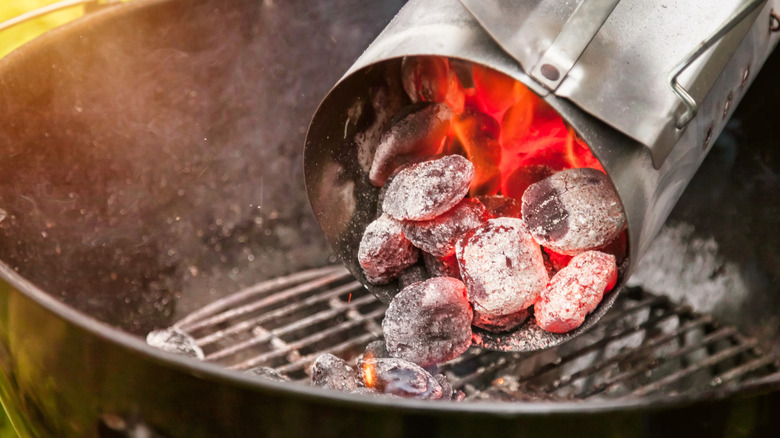
A chimney starter is a simple metal cylinder that lets you light charcoal quickly and evenly without chemicals. You fill the top with charcoal and place crumpled newspaper or natural fire starters underneath. Once you light the paper, the flames rise through the chimney, igniting the charcoal.
I've found that chimney starters cut down waiting time and give you more control over the fire. Plus, the even heat distribution means your food cooks more consistently. Have you ever noticed how much lighter fluid can alter the taste? Chimney starters keep your grill’s flavor pure.
Natural Fire Starters
Natural fire starters like wood shavings, dried pine cones, or commercial eco-friendly cubes can be a great alternative to lighter fluid. They ignite easily and burn long enough to get your charcoal going. These starters are also better for the environment and your health.
Using natural fire starters requires a bit of patience, but the reward is worth it. They create a steady flame without the harsh chemical smell. Next time you grill, why not try natural fire starters and see how much cleaner your cooking feels?
Frequently Asked Questions
How Much Lighter Fluid Should I Use On Charcoal?
Use just enough lighter fluid to lightly coat the charcoal. Avoid overusing, as excess fluid causes flare-ups and affects taste. Typically, 1/4 cup per 5 pounds of charcoal is sufficient for safe ignition and a steady burn.
How Long Should I Wait After Applying Lighter Fluid?
Wait about 3 to 5 minutes after applying lighter fluid before lighting. This allows the fluid to soak in and reduces flare-ups. Never light charcoal immediately to avoid dangerous flare-ups and uneven burning.
Can I Use Lighter Fluid Safely Indoors?
No, never use lighter fluid indoors. It produces toxic fumes and poses a fire hazard. Always light charcoal grills outdoors in a well-ventilated area for safety.
What Alternatives Exist To Lighter Fluid For Starting Charcoal?
Use a chimney starter, electric charcoal starter, or natural fire starters like wood chips. These methods avoid chemical odors and provide safer, more even ignition without lighter fluid.
Conclusion
Starting a charcoal grill with lighter fluid is simple and quick. Always use just enough fluid to avoid flare-ups. Wait a few minutes before lighting to let the fluid soak in. Keep safety in mind and never add fluid to hot coals.
With practice, you will enjoy tasty grilled food every time. Now, you can confidently light your grill and enjoy the outdoors. Happy grilling!