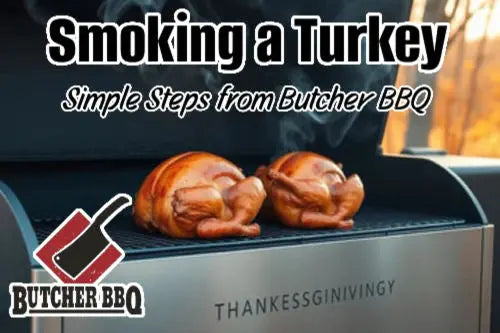
Smoking a turkey with a charcoal grill is easier than you might think—and it can take your cooking to the next level. Imagine biting into juicy, tender turkey with a rich smoky flavor that makes every meal feel special.
Whether it’s for a holiday feast or a weekend gathering, you can impress your friends and family with your skills. In this guide, you’ll discover simple steps to master the process, avoid common mistakes, and create mouthwatering results every time.
Ready to become the grill master your guests will talk about? Let’s get started.
Choosing The Right Turkey
Choosing the right turkey plays a big role in smoking success. A good turkey ensures great taste and proper cooking. Knowing what to pick makes the process easier and more enjoyable. Here are key points to consider before buying your bird.
Fresh Vs Frozen
Fresh turkeys usually have better flavor and texture. They cook more evenly on a charcoal grill. Frozen turkeys need full thawing before smoking. Thawing can take several days in the fridge. Avoid partially thawed birds to prevent uneven cooking. Fresh options may cost more but give better results.
Size Considerations
Choose a turkey size that fits your grill and guest list. A 12 to 16-pound turkey works well for most charcoal grills. Larger birds take longer to smoke and need careful heat control. Smaller turkeys cook faster but might not feed everyone. Think about how many people you will serve.
Preparing The Bird
Remove giblets and neck from inside the turkey before smoking. Pat the skin dry with paper towels to help it crisp. Season the turkey inside and out with your favorite spices. Let it sit at room temperature for 30 minutes before placing on the grill. Proper prep ensures even cooking and great flavor.
Setting Up The Charcoal Grill
Setting up a charcoal grill correctly is key to smoking a turkey perfectly. It helps control temperature and smoke flow. This setup creates a gentle heat that cooks the bird evenly. Preparing your grill well also adds rich flavor to the turkey.
Charcoal Selection
Choose natural lump charcoal over briquettes for better heat control. Lump charcoal lights faster and burns cleaner. It produces less ash, which keeps airflow steady. Avoid charcoal with added chemicals or fillers. These can affect the taste of your turkey.
Creating Indirect Heat Zones
Arrange the charcoal on one side of the grill only. Leave the other side empty for indirect cooking. This setup keeps the turkey away from direct flames. It cooks slowly using hot air and smoke. Place a drip pan under the turkey to catch juices. This prevents flare-ups and keeps the grill clean.
Adding Wood Chips For Smoke
Soak wood chips in water for 30 minutes before use. Drain them to avoid excess moisture. Scatter chips over the hot charcoal for steady smoke. Choose mild woods like apple or cherry for subtle flavor. Avoid strong woods like mesquite that can overpower the turkey. Replace chips as needed during smoking to keep smoke fresh.
Brining And Seasoning
Brining and seasoning are the foundation of a flavorful smoked turkey. They help the meat stay juicy and infuse it with taste that smoking alone can’t achieve. Getting these steps right can turn your turkey from ordinary to unforgettable.
Wet Brine Recipes
A wet brine involves soaking your turkey in a saltwater solution that often includes herbs, spices, and sugar. This process helps the turkey absorb moisture and flavor deeply.
- Basic brine: 1 cup kosher salt + 1/2 cup sugar dissolved in 1 gallon water.
- Additions: crushed garlic, peppercorns, bay leaves, and fresh rosemary for an aromatic boost.
- Try apple cider or orange juice instead of some water for a subtle fruity sweetness.
Keep your turkey in the brine for 12 to 24 hours in the fridge. Too short, and the flavor won’t penetrate; too long, and the meat might get too salty.
Dry Rub Options
Dry rubs are a great way to add a crispy, flavorful crust on your turkey skin. You can customize the rub to match your taste preferences perfectly.
- Simple rub: paprika, garlic powder, onion powder, salt, and black pepper.
- Spicy rub: add cayenne pepper or chili powder for a kick.
- Herbal rub: mix dried thyme, sage, and rosemary for an earthy, classic flavor.
Apply the rub generously under and on top of the skin. This ensures every bite has a burst of flavor.
Timing And Techniques
Brining needs time, but seasoning with a dry rub is best done just before smoking to keep the spices fresh and potent.
After removing the turkey from the wet brine, pat it dry thoroughly before adding your dry rub. Excess moisture can prevent the skin from crisping up properly.
Ask yourself: how long can you let the turkey rest with the rub before smoking? Usually, 30 minutes to an hour at room temperature helps the flavors settle and improves smoke absorption.
Smoking Process
Smoking a turkey on a charcoal grill is a rewarding process that transforms the bird into a tender, flavorful centerpiece. The key to success lies in controlling the environment inside the grill so the smoke gently infuses the meat without drying it out. Let’s dive into the essential steps that keep your turkey juicy and smoky.
Preheating The Grill
Start by lighting your charcoal and letting it burn until it’s covered with white ash. This usually takes about 20 to 30 minutes and signals that the coals are hot and ready. Preheating ensures you get a steady temperature and good airflow, which are crucial for smoking.
Arrange the hot coals to one side of the grill to create an indirect cooking zone. This setup prevents the turkey from cooking too fast or burning. Have you noticed how uneven heat can ruin a perfect smoke? Setting up your grill properly avoids that problem.
Maintaining Temperature
Keep the grill temperature steady between 225°F and 275°F. This range lets the turkey cook slowly, allowing smoke to penetrate deeply without toughening the meat. Use a grill thermometer to monitor the heat, adjusting vents to control airflow and temperature.
Adding a few charcoal briquettes every hour helps maintain the heat without large fluctuations. Placing a water pan inside the grill adds moisture to the environment, preventing the turkey from drying out. Have you tried this trick before? It’s a game changer for juicy results.
Placement Of The Turkey
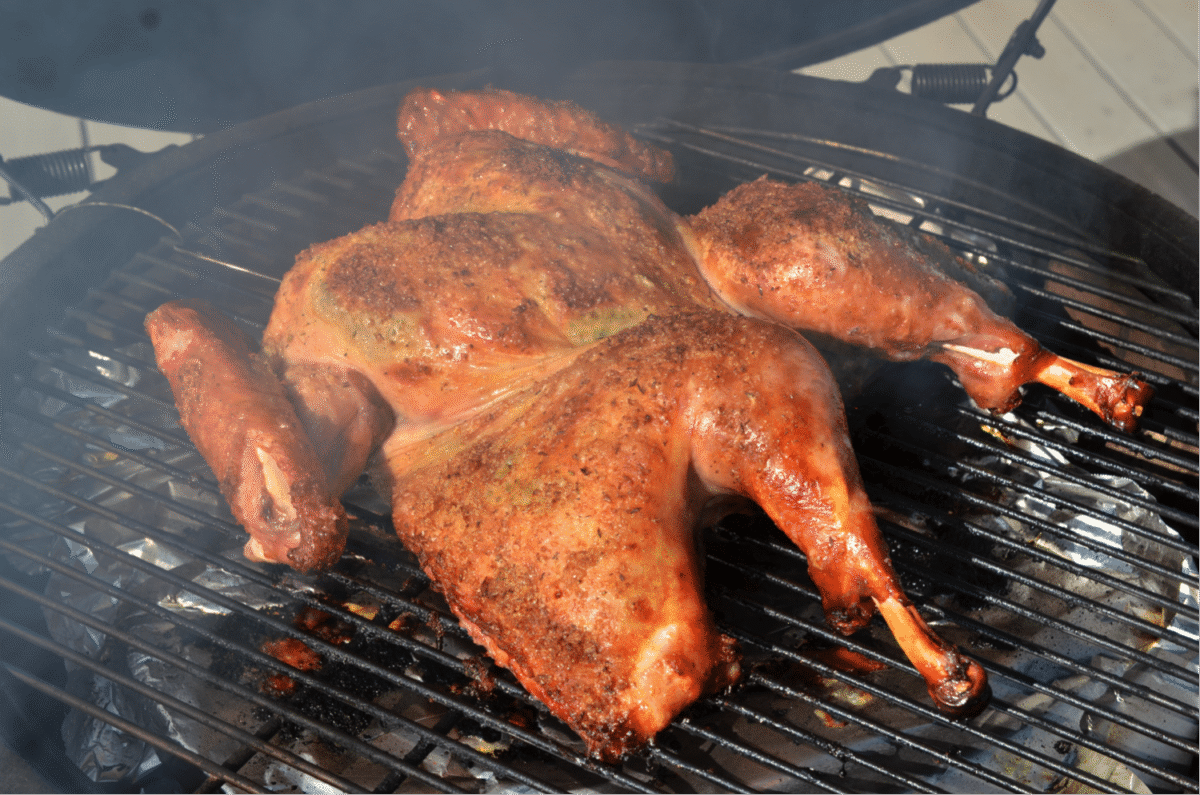
Place your turkey on the grill grate over the indirect heat side, breast side up. This position protects the delicate breast meat from direct heat while allowing the darker meat to cook evenly. Using a drip pan underneath catches fat drippings and reduces flare-ups.
Keep the grill lid closed as much as possible to trap smoke and maintain temperature. Opening the lid frequently lets heat escape and prolongs cooking time. Ask yourself: how often do you check your grill? Less is usually more when smoking a turkey.
Monitoring And Adjustments
Keep an eye on the grill temperature to ensure consistent heat. Adjust vents to control airflow and maintain steady cooking. Check the turkey periodically and add charcoal as needed to keep the smoke going.
Monitoring and adjustments are crucial when smoking a turkey with a charcoal grill. They ensure consistent heat and flavor, producing a perfectly smoked bird. This process requires attention and quick decision-making, but it can be incredibly rewarding.
Using A Meat Thermometer
A meat thermometer is your best friend when smoking a turkey. It provides accurate readings of the turkey's internal temperature, which is vital for safety and flavor. Insert the thermometer into the thickest part of the turkey without touching bone. You’re aiming for a temperature of 165°F for safe consumption. This simple tool prevents overcooking and keeps your turkey juicy.
Adding More Charcoal And Wood
Maintaining the right temperature is key, and adding charcoal and wood chips helps. Keep a close eye on the grill's temperature gauge. When the temperature drops, add a handful of charcoal briquettes or wood chunks. This keeps the heat consistent and adds a rich, smoky flavor.
Managing Grill Vents
Grill vents control the airflow and thus the temperature inside your grill. Open vents increase heat, while closed vents decrease it. Adjust the vents as needed to maintain a steady cooking temperature. This requires a bit of practice, but soon you'll find the right balance for your turkey. Are you ready to embrace the art of smoking? It’s all about the details and enjoying the process. Each adjustment brings you closer to a mouthwatering feast.
Resting And Serving
Resting and serving your smoked turkey can make all the difference between a good meal and an unforgettable feast. After hours of careful smoking, giving the bird time to rest locks in the juices and enhances flavor. How you carve and present the turkey can also elevate the entire dining experience.
Resting Time Importance
Resting your turkey allows the juices to redistribute evenly throughout the meat. If you carve too soon, those flavorful juices will spill out, leaving your turkey dry. Aim to rest the bird for at least 20 to 30 minutes, loosely covered with foil to keep it warm.
During this time, the temperature inside the turkey evens out, making every bite tender and juicy. Think of this step as the final touch that seals in all the smoky goodness you worked hard to create.
Carving Tips
Carving a smoked turkey can be intimidating, but a few simple tips can help you serve perfect slices every time. Start by removing the legs and thighs, cutting along the joint to keep the meat intact.
Next, slice the breast meat against the grain for maximum tenderness. Use a sharp knife to make clean cuts, which helps maintain the turkey’s moist texture.
Don’t forget to keep a platter handy to arrange the slices neatly. Presentation matters, and a well-carved turkey invites everyone to dig in.
Serving Suggestions
Think beyond the traditional sides to complement your smoked turkey. Fresh cranberry sauce adds a tart contrast, while buttery mashed potatoes soak up the smoky flavors beautifully.
Consider offering a variety of sauces, like a tangy BBQ or a creamy herb gravy, to suit different tastes. Warm dinner rolls or cornbread make great accompaniments too.
Want to impress your guests? Add a simple green salad or roasted vegetables for color and crunch. How will you make your smoked turkey the star of the table?
Troubleshooting Tips
Smoking a turkey on a charcoal grill can be rewarding, but it’s not without its challenges. Problems like dry meat, temperature swings, and inconsistent smoke can easily arise if you’re not prepared. Here are some practical tips to help you troubleshoot these common issues and keep your smoked turkey juicy and flavorful.
Avoiding Dry Turkey
Dry turkey is the biggest disappointment after hours of smoking. To prevent this, keep the skin intact until just before serving. The skin acts as a natural barrier that locks moisture inside the meat.
Brining your turkey before smoking adds extra moisture and flavor. Don’t skip this step if you want tender results. Also, monitor the internal temperature closely—stop cooking once the breast reaches 160°F, as it will continue to cook while resting.
Handling Temperature Fluctuations
Temperature swings happen easily on a charcoal grill, but you can control them. Use a water pan inside the grill to stabilize the heat and add humidity. This simple trick can keep the temperature steady and prevent your turkey from drying out.
Arrange charcoal on one side for indirect heat, and adjust vents to fine-tune airflow. If you notice the temperature rising quickly, close the vents slightly. If it’s dropping, open them to feed more oxygen to the coals.
Fixing Smoke Issues
Too much smoke can make your turkey bitter, while too little leaves it bland. Use dry, seasoned wood chips for a clean smoke—avoid resinous woods like pine. Soak the wood chips for about 30 minutes before adding them to the charcoal to ensure a slow, steady smoke.
If the smoke turns thick and white, it’s a sign of incomplete combustion. Adjust your vents to increase airflow and burn the wood properly. Thin, blue smoke is what you want—it imparts flavor without overpowering the meat.
Frequently Asked Questions
How Long Does It Take To Smoke A Turkey On Charcoal?
Smoking a turkey on a charcoal grill usually takes 3 to 5 hours. Cooking time depends on turkey size and grill temperature. Maintain a steady 225-250°F for even smoking. Always check the internal temperature; it should reach 165°F for safety.
What Type Of Wood Is Best For Smoking Turkey?
Fruitwoods like apple, cherry, or pecan are ideal for smoking turkey. They provide a mild, sweet flavor without overpowering the meat. Avoid strong woods like mesquite which can make the turkey taste bitter. Experiment to find your preferred smoky flavor.
How Do I Maintain Temperature In A Charcoal Grill Smoker?
Use a two-zone fire setup by placing coals on one side only. Adjust vents to control airflow and temperature. Add charcoal or wood chips gradually to maintain 225-250°F. Use a grill thermometer for accurate temperature monitoring throughout smoking.
Should I Brine The Turkey Before Smoking?
Yes, brining helps keep the turkey moist and flavorful during smoking. Use a saltwater solution with herbs and spices for 12-24 hours. Brining reduces drying and enhances tenderness. Rinse and dry the turkey before placing it on the grill.
Conclusion
Smoking a turkey with a charcoal grill takes time and care. Keep the temperature steady and add wood chips for flavor. Use a meat thermometer to check for doneness. Rest the turkey before slicing to keep it juicy. This method brings a smoky taste that many enjoy.
Anyone can try this with patience and simple steps. Enjoy your delicious smoked turkey with family and friends.