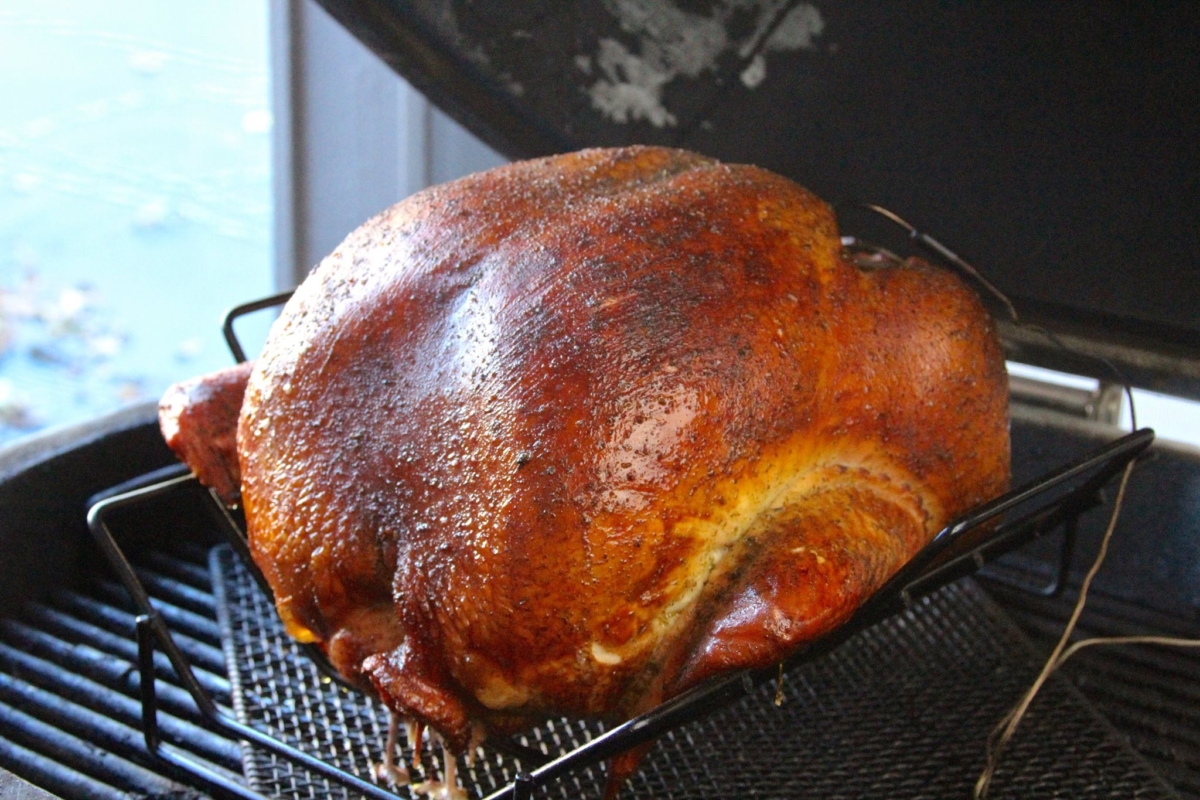
Smoking a turkey on a gas grill is easier than you might think—and the results are amazing. Imagine biting into juicy, tender turkey with a rich smoky flavor that turns your meal into something special.
Whether it’s for a holiday feast or a weekend treat, you can impress your friends and family with your grilling skills. In this guide, you’ll learn simple steps to master smoking a turkey on your gas grill, even if you’re new to smoking.
Ready to make your next turkey unforgettable? Keep reading, and let’s get started!
Credit: amazingribs.com
Choosing The Right Turkey
Choosing the right turkey sets the foundation for a perfectly smoked bird. The type and size of your turkey affect cooking time and flavor absorption. Picking wisely ensures your gas grill performs at its best and your guests enjoy every bite.
Fresh Vs. Frozen
Fresh turkeys offer a subtle advantage in texture and moisture retention. They tend to absorb smoke flavors more evenly, giving you a tender result. However, frozen turkeys are convenient and often more budget-friendly.
If you choose frozen, allow plenty of time to thaw it safely—usually about 24 hours for every 4-5 pounds in the fridge. Rushing this step can lead to uneven cooking and dryness. Have you ever noticed a difference in juiciness between fresh and frozen turkey?
Optimal Size For Smoking
Size matters when smoking on a gas grill. A turkey around 12 to 16 pounds fits comfortably on most grills and smokes evenly. Larger birds require longer cooking times and more fuel, which can complicate temperature control.
Smaller turkeys cook faster but may dry out if not monitored closely. Think about how many people you’re feeding and balance that with your grill’s capacity. What’s your ideal turkey size based on your grill and guest list?
Preparing The Turkey
Preparation starts with cleaning and patting the turkey dry. Removing excess moisture helps the smoke cling to the skin better. Don’t forget to check the cavity for giblets and remove them.
Brining or seasoning early enhances flavor and juiciness. I once skipped brining, and the turkey was noticeably less flavorful. Your preparation can make or break the smoking experience, so take your time here.
Setting Up Your Gas Grill
Setting up your gas grill properly is key to smoking a juicy turkey. The right setup ensures even heat and rich smoky flavor. Preparation starts with cleaning and arranging the grill for indirect cooking. Adding wood chips creates the essential smoke that gives turkey its signature taste.
Cleaning And Prepping The Grill
Start by removing old ashes and food debris. Use a grill brush to scrub grates clean. Wipe the interior surfaces with a damp cloth. Check burners and gas lines for blockages or leaks. Clean grills cook better and prevent unwanted flavors.
Setting Up For Indirect Heat
Turn on only some burners, leaving others off. Place the turkey on the side with no direct flame underneath. This setup cooks the bird slowly and evenly. Use a drip pan below the turkey to catch juices and avoid flare-ups. Close the lid to keep heat steady.
Adding Wood Chips For Smoke
Soak wood chips in water for 30 minutes before use. Drain excess water and place chips in a smoker box or foil pouch. Position the box or pouch near the lit burners. The wood will smolder, creating flavorful smoke. Choose mild woods like apple or cherry for the best taste.
Seasoning And Brining
Seasoning and brining are key to making your smoked turkey juicy and flavorful. They help the meat retain moisture and add layers of taste. Skipping these steps can leave your turkey dry or bland, so it’s worth investing time here.
Simple Brine Recipe
A basic brine is easy to make and does wonders for turkey moisture. Combine 1 gallon of water with 3/4 cup of salt and 1/2 cup of sugar. Stir until dissolved and add herbs like rosemary or thyme for extra aroma.
Submerge your turkey fully in the brine and refrigerate for 12 to 24 hours. This slow soak helps the turkey absorb both moisture and flavor deeply. Have you ever noticed how some turkeys stay juicy even after hours on the grill? That’s the brine working its magic.
Dry Rub Options
Dry rubs add a flavorful crust that complements smoked turkey perfectly. Use a mix of paprika, garlic powder, onion powder, salt, and pepper. You can add a little brown sugar for sweetness or chili powder for heat.
Apply the rub generously under and over the skin before smoking. This creates a flavorful barrier that locks in juices. What’s your favorite spice to add a personal twist?
Marinating Tips
Marinating lets you infuse your turkey with extra flavor and tenderness. Use a mixture of olive oil, lemon juice, garlic, and herbs. Let your turkey soak for at least 4 hours, or overnight for deeper flavor.
Remember to pat the turkey dry before smoking to help the skin crisp up. Ever tried a marinade with a splash of apple cider vinegar? It adds brightness and helps tenderize the meat beautifully.
Smoking Process
Smoking a turkey on a gas grill transforms it into a flavorful, juicy masterpiece. The smoking process requires patience and attention to detail, but the results are worth every minute. Understanding how to control the grill and monitor your turkey’s progress will help you achieve perfect smoky goodness every time.
Ideal Temperature Range
Keep your gas grill temperature steady between 225°F and 275°F. This range allows the turkey to cook slowly, absorbing smoky flavors without drying out. Temperatures above 275°F risk cooking the turkey too fast, leading to uneven texture and less smoky aroma.
Think about it this way: low and slow lets the smoke penetrate deeply. Have you ever rushed a recipe only to be disappointed? Smoking demands patience, but it pays off beautifully.
Maintaining Consistent Heat
Gas grills can be tricky because their heat can spike unexpectedly. To maintain a steady temperature, set your burners on low and use indirect heat by turning off the burners directly under the turkey. This method prevents burning and creates the ideal smoky environment.
Invest in a good grill thermometer if yours isn’t reliable. I once learned the hard way when my built-in gauge was off by 50 degrees! Keeping the grill lid closed as much as possible also helps maintain heat consistency.
Monitoring Internal Temperature
Use a meat thermometer to check the turkey’s internal temperature regularly. The turkey is safe to eat when it reaches 165°Fin the thickest part of the breast and 175°Fin the thigh.
Don’t just rely on time estimates; every bird is different. In my experience, checking early and often prevents overcooking and ensures juicy meat. Have you ever cut into a turkey only to find it dry? Monitoring temperature closely is the key to avoiding that disappointment.
Resting And Carving
Resting allows juices to redistribute, keeping the turkey moist. Carving is easier with a sharp knife, ensuring clean slices.
The art of smoking a turkey on a gas grill doesn't end once the bird is perfectly cooked. The final steps—resting and carving—are crucial to ensure all your efforts result in a deliciously juicy and beautifully presented meal. These steps might seem minor, but they can make a significant difference in flavor and presentation. Let's explore how to ace these final touches and impress your guests.
Resting Time For Juiciness
Once your turkey reaches the desired internal temperature, resist the urge to carve it immediately. Resting allows the juices to redistribute throughout the meat, ensuring each slice is moist and flavorful. Wrap the turkey loosely in aluminum foil and let it rest for at least 20 to 30 minutes. This waiting period not only enhances juiciness but also makes carving easier. If you're worried about the bird getting cold, fear not; the residual heat will keep it warm enough during this time.
Best Carving Techniques
When it comes to carving, a sharp knife and a confident hand are your best allies. Start by removing the legs and thighs. Gently pull them away from the body and cut through the joint. Next, tackle the breast. Make a deep cut along one side of the breastbone and slice downward, letting the meat fall away from the bone in smooth strokes. This method provides even slices and showcases the turkey's smoky texture beautifully. Are you ready to impress your guests with your turkey carving skills? A little patience and precision can turn this task into an art form. Remember, the way you present your turkey is just as important as how it tastes!

Credit: www.youtube.com
Serving Suggestions
After smoking your turkey on a gas grill, the way you serve it can make a huge difference in the overall meal experience. The right sides and sauces not only enhance the flavor but also balance the smoky richness of your turkey. Think about what textures and tastes will best complement your perfectly smoked bird.
Complementary Side Dishes
Pairing your smoked turkey with fresh, vibrant sides can brighten the plate and keep the meal from feeling too heavy. Consider crisp salads with tangy dressings to cut through the smokiness.
- Roasted Brussels sprouts with a squeeze of lemon add a fresh, slightly bitter contrast.
- Sweet potato mash brings a creamy texture and natural sweetness that balances smoky flavors.
- A simple coleslaw with a vinegar-based dressing offers crunch and acidity.
- Grilled corn on the cob with a bit of chili powder can echo the grill flavors without overwhelming.
What side dish have you found unexpectedly elevates your smoked turkey? Sometimes the simplest options surprise us the most.
Sauces And Glazes
Don’t underestimate the power of sauces and glazes to add moisture and extra layers of flavor. A well-chosen sauce can transform each bite into something memorable.
- Cranberry-orange glaze delivers a sweet and tart punch that complements smoky meat.
- Classic barbecue sauce, smoky or spicy, reinforces the grill’s essence and adds boldness.
- Herb-infused gravy can bring warmth and depth, especially when made with pan drippings.
- A honey mustard dip offers a sweet yet tangy option that’s easy to whip up and crowd-pleasing.
Think about which flavors excite your palate most. Do you prefer sweet, savory, or something with a little heat? Your choice here can make every slice of turkey feel like a new experience.
Troubleshooting Common Issues
Smoking a turkey on a gas grill can sometimes throw unexpected challenges your way. Knowing how to handle common issues ensures your turkey comes out juicy, flavorful, and perfectly smoked every time. Let’s look at practical ways to fix some of the most frequent problems you might face.
Dry Turkey Fixes
If your turkey turns out dry, it’s often due to overcooking or not enough moisture during smoking. Try brining your turkey before smoking to lock in moisture—this simple step can transform your results.
Another trick is to use a water pan inside the grill. It adds humidity and helps keep the turkey tender. If you notice dryness halfway through, you can also baste the turkey with melted butter or broth to add moisture back.
Have you checked your internal temperature? Cooking the turkey to exactly 165°F and no higher prevents drying out. Using a reliable meat thermometer can save your bird from becoming tough.
Managing Flare-ups
Flare-ups happen when fat drips onto the gas flames, causing sudden bursts of fire that can burn your turkey. Keep a spray bottle of water nearby to quickly control these flames without lowering the grill temperature.
Consider placing a drip pan under the turkey to catch fat drippings and reduce flare-ups. You can also trim excess fat from the turkey before smoking to minimize grease buildup.
Have you tried indirect heat? Positioning the turkey away from direct flames helps avoid flare-ups and cooks the bird evenly. This method might take longer but protects your turkey from burning.
Smoke Flavor Adjustments
Sometimes the smoke flavor can be too strong or too faint. If the smoke is overwhelming, reduce the amount of wood chips or switch to milder woods like apple or cherry. Soaking wood chips in water for 30 minutes before adding them slows down the smoke release.
If you want a stronger smoky taste, add fresh wood chips throughout the cooking process. Wrap them in foil with holes poked or use a smoker box to control how much smoke reaches your turkey.
Wondering how to balance smoke with your turkey’s natural flavor? Try mixing different wood types for a customized smoke profile. Keep notes on what works best so you can perfect your technique next time.

Credit: blackberrybabe.com
Frequently Asked Questions
How Long Does It Take To Smoke A Turkey On A Gas Grill?
Smoking a turkey on a gas grill usually takes 3 to 5 hours. The exact time depends on the bird's size and grill temperature. Maintain a consistent 225-250°F for the best results. Always use a meat thermometer to check for 165°F internal temperature.
What Wood Chips Are Best For Smoking Turkey On Gas Grills?
Hickory, apple, cherry, and pecan wood chips are ideal for smoking turkey. These woods provide a mild, sweet, and smoky flavor. Soak wood chips in water for 30 minutes before use. This helps them smolder longer and produce consistent smoke.
How Do I Set Up My Gas Grill For Smoking Turkey?
Set your gas grill to indirect heat by turning on burners on one side only. Place a drip pan under the cooking grate on the off side. Add soaked wood chips to a smoker box or foil packet on the lit side for smoke.
Should I Brine The Turkey Before Smoking On A Gas Grill?
Yes, brining enhances turkey flavor and moisture during smoking. Use a saltwater solution with herbs and spices. Brine the turkey for 12 to 24 hours before smoking. Rinse and pat dry before placing it on the grill.
Conclusion
Smoking a turkey on a gas grill brings great flavor and fun. Keep the grill temperature steady and use wood chips for smoke. Check the turkey’s internal temperature to ensure it cooks fully. Let the turkey rest before carving to keep it juicy.
With patience and care, you can enjoy a delicious smoked turkey. Give it a try and enjoy a tasty meal with family or friends. Simple steps, great results. Smoking a turkey on a gas grill is a skill anyone can learn.