If you’ve ever wanted to master the art of smoking a pork shoulder on a charcoal grill, you’re in the right place. Imagine biting into tender, juicy meat with a smoky flavor that melts in your mouth—something you can easily create at home.
This guide will walk you through every step, from prepping your pork to managing your charcoal fire, so you get perfect results every time. Ready to impress your friends and family with mouthwatering smoked pork? Keep reading, because your next great barbecue starts here.
Choosing The Right Pork Shoulder
Choosing the right pork shoulder is the first step to smoking success. The quality and type of meat affect flavor and cooking time. Understanding the differences helps pick the best cut for your charcoal grill.
Bone-in Vs Boneless
Bone-in pork shoulders hold more flavor and moisture during smoking. The bone helps cook the meat evenly and adds richness. Boneless cuts are easier to handle and carve. They cook a bit faster but may lose some juiciness without the bone.
Size And Quality
Select a pork shoulder between 6 to 10 pounds for even cooking on a charcoal grill. Look for meat with a good amount of fat marbling. Fat keeps the meat tender and adds taste. Fresh, pinkish color and firm texture show good quality.
Trimming Tips
Trim excess fat, but leave a thin layer to protect the meat. Remove any hard fat or silver skin that won’t melt during cooking. This helps smoke penetrate better and improves texture. Proper trimming balances flavor and prevents flare-ups on the grill.
Preparing The Pork Shoulder
Preparing the pork shoulder is a key step for a tasty smoked dish. The right preparation helps the meat absorb flavors deeply. It also ensures a juicy and tender result after hours on the charcoal grill. Focus on seasoning and timing for the best outcome.
Dry Rub Ingredients
A good dry rub brings flavor and forms a crust on the pork. Use simple ingredients that balance sweet, salty, and spicy tastes. Here are common ingredients for a classic rub:
- Brown sugar for sweetness
- Salt to enhance flavor
- Black pepper for mild heat
- Paprika for color and smoky notes
- Garlic powder for savory depth
- Onion powder for mild sharpness
- Cayenne pepper for a little kick (optional)
Applying The Rub
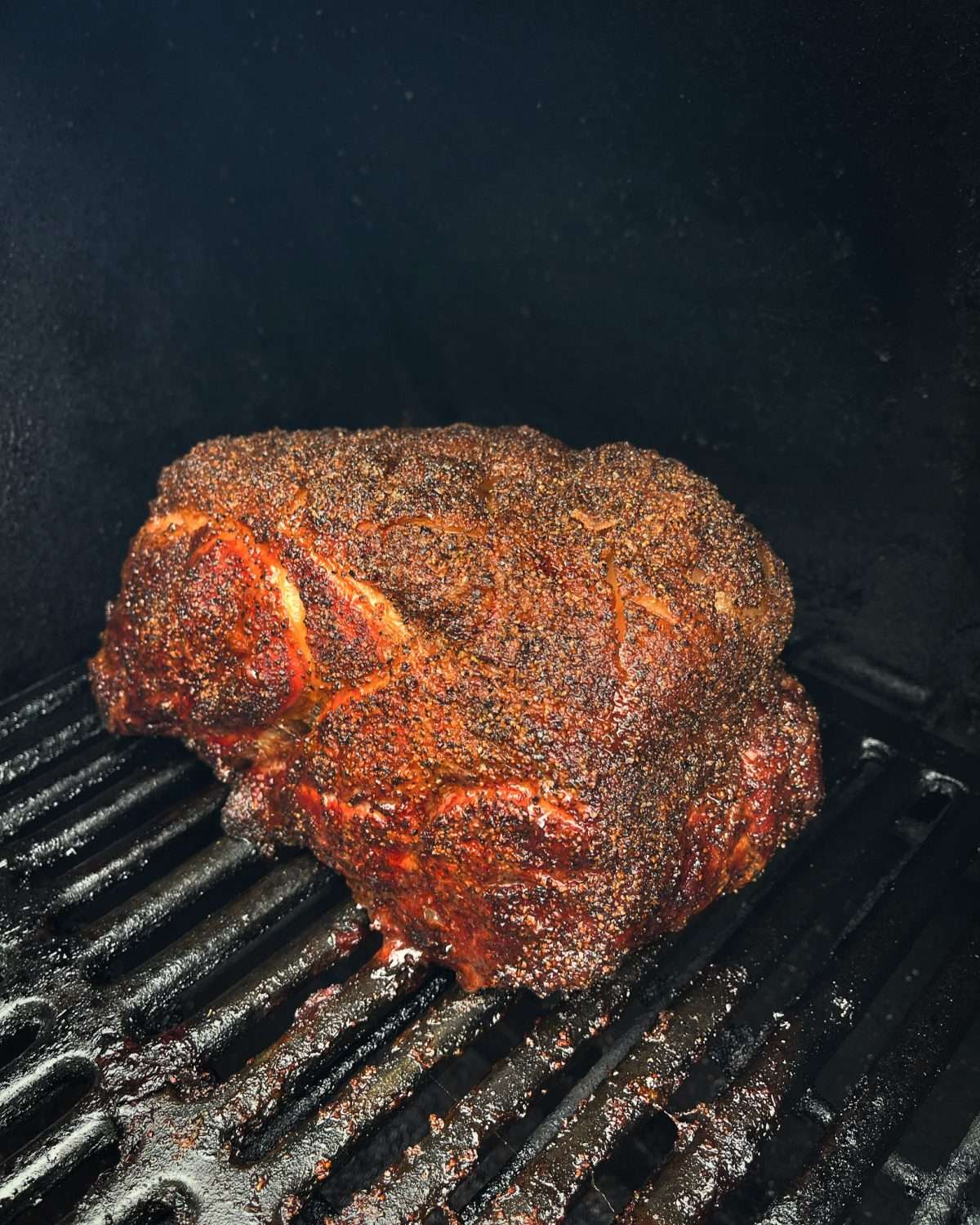
Pat the pork shoulder dry with paper towels. This helps the rub stick better. Sprinkle the dry rub evenly over the whole surface. Rub it in gently but firmly. Cover every side, including the edges. Let the rub sit for a few minutes to start working.
Marinating Time
Wrap the seasoned pork shoulder in plastic wrap or place it in a sealed bag. Refrigerate it for at least 4 hours. For deeper flavor, marinate overnight. This slow absorption improves taste and tenderness. Take the pork out 30 minutes before smoking to reach room temperature.
Setting Up The Charcoal Grill
Setting up your charcoal grill properly is key to smoking a pork shoulder well. It creates the right heat and smoke for tender, flavorful meat. Preparation takes time but pays off with great taste. Focus on arranging charcoal, adding wood chips, and controlling temperature. These steps build the perfect cooking environment.
Charcoal Arrangement
Arrange charcoal on one side of the grill. This creates a two-zone fire: hot on one side, cooler on the other. Use a chimney starter to light the charcoal evenly. Wait until the coals are covered with gray ash. Spread them in a pile or line, leaving space on the other side. This setup allows indirect cooking, essential for smoking pork shoulder slowly.
Adding Wood Chips
Soak wood chips in water for 30 minutes to prevent quick burning. Drain the chips before adding them to the coals. Place the wood chips directly on hot charcoal or use a smoker box. Choose woods like hickory, apple, or cherry for a mild smoky flavor. Add more chips during cooking to keep smoke steady. Avoid too much smoke; it can taste bitter.
Temperature Control Techniques
Control temperature by adjusting the grill’s air vents. Open vents let in oxygen, raising heat. Close vents slightly to lower heat but keep some airflow. Use a grill thermometer to monitor temperature near the meat. Aim for 225°F to 250°F for slow smoking. Add charcoal or wood chips as needed to maintain heat. Avoid lifting the lid too often; it causes heat loss.
Credit: saltbuttersmoke.com
Smoking Process
Smoking a pork shoulder on a charcoal grill takes patience and control. The smoking process transforms the meat into tender, flavorful perfection. It requires managing heat, moisture, and smoke carefully. Each element plays a key role in the final taste and texture of the pork shoulder.
Maintaining Consistent Heat
Keep the grill temperature steady between 225°F and 250°F. Use charcoal arranged on one side for indirect heat. Adjust air vents to control airflow and temperature. Add small amounts of charcoal every hour to maintain heat without spikes. Use a grill thermometer to monitor the temperature closely.
Using A Water Pan
Place a water pan under the pork shoulder. The pan adds moisture inside the grill. This prevents the meat from drying out during long cooking. Fill the pan with hot water before starting. Refill it regularly to keep the steam going throughout the smoke time.
Monitoring Smoke Levels
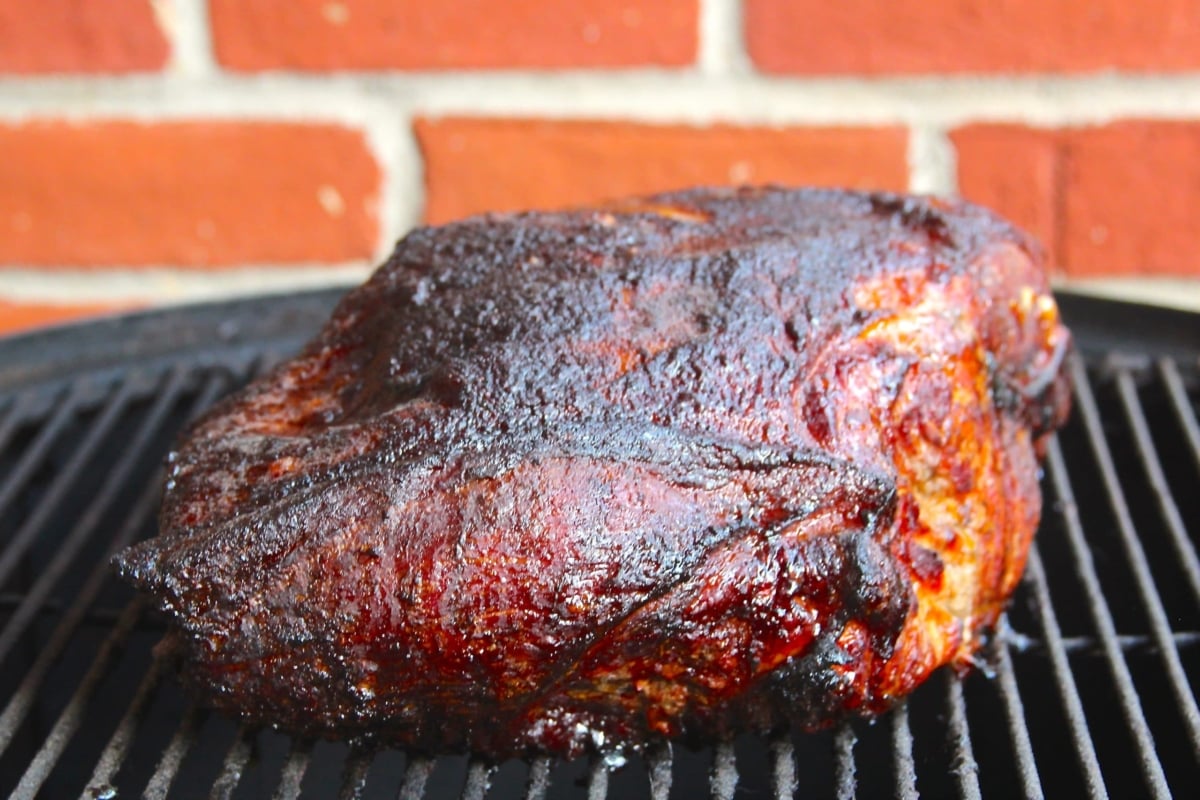
Use clean, thin smoke for the best flavor. Thick, white smoke can make the meat bitter. Aim for a light blue or almost clear smoke. Add wood chips or chunks sparingly to keep smoke steady. Avoid over-smoking by watching the smoke color and smell.
Cooking Time And Temperature
Cooking time and temperature are key to smoking a perfect pork shoulder on a charcoal grill. Managing heat and knowing when the meat is ready ensures juicy, tender results. Patience is essential, as low and slow cooking unlocks deep flavors. Understanding the right internal temperature and approximate cooking duration helps plan your cook with confidence.
Target Internal Temperature
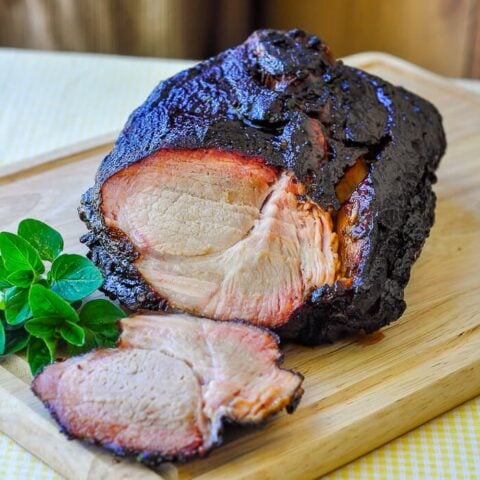
The ideal internal temperature for smoked pork shoulder is 195°F to 205°F (90°C to 96°C). This range breaks down connective tissues, making the meat tender. Avoid pulling the pork too early; tough meat results from a low temperature. Use this temperature goal to guide your cooking process.
Estimated Smoking Duration
Smoking a pork shoulder usually takes about 1.5 to 2 hours per pound. For example, a 6-pound shoulder may need 9 to 12 hours. This time varies with grill temperature and pork size. Keep the charcoal grill steady at 225°F to 250°F (107°C to 121°C) for best results. Plan ahead; slow smoking requires time and attention.
Using A Meat Thermometer
A reliable meat thermometer is vital for checking pork shoulder doneness. Insert it into the thickest part of the meat, avoiding bones. Instant-read thermometers offer quick results, but leave-in probes allow continuous monitoring. Check temperature regularly to maintain the proper cooking range. This tool prevents guesswork and helps avoid undercooking or overcooking.
Credit: www.rockrecipes.com
Wrapping And Resting
Wrapping the pork shoulder in foil or butcher paper locks in moisture and speeds up cooking. Letting it rest after smoking allows juices to redistribute, making the meat tender and flavorful.
Smoking a pork shoulder on a charcoal grill is a labor of love that rewards your patience with mouthwatering results. One crucial stage in this process is wrapping and resting. Proper wrapping locks in moisture, while resting allows the flavors to settle and the meat to tenderize further. This section will guide you through the essentials of wrapping and resting, ensuring your pork shoulder is as delicious as it can be.
When To Wrap The Meat
Timing is everything when it comes to wrapping your pork shoulder. You'll want to wait until the internal temperature hits around 160°F. This is typically when the meat has absorbed enough smoke flavor and begins to stall in temperature rise. Wrap it too soon, and you risk losing that desired smokey taste. Too late, and the meat might dry out. Keep a reliable meat thermometer handy to make this decision precise.
Wrapping Materials
Choosing the right materials to wrap your pork shoulder can impact the final result. Common options include aluminum foil and butcher paper. - Aluminum Foil: Offers a tight seal, locking in moisture effectively. However, it can soften the bark. - Butcher Paper: Allows the meat to breathe, maintaining the bark's texture while still retaining moisture. Both have their merits, so consider what end result you prefer. Experimenting with both might be the best way to find what suits your taste.
Resting Period Importance
Resting your pork shoulder is just as important as any other step. After removing the meat from the grill, let it rest for at least 30 minutes to an hour. This resting period allows the juices to redistribute throughout the meat, enhancing flavor and tenderness. Skipping this step can lead to a dry pork shoulder, despite perfect grilling. Have you ever noticed how flavors meld together more harmoniously after resting? This is why patience pays off in grilling. Set the wrapped meat aside, resist the temptation to dig in immediately, and enjoy the reward of your patience.
Serving And Carving
After smoking a pork shoulder, serving and carving it properly makes all the difference. This step enhances flavor and texture, creating a delightful eating experience. The way you cut the meat can change the dish’s feel. Serving ideas can bring variety to your meal. Proper storage keeps the pork fresh for later enjoyment.
Pulling Vs Slicing
Pulling the pork means shredding it into small pieces. This works best for tender meat cooked low and slow. Use two forks or your hands to pull the meat apart. It’s perfect for sandwiches and tacos.
Slicing the pork creates neat, thick pieces. Slice against the grain to keep meat tender. This method suits a more traditional presentation. It shows off the juicy texture and smoky crust.
Serving Suggestions
- Serve pulled pork with barbecue sauce and coleslaw on buns.
- Slice pork shoulder to pair with roasted vegetables and mashed potatoes.
- Make tacos by adding pulled pork, salsa, and fresh cilantro.
- Add sliced pork to salads for a smoky protein boost.
- Use leftovers in quesadillas or breakfast burritos.
Storing Leftovers
Let the pork cool to room temperature before storing. Use airtight containers or heavy-duty foil to wrap the meat. Store in the refrigerator for up to 4 days. For longer storage, freeze the pork up to 3 months.
Reheat gently to keep the meat moist. Add a splash of broth or sauce when warming. Avoid drying out the pork by reheating slowly at low heat.
Troubleshooting Common Issues
Common problems like uneven heat or flare-ups can affect your pork shoulder’s cooking. Check charcoal placement and control airflow to keep temperature steady. Use a water pan to maintain moisture and prevent the meat from drying out.
Smoking a pork shoulder on a charcoal grill can be tricky. You may face common issues, but don't worry. This section covers solutions to keep your pork shoulder tender and flavorful.
Dry Meat Solutions
Dry pork can ruin your barbecue experience. To fix this, use a marinade before smoking. A good marinade keeps moisture in. Also, wrap the pork in foil during the last cooking stages. This helps keep the juices inside. Another tip is to spritz the meat with apple juice or broth. Do this every hour to maintain moisture.
Temperature Fluctuations
Temperature control is key for a successful smoke. Check your grill's vents regularly. Adjust them to keep the temperature steady. A digital thermometer can also help. Place it inside the grill to monitor heat levels. Adding or removing charcoal can adjust the temperature as needed.
Flavor Adjustments
Sometimes, the pork's flavor may not be quite right. If the smoke is too strong, use milder wood chips. Apple or cherry wood provides a gentle, sweet flavor. Also, consider altering the seasoning rub. More sugar or spice can change the taste profile. Taste as you go and tweak for desired flavors.
Credit: amazingribs.com
Frequently Asked Questions
How Long Does It Take To Smoke A Pork Shoulder?
Smoking a pork shoulder typically takes 1. 5 to 2 hours per pound. Maintain a steady grill temperature of 225-250°F for the best results. Plan for a total cooking time of 8 to 12 hours depending on the meat size and grill conditions.
What Charcoal Is Best For Smoking Pork Shoulder?
Use natural lump charcoal for consistent heat and less ash. Hardwood lump charcoal enhances the smoky flavor without overpowering the pork. Avoid briquettes with additives or fillers, as they can produce unwanted flavors during long smoking sessions.
Should I Wrap Pork Shoulder While Smoking?
Wrapping pork shoulder halfway through smoking helps retain moisture. Use foil or butcher paper once the internal temperature reaches about 160°F. This technique, known as the “Texas crutch,” speeds up cooking and keeps the meat tender and juicy.
How Do I Maintain Temperature On A Charcoal Grill?
Control airflow with the grill’s vents to regulate temperature. Adjust the bottom and top vents to increase or decrease oxygen flow. Add charcoal gradually to maintain a steady 225-250°F heat throughout the smoking process.
Conclusion
Smoking a pork shoulder on a charcoal grill takes patience and care. Keep the heat steady and the smoke flowing. Check the meat often to avoid drying it out. Use simple tools like a thermometer for best results. The smell and taste will be worth the wait.
Serve it with your favorite sides and enjoy a tasty meal. Smoking meat is a fun way to cook outdoors. Try it again and improve with each time. Your friends and family will love the smoky flavor.