If you’ve ever wanted to master the art of smoking a brisket on a charcoal grill, you’re in the right place. Smoking brisket might sound tricky, but with the right steps, you can turn your grill into a flavor powerhouse.
Imagine biting into tender, smoky meat that melts in your mouth—sounds amazing, right? In this guide, you’ll discover simple tips and tricks to get that perfect smoky flavor and juicy texture every time. Ready to impress your friends and family with your BBQ skills?
Let’s dive in and make your next cookout unforgettable.
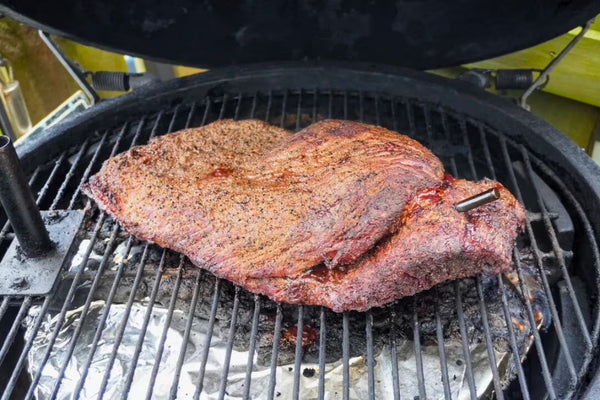
Credit: themeatstick.com
Choosing The Right Brisket
Choosing the right brisket is the foundation of a successful smoking session on your charcoal grill. The cut you select directly affects flavor, tenderness, and cooking time. Understanding what to look for helps you avoid common pitfalls and ensures your brisket turns out juicy and full of smoky goodness.
Picking The Cut
Brisket comes mainly in two cuts: the flat and the point. The flat cut is leaner and easier to slice, making it ideal for beginners or leaner preferences. The point cut has more fat and connective tissue, which melts during smoking and adds rich flavor and tenderness.
Think about your audience or your taste preference. Do you want lean slices for sandwiches, or rich, fatty bites that melt in your mouth? Choosing the right cut sets the stage for your entire smoking process.
Size And Thickness
Briskets vary widely in size, typically between 8 and 20 pounds. Larger briskets take longer to cook and require more attention to temperature control. A thicker brisket may hold moisture better but can be tricky to smoke evenly.
Ask yourself: How much time do you have? Can your grill handle a larger piece? Picking the right size and thickness balances your cooking time with your grill’s capacity, helping you avoid undercooked or dry results.
Quality And Marbling
Marbling is the thin streaks of fat within the meat that keep it moist and flavorful during low-and-slow cooking. Look for briskets with even, fine marbling rather than large fat pockets. High-quality brisket often comes from USDA Choice or Prime grades.
Don’t just trust the label—inspect the meat visually. Does the fat look firm and white? Good marbling means your brisket will baste itself as it smokes, preventing dryness and boosting flavor. Have you ever noticed how a well-marbled brisket tastes more tender and juicy?
Preparing The Brisket
Preparing your brisket properly sets the foundation for a delicious smoked masterpiece. This stage is all about getting the meat ready to absorb flavors and cook evenly over your charcoal grill. Taking the time to trim, season, and rest the brisket will pay off in tender, flavorful results that make your efforts worthwhile.
Trimming Excess Fat
Start by trimming the brisket’s fat cap to about 1/4 inch thick. Too much fat can cause flare-ups on your charcoal grill and prevent the rub from penetrating the meat. Removing large, hard pieces of fat helps smoke and seasoning reach the brisket better, enhancing flavor and texture.
Don’t trim off all the fat—leaving a thin layer keeps the meat moist during the long smoking process. Have you noticed how some briskets turn out overly greasy? That’s often due to leaving too much fat intact. A balanced trim makes a big difference.
Applying A Dry Rub
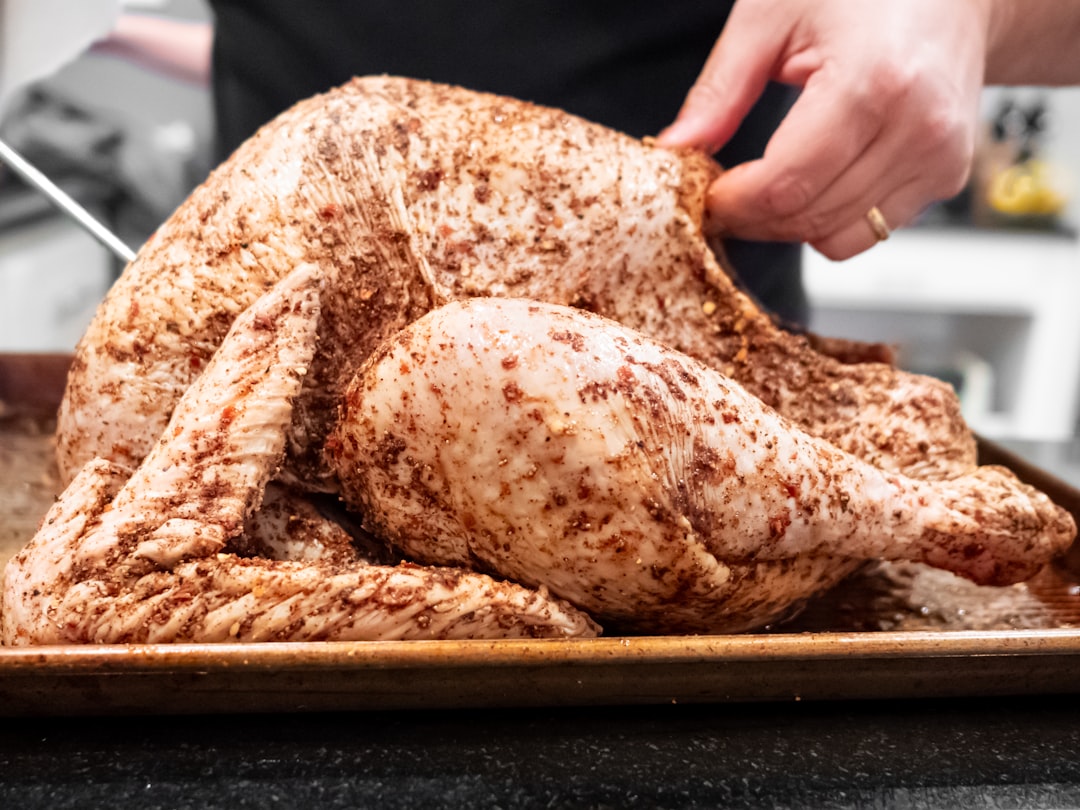
Next, apply a dry rub evenly across the brisket’s surface. Use a simple mix of salt, black pepper, and paprika, or add garlic powder and cayenne for a bit of kick. The rub isn’t just for flavor; it creates a flavorful crust known as the bark once smoked.
Press the rub into the meat instead of just sprinkling it on. This helps it stick during smoking and allows the seasoning to penetrate deeper. Ever wondered why some briskets have that irresistible crust? The rub and how you apply it are key.
Letting It Rest
After rubbing, let the brisket rest at room temperature for about 30 to 60 minutes. This rest allows the rub to settle and the meat to come closer to room temperature, promoting even cooking. Skipping this step can lead to uneven smoke absorption and longer cook times.
During this time, prepare your charcoal grill for smoking. Think of this rest period as a chance to plan your fire and smoke levels. How often do you jump straight to grilling without giving your meat this crucial break?
Setting Up The Charcoal Grill
Setting up a charcoal grill correctly is key to smoking a perfect brisket. This process creates steady heat and adds smoky flavor. Proper setup helps avoid flare-ups and uneven cooking. Each step focuses on controlling heat and smoke flow for tender meat.
Arranging Charcoal For Indirect Heat
Arrange charcoal on one side of the grill. Leave the other side empty for indirect cooking. This setup keeps heat away from the brisket. Use a two-zone fire: hot side for charcoal, cool side for meat. Place the brisket on the cool side to cook slowly.
Using Wood Chunks For Smoke
Add wood chunks on top of hot charcoal. Choose hardwoods like oak, hickory, or mesquite. These woods give strong, rich smoke flavor. Soak wood chunks in water for 30 minutes to slow burning. Place them directly on coals for steady smoke throughout cooking.
Controlling Airflow And Temperature
Open the grill vents to start the fire. Adjust vents to control oxygen flow and heat. More air means hotter fire; less air cools it down. Aim for a steady temperature between 225°F and 250°F. Use a grill thermometer to monitor heat levels closely.

Credit: www.youtube.com
Smoking Process
The smoking process is crucial for a tender brisket. It requires patience and attention. Follow these steps to ensure a flavorful outcome.
Maintaining Consistent Temperature
Keep the grill temperature steady at 225°F to 250°F. Use a quality grill thermometer. Adjust the vents to control airflow. Too much air can raise the temperature. Too little can cause the fire to die. Check the temperature every 30 minutes.
Monitoring Internal Brisket Temperature
Insert a meat thermometer into the thickest part. The ideal temperature is 195°F. This ensures the brisket is tender. Avoid opening the lid often. Each time lets out heat and smoke.
Adding More Charcoal And Wood
Prepare extra charcoal before starting. Add it as needed to maintain heat. Use wood chunks for smoky flavor. Soak the wood in water for 30 minutes. This helps it smolder instead of burn. Add a few pieces every hour.
Wrapping And Resting
Wrapping and resting are key steps to make brisket tender and juicy. Wrapping helps keep moisture in while the meat finishes cooking. Resting allows the juices to spread evenly inside the meat. This section explains the best way to wrap and rest brisket on a charcoal grill.
When And How To Wrap
Wrap the brisket when it reaches about 160°F to 170°F. This stage is called the “stall,” where temperature stops rising. Wrapping helps push through this phase faster.
Use butcher paper or aluminum foil for wrapping. Butcher paper lets the meat breathe and keeps the bark crispy. Foil locks in moisture but softens the bark.
- Place the brisket on a large sheet of paper or foil.
- Wrap tightly to cover the entire brisket.
- Seal the edges well to trap heat and moisture.
- Return the brisket to the grill to continue cooking.
Resting For Juiciness
Rest the wrapped brisket for at least 1 hour after cooking. Resting lets the juices redistribute inside the meat.
Keep the brisket wrapped and place it in a cooler or warm spot. Avoid cutting it too soon. Cutting early lets the juices escape, making the meat dry.
Slicing Tips
Slice the brisket against the grain. This makes the meat easier to chew.
Use a sharp knife and cut thin slices. Thin slices help keep the brisket tender.
Look closely to find the direction of the grain. Slice perpendicular to the grain for the best texture.
Serving Suggestions
Serving smoked brisket is as important as cooking it well. The right sides and sauces bring out the rich flavors. Leftovers also deserve proper care to keep their taste fresh. Here are some ideas for serving your smoked brisket perfectly.
Classic Sides To Pair
- Creamy coleslaw adds a cool crunch.
- Baked beans offer a sweet, smoky touch.
- Grilled corn on the cob gives a fresh, sweet flavor.
- Potato salad balances the meal with creaminess.
- Macaroni and cheese provides a cheesy, comforting side.
- Pickles cut through the richness with tanginess.
Sauce Options
- Classic barbecue sauce with a sweet and tangy taste.
- Mustard-based sauce for a sharp, zesty flavor.
- Vinegar sauce adds a bright, acidic kick.
- Spicy hot sauce for heat lovers.
- Simple au jus to keep the brisket moist and natural.
Storing Leftovers
Cool the brisket to room temperature before storing. Wrap it tightly in foil or plastic wrap. Place in an airtight container to keep moisture. Store in the refrigerator for up to four days. For longer storage, freeze in portions up to three months. Reheat gently to avoid drying out the meat.
Troubleshooting Common Issues
Smoking brisket on a charcoal grill can be tricky. Problems like dry meat, uneven heat, or weak smoke flavor often arise. Knowing how to fix these common issues saves time and improves your results. Below are practical tips to troubleshoot and enhance your brisket smoking experience.
Dry Brisket Fixes
Dry brisket happens when the meat loses too much moisture. Avoid overcooking by checking the internal temperature often. Wrap the brisket in foil or butcher paper during the last few hours to lock in juices. Use a water pan in the grill to keep the air moist. Rest the brisket for at least 30 minutes before slicing. This helps the juices redistribute inside the meat.
Temperature Fluctuation Solutions
Maintaining steady heat is key to smoking brisket well. Arrange charcoal in a two-zone setup: one side for direct heat, the other for indirect. Add small amounts of charcoal every hour to keep temperature steady. Use a grill thermometer placed near the meat for accurate readings. Adjust air vents slowly to control the temperature changes. Avoid opening the lid too often, as it causes heat loss.
Smoke Flavor Adjustments
Smoke flavor depends on the wood type and smoke amount. Use hardwoods like oak, hickory, or fruit woods for a balanced taste. Soak wood chips for 30 minutes before adding to the charcoal for longer smoke. Avoid heavy smoke early on to prevent bitterness. Add wood chips in small amounts every 30 to 45 minutes. Control airflow to keep smoke thin and steady for better flavor.

Credit: www.youtube.com
Frequently Asked Questions
How Long Does It Take To Smoke A Brisket On Charcoal?
Smoking a brisket on a charcoal grill usually takes 8 to 12 hours. The time varies by brisket size and temperature. Maintaining 225-250°F ensures tender, flavorful meat. Use a meat thermometer to check for 195-205°F internal temperature for perfect doneness.
What Type Of Charcoal Is Best For Smoking Brisket?
Lump charcoal is ideal for smoking brisket due to its high heat and low ash. It burns cleaner and hotter than briquettes. Hardwood lump charcoal adds a natural smoky flavor that complements the brisket well. Avoid quick-light charcoal for better taste and control.
How Do You Maintain Temperature When Smoking Brisket?
To maintain temperature, control airflow using grill vents. Adjust vents to increase or decrease oxygen flow. Add charcoal gradually to keep consistent heat. Use a water pan to stabilize temperature and add moisture. Regularly monitor with a grill thermometer for accuracy.
Should You Wrap Brisket During Charcoal Smoking?
Wrapping brisket, known as the Texas Crutch, helps retain moisture and speed cooking. Wrap it in butcher paper or foil once it hits around 160°F. This method prevents drying and tenderizes the meat. However, wrapping too early can soften the bark.
Conclusion
Smoking a brisket on a charcoal grill takes time and patience. Keep the fire steady and the temperature low. Use wood chips for extra smoky flavor. Check the meat often but avoid opening the grill too much. Rest the brisket before slicing to keep it juicy.
Enjoy the rich taste you created with care. Smoking brisket is a fun way to cook outside. Try it again and improve with each cook. Great meals come from simple steps and good fire.