If you’ve ever dreamed of biting into a tender, smoky brisket with a perfect crust, you’re in the right place. Smoking a brisket on a charcoal grill might sound tricky, but with the right steps, you can master this delicious art right in your backyard.
Imagine the rich aroma filling the air as your brisket slowly cooks to juicy perfection. In this guide, you’ll discover simple, clear instructions to help you control the heat, add the right flavors, and achieve that mouthwatering taste you’ve been craving.
Ready to impress your friends and family with your BBQ skills? Keep reading, and let’s get your charcoal grill fired up!

Credit: www.youtube.com
Choosing The Right Brisket
Choosing the right brisket sets the stage for a delicious smoked meal. The quality and size affect cooking time and flavor. Picking the best meat ensures a tender, juicy result after hours of smoking.
Selecting Quality Meat
Look for brisket with good marbling. Fat threads inside the meat keep it moist and add flavor during smoking. Avoid briskets with large, hard fat chunks. The meat should have a fresh, bright red color. Check for firmness; it should feel dense but not tough.
Brisket Size And Cut
Briskets come in two main cuts: the flat and the point. The flat is leaner and slices nicely. The point has more fat and is richer in taste. Choose a size that fits your grill and serving needs. Typical briskets weigh between 8 to 12 pounds. Larger cuts take longer to smoke but offer more servings.
Preparing The Brisket
Preparing the brisket is the first key step to smoking on a charcoal grill. Proper preparation helps the meat absorb flavors and cook evenly. It also improves the texture and keeps the brisket juicy during smoking.
Trimming Excess Fat
Start by trimming the brisket’s fat cap. Leave about a quarter-inch layer for moisture. Remove thick, hard pieces that won’t melt during cooking. Trim any silver skin or tough sections to help smoke penetrate the meat better.
Applying A Dry Rub
Use a dry rub to add flavor and create a tasty crust. Mix spices like salt, pepper, paprika, garlic powder, and brown sugar. Rub it evenly on all sides of the brisket. Press the rub gently so it sticks well to the meat.
Letting It Rest
Let the brisket rest after applying the rub. Wrap it in plastic wrap or place in a sealed container. Rest for at least one hour, or overnight in the refrigerator. This helps the meat soak in the flavors and tenderizes it before smoking.
Setting Up The Charcoal Grill
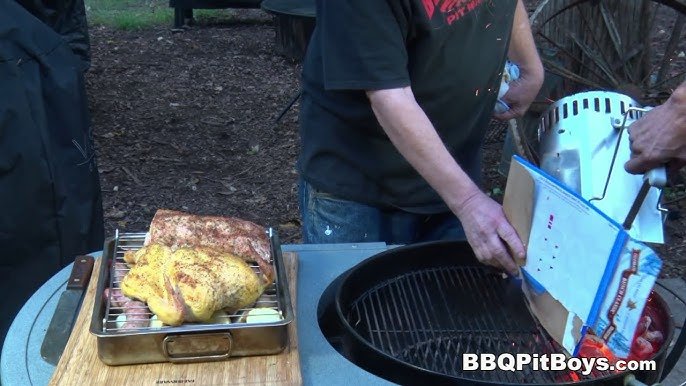
Setting up a charcoal grill properly is key to smoking a brisket that tastes amazing. The goal is to create a steady, low heat with plenty of smoke. This setup keeps the brisket tender and flavorful for hours. Focus on controlling heat and smoke flow. Keep the charcoal and wood chips arranged to avoid direct flames under the meat.
Arranging Charcoal For Indirect Heat
Arrange charcoal on one side of the grill only. Pile coals into a thick layer for long-lasting heat. Keep the other side empty for indirect cooking. Place a drip pan under the grill grate on the empty side. This catches fat and prevents flare-ups. Position the brisket on the empty side away from the coals. This setup cooks meat slowly without burning.
Using Wood Chips For Smoke
Soak wood chips in water for 30 minutes. Drain them before adding to the charcoal. Scatter the chips over hot coals to create smoke. Choose mild woods like apple, cherry, or hickory. These woods add rich flavor without overpowering the brisket. Add chips in small amounts every hour. Avoid large amounts that cause thick, bitter smoke.
Controlling Temperature
Keep grill temperature between 225°F and 250°F. Use the grill’s vents to control airflow and heat. Open vents increase oxygen and heat. Close vents reduce oxygen and lower temperature. Adjust vents slowly to avoid sudden heat changes. Use a grill thermometer to check temperature often. Maintain steady heat for even cooking and tender brisket.

Credit: www.youtube.com
Smoking Process
Smoking a brisket on a charcoal grill takes patience and care. The smoking process is key to achieving tender, flavorful meat with a smoky crust. It involves placing the brisket correctly, controlling the grill’s temperature, and managing the charcoal and wood for steady smoke.
Placing The Brisket On The Grill
Place the brisket fat side up to keep the meat moist. Position it away from direct heat. Use the indirect cooking zone on your grill. This allows slow cooking without burning. Make sure there is enough space around the brisket for air to circulate.
Maintaining Consistent Heat
Keep the grill temperature steady between 225°F and 250°F. Use the grill vents to control airflow. Open vents increase heat; close them reduce heat. Check the temperature often using a grill thermometer. Avoid opening the grill too much to keep heat inside.
Adding Charcoal And Wood
Add small amounts of charcoal every hour to maintain heat. Use wood chunks or chips for smoke flavor. Soak wood chips in water for 30 minutes before adding. Place wood near the charcoal but not directly on flames. This creates a steady, clean smoke that flavors the brisket well.
Monitoring And Timing
Monitoring and Timing Keep a close eye on your brisket to ensure it's cooked perfectly. Use a meat thermometer to check internal temperatures. Adjust charcoal and vents to maintain steady heat.
Monitoring and timing are key in smoking a brisket on a charcoal grill. Keep a close eye on the temperature and time. This helps in achieving a tender and flavorful brisket.
Using A Meat Thermometer
A meat thermometer is essential for smoking brisket. Insert it into the thickest part of the meat. Ensure it doesn't touch any bones. This gives an accurate internal temperature. Aim for a temperature of about 195°F to 205°F. This range indicates that the brisket is done.
Understanding Smoke Ring
The smoke ring is a pink layer below the brisket's surface. It's a sign of a well-smoked brisket. This ring forms due to a chemical reaction. This reaction happens between the smoke and the meat's surface. The smoke ring doesn't affect taste but shows good technique.
Estimating Cooking Time
Cooking time varies based on brisket size. Generally, plan for 1 to 1.5 hours per pound. Use this as a guideline, not a rule. External factors like grill temperature and weather can affect timing. Always rely on the meat thermometer for doneness.

Credit: themeatstick.com
Wrapping And Resting
Wrapping and resting are key steps in smoking a brisket on a charcoal grill. Wrapping helps keep moisture in and speeds up cooking. Resting allows the juices to settle, making the meat tender and flavorful. Both steps improve the final taste and texture of your brisket.
When To Wrap The Brisket
Wrap the brisket when it reaches an internal temperature of about 160°F (70°C). This is often called the “stall” because the temperature stops rising for a while. Wrapping helps push through this stall by trapping heat and moisture.
Use butcher paper or aluminum foil for wrapping. Butcher paper lets the meat breathe slightly, keeping a better bark. Foil locks in more moisture but can soften the bark. Choose based on your texture preference.
Resting For Juiciness
Rest the wrapped brisket for at least 1 hour after cooking. Resting lets the juices spread evenly through the meat. This makes each bite juicy and tender.
Keep the brisket wrapped and place it in a cooler or warm spot. Avoid cutting too soon, or the juices will run out, making the meat dry. Patience here pays off with better flavor and texture.
Serving Tips
Serving a smoked brisket on a charcoal grill is as important as cooking it right. Proper presentation enhances the eating experience. The way you slice and pair the brisket impacts its taste and texture greatly.
Slicing Techniques
Always slice brisket against the grain. This makes the meat tender and easier to chew. Use a sharp knife for clean cuts. Slice brisket into thin pieces, about ¼ inch thick.
Serve slices on a warm plate to keep the meat juicy. Arrange slices neatly to show the smoke ring. This adds to the visual appeal.
Pairing With Sides And Sauces
Choose sides that balance the smoky flavor. Classic options include coleslaw, baked beans, and cornbread. These add texture and sweetness.
Offer a variety of sauces for different tastes. Barbecue sauce, mustard-based sauce, and spicy salsa work well. Serve sauces on the side to let guests choose.
Fresh vegetables or pickles can cut through the richness. This keeps the meal light and refreshing.
Troubleshooting Common Issues
Smoking a brisket on a charcoal grill can be tricky. Many beginners face common problems that affect the meat's taste and texture. This section helps solve those issues. Clear tips make your smoking process smoother. You get better results with less stress.
Avoiding Dry Brisket
Dry brisket happens when the meat loses too much moisture. Keep the grill temperature steady between 225°F and 250°F. Wrap the brisket in foil or butcher paper after a few hours. This traps moisture and prevents drying out. Use a water pan inside the grill to add humidity. Baste the brisket occasionally with its juices or a light marinade. Let the meat rest for at least 30 minutes before slicing. This helps juices redistribute inside the brisket.
Fixing Temperature Fluctuations
Temperature swings can ruin your brisket. Use a good quality charcoal and light it evenly. Avoid opening the grill lid too often. Each time you open, heat escapes and causes drops. Adjust vents slowly to control airflow and temperature. Place a water pan to stabilize heat inside the grill. A digital thermometer helps monitor the exact temperature. Add small amounts of charcoal rather than a lot at once. This keeps the heat steady for longer periods.
Managing Smoke Levels
Too much smoke makes the brisket bitter. Thin, pale smoke is best for flavor. Use dry, well-seasoned wood chunks or chips. Soak wood chips in water for 30 minutes before adding. Avoid green or wet wood as it produces thick smoke. Keep the fire low and slow to create thin smoke. Position the wood away from direct flames to slow burning. Watch the color of the smoke; it should be almost clear, not dark gray or black.
Frequently Asked Questions
How Long Does It Take To Smoke A Brisket?
Smoking a brisket typically takes 10 to 14 hours. The exact time depends on the brisket size and grill temperature, usually around 225°F to 250°F. Patience is key for tender, flavorful meat.
What Type Of Charcoal Is Best For Smoking Brisket?
Lump charcoal is best for smoking brisket. It burns hotter and cleaner than briquettes. Avoid quick-light charcoal, as it can affect flavor.
Should I Wrap Brisket During Smoking?
Yes, wrapping brisket in foil or butcher paper helps retain moisture. It also speeds up cooking and prevents the meat from drying out.
How Do I Control Temperature In A Charcoal Grill?
Use vents to control airflow and temperature. Adjust the amount of charcoal and place a water pan inside to stabilize heat during smoking.
Conclusion
Smoking brisket on a charcoal grill takes patience and care. Keep your fire steady and the temperature low. Watch the meat closely and add charcoal as needed. Let the smoke flavor build slowly. Rest the brisket before slicing. This helps keep it juicy and tender.
With practice, your smoked brisket will taste delicious every time. Enjoy the process and the great meal you create.