If you’ve ever wanted to enjoy tender, flavorful beef brisket without a fancy smoker, you’re in the right place. Smoking a beef brisket on a gas grill might sound tricky, but with the right steps, you can turn your grill into a mouthwatering smokehouse.
Imagine biting into juicy, smoky meat that melts in your mouth—all made right in your backyard. In this guide, you’ll learn exactly how to smoke a beef brisket on your gas grill, from prepping the meat to maintaining the perfect temperature.
Get ready to impress your friends and family with a delicious brisket that’s packed with smoky goodness. Keep reading to discover the simple secrets that will make your next barbecue unforgettable.
Choosing The Right Brisket
Choosing the right brisket sets the base for a tasty smoked meal. Picking good meat ensures tenderness and rich flavor. It also helps the smoking process go smoothly. Spend time selecting the brisket before lighting the grill.
Selecting Quality Meat
Look for brisket with bright red color and firm texture. Avoid cuts that look dry or have dark spots. Marbling is important. It means small fat lines inside the meat. More marbling adds juiciness and flavor. Choose a brisket that feels heavy for its size. This means good moisture content inside the meat.
Understanding Brisket Cuts
Brisket has two main parts: the flat and the point. The flat is leaner and has a uniform shape. It cooks evenly and slices nicely. The point has more fat and connective tissue. It is tastier but can be tougher if not cooked well. Some butchers sell whole packer briskets with both parts. Whole packers give more variety and flavor in one piece.
Trimming Tips
Trim excess fat but keep a thin layer on top. About ¼ inch of fat protects the meat during smoking. Remove silver skin and hard fat that won’t melt. These parts can make the brisket chewy. Use a sharp knife and work carefully. A good trim helps smoke penetrate and improves texture.
Credit: grassrootscoop.com
Preparing Your Gas Grill
Preparing your gas grill properly is essential for smoking a beef brisket that’s tender, juicy, and packed with smoky flavor. This process involves setting up the grill to maintain consistent indirect heat, adding wood chips to infuse smoke, and mastering temperature control. Getting these elements right sets the stage for a slow cook that transforms your brisket into a mouthwatering masterpiece.
Setting Up For Indirect Heat
Indirect heat means cooking your brisket without placing it directly over the flame. To do this, turn on only one or two burners on your gas grill, leaving others off. This creates a cooler zone where the meat cooks slowly and evenly without burning.
Place a drip pan under the grill grates on the unlit side. It catches fat drippings and prevents flare-ups. This setup mimics the low-and-slow environment of a traditional smoker, essential for breaking down tough brisket fibers.
Adding Wood Chips For Smoke
Wood chips add the smoky flavor that defines smoked brisket. Soak your chips in water for at least 30 minutes before grilling; this helps them smolder instead of burn quickly. Use a smoker box or wrap soaked chips in aluminum foil with holes poked in it, then place it over the lit burner.
Different woods bring distinct flavors—hickory offers a strong smoke, while fruitwoods like apple provide a milder taste. Experiment with small batches to find the wood that suits your palate best. Have you tried mixing woods for a custom smoke profile?
Temperature Control Techniques
Maintaining a steady temperature between 225°F and 250°F is key to smoking brisket properly. Use your grill’s built-in thermometer and consider adding a digital probe for accuracy. Adjust burners and vents to keep the heat consistent throughout the cook.
Opening the lid too often lets heat escape and prolongs cooking time. Trust your setup and resist the urge to peek frequently. You’ll notice that patience pays off when your brisket reaches that perfect tenderness.
Seasoning The Brisket
Seasoning the brisket is a key step for deep flavor. The right spices bring out the beef’s natural taste. A good rub adds texture and aroma. It creates a tasty crust during smoking. Taking time to season well makes a big difference in the final dish.
Dry Rub Ingredients
A simple dry rub uses everyday spices. Use:
- 2 tablespoons kosher salt
- 2 tablespoons black pepper
- 1 tablespoon paprika
- 1 tablespoon garlic powder
- 1 tablespoon onion powder
- 1 teaspoon chili powder (optional)
This mix balances saltiness, heat, and smokiness. Paprika adds color and mild sweetness. Adjust chili powder to control spiciness.
Applying The Rub
Pat the brisket dry with paper towels. Rub the spice mix evenly over all sides. Press gently so the rub sticks well. Cover the meat fully for full flavor. Let the brisket rest for 30 minutes before cooking. This helps the rub soak in.
Marinating Tips
For stronger flavor, marinate the brisket overnight. Wrap it tightly in plastic wrap or place in a sealed bag. Keep it in the fridge to stay safe. Remove the brisket an hour before smoking. This brings it closer to room temperature for even cooking.
Smoking Process
The smoking process is the heart of cooking a beef brisket on a gas grill. It requires patience and careful attention to detail. The goal is to infuse the meat with smoky flavor while cooking it slowly and evenly. This process transforms the brisket into a tender, juicy dish full of rich taste.
Placing The Brisket On The Grill
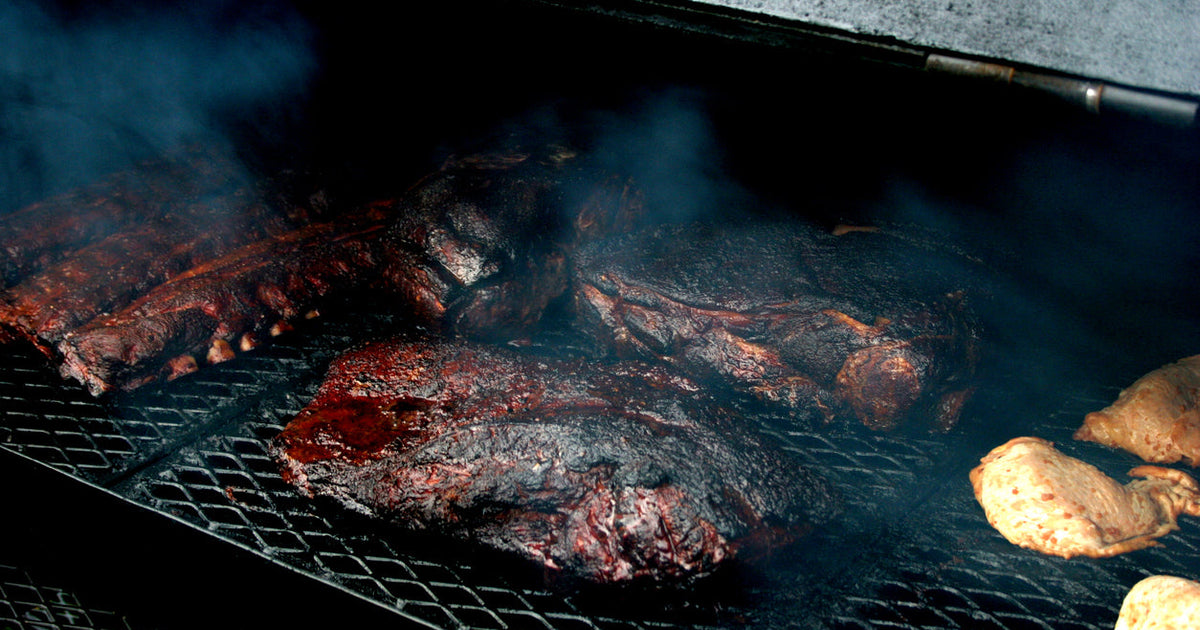
Start by setting up your gas grill for indirect heat. Turn on one side of the burners and leave the other side off. Place the brisket fat side up on the cooler side of the grill. This helps the fat melt into the meat during cooking. Keep the brisket away from direct flames to avoid burning.
Maintaining Consistent Temperature
Keep the grill temperature steady between 225°F and 250°F. Use the grill’s built-in thermometer or a separate one for accuracy. Adjust burners as needed to hold this temperature. Consistent heat ensures the brisket cooks evenly and stays tender.
Monitoring Smoke Levels
Use wood chips or chunks for smoke flavor. Soak them in water for 30 minutes before placing on the heat. Add the wood to the grill’s smoker box or directly on the burners. Aim for a steady thin blue smoke. Thick white smoke can make the meat bitter. Refresh the wood chips every hour for continuous smoke.
Checking For Doneness
Knowing when your beef brisket is perfectly smoked can be tricky, but it’s crucial to get it right. Checking for doneness ensures your brisket is juicy, tender, and flavorful, rather than tough or dry. Let’s dive into the key ways you can tell when your brisket is ready to come off the grill.
Internal Temperature Guidelines
Temperature is your most reliable indicator of doneness. For a smoked beef brisket, aim for an internal temperature between 195°F and 205°F. This range allows the connective tissues to break down fully, making the meat tender.
Temperatures below 190°F usually mean the brisket will be tough, while going above 210°F risks drying it out. Keep a steady eye on your thermometer to hit the sweet spot.
Using A Meat Thermometer
A good meat thermometer is your best friend during smoking. Insert it into the thickest part of the brisket, avoiding fat pockets or bones for an accurate reading.
Instant-read thermometers give quick results, but leave-in probes are great for monitoring without opening the grill. This helps maintain consistent heat and smoke levels.
Have you ever pulled a brisket too early because you guessed the temperature? Using a thermometer removes the guesswork and boosts your confidence at the grill.
Tenderness Tests
Temperature tells you a lot, but tenderness tests give you the final confirmation. Try the “probe test” by gently inserting a skewer or fork into the brisket.
- If it slides in with little resistance, your brisket is tender and ready.
- If it feels tough or offers resistance, it needs more time to smoke.
Another way is the “bend test.” Pick up the brisket with tongs; if it bends easily without breaking, it’s done. If it feels stiff, give it more time.
Have you felt the difference between a brisket that’s just right and one that’s undercooked? This hands-on approach helps you tune into your meat’s texture for perfect results.

Credit: www.youtube.com
Resting And Slicing
Resting and slicing the brisket ensures juicy and tender meat. Let it rest for at least 30 minutes. Slice against the grain for the best texture and flavor.
Smoking a beef brisket on a gas grill is an art, and once you've nailed the smoking process, the final steps of resting and slicing can make all the difference. These steps are crucial to ensuring your brisket remains juicy and flavorful. Let's dive into why resting is important, how to slice properly, and some serving ideas that will wow your guests.
Resting Time Importance
Resting your brisket is not just a suggestion; it's a necessity. After hours on the grill, your brisket needs time to reabsorb its juices. Cutting into it too soon can result in a dry experience that misses the mark. I learned this lesson the hard way when I impatiently sliced into my first brisket. The result was a pool of juices on the cutting board rather than in each bite. So, resist the urge and allow your brisket to rest for at least an hour.
Proper Slicing Techniques
Slicing brisket requires a bit of technique to ensure each piece is tender. Always cut against the grain. This means identifying the direction of the muscle fibers and slicing perpendicular to them. Use a sharp knife to make clean cuts. A dull knife can tear the meat, making it less appealing and harder to chew. Aim for slices about the thickness of a pencil for the perfect balance of texture and flavor.
Serving Suggestions
Now that your brisket is perfectly smoked and sliced, it's time to serve it up. Consider pairing your brisket with classic sides like coleslaw or baked beans. These sides complement the smoky flavors beautifully. Or, you might want to go bold with a brisket sandwich topped with a tangy barbecue sauce. Whatever you choose, make sure your presentation does justice to your hard work. What are your favorite ways to serve brisket? Share your tips in the comments below!
Troubleshooting Common Issues
Smoking a beef brisket on a gas grill can bring challenges. Knowing how to fix common problems helps keep the cooking process smooth. This section covers key issues like dry brisket, flare-ups, and smoke flavor. Use these tips to improve your smoking results and enjoy tender, flavorful brisket.
Dry Brisket Fixes
Dry brisket happens when meat loses too much moisture. Keep the grill temperature steady, around 225°F to 250°F. Wrap the brisket in foil or butcher paper halfway through cooking to lock in juices. Use a water pan inside the grill to keep the air moist. Let the brisket rest for at least 30 minutes after cooking to let juices redistribute. Avoid cutting too soon. These steps help keep the meat juicy and tender.
Handling Flare-ups
Flare-ups occur when fat drips on the gas burners. They cause sudden flames that can burn the brisket’s surface. Move the brisket to a cooler part of the grill when flames rise. Keep a spray bottle with water nearby to gently douse small flames. Trim excess fat from the brisket before smoking to reduce drips. Use indirect heat by turning off burners directly under the meat. These methods help control flare-ups and protect the brisket.
Adjusting Smoke Flavor
Too little smoke flavor makes brisket bland. Too much makes it bitter. Use wood chips or chunks suited for beef, like hickory or oak. Soak wood chips in water for 30 minutes to slow burning. Add chips gradually to keep a steady smoke level. Avoid heavy smoke at the start; wait until the brisket develops a bark. Control airflow by adjusting grill vents to maintain smoke without choking the fire. Balance smoke to enhance the natural beef taste.

Credit: www.youtube.com
Frequently Asked Questions
How Long Does It Take To Smoke A Beef Brisket?
Smoking a beef brisket on a gas grill usually takes 6 to 8 hours. Timing depends on the brisket size and temperature consistency. Aim for an internal temperature of 195°F to 205°F for tender results. Use a meat thermometer to monitor progress.
What Temperature Should I Set My Gas Grill For Brisket?
Set your gas grill to maintain a steady temperature of 225°F to 250°F. This low and slow heat ensures even cooking and tender meat. Avoid temperature spikes to prevent drying out the brisket during smoking.
Should I Wrap The Brisket During Smoking?
Wrapping the brisket after 4-5 hours helps retain moisture and speed up cooking. Use butcher paper or aluminum foil for wrapping. This technique, called the Texas Crutch, prevents the brisket from drying out while developing a smoky bark.
How Do I Add Smoke Flavor On A Gas Grill?
Use wood chips soaked in water and placed in a smoker box or foil pouch. Position it over the burners to produce smoke. Choose woods like hickory, oak, or mesquite for authentic brisket flavor.
Conclusion
Smoking beef brisket on a gas grill takes patience and care. Keep the temperature steady and use wood chips for flavor. Check the meat often to avoid drying it out. Let the brisket rest before slicing to keep it juicy.
With practice, your smoked brisket will taste delicious every time. Enjoy the process and share your tasty results with friends. Smoking brisket can turn any meal into a special occasion. Give it a try and savor the smoky, tender meat you create.