If you want to enjoy tender, juicy ribs with that perfect smoky flavor, slow cooking on a gas grill is your secret weapon. You might think gas grills are only for quick meals, but with the right technique, you can transform your ribs into a mouthwatering masterpiece.
In this guide, you’ll learn simple steps to slow cook ribs that fall off the bone and impress everyone at your next cookout. Ready to become the grill master your friends will rave about? Let’s dive in and make your ribs unforgettable.
Choosing The Right Ribs
Choosing the right ribs is the first step to delicious slow-cooked ribs on a gas grill. The type and quality of ribs affect flavor, texture, and cooking time. Knowing what to select helps create tender, juicy results every time.
Types Of Ribs
There are several types of ribs available. Each has unique characteristics and suits different recipes.
- Baby Back Ribs:Smaller, leaner, and tender. They cook faster and are perfect for beginners.
- Spare Ribs:Larger and meatier. They take longer to cook but offer more flavor.
- St. Louis Style Ribs:Spare ribs trimmed into a rectangular shape. Easier to handle and cook evenly.
- Country-Style Ribs:Cut from the shoulder, meatier, and less fatty. Great for slow cooking.
Selecting Quality Meat
High-quality ribs make a big difference in taste and tenderness. Look for ribs with these features:
- Good marbling with thin lines of fat throughout the meat.
- Firm and pinkish-red color. Avoid pale or grayish meat.
- Meat that feels moist but not slimy or sticky.
- Even thickness to ensure uniform cooking.
- Bone ends should be clean and not dried out.
Choosing fresh, well-marbled ribs helps keep the meat juicy during slow cooking. Avoid ribs with large fat deposits on top. Trim excess fat before grilling to prevent flare-ups.
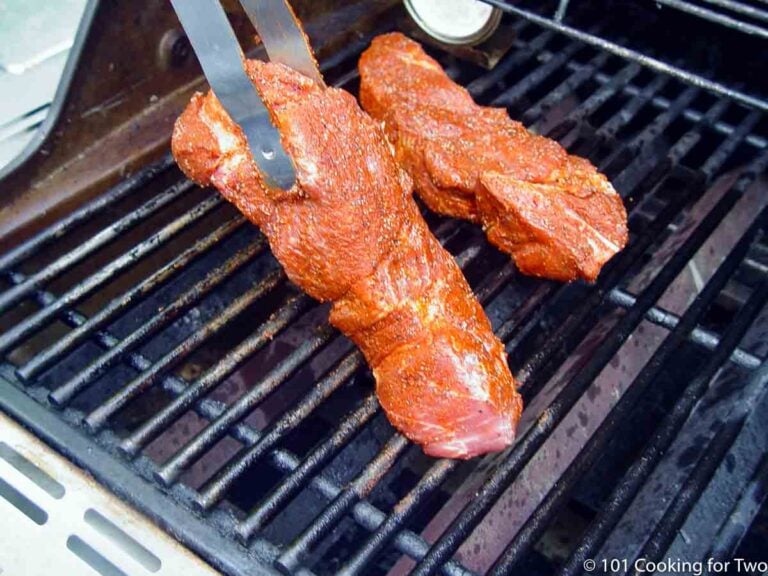
Credit: www.101cookingfortwo.com
Preparing The Grill
Preparing your gas grill properly is key to achieving perfectly slow-cooked ribs. It helps control the temperature and prevents flare-ups that can ruin the meat. Taking the time to get your grill ready will pay off with juicy, tender ribs that fall off the bone.
Cleaning And Maintenance
Before you start cooking, clean your grill grates thoroughly. Leftover grease and food particles can cause uneven heat and unwanted smoke flavors. Use a grill brush to scrub the grates, then wipe them down with a damp cloth.
Check your burners for clogs or rust. Blocked burners reduce heat control, making it harder to maintain a consistent low temperature. If you spot any issues, clean or replace the burners before you begin.
Setting Up For Indirect Heat
Slow cooking ribs requires indirect heat to avoid burning the meat. Turn on only one side of your grill burners, leaving the other side off. This creates a cooler zone where you can place the ribs away from direct flames.
Place a drip pan filled with water under the grill grate on the unlit side. This adds moisture to the cooking environment and catches drippings, reducing flare-ups. Arrange your ribs on the cooler side of the grill and close the lid to maintain steady heat.
Have you experimented with different drip pan liquids, like apple juice or beer? They can add subtle flavors and keep your ribs moist during the slow cook. It’s a simple trick that can elevate your ribs from good to unforgettable.
Seasoning The Ribs
Seasoning your ribs properly sets the stage for mouthwatering results on your gas grill. The right blend of flavors can turn simple ribs into a memorable meal. Before you light the grill, spend some time thinking about how you want to flavor your meat.
Dry Rubs Vs. Marinades
Dry rubs and marinades each bring something different to the table. Dry rubs are easy to apply and create a flavorful crust as the ribs cook slowly. They usually consist of a mix of spices and salt, which helps lock in moisture.
Marinades soak the ribs in a flavorful liquid, adding moisture and tenderizing the meat. They often contain acidic ingredients like vinegar or citrus juice combined with herbs and spices. If you’re short on time, dry rubs are quicker, but marinades can add deeper flavor if you plan ahead.
Think about your schedule and flavor preference. Do you want a quick spice boost or a tender, juicy bite infused with liquid seasoning?
Recommended Spices And Ingredients
Some spices work wonders on ribs, enhancing their natural taste without overpowering. Here’s a quick list of favorites you can mix into your dry rub or marinade:
- Brown sugar:Adds sweetness and helps caramelize the crust.
- Paprika:Gives a smoky flavor without needing a smoker.
- Garlic powder:Brings a savory depth.
- Onion powder:Complements garlic with mild sharpness.
- Black pepper:Adds a subtle heat.
- Cayenne pepper:For a spicy kick, use sparingly.
- Salt:Essential for drawing out moisture and boosting flavor.
Adding herbs like thyme or oregano can give a fresh, earthy note. If you prefer marinades, try mixing soy sauce, apple cider vinegar, and a touch of honey. This combo tenderizes while balancing sweet and tangy flavors.
Have you experimented with any unusual spices that surprised you? Trying new flavors can turn your slow-cooked ribs into a signature dish that everyone remembers.
The Slow Cooking Process
Slow cooking ribs on a gas grill transforms tough meat into tender, flavorful perfection. The key lies in patience and control. You need to create the right environment where ribs can cook evenly without drying out or burning.
Maintaining Low Temperatures
Keeping a steady low temperature, around 225°F to 250°F, is crucial for slow cooking ribs. This allows the collagen in the meat to break down slowly, making the ribs juicy and tender.
Gas grills can be tricky because their burners produce direct heat. To maintain low temperatures, turn on only one or two burners on low and place the ribs on the opposite side. This indirect heat method mimics a smoker’s environment.
Use a grill thermometer to monitor the temperature accurately. Opening the grill frequently causes heat loss, so resist the urge to check too often. Have you tried adjusting burner knobs in small increments? This helps keep the temperature steady without sudden spikes.
Monitoring Cooking Time
Slow cooking ribs usually takes between 3 to 4 hours. But relying solely on time can lead to overcooked or undercooked meat. Instead, focus on how the ribs feel and look.
- The meat should pull back from the bones slightly.
- It should be tender enough that a gentle tug bends it easily.
- Look for a rich, caramelized bark forming on the surface.
Using a meat thermometer can help, but ribs are best judged by texture. Have you noticed how ribs that are just right resist falling apart completely? This balance is what keeps them juicy and satisfying.
Adding Smoke Flavor
Adding smoke flavor to your ribs is what transforms them from simply cooked meat to a truly mouthwatering experience. It’s not just about the smoke itself, but how you introduce it on a gas grill that makes all the difference. You want a steady, gentle smoke that seeps into the ribs over time, enhancing their natural flavors without overpowering them.
Using Wood Chips
Wood chips are your best tool for adding smoke on a gas grill. Soak the chips in water for at least 30 minutes before cooking. This helps them smolder rather than burn, creating a consistent smoke.
Place the soaked chips in a smoker box or wrap them in aluminum foil with holes poked in it. Put this directly on the grill grates or over a burner set to low heat. Keep an eye on the smoke—too much can make your ribs bitter, too little and you miss out on flavor.
Have you tried adjusting the amount of wood chips during cooking? Adding fresh chips every hour can keep the smoke steady and your ribs tasting smoky throughout the slow cook.
Different Types Of Wood
Choosing the right wood is key to matching the flavor profile you want. Some woods offer a strong, bold smoke, while others give a milder, sweeter note.
| Wood Type | Flavor Profile | Best For |
|---|---|---|
| Hickory | Strong, bacon-like smoke | Pork ribs, beef |
| Apple | Mild, sweet, fruity | Pork, poultry |
| Mesquite | Intense, earthy | Short cooks, beef |
| Cherry | Smooth, fruity, slightly sweet | Pork, poultry |
Have you ever thought about mixing wood types? Combining apple and hickory chips can create a balanced flavor that’s both sweet and smoky. Experimenting with different woods can help you discover your perfect rib taste.
Saucing The Ribs
Saucing ribs is a key step to boost their flavor and juiciness. It adds a delicious glaze that enhances each bite. The timing and type of sauce affect the final taste and texture. Proper saucing keeps ribs moist and rich with smoky goodness.
When To Apply Sauce
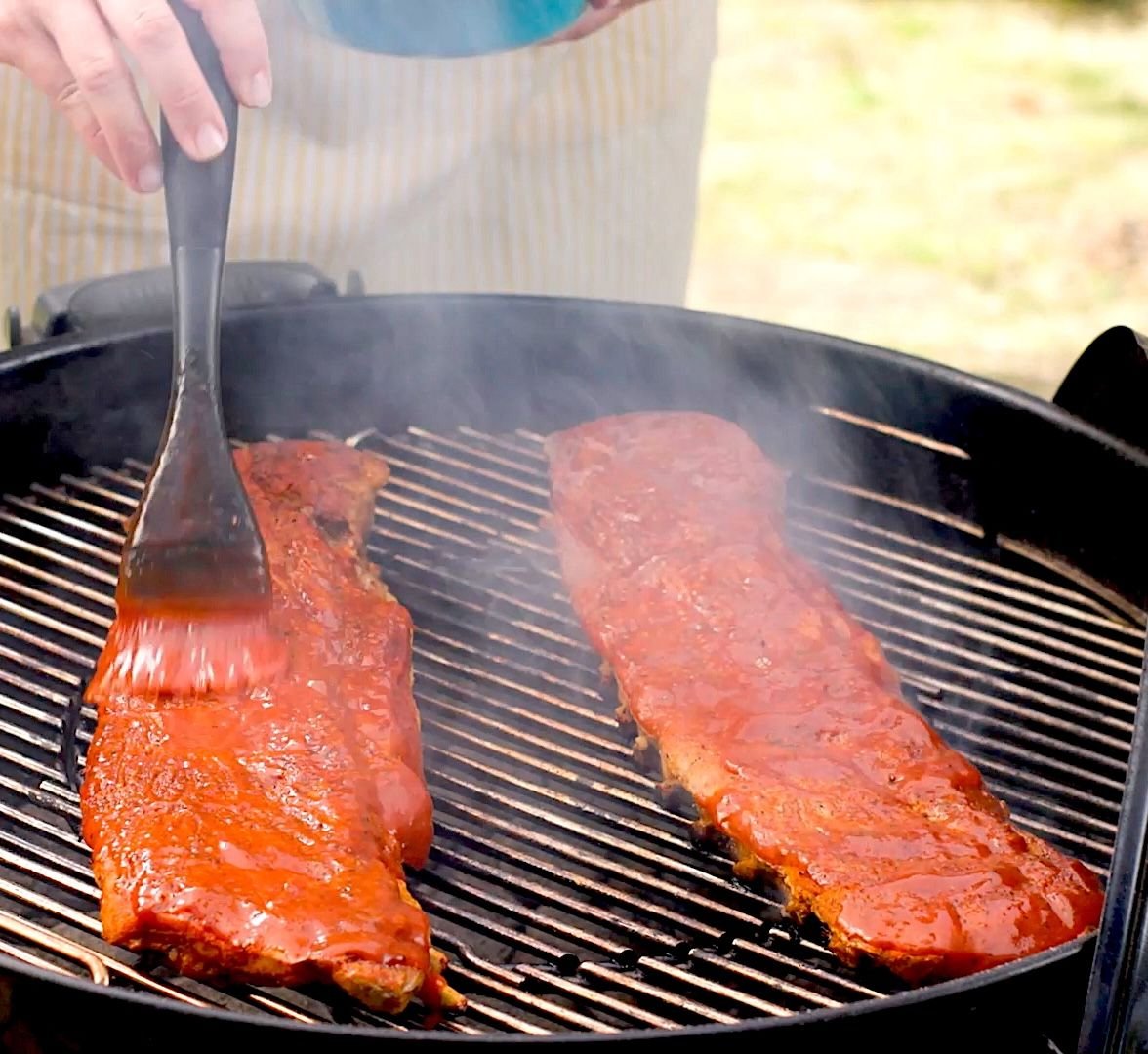
Apply sauce near the end of cooking. This prevents burning the sugars in the sauce. Brush sauce on ribs during the last 20-30 minutes of grilling. Turn ribs gently to coat both sides. Reapply sauce once or twice for a sticky finish. Avoid saucing too early to keep ribs tender.
Homemade Sauce Recipes
Making sauce at home lets you control flavors and sweetness. Here are two simple recipes:
- Classic BBQ Sauce:
- 1 cup ketchup
- 1/4 cup apple cider vinegar
- 2 tbsp brown sugar
- 1 tbsp Worcestershire sauce
- 1 tsp smoked paprika
- Salt and pepper to taste
- Spicy Honey Glaze:
- 1/2 cup honey
- 1/4 cup soy sauce
- 1 tbsp sriracha or hot sauce
- 1 tsp garlic powder
- Juice of half a lemon
Mix ingredients well and brush on ribs during the last grilling phase. Adjust spice and sweetness to your preference.
Checking For Doneness
Knowing when your ribs are perfectly cooked is key to enjoying tender, flavorful meat. Checking for doneness goes beyond just timing; it’s about observing specific signs and using the right tools. Paying close attention here can make the difference between dry ribs and a meal that melts in your mouth.
Signs Of Perfectly Cooked Ribs
Look for these clear signs to know your ribs are done:
- Meat Pulls Back from the Bone:You should see the meat shrinking away from the ends of the bones by about a quarter inch. This indicates the collagen has broken down properly.
- Flexibility:When you pick up the rack with tongs, the ribs should bend easily but not fall apart. A slight jiggle means the connective tissue has softened.
- Surface Texture:The ribs should have a caramelized, slightly crispy bark on the outside. This adds flavor and shows the sugars in your rub or sauce have properly caramelized.
Have you ever pulled ribs off the grill only to find they’re tough or dry? Watching for these signs helps you avoid that common mistake.
Using A Meat Thermometer
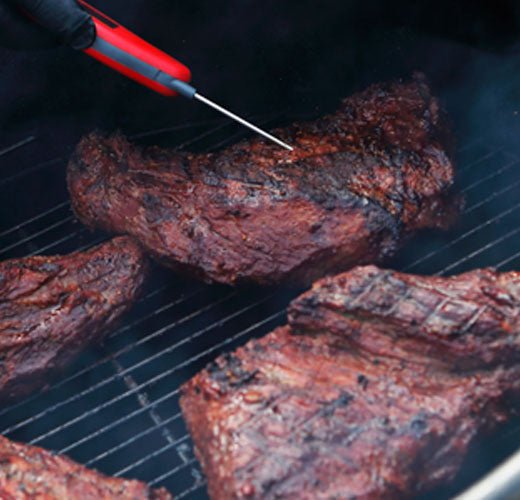
A meat thermometer takes the guesswork out of checking for doneness. Insert it into the thickest part of the meat, avoiding bones.
- Ideal Temperature:Aim for an internal temperature between 190°F and 205°F (88°C to 96°C). This range ensures the collagen has melted, making the ribs tender.
- Accuracy Matters:Digital instant-read thermometers provide fast and reliable readings. Old dial thermometers can lag and cause overcooking.
- Rest After Cooking:Let the ribs rest for 10-15 minutes after removing them from the grill. This allows juices to redistribute, making each bite juicy.
Have you tried relying solely on time and temperature before? Adding a thermometer might change how perfectly you cook ribs forever.

Credit: cheflolaskitchen.com
Resting And Serving
Resting and serving ribs after slow cooking on a gas grill is key to a tasty meal. This step lets the juices settle inside the meat. It also makes the ribs more tender and flavorful. Serving the ribs with care can make a simple meal feel special.
Allowing Ribs To Rest
Take the ribs off the grill and place them on a plate or cutting board. Cover them loosely with foil. Let them rest for 10 to 15 minutes. This pause helps the juices spread through the ribs. Cutting too soon can cause the juices to spill out. Resting keeps the ribs moist and tender.
Presentation Tips
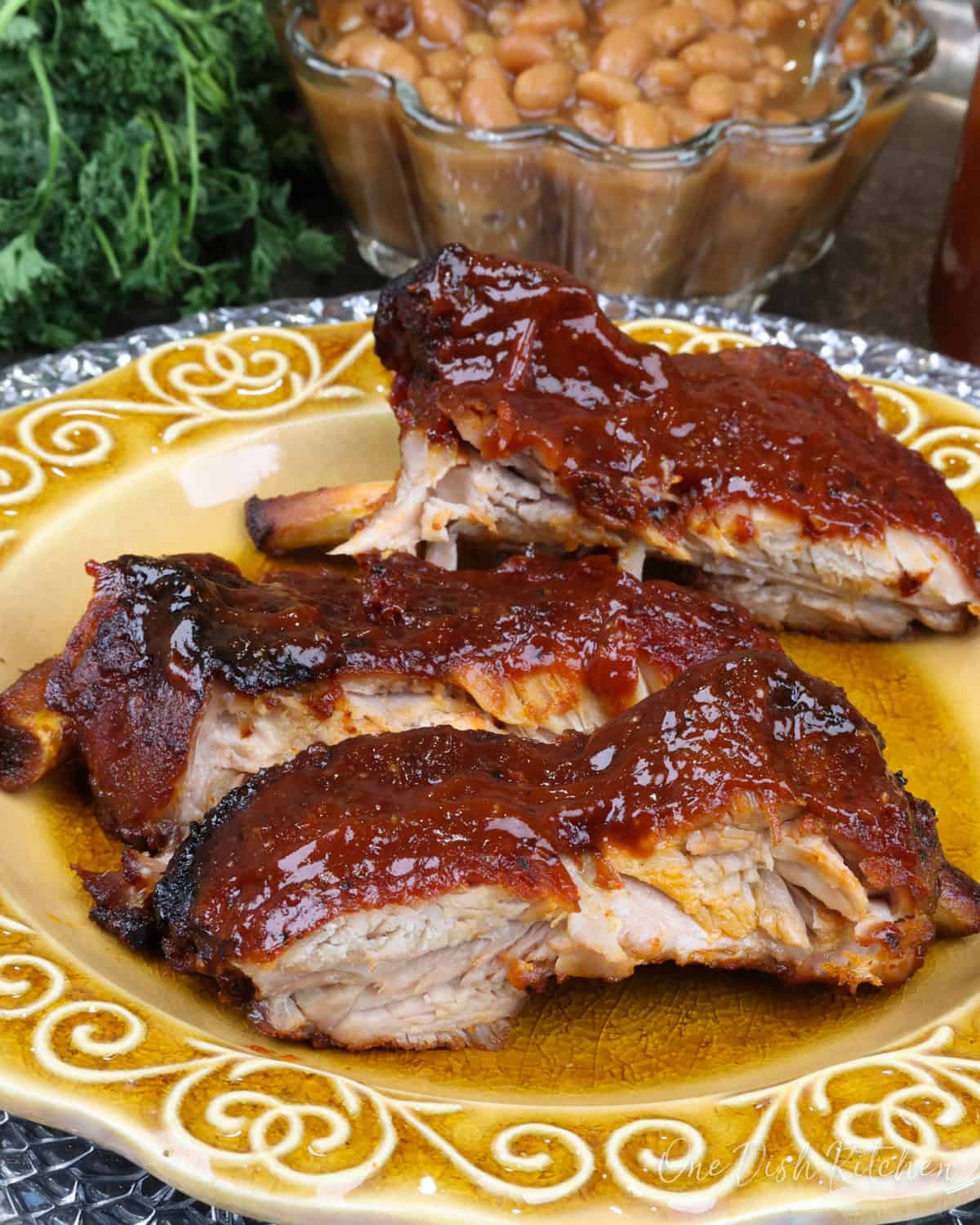
Serve the ribs on a large platter. Arrange them neatly in rows or a fan shape. Garnish with fresh herbs like parsley or cilantro for color. Add lemon or lime wedges on the side for extra zest. Provide wet wipes or napkins for easy cleanup. Presenting ribs well makes the meal inviting and fun.
Credit: onedishkitchen.com
Frequently Asked Questions
How Long Should I Slow Cook Ribs On A Gas Grill?
Slow cook ribs for about 2. 5 to 3 hours on low heat. Maintain a temperature of 225-250°F for tender, juicy ribs. Use indirect heat to avoid burning and ensure even cooking.
What Temperature Is Best For Slow Cooking Ribs?
Aim for a consistent temperature between 225°F and 250°F. This low heat breaks down connective tissue, making ribs tender. Avoid high heat to prevent drying out or burning the meat.
Should I Wrap Ribs While Slow Cooking On A Gas Grill?
Yes, wrapping ribs in foil after 2 hours helps retain moisture. This method, called the “Texas crutch,” speeds up cooking and keeps ribs juicy. Unwrap in the last 30 minutes for a crispy bark.
How Do I Maintain Heat While Slow Cooking Ribs?
Use indirect heat by turning off burners under the ribs. Keep the grill lid closed to trap heat and smoke. Add a water pan to maintain moisture and stabilize temperature.
Conclusion
Slow cooking ribs on a gas grill takes time and patience. Keep the heat low and cook slowly for tender meat. Use a good rub or sauce to add flavor. Check ribs often to avoid burning or drying out. This method makes ribs juicy and full of taste.
Enjoy your meal with friends or family. Try this easy way to cook ribs next time. You will love the results every time.