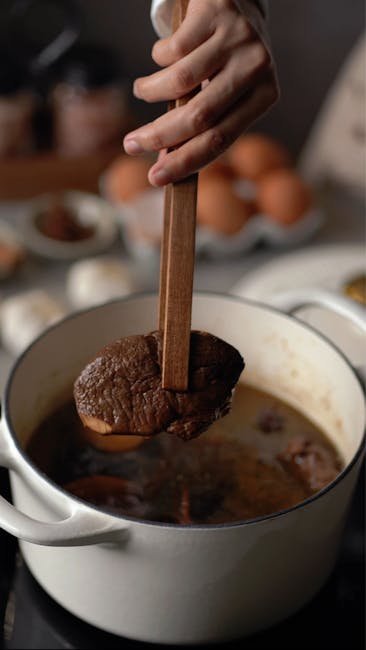
Are you looking for a simple way to make tender, flavorful lamb leg without spending hours in the kitchen? Slow cooking your lamb leg in a slow cooker is the perfect solution.
It’s easy, hands-off, and delivers juicy meat that melts in your mouth. You’ll discover step-by-step tips and secrets to get the best results every time. Keep reading to unlock the full potential of your slow cooker and enjoy a delicious meal that will impress your family and friends.
Choosing The Right Lamb Leg
Choosing the right lamb leg is essential to making your slow-cooked meal truly memorable. The cut you select affects both the flavor and texture after hours in the slow cooker. Not all lamb legs are created equal, so knowing what to look for helps you achieve tender, juicy results every time.
Understanding Different Lamb Leg Cuts
Lamb legs come in several varieties, each with unique qualities. The two main types are the whole leg and the boneless leg. Whole legs often retain more moisture during cooking, while boneless legs are easier to carve and serve.
Look for cuts labeled as “shank end” or “sirloin end.” The shank end is tougher but becomes incredibly tender with slow cooking. The sirloin end is leaner and cooks faster, but may need extra moisture to stay juicy.
Choosing The Right Size And Weight
Consider the number of people you're serving before selecting the size of the lamb leg. A 4 to 6-pound leg is ideal for a family meal and fits comfortably in most slow cookers. Larger legs might require cutting into smaller pieces to ensure even cooking.
Remember, a heavier leg often means more fat, which adds flavor but can also make the dish greasy. If you prefer leaner meat, ask your butcher to trim excess fat before cooking.
What To Look For In Freshness And Quality
Freshness makes a big difference in taste. Pick lamb legs with a firm texture and a bright pink color. Avoid cuts with any dark spots or a strong odor, as these indicate older meat.
Check for marbling—the thin streaks of fat inside the muscle. Good marbling means the meat will stay moist and flavorful during the slow cooking process. Don’t hesitate to ask your butcher for recommendations on the freshest cuts.
How Bone-in Vs. Boneless Affects Cooking
Bone-in lamb legs add extra flavor and help keep the meat moist. The bone conducts heat evenly, which means the meat cooks gently and stays tender. However, boneless legs are quicker to prepare and easier to carve.
If you choose a bone-in leg, make sure it fits well inside your slow cooker. The bone can also act as a natural guide for slicing when serving. Have you tried cooking both types to see which you prefer?

Credit: crave-worthy.com
Essential Ingredients
Choosing the right ingredients is key to making your slow-cooked lamb leg tender and flavorful. The ingredients you select not only enhance the taste but also influence the texture and aroma. Understanding the essential components will help you create a dish that feels like it was made with care and expertise.
Herbs And Spices
Fresh herbs like rosemary and thyme are classic companions for lamb. They add a fragrant, earthy aroma that complements the rich meat perfectly. Don't forget to add a pinch of ground cumin or coriander for a subtle warmth that deepens the flavor profile.
Using garlic and black pepper can elevate the dish without overpowering it. You might want to crush the garlic cloves slightly before adding them to release their oils. Have you tried combining fresh and dried herbs in your slow cooker? It can create a complex taste that surprises your palate.
Vegetables And Broth
Root vegetables such as carrots, onions, and potatoes are more than just sides—they create a flavorful base for the lamb. As they cook slowly, these veggies soak up the meat’s juices, turning into a delicious accompaniment.
A good-quality broth, whether beef or vegetable, keeps the lamb moist and tender during cooking. Adding a splash of red wine or a little tomato paste to the broth can add depth and a slight tanginess that balances the richness.
Optional Additions
Think about adding a few extras to surprise your guests and yourself. Olives or dried apricots can introduce a sweet or salty twist that cuts through the meat’s fattiness. A dash of cinnamon or allspice might sound unusual, but it can add a warm background note that works beautifully.
Have you ever tried tossing in a bay leaf or two? These can subtly enhance the aroma without drawing attention. Experimenting with optional ingredients lets you tailor the dish to your taste and keeps slow cooking exciting every time you make it.
Preparing The Lamb Leg
Preparing the lamb leg properly sets the foundation for a delicious slow-cooked meal. Taking time to clean and marinate the meat can dramatically enhance its flavor and tenderness. Are you ready to transform a simple cut of lamb into a melt-in-your-mouth dish?
Trimming And Cleaning
Start by removing any excess fat and silver skin from the lamb leg. Too much fat can make the dish greasy, while silver skin prevents seasonings from penetrating the meat.
Use a sharp knife to carefully trim these parts away. Rinse the lamb under cold water and pat it dry with paper towels to ensure a clean surface for seasoning.
Marinating Techniques
Marinating is your secret weapon for infusing flavor deep into the lamb. You can use a simple mixture of olive oil, garlic, rosemary, salt, and pepper for a classic taste.
Try marinating the meat for at least 4 hours or overnight in the fridge to allow the flavors to fully develop. Have you experimented with adding yogurt or lemon juice to your marinades? These ingredients help tenderize the lamb while adding a subtle tang.
Setting Up The Slow Cooker
Setting up the slow cooker properly is key to a delicious lamb leg. The right temperature and timing ensure the meat becomes tender and flavorful. Preparing the slow cooker correctly saves time and effort later.
Before placing the lamb leg inside, check the slow cooker’s size. The lamb should fit comfortably without touching the lid. Add a small amount of liquid to keep the meat moist during cooking. This helps prevent drying out and enhances flavor.
Selecting The Cooking Temperature
Most slow cookers have low and high heat settings. Low heat cooks the lamb gently over many hours. High heat cooks faster but can dry the meat if left too long. For lamb leg, low heat is best for tender results.
Use low temperature for 8 to 10 hours. High temperature suits 4 to 6 hours but requires more attention. This choice depends on your schedule and how much time you have.
Timing For Perfect Tenderness
Cooking time affects the texture of the lamb leg. Too short, and the meat will be tough. Too long, and it may fall apart too much. Aim for a balance that makes the lamb easy to cut and juicy.
Check the lamb after the minimum cooking time. Test with a fork. If it slides in easily, the lamb is ready. If not, cook a little longer, checking every 30 minutes.
Flavor Enhancements
Enhancing the flavor of your slow-cooked lamb leg is key to creating a dish that excites your taste buds. The slow cooker does a great job of tenderizing meat, but adding the right ingredients can elevate the overall experience. Think about the aromas and liquids you add as your secret weapons to deepen the flavor profile.
Infusing With Aromatics
Aromatics like garlic, onions, rosemary, and thyme work wonders in a slow cooker. They slowly release their oils and scents, soaking into the lamb and surrounding juices.
Try chopping fresh garlic cloves and tossing in a few sprigs of rosemary before you start cooking. The slow heat will mellow their sharpness and add a warm, earthy note that you can’t get from dried spices alone.
Have you ever noticed how the smell of these aromatics fills your kitchen hours before the meal is ready? That’s the magic of infusing flavors early on.
Using Wine Or Stock
Adding liquid isn’t just about preventing dryness; it’s about building layers of flavor. Red wine and rich stock are excellent choices for slow-cooked lamb leg.
A splash of red wine adds acidity and complexity, balancing the meat’s richness. If you prefer stock, opt for beef or vegetable stock to add depth without overpowering the lamb’s natural taste.
Consider how these liquids interact with the aromatics. Together, they create a flavorful base that the lamb slowly absorbs, making every bite juicy and tender.
Monitoring The Cooking Process
Monitoring the cooking process of lamb leg in your slow cooker is essential to achieve tender, flavorful results. It’s not just about setting the timer and walking away. Paying attention to key moments during cooking lets you make small adjustments that can transform your meal.
Checking For Doneness
Knowing when your lamb leg is perfectly cooked can be tricky. Use a meat thermometer to check the internal temperature—it should reach about 145°F (63°C) for medium-rare, or 160°F (71°C) if you prefer it more well done.
If you don’t have a thermometer, gently pierce the meat with a fork. The lamb should feel tender and easy to pull apart, not tough or rubbery.
Keep in mind that slow cookers vary in heat distribution, so it’s smart to start checking about 30 minutes before the expected finish time. This helps you avoid overcooking and drying out the meat.
Adjusting Seasonings
Slow cooking intensifies flavors, but it can also mellow spices. Taste the cooking liquid or sauce midway through the process to see if it needs more salt, pepper, or herbs.
If the seasoning feels flat, add small amounts and stir gently. You can also add fresh herbs like rosemary or thyme in the last hour to boost aroma without overpowering the dish.
Remember, you can always add more seasoning later, but you can’t remove it once it’s in. So, adjust slowly and keep tasting. What flavor do you want to highlight in your lamb dish?
Serving Suggestions
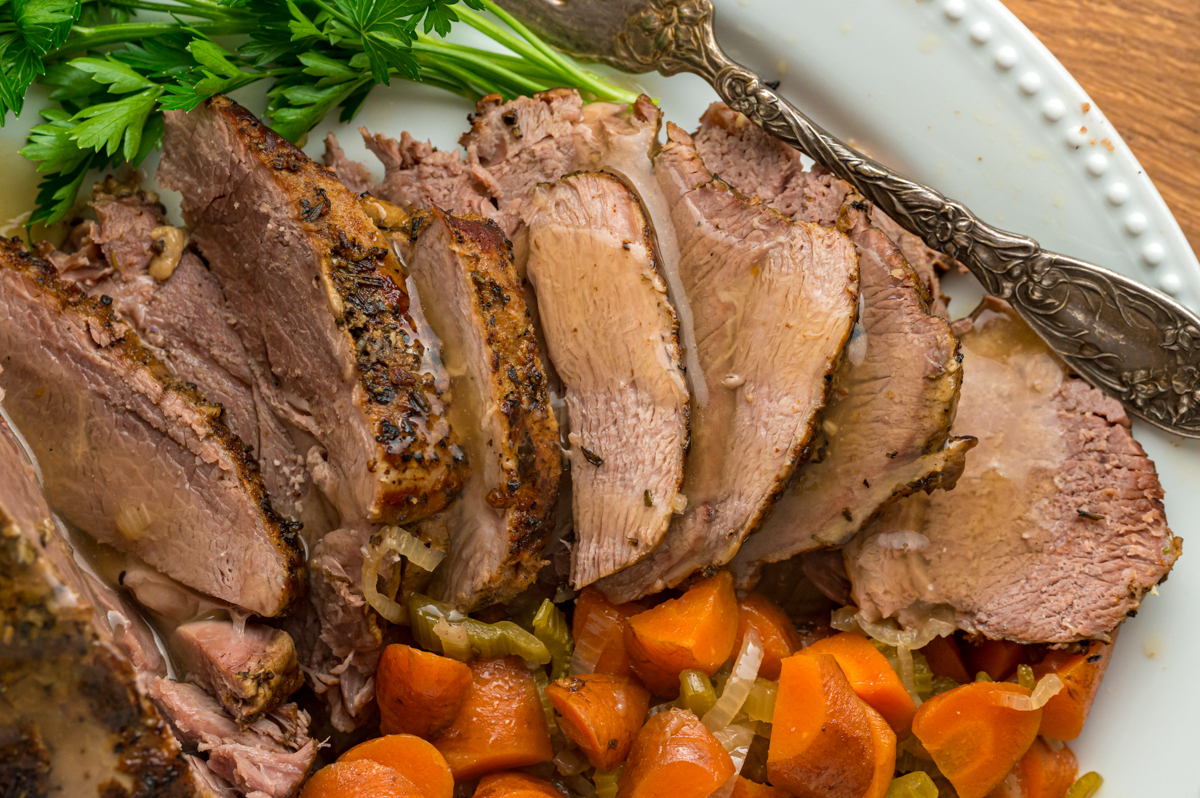
Serving slow-cooked lamb leg is a chance to create a memorable meal. The rich, tender meat pairs well with many flavors and textures. Present the lamb with thoughtful sides and fresh garnishes to enhance every bite. Here are some simple ideas to complete your plate.
Pairing With Side Dishes
- Roasted vegetables such as carrots, potatoes, and parsnips add sweetness and earthiness.
- Mashed potatoes offer a creamy, comforting base for the lamb’s juices.
- Steamed green beans or asparagus bring a fresh, crisp contrast.
- Couscous or rice pilaf soak up the flavorful cooking sauce.
- A fresh garden salad balances the richness with light, tangy notes.
Garnishing Ideas
- Sprinkle chopped fresh rosemary or thyme for an aromatic touch.
- Add a few pomegranate seeds for color and a burst of tartness.
- Drizzle with a little olive oil or a squeeze of lemon juice to brighten flavors.
- Top with toasted pine nuts or slivered almonds for crunch.
- Serve with a side of mint yogurt sauce for a cool, creamy contrast.
Credit: www.themagicalslowcooker.com
Storing And Reheating Leftovers
Storing and reheating leftover slow-cooked lamb leg properly keeps its flavor and texture intact. Handling leftovers with care helps avoid waste and ensures safe eating. Follow these tips to enjoy your lamb again without losing quality.
Best Practices For Storage
- Allow the lamb to cool to room temperature before storing.
- Cut the meat into smaller portions for easier reheating.
- Use airtight containers or resealable bags to keep the lamb fresh.
- Label containers with the date to track freshness.
- Store leftovers in the refrigerator for up to 3-4 days.
- For longer storage, freeze lamb for up to 3 months.
Reheating Techniques
- Thaw frozen lamb in the refrigerator overnight.
- Reheat gently to avoid drying the meat.
- Use a microwave on medium power, covering the lamb to keep moisture.
- Alternatively, warm lamb in an oven at 325°F (160°C) wrapped in foil.
- Add a splash of broth or water to keep meat juicy.
- Stir or turn the meat halfway through reheating for even warmth.
- Check that the lamb is heated thoroughly before serving.

Credit: greatcurryrecipes.net
Frequently Asked Questions
How Long Does It Take To Slow Cook Lamb Leg?
Slow cooking a lamb leg typically takes 6 to 8 hours on low heat. This slow process tenderizes the meat perfectly, making it juicy and flavorful.
What Temperature Should A Slow Cooker Be For Lamb?
Set your slow cooker to low, around 190°F to 200°F (88°C to 93°C). This temperature ensures even cooking and tender meat without drying it out.
Can I Cook Frozen Lamb Leg In A Slow Cooker?
It is not recommended to cook frozen lamb leg directly in a slow cooker. Thaw the meat first to ensure even cooking and prevent food safety risks.
What Seasonings Work Best For Slow-cooked Lamb Leg?
Common seasonings include garlic, rosemary, thyme, salt, and pepper. These herbs enhance the lamb’s natural flavor during slow cooking.
Conclusion
Slow cooking lamb leg brings out rich, tender flavors. The slow cooker makes cooking easy and hands-free. You only need simple ingredients and patience. This method saves time and keeps the meat juicy. Serve with your favorite sides for a hearty meal.
Enjoy the comforting taste of slow-cooked lamb. Try this recipe to enjoy a delicious dinner. Cooking lamb leg slowly is worth the wait.