
Is your serrated bread knife struggling to slice through your favorite loaf? A dull serrated knife can make cutting bread frustrating and messy.
But don’t worry—you can bring back its sharp edge with the right technique. In this guide, you’ll learn simple, effective steps to sharpen your serrated bread knife at home. Keep reading to make every slice smooth and effortless again.
Choosing The Right Tools
Choosing the right tools is key to sharpening a serrated bread knife effectively. Using proper tools ensures the blade stays sharp without damage. It also makes the process safer and more precise. The right equipment helps maintain the knife’s unique edges.
Types Of Sharpeners For Serrated Knives
- Sharpening Rods:These come in ceramic or diamond-coated versions. They fit well into serrations for targeted sharpening.
- Electric Sharpeners:Some models have special slots for serrated blades. They offer quick and consistent results.
- Manual Sharpeners:Handheld devices designed with grooves to match serrations. They give control during sharpening.
- Sharpening Stones:Fine grit stones can be used carefully on serrations. They require skill but offer precision.
Essential Accessories For Safety And Precision
- Cut-Resistant Gloves:Protect your hands from slips and cuts during sharpening.
- Clamp or Vise:Holds the knife steady for better control and accuracy.
- Magnifying Glass:Helps inspect serrations closely for even sharpening.
- Cleaning Brush:Removes metal filings and debris after sharpening.

Credit: www.amazon.com
Preparing Your Knife
Preparing your serrated bread knife correctly sets the stage for effective sharpening. A clean and stable blade allows you to work precisely and safely. Before sharpening, take time to get your knife ready. This step helps protect the blade and ensures the sharpening process is smooth.
Cleaning And Inspecting The Blade
Start by washing the knife with warm water and mild soap. Remove all crumbs and grease from the serrated edges. Dry the blade thoroughly with a soft cloth. Check the teeth closely for any damage or rust spots. Look for bent or chipped serrations that may need special care. A clean, inspected blade sharpens more evenly and lasts longer.
Securing The Knife For Sharpening
Find a stable surface to work on, like a kitchen counter or table. Use a non-slip mat or towel to keep the knife steady. Hold the handle firmly or clamp the knife in a vise if available. Make sure the blade is secure but not bent. Keeping the knife steady reduces the risk of slips and uneven sharpening. A well-fixed knife lets you focus on each serration with control.
Sharpening Techniques
Sharpening a serrated bread knife requires careful attention to preserve its unique teeth. Each tooth needs individual care for smooth, precise cuts. Follow these techniques to keep your serrated knife sharp and ready.
Using A Ceramic Rod For Each Serration
A ceramic rod fits perfectly in each serration. Use a rod smaller than the serration’s width for best results. Slide the rod gently in and out along the curve of each tooth. Repeat this motion a few times to sharpen effectively. This method helps maintain the knife’s cutting power without damaging the teeth.
Maintaining The Original Angle
Keeping the original angle is key to effective sharpening. Most serrated knives have a 15 to 20-degree bevel angle. Match this angle while sharpening to avoid changing the blade shape. Hold the ceramic rod or sharpener at this angle for consistent results. Proper angle maintenance ensures sharp, long-lasting edges.
Working On The Beveled Edge
The beveled edge is the main cutting surface of the knife. Focus sharpening efforts on this edge only. Use slow, controlled strokes along the bevel with the ceramic rod. Avoid sharpening the flat side to protect the knife’s integrity. This careful work restores sharpness and keeps the knife’s design intact.

Credit: www.youtube.com
Testing Sharpness
Test the sharpness by gently slicing through a piece of paper or bread. A sharp serrated knife cuts smoothly without tearing. If it struggles, sharpening is needed to restore clean cuts.
Testing the sharpness of your serrated bread knife is a crucial step in maintaining its effectiveness. After sharpening, it's important to confirm whether the blade can slice through bread effortlessly or if it still requires improvement. Testing not only ensures you have achieved the desired sharpness but also helps you fine-tune your sharpening technique for future attempts.
Simple Cutting Tests
A straightforward way to test the sharpness of your serrated bread knife is by conducting a few simple cutting tests. Try slicing through a ripe tomato or a piece of paper; a sharp knife should glide through without much resistance. Alternatively, grab a loaf of bread and notice how easily the knife cuts through it. If the knife crushes the bread instead of slicing cleanly, it may need further sharpening.
Adjusting Technique Based On Results
If your knife isn't performing as expected, don't worry. Adjusting your sharpening technique can make a significant difference. Consider using finer grit when sharpening or increasing the number of strokes on each serration. Are you using consistent pressure? Inconsistent pressure can lead to uneven sharpness along the blade. A few small adjustments can transform a dull knife into an efficient tool, making your bread slicing experience seamless.
Maintenance Tips
Maintaining your serrated bread knife is key to keeping it sharp and effective. Regular care prevents the blade from dulling quickly and saves you from the hassle of frequent sharpening. You can extend the life of your knife with simple habits that fit easily into your kitchen routine.
Regular Honing Schedule
Honing your serrated knife regularly helps maintain its edge between sharpenings. Unlike straight-edged knives, serrated blades need a gentle touch with a honing rod or a specially designed sharpening tool for serrations.
Try to hone your knife every few uses. This keeps the teeth aligned and ready to cut through crusty bread without crushing it. If you notice the knife slipping or struggling, it’s a sign you should sharpen it soon.
Do you keep track of when you last honed your knife? Setting a reminder can help you stay consistent and avoid unexpected dullness.
Proper Storage Practices
How you store your serrated knife affects its sharpness and safety. Tossing it loosely into a drawer can damage the blade and put your fingers at risk.
Use a knife block, magnetic strip, or blade guard to protect the serrated edges. These options prevent the teeth from knocking against other utensils, which dulls the blade faster.
Also, make sure your knife is dry before storing it. Moisture can lead to rust spots that ruin the sharpness and weaken the metal over time.
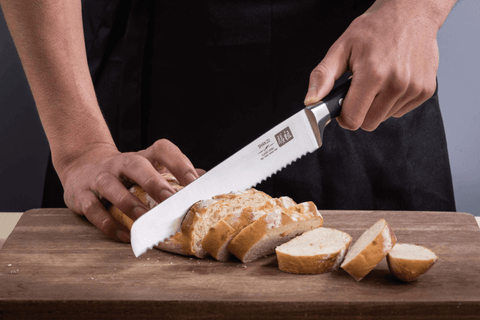
Credit: www.shanzuchef.com
Frequently Asked Questions
How Do You Sharpen A Serrated Bread Knife?
Sharpen using a tapered diamond rod or ceramic sharpening rod. Match the rod size to each serration. Gently work the rod inside each scallop, maintaining the angle. Avoid sharpening the flat side to preserve the blade’s edge.
Can I Use A Regular Sharpener For Serrated Knives?
No, regular sharpeners are not suitable for serrated knives. Serrations require individual sharpening to maintain their unique edge. Using a standard sharpener can damage the blade or dull the serrations quickly.
How Often Should I Sharpen My Serrated Bread Knife?
Sharpen serrated knives every 6 to 12 months, depending on use. Frequent use may require more frequent sharpening. Regular honing helps maintain the edge between sharpenings.
What Tools Are Best For Sharpening Serrated Knives?
Tapered diamond rods, ceramic rods, or specialized serrated knife sharpeners are ideal. These tools fit the scalloped edges and sharpen each serration precisely without damaging the blade.
Conclusion
Sharpening a serrated bread knife keeps it cutting well and safe. Use the right tools and take your time with each tooth. Regular care helps the knife last longer and work better. Small steps make a big difference in your kitchen tasks.
Try sharpening your knife today for better bread slicing tomorrow. Keep your knife sharp, and enjoy fresh, clean cuts every time.


