Is your knife feeling dull but you don’t have a sharpener handy? You’re not alone, and the good news is you don’t need fancy tools to bring back that razor-sharp edge.
Imagine slicing through your food effortlessly, making cooking faster and safer. You’ll discover simple, effective ways to sharpen your knife using items you already have at home. Keep reading, and you’ll learn easy tricks that save you time and frustration every time you pick up a blade.

Credit: www.youtube.com
Tools You Can Use Instead
Sharpening a knife without a sharpener is possible using common household items. These tools can help restore your knife's edge quickly. They work by gently grinding or honing the blade to make it sharper. Knowing how to use these alternatives saves time and money. Here are some practical tools you can use instead of a knife sharpener.
Using A Ceramic Mug
A ceramic mug can act as a makeshift sharpening tool. Turn the mug upside down and find the rough, unglazed ring on the bottom. This part is abrasive enough to sharpen a knife blade. Hold the knife at a slight angle, about 15 to 20 degrees, against the mug's edge. Gently slide the blade across the ceramic ring in one direction. Repeat this motion several times on each side of the blade. The ceramic surface removes small metal bits, creating a sharper edge.
Sharpening With Sandpaper
Sandpaper is another good option for sharpening knives. Use fine-grit sandpaper, around 600 to 1000 grit, for best results. Lay the sandpaper on a flat surface, like a table or countertop. Hold the knife at a steady angle and move the blade across the sandpaper gently. Use smooth, even strokes, keeping the angle consistent. Flip the blade and repeat on the other side. Sandpaper wears down the dull parts of the blade to restore its sharpness.
Using A Leather Belt
A leather belt can help hone a dull knife blade. Leather has a slight abrasive quality that polishes the edge. Secure the belt to keep it tight and flat. Hold the knife at a low angle and drag the blade along the leather, away from the edge. This action smooths out tiny rough spots and realigns the edge. Repeat on both sides of the blade several times. The leather belt gives the knife a cleaner, sharper finish.

Credit: www.youtube.com
Step-by-step Sharpening Process
Sharpening a knife without a sharpener requires patience and the right technique. Follow a clear process to restore your blade’s edge safely. This guide breaks down the sharpening into simple steps anyone can follow at home.
Preparing The Surface
Choose a flat, sturdy surface to work on. Use a ceramic mug or a smooth piece of glass for best results. Clean the surface and the knife blade before starting. This prevents any dirt from scratching or damaging the edge.
Place the mug upside down or the glass on a non-slip mat. This keeps it stable while sharpening. Make sure your hands are dry for a firm grip on the knife.
Correct Angle For Sharpening
Hold the knife at a consistent angle to the surface. Aim for about 20 degrees. This angle helps create a sharp and durable edge.
Use your hand or a small guide to keep the angle steady. Avoid changing it during the strokes. A steady angle sharpens the blade evenly.
Consistent Stroke Technique
Start by placing the blade’s edge on the surface. Slide the knife forward, moving from the base to the tip. Use light to moderate pressure for smooth strokes.
Sharpen one side first, then switch to the other side. Repeat each side evenly to balance the edge. Use around 10 to 15 strokes per side.
Check the blade’s sharpness by carefully feeling the edge with your thumb. Stop sharpening once the knife cuts cleanly through paper or soft food.
Alternative Household Items
Finding yourself without a proper knife sharpener can be frustrating, especially when your blade is dull and you need it sharp fast. Luckily, everyday household items can step in to help. These alternatives might surprise you with how effective they are, and they’re often right within arm’s reach.
Using A Stone Or Rock
Have you ever noticed how some stones have a smooth, flat surface? These can work well for sharpening a knife. Look for a flat stone with a fine texture — river rocks are a good choice.
Hold the knife at about a 20-degree angle and gently drag the blade across the stone in one direction. Repeat this motion evenly on both sides. It takes a bit of patience, but you’ll feel the edge becoming sharper with every stroke.
Sharpening With A Car Window
Next time you’re stuck without a sharpener, try the edge of your car window. The glass edge is surprisingly hard and smooth, perfect for honing your blade.
Roll down the window a little to expose the edge and hold your knife at a consistent angle. Glide the blade along the glass edge just like you would with a sharpening stone. This trick saved me during a camping trip when I forgot my sharpener, and my knife was back in action within minutes.
Using A Concrete Surface
Concrete might seem rough, but a smooth, flat concrete surface can double as a sharpening tool. Sidewalks or driveways often have patches that are worn and smooth enough for this purpose.
Make sure the concrete is clean and dry. Drag the knife blade across it, keeping your angle steady. It’s not the gentlest method, so be careful not to damage your blade, but it works well in a pinch.
Safety Tips During Sharpening
Hold the knife firmly and keep your fingers away from the sharpening edge. Use slow, steady strokes to avoid slips. Always sharpen on a stable surface to maintain control and prevent accidents.
When you're trying to sharpen a knife without a knife sharpener, it's crucial to prioritize safety. Many people overlook this, thinking it's just a quick task. But remember, a sharp knife is safer than a dull one, yet the process of sharpening can be risky. Whether you're using a coffee mug, a leather belt, or a stone from your backyard, ensuring your safety is paramount. How can you make sure that you stay safe while achieving a razor-sharp edge?
Protecting Your Hands
Your hands are your most valuable tools. Always keep a firm grip on the knife handle, and never let your fingers wander near the blade. Wearing cut-resistant gloves can provide an extra layer of protection. It's easy to think you won't slip, but accidents happen. Position your fingers away from the edge, and maintain a consistent angle to avoid unexpected slips. If possible, use a towel or cloth to stabilize the object you're using to sharpen. This can prevent it from moving unexpectedly.
Working In A Safe Environment
Choose a well-lit area to work in. Good lighting helps you maintain better control and precision. A cluttered workspace can lead to distractions and accidents. Ensure the surface you're working on is stable and non-slip. A sturdy table or countertop can prevent unnecessary movement that could cause injury. Keep your sharpening tools and knife away from the edge of the surface. If they fall, they can cause damage or injury. Remember, safety is about preparation and vigilance. Are you ready to sharpen with care?
Maintenance To Keep Knives Sharp
Maintaining your knives sharp is key to safe and effective cutting. Regular care helps keep the edge in good shape. Sharp knives reduce effort and improve cooking results. Simple habits can extend the life of your blades and avoid frequent sharpening.
Regular Honing
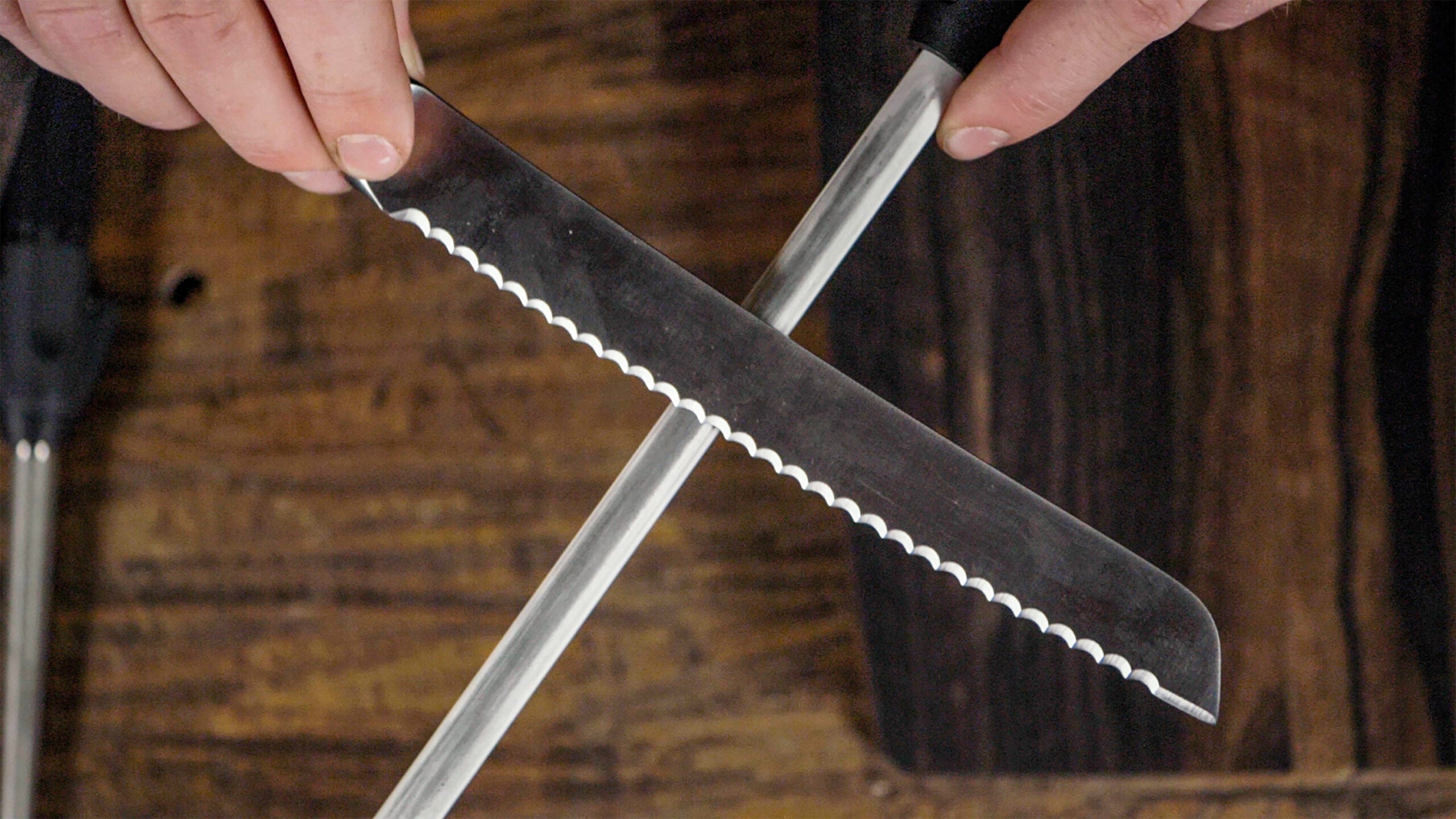
Honing realigns the knife’s edge without removing metal. Use a honing steel or a smooth ceramic rod. Hold the rod vertically and swipe the blade at a 20-degree angle. Repeat on both sides about 5 to 10 times. Honing keeps the blade straight and sharp between sharpenings.
Proper Storage
Store knives safely to protect their edges. Avoid tossing them in drawers with other utensils. Use a knife block, magnetic strip, or blade guards. These options prevent blades from hitting hard surfaces. Proper storage keeps knives sharp and reduces accidents.
Cleaning Tips
Clean knives carefully to prevent damage. Hand wash with warm water and mild soap. Avoid soaking knives for long periods. Dry immediately with a soft cloth to stop rust and corrosion. Skip the dishwasher; it dulls blades quickly.
Credit: worksharptools.com
Frequently Asked Questions
How Can I Sharpen A Knife Without A Sharpener?
You can use household items like a ceramic mug, whetstone, or sandpaper to sharpen a knife effectively. These methods help realign or remove metal from the blade edge. Always maintain a consistent angle while sharpening for the best results.
What Household Items Work As Knife Sharpeners?
Common household items like ceramic mugs, smooth stones, or leather belts work well. The rough bottom of a mug or a whetstone can restore sharpness. These alternatives are safe and convenient when no knife sharpener is available.
Is It Safe To Sharpen Knives Without Professional Tools?
Yes, it is safe if you follow proper techniques and handle the blade carefully. Use steady, controlled movements and maintain a consistent angle. Practice caution to avoid injuries and damage to the knife edge.
How Often Should I Sharpen My Knife Without A Sharpener?
Sharpen your knife whenever it feels dull or struggles to cut smoothly. For regular users, sharpening every few weeks is ideal. Frequent honing with a steel rod can also help maintain sharpness between sharpenings.
Conclusion
Sharpening a knife without a sharpener is possible and simple. Use common household items like a ceramic mug or a piece of sandpaper. Take your time and be careful while sharpening. A sharp knife makes cooking easier and safer. Practice these steps regularly to keep your blades in good shape.
You don’t need fancy tools to maintain your knives. Just a little effort and patience can bring back a sharp edge. Keep your kitchen tools ready for any meal with these easy tips.