
Have you ever wanted a simple, stylish way to keep your bread fresh longer? Making your own bread bag is easier than you think—and it saves money while cutting down on plastic waste.
Imagine reaching for your favorite loaf, wrapped neatly in a reusable bag you made yourself. In this guide, you’ll learn step-by-step how to sew a bread bag that fits your needs perfectly. Ready to turn fabric into a handy kitchen essential?
Let’s get started!
Materials Needed
Gathering the right materials sets a strong base for sewing a bread bag. Choosing suitable fabrics and tools ensures your project goes smoothly. Prepare everything before you start sewing.
Fabric Choices
- Use cotton or linen for breathability.
- Pick a medium-weight fabric for durability.
- Consider natural fibers to keep bread fresh.
- Avoid synthetic fabrics that trap moisture.
- Pre-wash fabric to prevent shrinkage later.
Sewing Tools
- A sewing machine speeds up the process.
- Sharp scissors for clean fabric cuts.
- Pins or clips to hold fabric pieces together.
- Measuring tape or ruler for accuracy.
- Needles suited to your fabric’s thickness.
Additional Supplies
- Thread matching your fabric color.
- A drawstring or ribbon for bag closure.
- Iron to press seams flat.
- Chalk or fabric marker for marking.
- Optional lining fabric for extra strength.
Credit: faithandfabricdesign.com
Preparing The Fabric
Preparing the fabric is a crucial first step in sewing a bread bag. This phase sets the foundation for how your final product will look and function. Taking the time to measure and cut accurately will save you from frustration and wasted materials later on.
Measuring And Cutting
Start by choosing a fabric that is breathable yet durable, like cotton or linen. Lay your fabric flat on a clean surface to avoid any wrinkles affecting your measurements.
Use a measuring tape or ruler to measure the dimensions needed for your bread bag. Typically, a good size is around 15 inches wide by 18 inches tall, but you can adjust this based on your loaf.
Mark your measurements lightly with a fabric pencil or tailor’s chalk. Cut carefully along the marked lines with sharp fabric scissors to ensure clean edges that won’t fray excessively.
Marking Seam Allowances
Once your fabric pieces are cut, add seam allowances before sewing. A standard seam allowance is about ½ inch, which provides enough space to sew securely without making the bag bulky.
Mark the seam allowances clearly using your fabric pencil or chalk. This step helps guide your stitches and keeps your seams even and neat.
Have you ever stitched without marking allowances and ended up with an uneven bag? Taking these small extra steps makes a big difference in the final look and durability of your bread bag.
Sewing The Main Body
Sewing the main body of a bread bag shapes the foundation of your project. This part involves joining the fabric pieces and forming the bag's structure. Focus on neat, straight seams to ensure durability and a clean look. Use a sewing machine for even stitching and stronger seams.
Choose a thread color that matches your fabric. Pin the fabric pieces together to keep them aligned while sewing. Keep your stitches tight but not too close to the edge to avoid fraying.
Stitching The Sides
Start by placing the fabric pieces right sides together. Align the edges carefully to prevent uneven seams. Sew along the side edges using a straight stitch.
- Maintain a consistent seam allowance, about ½ inch.
- Backstitch at the start and end to secure the seams.
- Remove pins as you sew to avoid breaking your needle.
Press the side seams open with an iron for a flat finish. This step helps the bag hold its shape better.
Creating The Bottom
Next, form the bottom by folding the fabric to shape a flat base. Pin the bottom edges together, matching corners precisely.
- Sew across the bottom edge with a straight stitch.
- Leave a small gap if you plan to turn the bag inside out later.
- Trim the seam allowances to reduce bulk.
Press the bottom seam flat. This helps the bag sit upright and look neat.
Adding The Drawstring
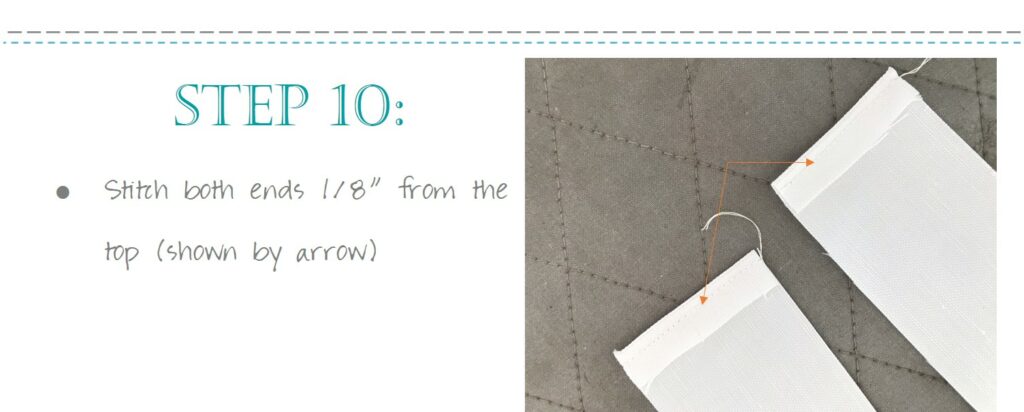
Sew a casing at the top edge of the bag to hold the drawstring. Thread the string through the casing using a safety pin. Pull the ends to close the bag tightly.
Adding a drawstring to your bread bag is a vital step. It keeps your bread fresh and makes it easy to open and close. The drawstring adds a charming touch to your handmade creation. Follow these steps to complete your bread bag with a neat drawstring.
Making The Casing
First, fold the top edge of the bag to create a casing. Ensure the fold is wide enough for the drawstring to slide through. Usually, a one-inch fold works well. Pin the fold in place to keep it steady. Use a sewing machine to stitch along the edge. Leave a small gap for the drawstring. This gap should be about two inches wide. It is crucial for inserting the drawstring later.
Inserting The Drawstring
Choose a sturdy cord or ribbon for your drawstring. Measure it to be at least twice the width of the bag. This ensures you have enough length to pull and tie. Attach a safety pin to one end of the drawstring. This makes threading it through the casing easier. Insert the pin into the gap and guide it all the way around. Once the drawstring is fully threaded, remove the pin. Pull the ends of the drawstring to gather the fabric. Tie a knot at each end of the drawstring to prevent fraying. Your bread bag is now ready to use!
Finishing Touches
Finishing touches are what transform your bread bag from a simple sewing project into a polished, durable item you'll be proud to use. Paying attention to these final details not only improves the look but also extends the life of your bag. Small steps like trimming threads and pressing seams can make a big difference in the overall quality.
Trimming Threads
After sewing, stray threads often stick out and can make your bread bag look messy. Take a sharp pair of scissors and carefully trim any loose ends close to the fabric without cutting the stitches.
Don’t rush this step. Snipping tiny threads cleanly shows you care about your work. It also prevents threads from catching or unraveling later.
Have you noticed how a neat finish makes your handmade items look more professional? That’s exactly the impact trimming threads has on your bread bag.
Pressing Seams
Pressing your seams flat with an iron is crucial for a crisp, structured bread bag. Use a medium heat setting and press gently to avoid damaging your fabric.
Pressing helps the bag keep its shape and makes sewing the next steps easier. It also creates clean lines that give your bag a tidy appearance.
Try pressing seams open or to one side depending on the pattern instructions. You might be surprised how much this simple step improves your finished product.

Credit: www.sharonhollanddesigns.com
Styling Ideas
Styling your bread bag makes it unique and fun. Choosing the right look can brighten up your kitchen. Small details change a simple bag into a charming accessory. Think about colors, patterns, and small decorations that match your taste.
Fabric Patterns
Pick fabric with patterns that show your style. Floral prints give a soft, cozy feel. Stripes or checks add a classic, neat look. Bright colors bring energy and cheer to your kitchen. Natural tones create a calm, earthy vibe. Mix and match fabrics for a playful design. Cotton and linen fabrics work best for durability and breathability.
Personalized Embellishments
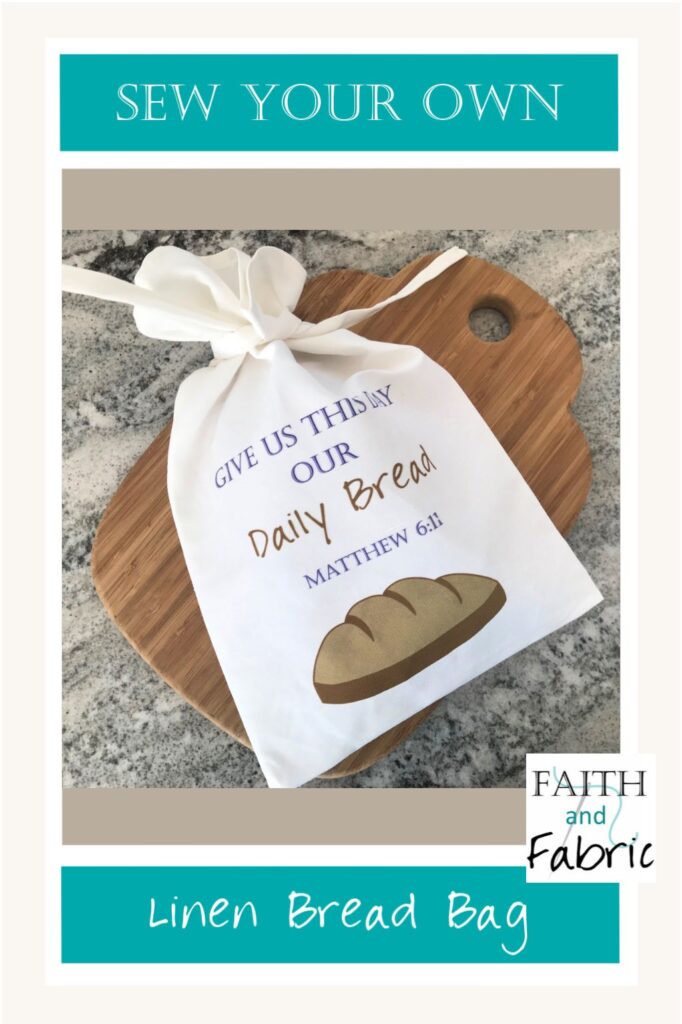
Add special touches to make your bread bag stand out. Sew on buttons in fun shapes or colors. Use fabric paint to write your name or a short phrase. Attach small patches or appliques with fruit or bread designs. Add lace or ribbon trims for a delicate look. Embroidery can add beautiful patterns or initials. Keep embellishments simple to keep the bag easy to clean.
Care And Maintenance
Taking care of your bread bag helps it last longer and stay clean. Proper care keeps the fabric fresh and free from odors. Simple habits make a big difference in maintaining your handmade bread bag.
Washing Tips
- Use cold or warm water to wash the bag gently.
- Choose a mild detergent to protect the fabric.
- Hand wash or use a delicate cycle in the washing machine.
- Avoid bleach or harsh chemicals that can damage fibers.
- Air dry the bag flat or hang it to keep its shape.
- Do not use a dryer as heat may shrink the fabric.
Storage Suggestions
- Store the bread bag in a cool, dry place.
- Keep it away from direct sunlight to prevent fading.
- Fold the bag neatly to avoid wrinkles and creases.
- Place it in a breathable container or drawer.
- Do not store the bag while damp to avoid mold.
Credit: faithandfabricdesign.com
Frequently Asked Questions
What Materials Do I Need To Sew A Bread Bag?
You need cotton fabric, thread, scissors, pins, and a sewing machine. Choose breathable, washable fabric for freshness and durability.
How Long Does It Take To Sew A Bread Bag?
Sewing a bread bag typically takes 30 to 60 minutes. Time varies by skill level and bag design complexity.
Can I Use A Bread Bag For Other Purposes?
Yes, bread bags are versatile. Use them for storing produce, snacks, or small items, keeping them fresh and organized.
How Do I Wash And Maintain A Sewn Bread Bag?
Wash bread bags in cold water with mild detergent. Air dry to maintain fabric quality and prolong bag life.
Conclusion
Sewing a bread bag is simple and fun to try. You only need a few materials and basic stitches. This project helps keep your bread fresh and reduces plastic use. You can choose any fabric you like for a personal touch.
Practice a little, and your sewing will improve fast. Enjoy making something useful with your own hands. Give it a go and see the difference it makes!


