You’ve invested in a beautiful bamboo cutting board, and now you want to keep it looking fresh and lasting longer. But how do you protect it from stains, cracks, and warping?
Sealing your bamboo cutting board is the key to maintaining its strength and natural beauty. You’ll discover simple, effective steps to seal your cutting board at home. By the end, you’ll know exactly how to keep your board safe and clean for all your chopping and slicing needs.
Ready to make your bamboo cutting board last for years? Let’s get started!
Credit: www.homedepot.com
Choosing The Right Sealant
Choosing the right sealant is key to protecting your bamboo cutting board. A good sealant keeps water out and stops stains. It also helps the board last longer and look better. Pick a sealant that is safe for food and easy to apply. Consider the type of sealant that fits your needs and preferences.
Food-safe Oils
Food-safe oils are popular for sealing bamboo boards. They soak into the wood and create a natural barrier. Oils like mineral oil and walnut oil are safe and easy to find. They keep the board hydrated and prevent cracking. Apply oil regularly to keep the board in good shape. Oils do not create a hard surface but protect against moisture.
Natural Waxes
Natural waxes add a thin, protective layer on the board’s surface. Beeswax is a common choice. It seals the wood and gives a smooth finish. Wax works well with oils to boost protection. It repels water and adds shine. Wax needs reapplication over time to maintain its effect. It is safe and easy to use.
Commercial Sealers
Commercial sealers provide a strong, durable finish. These products are designed for kitchen use and are food safe. They form a hard coating that resists stains and cuts. Commercial sealers last longer than oils or waxes. Some come in spray or brush-on forms. Follow instructions carefully for best results. They are ideal for heavy use cutting boards.
Preparing The Bamboo Surface
Preparing your bamboo cutting board properly is key to ensuring the sealant adheres well and lasts longer. A well-prepared surface not only protects the board but also keeps it looking fresh and clean through daily use. Let's look at the essential steps to get your bamboo surface ready for sealing.
Cleaning The Board
Start by washing your bamboo cutting board with warm water and mild dish soap. Avoid soaking it in water for too long, as bamboo can absorb moisture and warp. After washing, dry the board thoroughly with a clean towel or let it air dry completely.
Have you noticed how some stains just won’t come off? Scrubbing gently with a soft brush can help remove stuck-on food without scratching the surface. Clean boards give sealants a better chance to bond properly.
Sanding Techniques
Light sanding smooths out rough spots and opens the bamboo's pores to absorb the sealant evenly. Use fine-grit sandpaper, like 220 grit, and sand along the grain to avoid scratches. Don’t rush this step; a well-sanded surface feels silky and looks even.
Have you tried sanding your board before sealing? It can make a huge difference in the final finish. After sanding, wipe away dust with a damp cloth to keep the surface clean.
Removing Residue
Even after sanding, tiny dust particles can remain trapped in the bamboo. Wipe the board with a tack cloth or a microfiber cloth slightly dampened with water to pick up fine dust. This step helps prevent bumps or uneven spots in the sealant layer.
If your board has stubborn residue or oily spots, a little bit of white vinegar on a cloth can help break it down. Make sure the surface is fully dry before you start sealing. Cleanliness at this stage sets the foundation for a long-lasting seal.
Step-by-step Sealing Process
Sealing a bamboo cutting board protects it from water damage and stains. The process enhances durability and keeps the board looking fresh. Follow these simple steps to seal your board properly and extend its life.
Applying The First Coat
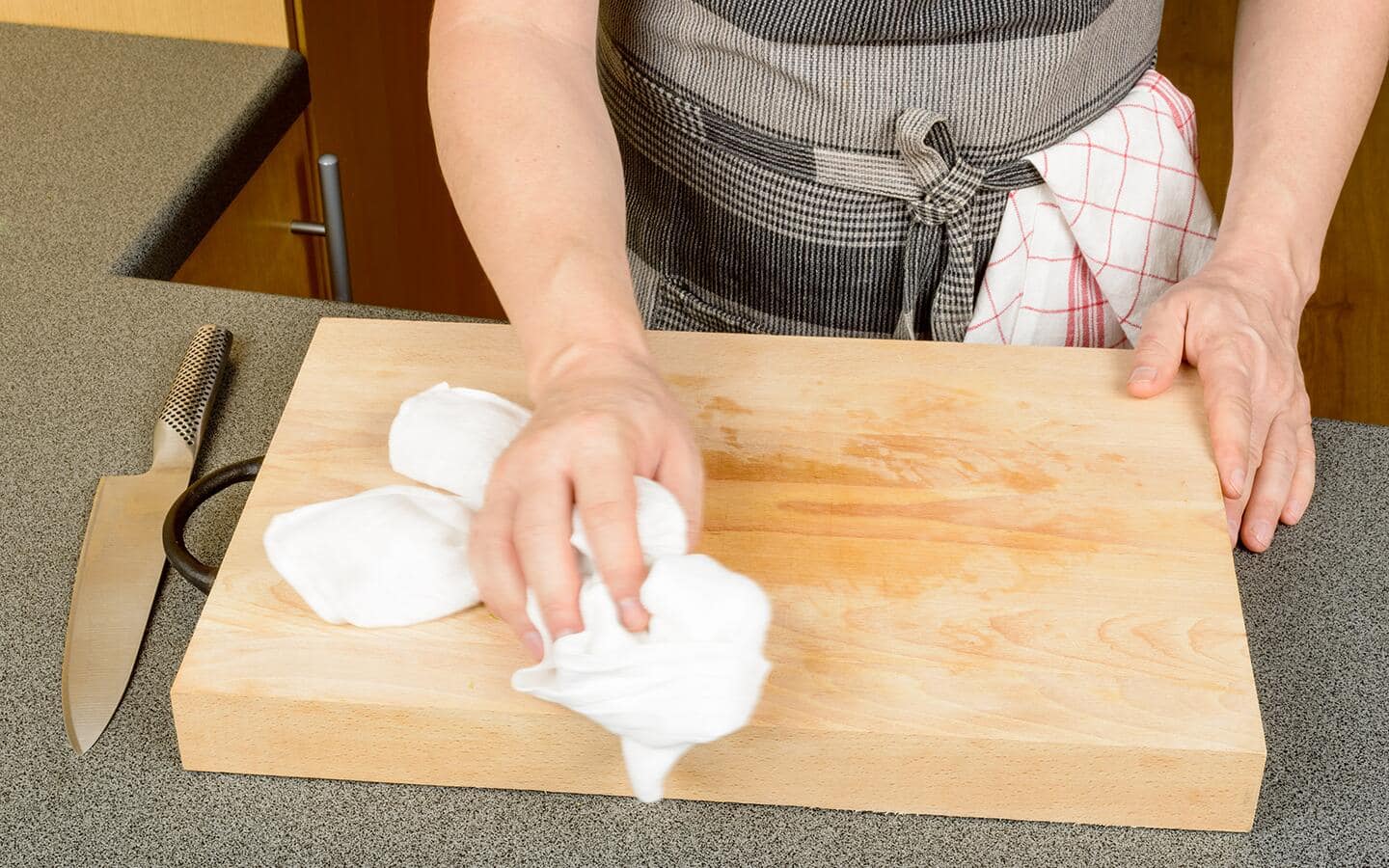
Start by cleaning the board thoroughly. Use a food-safe oil or sealant designed for bamboo. Apply a thin, even layer using a clean cloth or brush. Cover every surface, including edges and corners. Avoid soaking the board; a light coat works best.
Drying Time
Let the board dry in a well-ventilated area. Drying usually takes a few hours but check the product instructions. Make sure the board feels dry to the touch before moving on. Proper drying helps the sealant bond well to the bamboo.
Buffing The Surface
After drying, gently buff the surface with a soft cloth. This removes any excess oil or sealant. Buffing also smooths the board’s surface and improves its appearance. Use circular motions to get an even finish.
Adding Additional Coats
Apply more coats for better protection, especially if the board is new. Each coat should be thin and even. Allow each layer to dry fully before adding the next. Usually, two to three coats provide strong, lasting protection.

Credit: kingsfleet.ca
Maintenance Tips For Longevity
Keeping your bamboo cutting board in top shape requires more than just sealing it once. Regular care and maintenance extend its life and keep it looking fresh. Let’s explore some practical tips that help your board stay durable and functional.
Regular Cleaning
Clean your bamboo cutting board right after use to prevent stains and odors. Use warm water and mild soap, scrubbing gently with a soft sponge or cloth. Avoid soaking the board or using harsh detergents, as these can damage the bamboo fibers.
After washing, dry the board immediately with a clean towel. Leaving it wet can lead to warping or mold growth. Have you noticed your board developing rough spots? That usually happens when moisture stays trapped too long.
Reapplying Sealant
Sealant protects your bamboo board from moisture and stains, but it wears off over time. Check your board monthly for dullness or dryness. Applying a food-safe mineral oil or beeswax once a month can refresh the surface and keep it sealed.
Apply the sealant evenly with a soft cloth, rubbing it in until the wood absorbs it fully. Don’t forget the edges, as they tend to absorb moisture faster. Have you ever skipped this step and ended up with cracks? Keeping up with sealant stops that from happening.
Avoiding Excess Moisture
Bamboo is naturally water-resistant but not waterproof. Avoid leaving your cutting board in water or the dishwasher, as this can cause swelling and splitting. Instead, wipe spills promptly and dry your board after every cleaning.
Store your board standing upright or in a well-ventilated area to allow air circulation. This prevents moisture buildup and keeps the bamboo firm. Think about where you place your board—does it get enough airflow to stay dry?
Common Mistakes To Avoid
Skipping proper cleaning before sealing can trap dirt and bacteria. Avoid using the wrong oil, as some can spoil the bamboo. Applying too much sealant creates a sticky surface instead of a smooth finish.
Sealing a bamboo cutting board is an essential step in maintaining its durability and beauty. However, many people unknowingly make mistakes during this process, which can lead to unsatisfactory results or even damage the board. Understanding these common pitfalls can help you achieve a flawless seal that enhances the lifespan of your cutting board. Let's dive into some frequent missteps and how to avoid them.
Using Harsh Chemicals
Many sealants in the market contain strong chemicals that promise a perfect finish. However, these chemicals can be too abrasive for bamboo. They may strip away the natural oils, leaving the board dry and brittle. Always opt for food-safe mineral oil or beeswax as they nourish the wood without introducing harmful substances.
Skipping Sanding
Sanding might seem like an optional step, but skipping it can lead to uneven surfaces. An uneven surface not only affects the board's appearance but also its functionality. Sanding smooths out any rough spots, ensuring the sealant adheres properly. Imagine trying to paint on a bumpy canvas—sanding ensures your 'canvas' is ready for sealing.
Overapplying Sealant
More is not always better. Applying too much sealant can create a sticky surface or cause the board to look greasy. Instead, apply thin layers and allow each to fully dry before adding the next. Think of it like building a house; you wouldn’t stack bricks haphazardly. Patience and precision lead to a robust foundation and a beautifully sealed board. By avoiding these common mistakes, you'll not only enhance the appearance of your bamboo cutting board but also extend its life. What strategies have you found effective in sealing your cutting board?

Credit: forest-decor.com
Frequently Asked Questions
How Often Should I Seal A Bamboo Cutting Board?
You should seal your bamboo cutting board every 1 to 3 months. Frequent sealing prevents moisture damage and extends the board’s life. Regular maintenance keeps the surface smooth and hygienic for food preparation.
What Is The Best Oil For Sealing Bamboo Boards?
Food-grade mineral oil is the best choice for sealing bamboo boards. It soaks in well, protects against cracking, and is safe for food contact. Avoid vegetable oils as they can become rancid over time.
Can I Use Beeswax To Seal My Bamboo Cutting Board?
Yes, beeswax can be used to seal bamboo cutting boards. It adds a protective layer and enhances water resistance. For best results, mix beeswax with mineral oil before applying.
Should I Clean The Board Before Sealing It?
Always clean your bamboo cutting board before sealing it. Use mild soap and warm water, then dry completely. Sealing a clean surface ensures better oil absorption and protection.
Conclusion
Sealing your bamboo cutting board keeps it strong and lasting longer. It stops water from soaking in and causing cracks. Regular sealing also keeps the board clean and safe for food. Use natural oils or sealants for the best results.
A well-sealed board looks nice and works well every day. Simple steps make a big difference in care. Take a little time now to protect your board for the future. Your kitchen tool will thank you.