
You want perfectly roasted chicken that’s juicy on the inside and crispy on the outside. Using your convection oven can make this easier than you think.
But how do you get it just right every time? In this guide, you’ll discover simple steps and expert tips to roast chicken in a convection oven that will impress your family and friends. Keep reading, and you’ll soon master the secret to a delicious, golden-brown chicken that’s packed with flavor.
Choosing The Right Chicken
Choosing the right chicken plays a big role in roasting success. The type of chicken affects cooking time, taste, and texture. Picking chicken that suits your recipe and oven style is key. Freshness and cut type impact the final dish and ease of cooking. Below are important points to help select the best chicken for your convection oven roast.
Whole Vs. Cut Chicken
Whole chickens roast evenly and keep moisture inside. They are perfect for family meals and presentation. Cut chicken pieces cook faster and allow flavor to soak in better. Pieces like breasts, thighs, and drumsticks give more control over doneness. Choose whole chicken for classic roast or cuts for quicker meals. Both options work well in a convection oven.
Fresh Or Frozen Options
Fresh chicken offers better texture and flavor. It cooks evenly and stays juicy. Frozen chicken can save time but needs full thawing before roasting. Thaw in the fridge to avoid bacteria growth. Frozen chicken sometimes loses moisture, making it less tender. For best results, pick fresh chicken or thaw frozen completely.
Preparing The Chicken
Preparing the chicken properly sets the foundation for a perfectly roasted meal in your convection oven. Taking time to clean, trim, and season your chicken well can make a huge difference in flavor and texture. How you handle these first steps can influence how juicy and crispy your chicken turns out.
Cleaning And Trimming
Start by rinsing the chicken under cold water to remove any residue or loose bits. Pat it dry thoroughly with paper towels—this helps the skin crisp up during roasting.
Check for excess fat, leftover feathers, or giblets inside the cavity and remove them. Trimming away extra skin or fat around the neck and tail can prevent flare-ups and uneven cooking.
Seasoning Techniques
Seasoning goes beyond just sprinkling salt. Try rubbing the chicken inside and out with a mix of salt, pepper, and your favorite herbs like rosemary or thyme.
Don’t forget to season under the skin by gently lifting it and adding spices directly onto the meat. This step ensures deeper flavor penetration and moist results.
Marinating Tips
Marinating your chicken can elevate its taste and tenderness significantly. Use a simple marinade with olive oil, lemon juice, garlic, and herbs to add brightness and moisture.
Allow the chicken to marinate in the fridge for at least 1 hour, but overnight is even better. Have you tried poking small holes in the skin before marinating? It helps the flavors soak in more deeply.
Setting Up The Convection Oven
Setting up your convection oven correctly is essential for roasting a chicken that turns out juicy on the inside and perfectly crispy on the outside. Small adjustments in temperature, rack placement, and the right cookware can make a huge difference in your results. Let’s look at how you can prepare your convection oven to get the best roast chicken every time.
Ideal Temperature Settings
Convection ovens cook food faster because the fan circulates hot air evenly. You’ll want to reduce the temperature compared to a conventional oven. A good rule of thumb is to set your convection oven to 325°F (163°C) for roasting chicken.
This slightly lower temperature helps the chicken cook thoroughly without drying out. You might be tempted to crank the heat up, but keeping it moderate ensures the skin crisps nicely while the meat stays tender. Have you noticed how a high temperature sometimes burns the skin before the inside cooks?
Rack Positioning
Where you place the chicken in the oven affects how evenly it cooks. Position the rack in the center of the oven to allow air to circulate freely around the chicken. This placement helps avoid hot spots that can cause uneven cooking.
If your oven has multiple racks, resist the urge to place the chicken too close to the top or bottom. Too close to the heating elements might scorch the skin while leaving the inside undercooked. Give your chicken room to breathe—it deserves that space.
Using A Roasting Pan
A roasting pan with a rack is your best friend when cooking chicken in a convection oven. The rack lifts the bird, letting hot air flow underneath and around it. This airflow is key to achieving a crisp exterior.
If you don’t have a roasting rack, you can improvise by placing the chicken on a bed of chopped vegetables like carrots and onions. This not only raises the chicken but also adds flavor to your pan drippings, which you can use for gravy later. Have you tried this trick before? It’s a simple way to elevate your roast.

Credit: m.youtube.com
Roasting Process
Roast chicken in a convection oven for tender, juicy results. Preheat the oven to 375°F. Season the chicken with salt and pepper, and place it on a roasting pan. Cook for about 1 hour, until the internal temperature reaches 165°F.
Let it rest before carving.
The roasting process is an art that transforms a simple chicken into a crispy, mouth-watering delight. The convection oven, with its circulating hot air, ensures even cooking and a perfectly browned exterior. Mastering the roasting process involves understanding the nuances of preheating, timing, and technique.
Preheating The Oven
A well-preheated oven is crucial for achieving that crispy skin. Set your convection oven to 425°F. Allow it to preheat for at least 10 minutes before placing the chicken inside. This ensures the oven is hot enough to sear the skin immediately, locking in juices and flavor.
Cooking Time Guidelines
Cooking time can make or break your roast chicken. Generally, a whole chicken requires about 20 minutes per pound. Use this guideline to estimate the total cooking time. To ensure doneness, check the internal temperature with a meat thermometer; it should read 165°F.
Basting And Turning
Basting keeps the chicken moist and flavorful. Every 30 minutes, carefully pull out the oven rack and spoon the juices over the chicken. Turn the chicken halfway through the cooking time to ensure even browning. Adjustments may be needed based on your oven's performance. Have you ever noticed how different ovens yield different results? Keep an eye on your chicken and trust your instincts to achieve a perfectly roasted bird.
Achieving Crispy Skin
Getting that perfect crispy skin on a roasted chicken in a convection oven is more than just cooking time and temperature. It’s about how you prepare the skin before roasting and the finishing touches you add after. Crisp skin adds texture and flavor that makes every bite unforgettable. Let’s look at how you can achieve this at home.
Drying The Skin
Moisture is the enemy of crispy skin. Before roasting, pat the chicken skin completely dry with paper towels. You can even leave the chicken uncovered in the fridge for a few hours or overnight to help dry out the skin further.
Have you ever noticed how wet skin steams instead of crisps? That’s why drying is crucial. It creates the perfect surface for browning in a convection oven’s circulating hot air.
Applying Oil Or Butter
Coating the chicken skin with a thin layer of oil or melted butter helps it brown evenly and crisp up beautifully. Use oils with high smoke points like canola or avocado oil for a clean, crispy finish.
Butter adds flavor and encourages browning, but watch the temperature so it doesn’t burn. You can also mix herbs or spices into the oil or butter for an extra punch of taste.
Final Broil For Extra Crisp
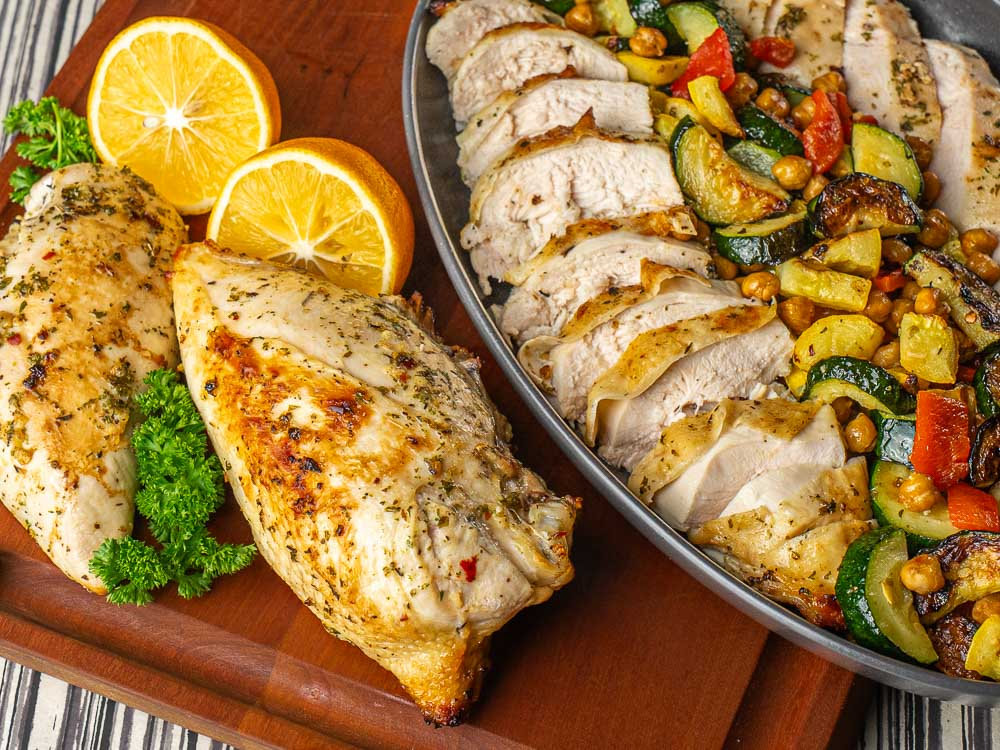
If your chicken skin isn’t as crispy as you want after roasting, use the broil setting for the last few minutes. Keep a close eye on it to avoid burning—broiling works fast.
This step gives the skin that extra crunch that’s hard to achieve through roasting alone. Have you tried this trick? It’s a game-changer for finishing your roast chicken perfectly every time.
Credit: www.convectionkitchen.com
Checking For Doneness
Knowing when your roast chicken is perfectly cooked can make all the difference between a juicy meal and a dry disappointment. Checking for doneness ensures safety and flavor, especially when using a convection oven that cooks faster and more evenly. Let’s dive into practical ways to confirm your chicken is ready to enjoy.
Using A Meat Thermometer
A meat thermometer is your most reliable tool for checking doneness. Insert it into the thickest part of the chicken, usually the thigh, avoiding bones which can give false readings.
The ideal internal temperature for roast chicken is 165°F (74°C). Once your thermometer hits this mark, you know the chicken is safe to eat and juicy inside.
Have you ever guessed the cooking time only to cut into dry chicken? Using a thermometer takes the guesswork out and gives you confidence every time.
Visual And Texture Cues
If you don’t have a meat thermometer handy, look for clear visual signs. The juices running from the chicken should be clear, not pink or red.
The skin should be golden brown and crispy, especially in a convection oven where air circulates to crisp the surface evenly.
Press the thickest part of the chicken with your finger or a fork. It should feel firm but still have a slight bounce. If it’s too soft or very jiggly, it needs more time.
What other clues have you noticed that signal a perfectly roasted chicken? Paying attention to these details can sharpen your cooking instincts.
Resting And Serving
Resting and serving your roasted chicken is a key part of the cooking process. It allows the juices to settle and makes the meat tender and juicy. Proper resting also helps you carve the chicken cleanly, making it easier to serve.
Serving your chicken right enhances the entire meal experience. Simple tips can make your dish more appealing and delicious.
Resting Time Importance
Rest the chicken for at least 10 to 15 minutes after roasting. This time lets the juices redistribute inside the meat. Cutting the chicken too early causes the juices to run out. The meat becomes dry and less flavorful. Cover the chicken loosely with foil to keep it warm while resting. This simple step improves the taste and texture significantly.
Carving Tips
Use a sharp knife to carve your chicken with ease. Start by removing the legs and thighs. Then, slice the breast meat against the grain for tenderness. Keep the pieces uniform for even serving. Use a carving fork to hold the chicken steady. Clean cuts make your presentation look neat and professional. Take your time to avoid tearing the meat.
Serving Suggestions
- Serve with roasted vegetables like carrots and potatoes.
- Add a fresh green salad for a light side.
- Offer dipping sauces such as garlic aioli or honey mustard.
- Warm some crusty bread to soak up the juices.
- Garnish with fresh herbs like parsley or thyme for color.
These simple sides complement the chicken’s flavor well. They make the meal balanced and inviting.
Troubleshooting Common Issues
Roasting chicken in a convection oven should deliver juicy meat and crispy skin, but sometimes things don’t go as planned. If your chicken turns out dry, unevenly cooked, or lacking that golden crunch, don’t toss the bird just yet. Troubleshooting these common issues can turn your next roast into a success story.
Dry Meat Solutions
Dry chicken is frustrating, especially after all the effort you put in. One key cause is cooking at too high a temperature or for too long. Try lowering the oven temperature by 25°F and check the chicken earlier than you think it’s done.
Another tip is to brine your chicken before roasting. A simple saltwater soak for 30 minutes can help the meat retain moisture. If you don’t have time to brine, rubbing olive oil and seasoning under the skin also helps lock in juices.
Uneven Cooking Fixes
Have you noticed some parts of your chicken cook faster than others? This often happens if the bird isn’t positioned right or if your convection oven fan isn’t circulating air properly. Placing the chicken on a rack in a roasting pan allows air to flow underneath and cook evenly.
Rotating the pan halfway through cooking can also balance heat exposure. If your oven has hot spots, consider using an oven thermometer to check temperature consistency. This small adjustment can prevent one side from drying out while the other stays undercooked.
Skin Not Crispy Enough
That craving for crispy skin can be disappointing when your chicken turns out soggy. Drying the skin thoroughly before cooking is a simple fix—pat it with paper towels to remove excess moisture. Moisture is the enemy of crispiness.
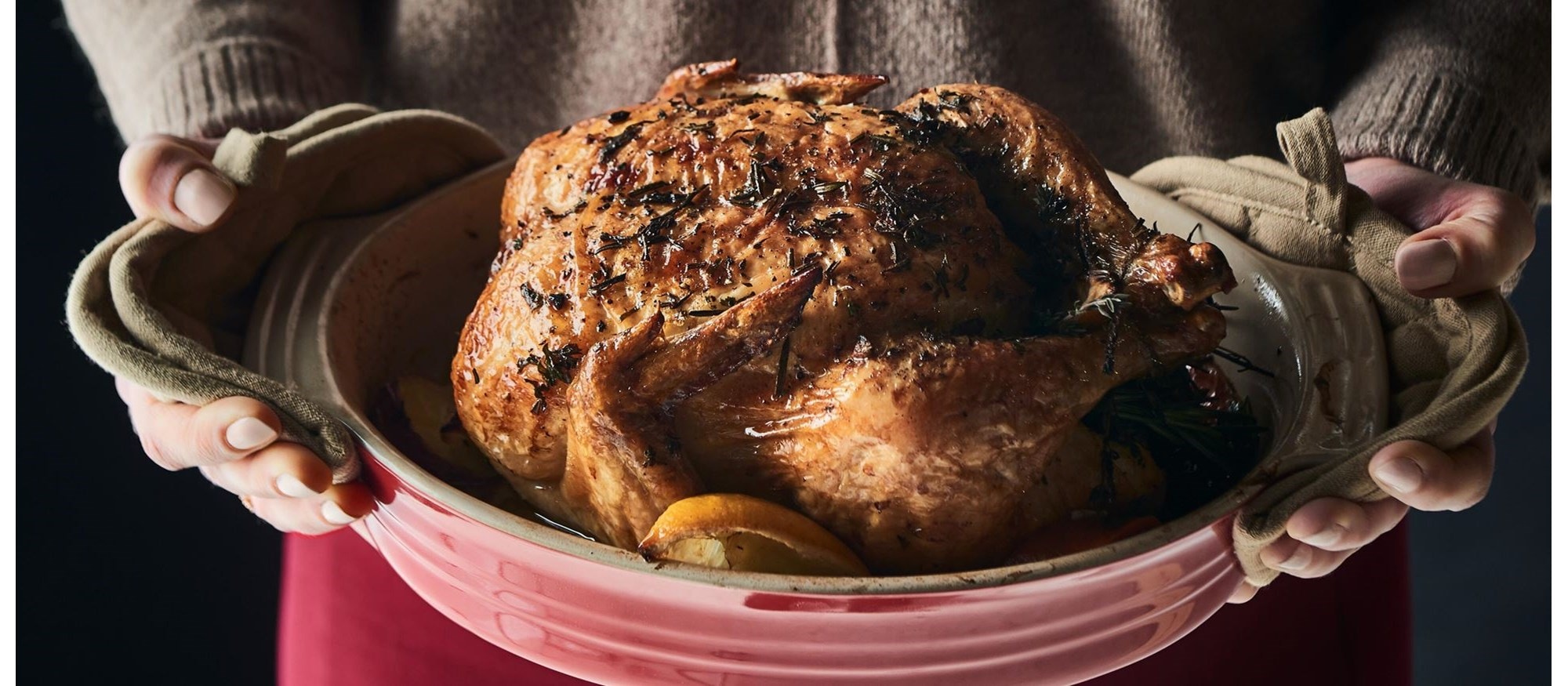
Also, don’t cover the chicken while roasting. Let the convection fan do its job by circulating hot air around the skin. For an extra crunch, try finishing the roast with a few minutes of broiling, but watch carefully so it doesn’t burn.
Credit: www.subzero-wolf.com
Frequently Asked Questions
How Long To Roast Chicken In A Convection Oven?
Roast chicken in a convection oven at 375°F for 20 minutes per pound. This method ensures even cooking and crispy skin.
Should I Cover Chicken When Roasting In Convection Oven?
No, do not cover the chicken. Leaving it uncovered helps the hot air circulate, making the skin crispy and golden.
What Temperature Is Best For Roasting Chicken Convection Oven?
Set the convection oven to 375°F. This temperature balances thorough cooking and skin crispiness without drying the meat.
How To Check If Roasted Chicken Is Fully Cooked?
Use a meat thermometer. The internal temperature should reach 165°F in the thickest part of the chicken for safe consumption.
Conclusion
Roasting chicken in a convection oven is simple and fast. The hot air cooks the bird evenly and crisps the skin nicely. Season your chicken well and set the right temperature. Keep an eye on the time to avoid overcooking.
A juicy, flavorful roast is within your reach. Enjoy a delicious meal made with easy steps. Try this method for your next dinner. You will love the results every time.


