If you’ve ever wondered how to get that perfect, juicy roast chicken with a crispy skin right on your gas grill, you’re in the right place. Roasting a whole chicken on a gas grill might sound tricky, but with the right steps, you can impress your family and friends with mouthwatering flavors.
Imagine biting into tender meat infused with smoky goodness, all made outdoors with your own hands. Keep reading, and you’ll learn simple tips and tricks to master this delicious skill quickly and confidently. Your next unforgettable meal starts here.
Preparing The Chicken
Preparing your chicken properly sets the foundation for a delicious roast on your gas grill. It’s about more than just picking up a bird and slapping on some seasoning. The right preparation can elevate your meal, ensuring even cooking and maximum flavor.
Choosing The Right Chicken
Look for a whole chicken that feels firm and fresh. Organic or free-range chickens often have better texture and flavor, but fresh is key regardless of type.
Consider the size too. A 4-5 pound chicken works best for most grills, allowing enough space for heat to circulate evenly.
Have you noticed how some chickens have more fat under the skin? That fat melts during roasting, keeping the meat juicy—something worth checking before you buy.
Cleaning And Trimming
Start by removing any giblets or neck parts inside the cavity—these can add unwanted flavors if left in.
Rinse the chicken under cold water, then pat it dry thoroughly with paper towels. Dry skin crisps up better on the grill.
Trim excess fat and loose skin, especially around the cavity and neck. This helps avoid flare-ups and makes for a cleaner cook.
Seasoning Tips
Seasoning is your chance to bring the chicken to life. Don’t just sprinkle salt on the surface—get it inside the cavity and under the skin too.
A simple mix of salt, pepper, garlic powder, and paprika works wonders. Add fresh herbs like rosemary or thyme for an aromatic touch.
Rub the seasoning evenly and let the chicken rest for at least 30 minutes before grilling. This lets the flavors soak in and improves the final taste.

Credit: www.101cookingfortwo.com
Setting Up The Gas Grill
Setting up your gas grill correctly is the key to roasting a whole chicken that’s juicy on the inside and crispy on the outside. It’s not just about turning on the burners; you need to create the right environment for even cooking and flavor development. Let’s break down the essential steps to get your grill ready for roasting.
Preheating And Temperature Control
Start by preheating your gas grill to around 375°F (190°C). This temperature is ideal for roasting chicken evenly without burning the skin. It usually takes 10 to 15 minutes for the grill to reach this heat, so be patient and use this time to prepare your chicken.
Keep your grill’s temperature steady throughout the cooking process. Sudden spikes or drops can cause uneven cooking. If your grill has multiple burners, use the built-in thermometer or a separate grill thermometer to monitor the heat closely.
Arranging The Grill For Indirect Heat
Direct heat will char the chicken’s exterior before the inside cooks through. Arrange your burners so that one side is on and the other is off. Place the chicken on the cooler side of the grill to roast it using indirect heat.
This setup lets the heat circulate around the chicken, cooking it slowly and evenly. Think of it as turning your grill into an oven. You can even close the lid to trap heat and smoke for added flavor.
Using A Drip Pan
Place a drip pan under the grill grates on the cooler side, directly beneath the chicken. It catches the drippings, preventing flare-ups that can burn your chicken. Plus, these drippings can be used to make delicious sauces or gravies.
Fill the drip pan with a bit of water, broth, or wine to keep the environment moist inside the grill. This helps maintain the chicken’s juiciness and prevents the drippings from burning. Have you tried adding herbs or citrus to the drip pan for an extra aroma boost?
Roasting Process
Roasting a whole chicken on a gas grill needs careful attention. The roasting process ensures the chicken cooks evenly and stays juicy. It also develops a crisp, golden skin full of flavor. Understanding how to place the chicken, monitor cooking time, and check the temperature is key to success.
Placing The Chicken On The Grill
Start by preheating the grill to medium heat. Place the chicken breast-side up on the grill grates. Use indirect heat by turning off burners directly under the chicken. This avoids burning and cooks the meat gently. Position a drip pan under the chicken to catch juices. Close the grill lid to keep heat consistent.
Monitoring The Cooking Time
Cooking time depends on the chicken's size, usually 1 to 1.5 hours. Avoid opening the grill often to keep heat steady. Check the chicken after 45 minutes for even cooking. Turn the chicken if needed to brown all sides. Keep an eye on the grill temperature, maintaining about 350°F (175°C).
Checking Internal Temperature
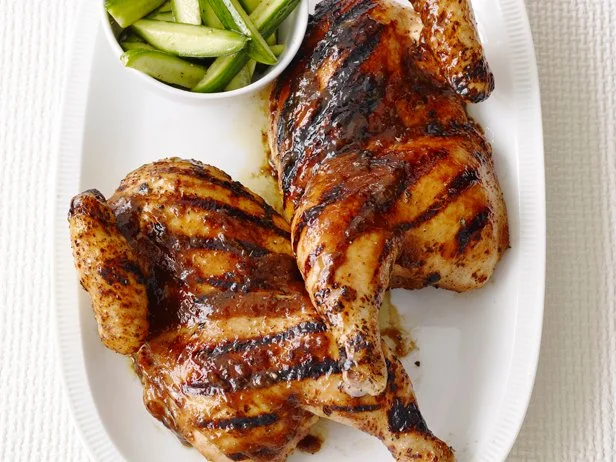
Use a meat thermometer to check doneness. Insert it into the thickest part of the thigh without touching bone. The chicken is safe at 165°F (74°C). If the temperature is lower, keep grilling and check every 10 minutes. Let the chicken rest for 10 minutes before carving. This locks in juices for tender meat.
Credit: www.foodnetwork.com
Enhancing Flavor
Roasting a whole chicken on a gas grill brings out deep, smoky flavors. The grill’s heat seals in juices, making the meat tender and tasty. Herbs and spices blend well, enhancing every bite with rich aroma.
Roasting a whole chicken on a gas grill can transform your backyard into a gourmet kitchen. The secret to a memorable roast chicken lies in enhancing its flavor. This isn't just about seasoning; it's about creating a symphony of taste that delights every bite. Let's dive into some practical tips to elevate your grilled chicken to new heights.
Adding Herbs And Aromatics
Infuse your chicken with flavor by adding herbs and aromatics. Think of rosemary, thyme, and sage as your best friends. Slide a sprig or two under the skin of the chicken for a burst of earthy goodness. Don’t forget the power of aromatics like garlic and onions. Stuff them inside the cavity to allow their essence to seep into the meat as it roasts. Citrus fruits like lemons and oranges can add a refreshing zing—just slice and tuck them in with the herbs.
Basting Techniques
Basting is your ally in keeping the chicken moist and flavorful. Consider making a simple basting mixture with olive oil, melted butter, and a splash of lemon juice. Brush it over the chicken every 15-20 minutes during grilling. Why not get creative? Add a tablespoon of honey or maple syrup to your basting mix for a hint of sweetness. Remember, each baste is an opportunity to layer on more flavor, so don't skip it.
Smoke Infusion Tips
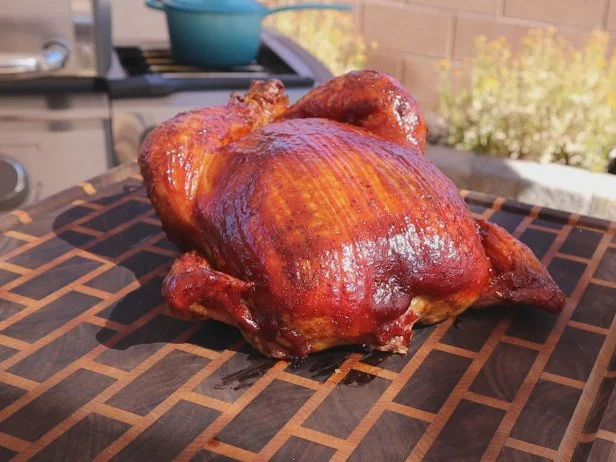
Who says gas grills can't deliver that smoky flavor? You can create a smoke pouch using aluminum foil and wood chips. Soak wood chips in water for about 30 minutes, then drain and place them in the center of a foil sheet. Wrap it up, poke a few holes, and place it on the grill grates. Consider using different types of wood chips like apple, cherry, or hickory. Each type imparts a unique flavor profile. Experiment to find your favorite, and watch your roasted chicken get that perfect smoky touch. Enhancing the flavor of your grilled chicken doesn’t have to be complicated. By using these simple, actionable tips, you can create a dish that's not just dinner, but an experience. What new flavor combination will you try on your next grilling adventure?
Finishing Touches
Finishing touches make your grilled whole chicken truly delicious. These last steps help keep the meat juicy and improve the taste. How you rest, carve, and serve the chicken affects the final experience. Take your time to do these right for the best results.
Resting The Chicken
Resting is key after grilling. Let the chicken sit for 10 to 15 minutes. This allows juices to settle inside the meat. Cover it loosely with foil to keep warmth. Cutting too soon lets the juices escape, making the chicken dry.
Carving Guidelines
Use a sharp knife for clean cuts. Start by removing the legs and thighs. Cut along the joints to separate easily. Next, slice the breasts against the grain. Carve into even pieces for better presentation and easy eating.
Serving Suggestions
Serve the chicken with fresh sides. Roasted vegetables or a green salad work well. Add lemon wedges for a fresh, bright taste. Offer dipping sauces like garlic butter or barbecue sauce. A simple garnish of herbs adds color and flavor.
Common Mistakes To Avoid
Roasting a whole chicken on a gas grill is a fantastic way to achieve juicy meat and crispy skin, but it comes with its challenges. Avoiding common mistakes can make a huge difference in your grilling success. Here’s what you need to watch out for to get that perfect roast every time.
Overcooking Risks
Overcooking is one of the most frequent pitfalls when roasting a whole chicken. It’s easy to dry out the meat if you leave it on the grill too long or use excessively high heat.
Keep an eye on the internal temperature—165°F (75°C) is your target. Use a reliable meat thermometer to check the thickest part of the breast and thigh. If you’ve ever cut into a bird only to find it tough and dry, you know how disappointing it can be.
Flare-ups And Burn Prevention
Flare-ups happen when fat drips onto the flames, causing sudden bursts of fire. These can char the skin and give your chicken an unpleasant burnt taste.
To prevent this, trim excess fat before cooking and use a drip pan under the chicken. Also, avoid pressing down or moving the chicken too often, as this can cause more fat to drip and flare-ups to ignite.
Uneven Cooking Solutions
Uneven cooking is a common issue, especially with a whole chicken’s varying thickness. The breast can dry out while waiting for the thighs to cook through.
Try rotating the bird halfway through grilling and consider using indirect heat by turning off the burners directly under the chicken. You can also tent the breast with foil if it’s browning too quickly while the rest cooks.
Credit: www.foodnetwork.com
Frequently Asked Questions
How Long Does It Take To Roast A Whole Chicken On A Gas Grill?
Roasting a whole chicken on a gas grill typically takes 1 to 1. 5 hours. Cooking time depends on chicken size and grill temperature, which should be around 350°F (175°C) for even cooking. Use a meat thermometer to ensure the internal temperature reaches 165°F (74°C).
What Temperature Is Best For Roasting Chicken On A Gas Grill?
The ideal temperature for roasting chicken on a gas grill is 350°F (175°C). This moderate heat ensures the chicken cooks evenly without burning. Maintaining this temperature helps achieve crispy skin and tender, juicy meat inside.
Should I Use Direct Or Indirect Heat For Grilling Chicken?
Use indirect heat to roast a whole chicken on a gas grill. Place the chicken away from the flame to avoid burning. Indirect heat cooks the chicken evenly, preserving moisture and creating a tender, flavorful result.
How Do I Prevent The Chicken From Drying Out On The Grill?
To prevent drying, brine or marinate the chicken before grilling. Baste it occasionally during cooking and use a drip pan to keep moisture. Also, avoid opening the grill too often to maintain steady heat and juicy meat.
Conclusion
Roasting a whole chicken on a gas grill is simple and fun. Follow the steps carefully for juicy, tender meat. Keep an eye on the temperature to cook it evenly. Let the chicken rest before cutting to keep it moist.
Serve with your favorite sides for a delicious meal. Enjoy the smoky flavor that only a grill can give. Try this method often to improve your grilling skills. Perfect for family dinners or weekend gatherings outdoors. Give it a go and taste the difference yourself.