Roasting a chicken in a convection oven is easier than you think—and the results are deliciously crispy on the outside and juicy on the inside. If you’ve ever struggled with dry meat or uneven cooking, this method will change the way you cook forever.
Imagine pulling a perfectly golden chicken from your oven, impressing your family or guests without spending hours in the kitchen. In this guide, you’ll discover simple steps and expert tips to master roasting chicken in your convection oven. Ready to make your next meal unforgettable?
Let’s get started.

Choosing The Right Chicken
Choosing the right chicken is the first step to a perfectly roasted bird in your convection oven. The quality and type of chicken you pick will directly affect the texture, flavor, and cooking time. Let’s break down what you need to know before you even preheat your oven.
Selecting Fresh Or Frozen
Fresh chicken often has a better texture and flavor, but frozen chicken can be just as good if handled correctly. If you go with frozen, make sure to thaw it completely and safely in the fridge for at least 24 hours before roasting.
Buying fresh means you should check for firmness and a slight pink color with no unpleasant odor. Have you ever noticed how fresh chicken feels slightly springy to the touch? That’s a good sign of freshness.
Size Matters
The size of your chicken will impact how long it takes to roast and how juicy it stays. Smaller chickens (around 3-4 pounds) roast quicker and often end up more tender, while larger birds may take longer but can feed more people.
Think about your oven size and your meal plan. Are you cooking for two or ten? Picking the right size can save you time and ensure even cooking.
Organic Vs Conventional
Organic chickens are raised without antibiotics or hormones, often leading to a cleaner, sometimes more natural flavor. However, they tend to be pricier and may have slightly less fat, which affects juiciness.
Conventional chickens might offer more fat, which helps keep the meat moist during roasting. What matters most to you—cost, taste, or how the chicken was raised? Your answer will guide your choice here.
Prepping The Chicken
Preparing the chicken well is key to a tasty roast. Good prep helps the flavors soak in and the meat cook evenly. Start with a clean bird and get it ready with simple steps. These steps make sure your chicken turns out juicy and full of flavor in your convection oven.
Cleaning And Patting Dry
Remove the chicken from its packaging. Take out any giblets from the cavity. Rinse the chicken under cold water gently. Pat the chicken dry with paper towels. Dry skin helps the chicken crisp up during roasting. Make sure the inside and outside are dry before seasoning.
Seasoning Tips
Use salt and pepper for basic seasoning. Rub the chicken inside and out evenly. Add herbs like rosemary, thyme, or parsley for extra flavor. A little olive oil or melted butter on the skin helps it brown nicely. Season under the skin too, for deeper taste. Keep the seasoning simple to highlight the chicken’s natural taste.
Stuffing And Trussing
Stuff the cavity with lemon halves, garlic cloves, or fresh herbs. This adds moisture and aroma during roasting. Avoid overstuffing to allow heat to circulate well. Trussing ties the legs and wings close to the body. Use kitchen twine to secure the chicken firmly. Trussing ensures even cooking and a neat appearance.
Setting Up The Convection Oven
Setting up a convection oven correctly is essential for roasting a chicken evenly. The oven’s fan circulates hot air, cooking food faster and more evenly. Proper setup helps achieve crispy skin and juicy meat. Follow these tips to prepare your convection oven for roasting chicken.
Optimal Temperature Settings
Set the oven temperature between 375°F and 400°F (190°C to 204°C). This range ensures even cooking without drying out the chicken. Lower temperatures can make the skin less crispy. Higher temperatures might burn the outside while leaving the inside undercooked. Adjust temperature based on your oven’s model and size of the chicken.
Rack Placement
Place the oven rack in the middle position. This allows hot air to circulate evenly around the chicken. Avoid placing the rack too close to the heating element. Too high or too low racks can cause uneven cooking. Keep space around the chicken for airflow to crisp the skin properly.
Using A Roasting Pan
Choose a roasting pan with a rack to lift the chicken off the pan’s base. This prevents the chicken from sitting in juices, making the skin soggy. The pan collects drippings for easy gravy or sauce. If you don’t have a rack, use a bed of vegetables to lift the chicken slightly.
Roasting Process
Roasting a chicken in a convection oven uses hot air to cook evenly and quickly. The fan circulates heat, making the skin crispy and the meat juicy. This process helps achieve a tasty and well-cooked chicken every time.
The roasting process of a chicken in a convection oven is both art and science. This method ensures the meat is juicy, with a crispy skin. It involves controlling temperature and timing. Below, explore the key steps to achieve the perfect roast.
Initial High-heat Roast
Start with a preheated oven at 450°F (232°C). This high heat sears the chicken, locking in juices. Place the chicken breast-side up in the oven. Roast for 20 minutes. The skin should begin to turn golden.
Lowering Temperature For Even Cooking
Reduce the oven temperature to 350°F (177°C) after the initial roast. This helps cook the chicken evenly. Roast for an additional 45 to 60 minutes. Check the chicken’s internal temperature. It should reach 165°F (74°C).
Basting Techniques
Basting adds flavor and keeps the chicken moist. Use a spoon or brush to apply juices from the pan. Do this every 15 to 20 minutes after lowering the temperature. Ensure not to open the oven door too often. This maintains a consistent temperature.
Checking Doneness
Checking the doneness of your roasted chicken ensures it is safe and tasty. Overcooked chicken can be dry. Undercooked chicken can be unsafe. Use simple tools and signs to tell when your chicken is ready.
Using A Meat Thermometer
A meat thermometer is the most reliable way to check doneness. Insert it into the thickest part of the chicken, usually the thigh. Avoid touching the bone for an accurate reading. The chicken is done when the thermometer reads 165°F (74°C). This temperature kills harmful bacteria and keeps the meat juicy.
Visual Cues
Look for clear juices running from the chicken. Pink or red juices mean it needs more time. The skin should be golden brown and crispy. The meat near the bone should not be pink. These signs help confirm the thermometer reading or work as a quick check.
Resting Time
Let the chicken rest for 10 to 15 minutes after roasting. This allows juices to redistribute inside the meat. Resting makes the chicken tender and flavorful. Cover it loosely with foil to keep it warm during this time.
Tips For Extra Crispy Skin
Getting extra crispy skin on a roasted chicken in a convection oven requires smart techniques. The skin must be dry and coated well to crisp up nicely. The oven’s hot air helps, but you can boost crispiness with a few tips.
Dry Brining
Dry brining means sprinkling salt on the chicken before cooking. Salt draws out moisture from the skin, making it dry and ready to crisp. Let the chicken sit in the fridge uncovered for several hours or overnight. This step improves flavor and texture.
Butter Or Oil Application
Coating the chicken with butter or oil helps the skin brown and crisp. Spread a thin layer evenly over the skin before roasting. Butter adds rich flavor, while oil helps heat distribute evenly. Both protect the skin from drying out too fast.
Final Broil Option
Turning on the broiler for the last few minutes of cooking can add extra crisp. Watch closely to avoid burning. This quick burst of high heat finishes the skin with a perfect golden crunch. Remove the chicken immediately after broiling.
Serving Suggestions
Serving a perfectly roasted chicken from a convection oven is a delight. Presentation and pairing enhance the meal experience. Thoughtful serving suggestions make your dish stand out. Here are tips for carving, pairing, and storing your roasted chicken.
Carving Tips
Let the chicken rest 10-15 minutes before carving. This keeps juices inside the meat. Use a sharp knife for clean cuts. Start by removing the legs and thighs. Cut along the joints to separate pieces easily. Slice the breast meat against the grain for tenderness. Arrange pieces on a warm platter for serving.
Side Dish Pairings
Roasted chicken pairs well with many sides. Choose simple, fresh options to complement the flavors. Try these ideas:
- Roasted vegetables like carrots, potatoes, and Brussels sprouts
- Steamed green beans or asparagus with lemon zest
- Fluffy mashed potatoes or creamy polenta
- Fresh garden salad with light vinaigrette
- Buttery dinner rolls or crusty bread
Storing Leftovers
Store leftover chicken in airtight containers. Keep it in the fridge for up to four days. Use leftovers in salads, sandwiches, or soups. For longer storage, freeze the chicken pieces. Label with date and use within three months. Reheat gently to avoid drying out the meat.

Frequently Asked Questions
How Long To Roast Chicken In Convection Oven?
Roast a whole chicken in a convection oven for about 20 minutes per pound. Preheat oven to 375°F (190°C). Use a meat thermometer to ensure internal temperature reaches 165°F (74°C) for safe consumption.
What Temperature Is Best For Roasting Chicken?
Set your convection oven to 375°F (190°C) for even roasting. This temperature ensures crispy skin and juicy meat without drying out the chicken.
Should I Cover Chicken While Roasting In Convection Oven?
No, avoid covering chicken in a convection oven. The circulating hot air crisps the skin and cooks the meat evenly without steaming.
How To Check If Roasted Chicken Is Done?
Use a meat thermometer inserted into the thickest part of the thigh. The chicken is done when the temperature reads 165°F (74°C).
Conclusion
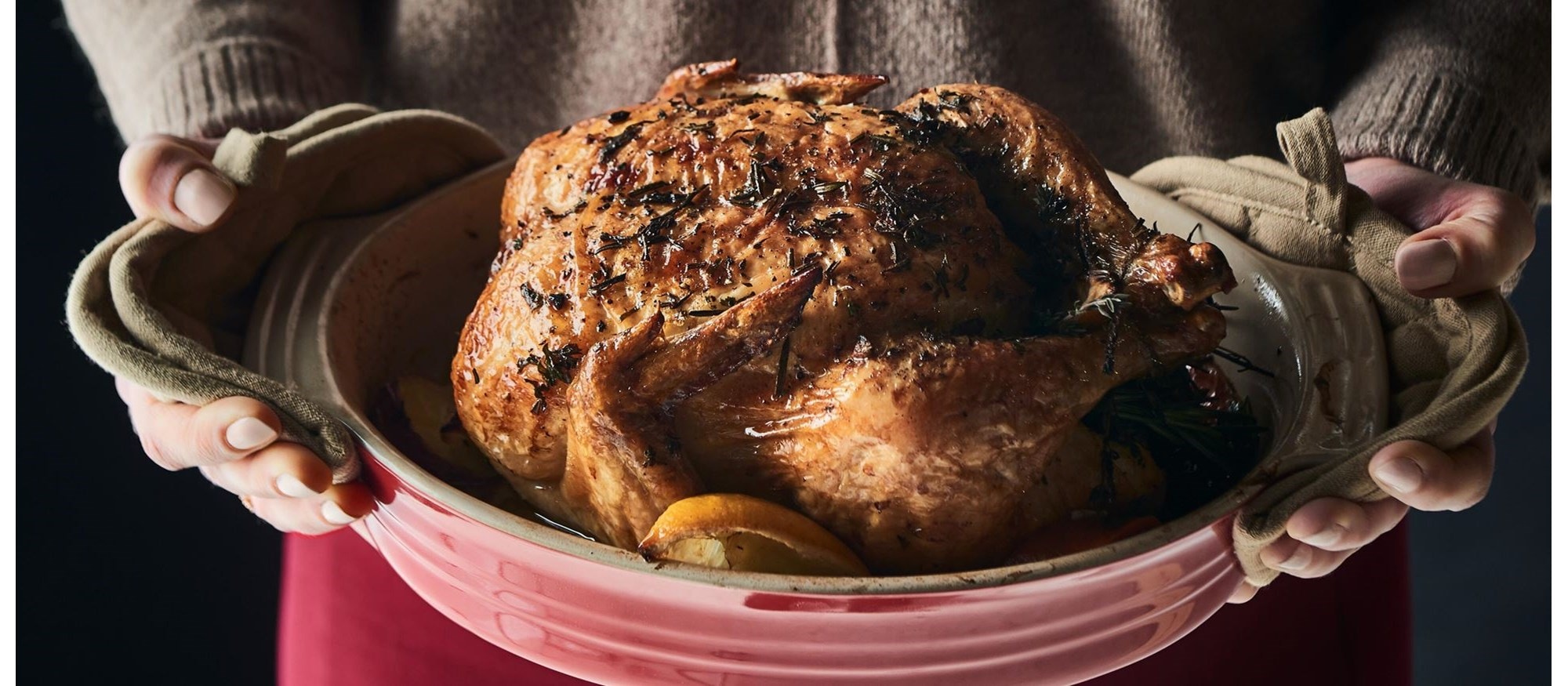
Roasting chicken in a convection oven is simple and fast. The hot air cooks the chicken evenly and crisps the skin nicely. Keep an eye on the temperature and time for best results. Use a meat thermometer to check doneness.
Rest the chicken before cutting to keep it juicy. Enjoy your tasty meal with confidence. Practice makes perfect, so try this method often. Your kitchen will smell wonderful every time you roast chicken this way.