
Are you having trouble with your Taylor digital scale not giving accurate readings? You’re not alone.
Sometimes, these scales need a simple reset to get back on track. In this guide, you’ll learn exactly how to reset your Taylor digital scale quickly and easily. By following a few straightforward steps, you’ll restore your scale’s accuracy and confidence in your measurements.
Keep reading to find out how to fix your scale and avoid common mistakes that could affect your results.
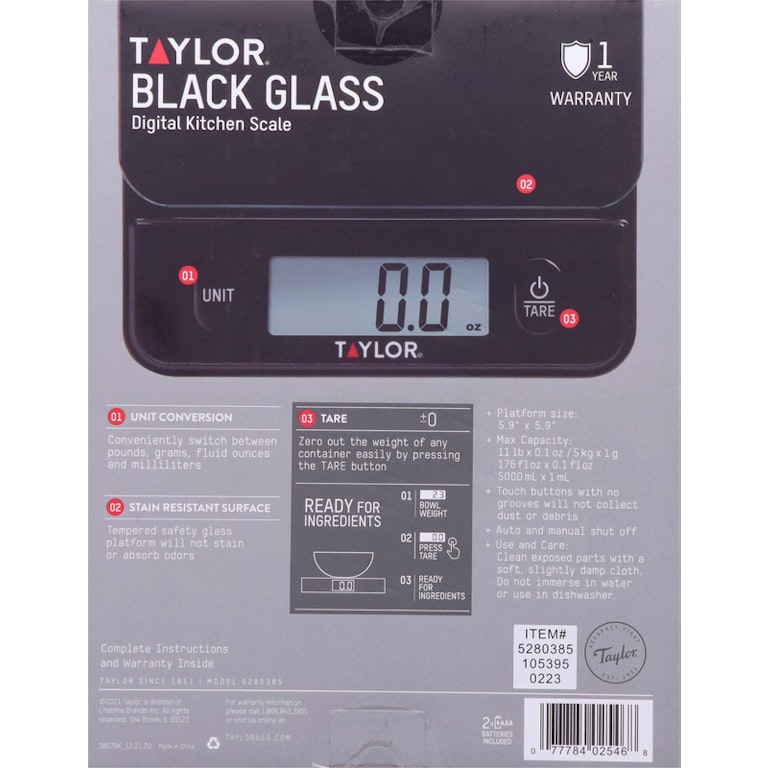
Credit: www.gianteagle.com
Preparing The Scale
Preparing your Taylor digital scale correctly is essential for accurate measurements and smooth operation. Skipping basic checks can lead to inconsistent readings or frustration during use. Taking a few minutes to get your scale ready can save you time and ensure your results are spot on.
Check The Batteries
Start by checking the batteries inside your scale. Weak or dead batteries often cause flickering displays or no power at all. Replace them if you notice dim screens or sluggish response; fresh batteries ensure your scale works at its best.
Have you ever struggled with a scale that just wouldn’t turn on? A simple battery swap fixed my issue instantly, proving this step’s importance.
Place On A Flat Surface
Set your scale on a hard, flat surface like a kitchen counter or table. Uneven floors or carpets can throw off the readings, making your measurements inaccurate. Avoid soft or tilted surfaces to keep your scale balanced and stable.
Try putting your scale on different surfaces and watch the reading change—this helps you understand why stability matters so much.
Ensure Zero Reading
Before weighing anything, make sure the scale reads zero. Most Taylor digital scales have a tare or zero button for this purpose. If your scale doesn’t show zero, press the tare button or turn it off and on again to reset.
Have you noticed how even tiny items can cause the scale to misread? Resetting to zero clears any leftover weight and sets a true baseline for your next measurement.
Resetting The Scale
Resetting your Taylor digital scale can solve many common issues like inaccurate readings or unresponsive buttons. It’s a straightforward process that helps restore your scale’s performance without needing professional help. Let’s go through the simple steps to get your scale back on track.
Locate The Reset Button
Most Taylor digital scales have a small reset button on the underside or near the battery compartment. It might be labeled “Reset” or just a tiny hole that requires a paperclip to press.
If you’ve ever struggled to find it, try flipping the scale over and inspecting the edges carefully. Knowing exactly where this button is will save you time when you need to reset quickly.
Performing The Reset
Once you find the reset button, press it firmly for about 5 seconds. You may need a thin object like a paperclip or pen tip to reach it. After releasing, wait for the display to clear or show a zero reading.
This simple press refreshes the internal settings, clearing any glitches. Have you noticed how often a quick reset solves unexpected tech hiccups? Your scale is no different.
Calibrating For Accuracy
After resetting, calibration ensures your scale gives precise measurements. Use a known weight—like a dumbbell or packaged product with a weight label—to check accuracy.
- Place the known weight on the scale.
- If the reading is off, adjust the scale according to your model’s calibration instructions.
- Repeat the process until the scale consistently shows the correct weight.
Calibration is key for reliable results, especially if you use the scale for cooking or health tracking. Have you ever wondered how small errors in weight can affect your recipes or fitness goals? Staying accurate matters more than you think.
Troubleshooting Common Issues
Troubleshooting common issues with your Taylor digital scale can save you time and frustration. Many problems have simple fixes that you can handle without professional help. Let’s look at some typical challenges and how you can address them quickly.
Scale Not Turning On
If your scale doesn’t power up, start by checking the batteries. Weak or dead batteries are the most common cause of this issue. Try replacing them with fresh ones and ensure they’re inserted correctly with the right polarity.
Also, inspect the battery compartment for any corrosion or dirt. Cleaning it gently with a cotton swab and some rubbing alcohol can improve contact. If the scale still doesn’t turn on, consider if the power button might be stuck or damaged.
Inaccurate Readings
Inaccurate weight readings can be frustrating, especially if you rely on precise measurements. Make sure the scale is placed on a flat, hard surface—not carpet or uneven flooring. This helps maintain accuracy.
Try resetting the scale by removing the batteries for a minute, then reinserting them. If your scale has a calibration mode, follow the instructions to recalibrate it. Avoid weighing items that exceed the scale’s maximum capacity, as this can damage sensors and cause errors.
Display Errors
Seeing strange symbols, flashing numbers, or a blank display can indicate display errors. Start by checking the battery level; low power often causes the screen to malfunction.
Clean the display area gently to remove any dirt or moisture that might interfere with the screen. If the problem persists, reset the scale by removing and reinserting the batteries. Persistent display errors might mean the internal components need professional repair.

Credit: manuals.plus
Maintaining Your Taylor Digital Scale
Maintaining your Taylor Digital Scale is key to ensuring accurate readings and prolonging its lifespan. Taking a few simple steps regularly can keep your scale functioning smoothly and prevent common issues. Have you ever noticed inconsistent measurements and wondered if your scale needs a little extra care? Here’s how to keep it in top shape.
Regular Cleaning Tips
Dust and residue can build up on your scale’s surface, affecting its accuracy. Use a soft, damp cloth to gently wipe the platform after each use. Avoid harsh chemicals or abrasive materials, as they can damage the sensitive sensors.
Make it a habit to clean the scale weekly, especially if you use it in a kitchen or bathroom where spills and moisture are common. Removing debris prevents false readings and keeps the display clear.
Proper Storage
Where you keep your scale matters. Store it on a flat, stable surface away from direct sunlight and extreme temperatures. This prevents warping or sensor damage caused by heat or cold.
If you’re not using your scale for a while, turn it off and keep it in a dry place to avoid moisture buildup. Have you noticed your scale acting up after being in a humid room? Proper storage could be the fix.
Battery Replacement Schedule
Weak batteries often cause erratic readings or failure to turn on. Check your scale’s manual for the recommended battery type and replacement timeline. As a rule of thumb, replace batteries every 6 months or when the display dims.
Keep spare batteries handy so you’re never caught off guard. Have you tracked how long your batteries usually last? This can help you plan replacements before your scale gives you trouble.

Credit: manuals.plus
Frequently Asked Questions
How Do I Reset A Taylor Digital Scale?
To reset your Taylor digital scale, remove the batteries, wait 30 seconds, then reinsert them. Press the reset button if available. This clears errors and recalibrates the scale for accurate readings.
Why Is My Taylor Scale Not Resetting Properly?
If your Taylor scale won't reset, check battery life first. Replace old batteries and ensure proper placement. Clean the scale surface and reset again. Persistent issues may require contacting Taylor customer support.
Can Resetting Improve My Taylor Scale's Accuracy?
Yes, resetting your Taylor digital scale can improve accuracy. It recalibrates sensors and clears errors. Regular resets help maintain precise measurements, especially after battery changes or moving the scale.
How Often Should I Reset My Taylor Digital Scale?
Reset your Taylor digital scale whenever you replace batteries or notice inaccurate readings. Routine resets every few months also help maintain consistent performance and reliability.
Conclusion
Resetting your Taylor digital scale is quick and simple. Just follow the steps carefully for accurate results. Regular resets help keep your scale working well. Don’t forget to check the batteries if problems continue. A properly reset scale gives you reliable weight measurements every time.
Keep your scale clean and on a flat surface for best use. Now you can weigh with confidence and ease. Simple care keeps your digital scale ready whenever you need it.


