Has your Samsung refrigerator stopped working right after a power outage? You’re not alone.
When the power goes out, your fridge might lose its settings or stop cooling properly. But don’t worry—resetting your Samsung refrigerator is easier than you think. You’ll learn simple steps to get your fridge back to normal quickly. Keep reading to avoid spoiled food and save time on costly repairs.
Your fridge will thank you!
Credit: www.libertyhomeguard.com
Check Power Supply
Checking the power supply is the first step to reset your Samsung refrigerator after a power outage. The appliance needs a stable power source to work properly. Without power, the refrigerator won’t start or cool. Ensuring the outlet and circuit breaker function correctly can save time and effort in troubleshooting.
Inspect The Outlet
Look closely at the outlet where the refrigerator plugs in. Make sure the plug fits tightly and fully into the socket. Loose connections can cause power interruptions. Check for any visible damage, such as cracks or burn marks around the outlet. Use a different appliance to test if the outlet works. If the other device doesn’t power on, the outlet may be faulty.
Verify Circuit Breaker
Locate your home's circuit breaker panel. Find the breaker switch assigned to the refrigerator’s outlet. Sometimes, power outages cause breakers to trip for safety. Check if the breaker is in the “off” position or in the middle. Reset the breaker by switching it fully off and then back on. This action restores electricity to the outlet. Confirm the refrigerator powers on after resetting the breaker.
Credit: www.alder.in
Reset The Refrigerator
Resetting your Samsung refrigerator after a power outage is crucial to restore its optimal performance. This process helps clear any error codes and recalibrates the internal settings. Taking a few simple steps can save you from potential cooling issues and keep your food fresh.
Unplug And Wait
Start by unplugging your refrigerator from the power source. This pause allows the internal electronics to fully reset. Waiting for about 5 to 10 minutes is usually enough to clear any residual power in the system.
During this wait, avoid rushing to plug it back in. This short break can help prevent glitches that sometimes occur after power interruptions. Think of it like giving your fridge a moment to "catch its breath."
Plug Back In
After waiting, plug your refrigerator back into the wall outlet securely. Make sure the connection is firm to avoid any loose contacts. Once powered, your fridge will start its self-check and cooling cycle.
Watch for the display panel lights and listen for the compressor sound. These signs show your fridge is resetting correctly. If the fridge doesn’t start cooling within a few minutes, consider checking the user manual or contacting support.
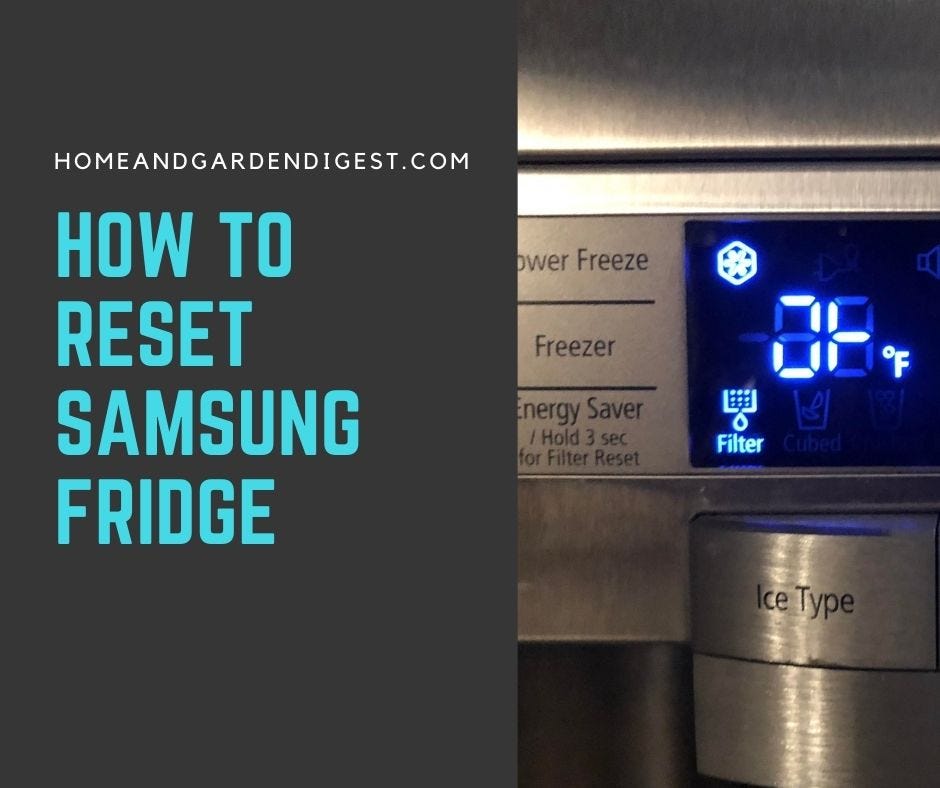
Use The Control Panel
The control panel on your Samsung refrigerator is key to resetting it after a power outage. This panel lets you manage settings and troubleshoot issues quickly. Using the control panel avoids the need for unplugging or calling for service.
Understanding how to use the control panel helps you get your fridge back to normal fast. Here’s how to find and use the reset option on the panel.
Locate Reset Button
First, find the reset button on the control panel. It is usually a small button labeled "Reset" or shown by a circular arrow symbol.
The button may be behind a small door or cover on the panel. Check your refrigerator’s user manual for the exact location.
Sometimes, the reset function is combined with other buttons like "Power Cool" or "Fridge." Pressing and holding these can trigger a reset.
Perform Manual Reset
Press and hold the reset button for 5 to 10 seconds. This action clears error codes and resets settings.
Watch for lights or sounds that confirm the reset worked. The display may blink or turn off briefly.
After the reset, wait a few minutes for the fridge to stabilize its temperature.
If the control panel is unresponsive, try unplugging the fridge for 5 minutes, then plug it back in and repeat the reset process.

Credit: www.samsung.com
Adjust Temperature Settings
Adjust the refrigerator and freezer temperatures to recommended levels after power returns. This helps maintain food freshness and proper cooling. Use the control panel to set the ideal temperature for each compartment.
After a power outage, your Samsung refrigerator may need a reset. It's crucial to adjust the temperature settings. This ensures your food stays fresh and safe. Start by checking the internal temperature display. Make sure the fridge and freezer are cooling properly. This process involves setting desired cooling levels and allowing time for stabilization.
Set Desired Cooling Levels
Select the ideal temperature for your refrigerator and freezer. Most Samsung models have easy-to-use controls. Typically, set your fridge between 37°F and 40°F. For the freezer, aim for 0°F. Use the digital display to make adjustments. If your model has a touch screen, it's even simpler. Just tap and set the temperatures. Always check the user manual for specific instructions. Follow these steps to maintain optimal food quality.
Allow Time For Stabilization
After setting the temperatures, give the fridge time to stabilize. It may take several hours for temperatures to adjust. During this period, keep the doors closed as much as possible. This helps the fridge cool down faster. After a few hours, check the internal temperature again. Use a thermometer for accuracy. Ensure that the desired settings are maintained. If temperatures fluctuate, consider seeking professional assistance. Proper stabilization is key to preserving food safety.
Troubleshoot Common Issues
After a power outage, your Samsung refrigerator may not work properly. Troubleshooting common issues helps restore its function quickly. This section guides you through simple checks to find and fix problems.
Check For Error Codes
Samsung refrigerators often display error codes on the control panel. These codes show specific problems inside the fridge. Look for flashing lights or numbers. Write down the code exactly as it appears.
Use the refrigerator manual or Samsung's website to understand the code. Common errors include temperature sensor faults or defrost system issues. Clearing the error code may require turning the fridge off and on again.
Reset the refrigerator by unplugging it for five minutes. Plug it back in and see if the error code disappears. If the code remains, contact Samsung support or a technician for help.
Inspect Door Seals
Door seals keep cold air inside the fridge. Damaged seals cause temperature problems and increase power use. Check the seals for cracks, tears, or dirt buildup.
Run your hand along the seal to feel for gaps or loose areas. Use a damp cloth to clean dirt and sticky residue. This helps the seal close tightly.
Try the paper test: place a piece of paper between the door and the fridge. Close the door and pull the paper. If it slides out easily, the seal may need replacing.
Proper door seals help keep the fridge cold and fresh. Replace damaged seals promptly to avoid bigger issues.
Prevent Future Problems
Preventing future problems with your Samsung refrigerator is key to keeping it running smoothly after a power outage. Taking simple, proactive steps can save you from repeated resets and costly repairs. Let’s look at practical ways you can protect your appliance and extend its lifespan.
Use Surge Protectors
Power surges during outages can harm your refrigerator’s delicate electronics. Plugging your Samsung fridge into a high-quality surge protector helps guard it against sudden voltage spikes.
Choose a surge protector with a joule rating that matches or exceeds the power needs of your appliance. This small investment can prevent damage to the control board and compressor, which are expensive to replace. Have you checked if your fridge’s outlet is protected yet?
Regular Maintenance Tips
Keeping your refrigerator well-maintained reduces the chance of malfunction after a power outage. Clean the condenser coils every few months to prevent overheating. Dust and debris buildup can make your fridge work harder, increasing the risk of breakdowns.
Also, check door seals regularly to ensure they close tightly. A weak seal lets cold air escape, forcing the fridge to run constantly and potentially causing electrical issues. Simple upkeep like this can keep your Samsung fridge operating efficiently and reliably.
Frequently Asked Questions
How Do I Reset My Samsung Fridge After Power Outage?
Unplug the fridge for 5 minutes to reset the control board. Plug it back in and wait for the display to stabilize. This clears error codes and restores normal operation.
Why Is My Samsung Refrigerator Not Cooling After Power Loss?
Power outages can disrupt the compressor and sensors. Resetting the fridge often fixes this. Check the temperature settings and allow 24 hours for cooling to normalize.
Can I Reset Samsung Fridge Without Unplugging It?
Most Samsung models require unplugging to reset. Some have a reset button or control panel option. Refer to your user manual for specific reset instructions.
How Long Does Samsung Fridge Take To Reset After Outage?
Resetting usually takes 5 to 10 minutes once unplugged. After powering on, cooling may take 4 to 24 hours to stabilize fully.
Conclusion
Resetting your Samsung refrigerator after a power outage is simple. Follow the steps carefully to ensure your fridge works well again. Check the display panel and press the reset button if needed. Wait for a few minutes to let the fridge adjust.
Keep the doors closed to keep the cold inside. This helps your food stay fresh longer. Regular care prevents problems after power outages. Stay calm and patient during the reset process. Your fridge will return to normal soon.