Your cutting board is one of the hardest-working tools in your kitchen. But over time, stains from fruits, vegetables, and meats can make it look worn and dirty.
You might feel frustrated, wondering if those stubborn marks will ever come off. The good news? You don’t need to replace your cutting board or buy expensive cleaners. You’ll discover simple, effective ways to remove stains and restore your board’s fresh, clean look.
Keep reading—your kitchen will thank you!
Common Stains On Cutting Boards
Cutting boards often face various stains from daily kitchen use. These stains can affect their look and hygiene. Knowing common stains helps in effective cleaning and maintenance. Here are typical stains you might find on cutting boards.
Food-based Stains
Food stains come from raw meat, poultry, and fish juices. These stains can leave red or brown marks. Cooking spices like turmeric and paprika also cause stubborn stains. These spots may carry bacteria if not cleaned well.
Oil And Grease Marks
Oils from cooking and dressing can leave greasy patches. Grease stains appear shiny and feel slippery to touch. These marks attract dirt and dust, making the board look dirty. Regular washing is key to removing oil stains.
Discoloration From Fruits And Vegetables
Some fruits and vegetables leave colorful stains on boards. Beets, carrots, and berries are common culprits. Acidic fruits like lemons and tomatoes can cause faded spots. These stains can be tough but not impossible to remove.
Choosing The Right Cleaning Materials
Choosing the right cleaning materials plays a big role in removing stains from your cutting board. The materials must be effective but gentle enough to protect the board’s surface. Using the wrong products or tools can damage the wood or plastic, making stains worse or causing cracks. Understanding the options helps you pick the best cleaners and tools for a fresh, clean board every time.
Natural Cleaners
Natural cleaners work well on stains and are safe for most cutting boards. Common choices include:
- Lemon juice – breaks down stains and removes odors
- Baking soda – acts as a mild abrasive for scrubbing
- White vinegar – kills bacteria and lightens stains
- Salt – helps scrub off tough spots without scratching
These ingredients are easy to find and eco-friendly. They clean without harsh chemicals, keeping your board safe for food prep.
Commercial Cleaning Products
Commercial cleaners designed for cutting boards offer strong stain removal. Look for:
- Food-safe antibacterial sprays and wipes
- Specialized cutting board cleaners with gentle formulas
- Non-toxic bleach alternatives for tough stains
Check labels to ensure the product suits your board type. Avoid harsh chemicals that can erode wood or plastic surfaces.
Tools For Scrubbing And Sanitizing
Using the right tools helps clean without damaging the board. Good options include:
- Soft scrub brushes – remove stains without scratching
- Non-abrasive sponges – gentle on surfaces
- Microfiber cloths – great for wiping and drying
- Plastic scrapers – lift stuck-on food safely
Avoid steel wool or hard brushes that can leave marks. Proper tools make cleaning faster and extend your board’s life.
Step-by-step Stain Removal Methods
Removing stains from a cutting board keeps it clean and safe for food. Stains can come from fruits, vegetables, or meats. Quick stain removal prevents odors and bacteria buildup. These simple steps use common household items. Follow these easy methods to restore your cutting board’s look and hygiene.
Using Baking Soda And Vinegar
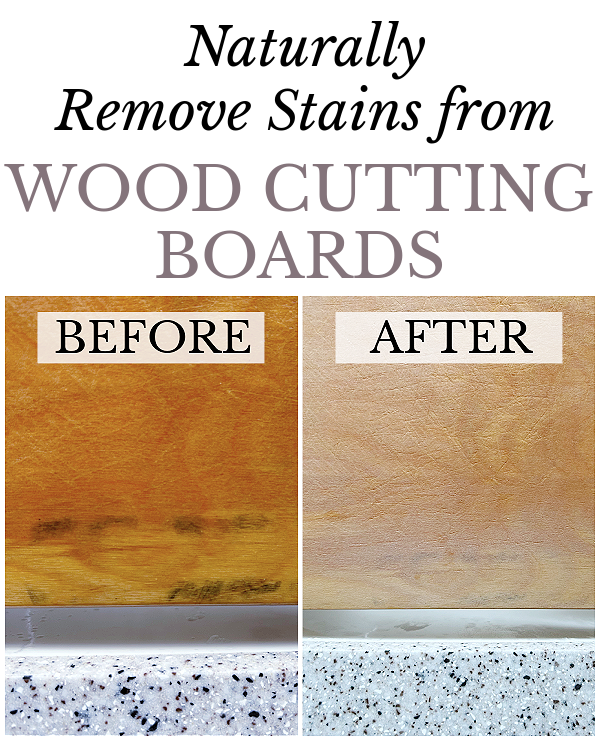
Baking soda and vinegar create a natural cleaning duo. Start by sprinkling baking soda over the stained area. Then, pour a small amount of vinegar on top. The mixture will fizz and lift stains.
- Let it sit for 5 to 10 minutes.
- Scrub gently with a soft brush or sponge.
- Rinse with warm water.
- Dry the board with a clean towel.
This method works well for everyday stains and odors.
Lemon And Salt Treatment
Lemon and salt act as natural bleach and scrubbers. Cut a lemon in half and dip it in coarse salt. Rub the lemon on the stained spot firmly. The salt scrubs while the lemon juice breaks down stains.
- Cover the entire stain with the lemon and salt mixture.
- Let it rest for 5 minutes.
- Rinse thoroughly with warm water.
- Dry completely before use.
This method brightens the board and removes light stains.
Hydrogen Peroxide For Tough Stains
Hydrogen peroxide is ideal for stubborn stains and bacteria. Pour a small amount directly on the stain. Spread it evenly with a cloth or sponge. Let it sit for 10 minutes to bleach the area.
- Rinse well with warm water after treatment.
- Dry the cutting board thoroughly.
Use this method sparingly to avoid damaging wood boards.

Maintaining A Spotless Cutting Board
Maintaining a spotless cutting board is key to keeping your kitchen hygienic and your food tasting fresh. Stains and odors can build up quickly, especially if you use your board daily. Taking a few simple steps regularly can extend the life of your cutting board and keep it looking like new.
Regular Cleaning Routine
Clean your cutting board immediately after each use. Use hot, soapy water and a scrub brush or sponge to remove food particles and stains.
For tougher stains, sprinkle baking soda on the surface and scrub gently with a damp cloth. This natural abrasive helps lift stains without damaging the board.
Rinse thoroughly and avoid soaking your board for long periods to prevent warping or cracking.
Proper Drying Techniques
After washing, dry your cutting board thoroughly with a clean towel. Leaving moisture on the surface can encourage bacteria growth and cause wood to swell.
Stand the board upright or place it on a rack to air dry completely on all sides. This helps prevent moisture from getting trapped underneath.
Have you ever noticed a musty smell after storing a damp cutting board? Proper drying is a simple way to avoid that unpleasant odor.
Oiling And Conditioning Wooden Boards
Wooden cutting boards need regular oiling to stay in good shape. Use food-grade mineral oil or a specialized cutting board oil to nourish the wood and prevent cracking.
Apply a generous amount of oil with a clean cloth and let it soak in overnight. Wipe off any excess oil the next day.
Conditioning your board once a month helps maintain its smooth surface and keeps stains from setting in deeply.
Avoiding Future Stains
Stains on cutting boards can be frustrating. They not only spoil the look but can also harbor bacteria. By adopting some smart practices, you can avoid future stains. Keep your cutting boards clean and safe for use.
Separate Boards For Different Foods
Using separate boards for different types of food prevents cross-contamination. Have one board for raw meats and another for fruits and vegetables. This keeps strong odors and colors from transferring. It also reduces the risk of foodborne illnesses.
Immediate Cleaning After Use
Clean your cutting board immediately after use. This prevents stains from setting in. Rinse it with hot water and a mild detergent. This simple act saves you time and effort later.
Using Protective Cutting Mats
Consider using protective cutting mats on your boards. They act as a barrier between food and the board. These mats are easy to clean and replace. They help maintain your cutting board's appearance and hygiene.

Frequently Asked Questions
How Do I Remove Stains From A Wooden Cutting Board?
To remove stains from wood, sprinkle baking soda on the board. Rub with a lemon half, then rinse with warm water. Dry thoroughly to prevent warping and bacteria growth.
Can Vinegar Help Clean Cutting Board Stains?
Yes, white vinegar is a natural disinfectant. Apply it to the stained area, let it sit for a few minutes, then rinse. It removes stains and kills bacteria effectively.
What Household Items Remove Stubborn Cutting Board Stains?
Baking soda, lemon juice, and white vinegar are effective. Mix baking soda and water to form a paste. Apply, scrub gently, then rinse and dry the board.
How Often Should I Clean My Cutting Board To Avoid Stains?
Clean your cutting board after every use. Regular washing prevents stains and bacteria buildup. Use hot, soapy water and dry immediately for best results.
Conclusion
Keeping your cutting board clean helps prevent stains and bacteria. Simple methods like using lemon, baking soda, or vinegar work well. Regular cleaning keeps your board fresh and safe for food. Stains fade over time with proper care. Remember, a clean cutting board lasts longer and looks better.
Try these easy tips for a spotless board every day. Clean boards make cooking more enjoyable and healthy. Small effort, big difference.