Rust stains on your stainless steel refrigerator can be frustrating and spoil the sleek look of your kitchen. But here’s the good news—you don’t need to replace your fridge or spend a fortune to fix it.
You can remove those stubborn rust spots yourself, quickly and safely. You’ll discover simple, effective methods that anyone can use to restore your fridge’s shine. Keep reading, and you’ll learn how to tackle rust stains with everyday items you probably already have at home.
Your stainless steel refrigerator will look brand new again in no time!
Causes Of Rust Stains
Rust stains on your stainless steel refrigerator can be frustrating, especially when you expect this material to resist corrosion. Understanding what causes these stains helps you prevent them and keep your appliance looking new. Let’s look at the main factors that lead to rust stains on stainless steel.
Common Rust Sources
Rust often comes from everyday items and environmental factors around your kitchen. Metal tools, cans, or even utensils left against the refrigerator surface can leave tiny particles that start to rust. These particles may seem harmless, but over time, they can cause visible stains.
Have you noticed how small scratches or dents on your fridge attract rust? These imperfections create spots where rust can develop more easily. Even dust and dirt carrying iron particles from outside can settle on your fridge and trigger rust stains.
Impact Of Moisture
Moisture is a major player in the rusting process. Spills, steam from cooking, or humidity in your kitchen can create a damp environment on your fridge’s surface. This moisture interacts with iron particles, causing oxidation, which leads to rust.
Think about times when you cleaned your fridge but didn’t dry it properly. That lingering dampness increases the chance of rust stains forming. Keeping your fridge dry is often an overlooked but simple step to stop rust before it starts.
Material Vulnerabilities
Even though stainless steel is designed to resist rust, it isn’t completely immune. Different grades of stainless steel vary in their resistance to rust, and cheaper models may have less protection. If your refrigerator uses a lower grade, it might develop rust stains more easily.
Scratches, harsh cleaners, and abrasive sponges can damage the protective layer of your stainless steel. Once this layer is compromised, rust can set in quickly. Are you using the right cleaning tools to protect your fridge’s surface?

Credit: www.walmart.com
Safety Tips Before Cleaning
Before you dive into removing rust stains from your stainless steel refrigerator, it’s essential to prioritize safety. Cleaning agents and physical scrubbing can pose risks if you’re not prepared. Taking a few safety precautions will protect both you and your appliance.
Protective Gear
Always wear gloves to shield your hands from harsh chemicals and abrasive materials. Rubber or nitrile gloves work best to prevent skin irritation and chemical burns.
Consider wearing safety goggles too, especially if you’re using sprays or liquids that might splash. Protecting your eyes is crucial since rust removers can contain strong ingredients.
Ventilation Importance
Make sure the area where you clean is well-ventilated. Open windows or turn on fans to keep fresh air flowing and reduce inhaling fumes from cleaning products.
Have you ever felt dizzy or nauseous after using a strong cleaner? Poor ventilation is often the cause, and it’s something you can easily avoid with proper airflow.
Avoiding Damage
Be gentle with your refrigerator’s surface to avoid scratches. Avoid using steel wool or harsh scrubbers that can damage the stainless steel finish.
Test any cleaning solution on a small, hidden spot first to ensure it doesn’t discolor or harm the surface. This simple step can save you from costly repairs or replacements later.
Household Remedies For Rust Removal
Rust stains on your stainless steel refrigerator can be frustrating, but you don't need harsh chemicals to tackle them. Household remedies offer simple, effective solutions using items you likely already have. These natural methods not only clean rust but also help protect the surface without causing damage.
Baking Soda Paste
Baking soda is a gentle abrasive that lifts rust without scratching stainless steel. Mix baking soda with a little water to form a thick paste. Apply the paste directly to the rust spots and let it sit for 15 to 20 minutes.
Afterward, scrub gently with a soft cloth or sponge in circular motions. Rinse the area with clean water and dry thoroughly to prevent new rust from forming. Have you noticed how baking soda often works wonders beyond just baking?
Vinegar Application
White vinegar’s acidity breaks down rust effectively. Soak a cloth in white vinegar and place it over the rust stain. Leave it on for about 30 minutes to allow the vinegar to dissolve the rust.
Rub the area gently with the cloth, then rinse with water and dry it well. Vinegar is an affordable, eco-friendly option that you can rely on anytime rust shows up. How often do you find vinegar useful in your cleaning routine?
Lemon Juice Technique
Lemon juice contains natural acids that help remove rust stains while adding a fresh scent. Squeeze fresh lemon juice onto the rust spots or rub half a lemon directly on them. Let it sit for 10 to 15 minutes.
For stubborn stains, sprinkle salt over the juice for extra scrubbing power. Wipe off with a damp cloth and dry the surface completely. Have you tried lemon juice on other stains around your home and been surprised by the results?
Commercial Rust Removers
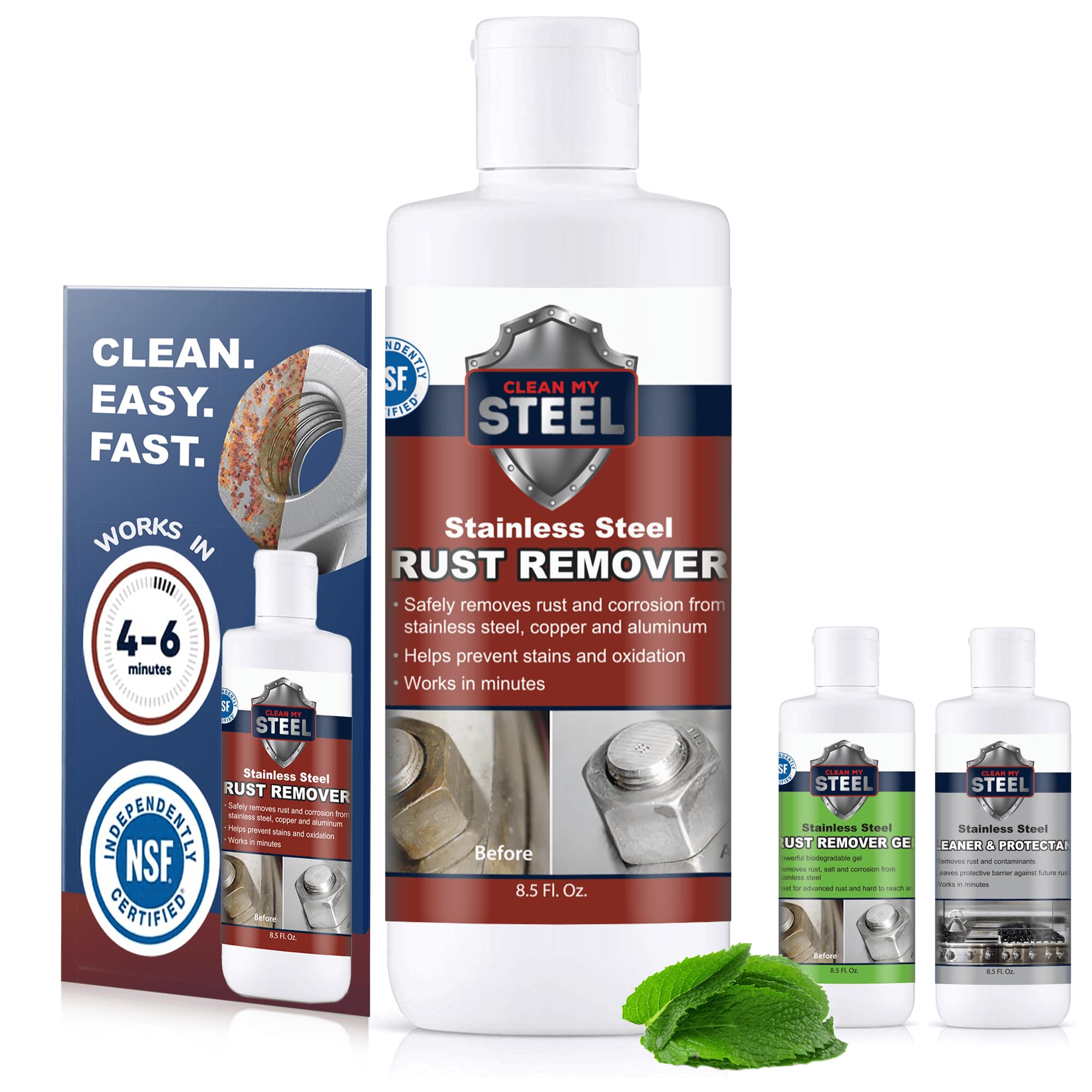
Rust stains on stainless steel refrigerators can be removed using commercial rust removers designed for kitchen appliances. Apply the remover gently with a soft cloth, then rinse and dry the surface to restore its shine. Regular cleaning helps prevent future rust buildup.
Removing rust stains from your stainless steel refrigerator can be quite a challenge. Fortunately, commercial rust removers offer a convenient solution. These products are specifically formulated to tackle stubborn rust stains without damaging the steel surface. With a variety of options available, it's important to choose the right product and use it correctly to ensure effective results.
Choosing The Right Product
When selecting a commercial rust remover, read the labels carefully. Look for products that are specifically designed for stainless steel surfaces. Some removers contain harsh chemicals that might cause discoloration or damage. It's beneficial to choose a non-abrasive option that emphasizes safety for both the appliance and your skin. Customer reviews can also provide insights into the effectiveness of a product. Consider your needs and preferences before making a purchase. Do you prioritize eco-friendly solutions? Or are you looking for something quick and powerful?
Usage Instructions
Once you have the right product, follow the manufacturer's instructions closely. Typically, you will apply the remover to a clean cloth and gently rub it onto the rust-stained area. Avoid scrubbing too hard, as this can scratch the surface. Let the solution sit for the recommended time, often a few minutes, to break down the rust. Afterward, wipe the area with a damp cloth to remove any residue. Finish by drying the surface with a clean towel to prevent water spots.
Precautions
Safety should always be a priority. Ensure adequate ventilation in the area where you're working, especially if the product has strong fumes. Wear gloves to protect your hands from chemicals, and avoid contact with your eyes. If you have sensitive skin, consider wearing long sleeves as an extra precaution. Store the product out of reach of children and pets. Before using on a larger area, test the remover on a small, inconspicuous spot to ensure it doesn't cause any adverse effects. Taking these precautions will help you effectively remove rust stains while keeping your home safe.
Step-by-step Cleaning Process
Removing rust stains from your stainless steel refrigerator doesn't have to be a daunting task. A clear, step-by-step cleaning process can make the job easier and more effective. Let’s break down how you can tackle those stubborn stains and restore your fridge’s shine.
Preparing The Surface
Start by wiping the affected area with a soft cloth and warm, soapy water. This removes any dirt or grease that could interfere with the rust remover’s effectiveness. Dry the surface completely with a clean towel to prevent water spots.
Before applying any product, test it on a small, hidden spot to ensure it won’t damage the finish. Have you ever tried cleaning without prepping the surface? It usually makes the process less effective and messier.
Applying Rust Remover
Choose a rust remover that’s safe for stainless steel. Apply it gently with a soft cloth or sponge, focusing only on the rust stains. Avoid scrubbing too hard to prevent scratching the surface.
Let the remover sit for the recommended time specified on the product label. This allows it to break down the rust without harming your fridge. If you prefer a natural alternative, a paste made from baking soda and water can work well too.
Rinsing And Drying
After the rust remover has done its job, rinse the area thoroughly with clean water. This step is crucial to remove any leftover chemicals that could cause discoloration over time.
Dry the surface completely with a soft towel or microfiber cloth. This prevents new rust spots and keeps your stainless steel looking polished. Have you noticed how drying properly makes a big difference in maintaining your fridge’s appearance?
Credit: www.amazon.com
Preventing Future Rust Stains
Preventing future rust stains on your stainless steel refrigerator is key to keeping it looking new. Rust forms when metal meets moisture and air for a long time. Taking simple steps can stop rust before it starts. These steps keep your fridge clean and safe from damage.
Regular Maintenance
Clean your refrigerator surface often with a soft cloth and mild soap. Avoid harsh chemicals that can harm the steel. Wipe spills quickly to stop moisture from sitting on the surface. Check for scratches and fix them to prevent rust from forming in damaged areas.
Moisture Control
Keep the fridge area dry to avoid rust. Use a dehumidifier in damp rooms. Make sure the fridge door seals tightly to stop humidity from entering. Avoid placing wet items on the fridge surface. Good airflow around the fridge helps reduce moisture buildup.
Protective Coatings
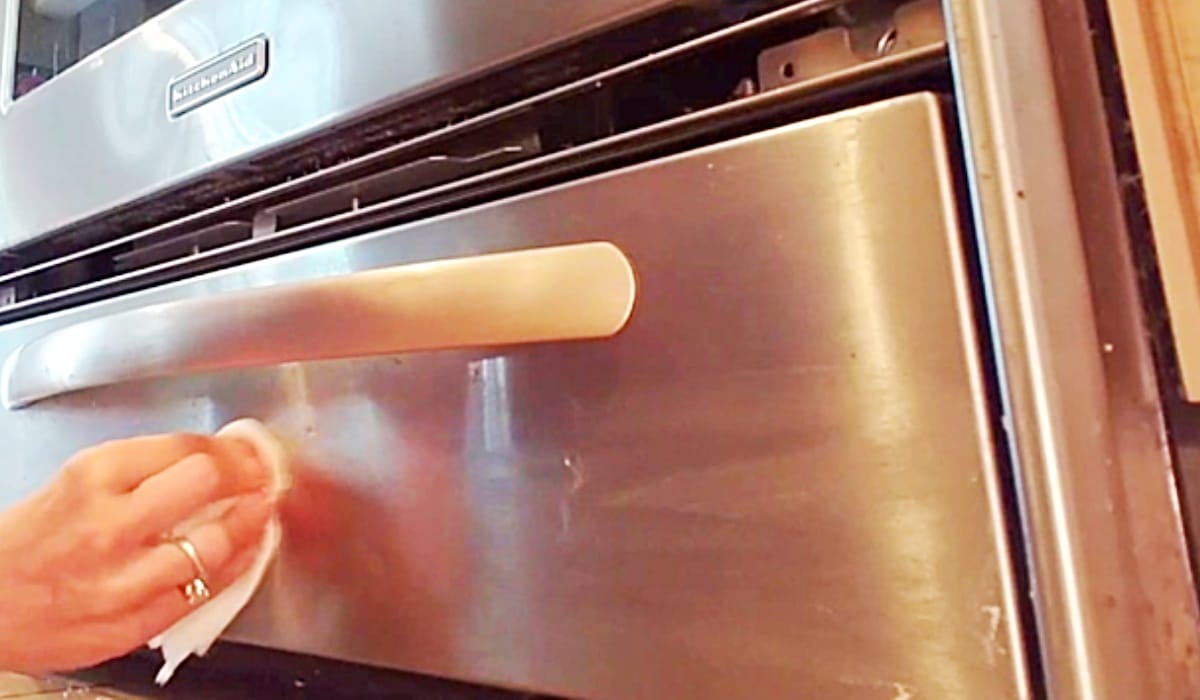
Apply a thin layer of stainless steel polish or wax to the fridge surface. This layer acts as a barrier against moisture and air. Use products made for stainless steel to avoid damage. Reapply the coating every few months for continuous protection.
Credit: diyjoy.com
Frequently Asked Questions
How Can I Remove Rust Stains Safely From Stainless Steel?
Use a paste of baking soda and water. Apply it on rust stains and gently scrub with a soft cloth. Rinse with clean water and dry thoroughly to prevent more rust.
What Household Items Remove Rust From Stainless Steel?
White vinegar, lemon juice, and baking soda effectively remove rust. Apply them on stains, let sit, then scrub gently. These natural items are safe and eco-friendly for stainless steel.
Can Rust Damage My Stainless Steel Refrigerator?
Yes, rust can damage the surface and cause permanent stains. Early removal prevents corrosion and keeps the refrigerator looking new and functioning well.
How Often Should I Clean Rust Stains On Stainless Steel?
Clean rust stains immediately when noticed. Regular cleaning every few weeks helps prevent rust buildup and maintains the refrigerator’s appearance and durability.
Conclusion
Rust stains on your stainless steel fridge can be tricky. Simple household items can remove these stains easily. Regular cleaning helps keep your fridge looking new. Avoid harsh chemicals that may damage the surface. Treat stains as soon as you see them.
Clean and dry the area well after removing rust. These small steps keep your appliance shiny and fresh. A clean fridge means a healthier kitchen. Try these tips and enjoy a spotless stainless steel fridge.