Have you ever noticed that strong onion smell lingering on your wooden cutting board, no matter how many times you wash it? That stubborn odor can be frustrating and make your kitchen feel less fresh.
But don’t worry—getting rid of that smell is easier than you think. You’ll discover simple, effective ways to remove onion smell from your wooden cutting board, so it smells clean and ready for your next meal. Keep reading to learn the quick tricks that will save your kitchen and your senses!
Credit: www.homedepot.com
Why Onion Smell Lingers
The onion smell often stays on wooden cutting boards long after use. This lingering odor can be hard to remove. Understanding why this happens helps find the best cleaning methods.
Properties Of Onion Odor
Onions release sulfur compounds when cut. These compounds create a strong, sharp smell. The odor molecules are small and can stick to surfaces easily. They also react with air, making the smell last longer. The smell can be quite stubborn because of these chemical properties.
Wood's Porous Nature
Wood is a natural material with tiny holes and fibers. These pores absorb liquids and odors quickly. When you cut onions, the smell seeps into the wood’s pores. The odor gets trapped inside, making it tough to wash out. The rough surface of wood holds onto smells more than plastic or glass.
Immediate Cleaning Steps
Dealing with the stubborn onion smell on your wooden cutting board right after use can save you a lot of trouble later. Acting quickly prevents the odor from soaking deep into the wood fibers. Here are some immediate cleaning steps that work effectively to keep your board fresh and ready for the next use.
Rinsing With Cold Water
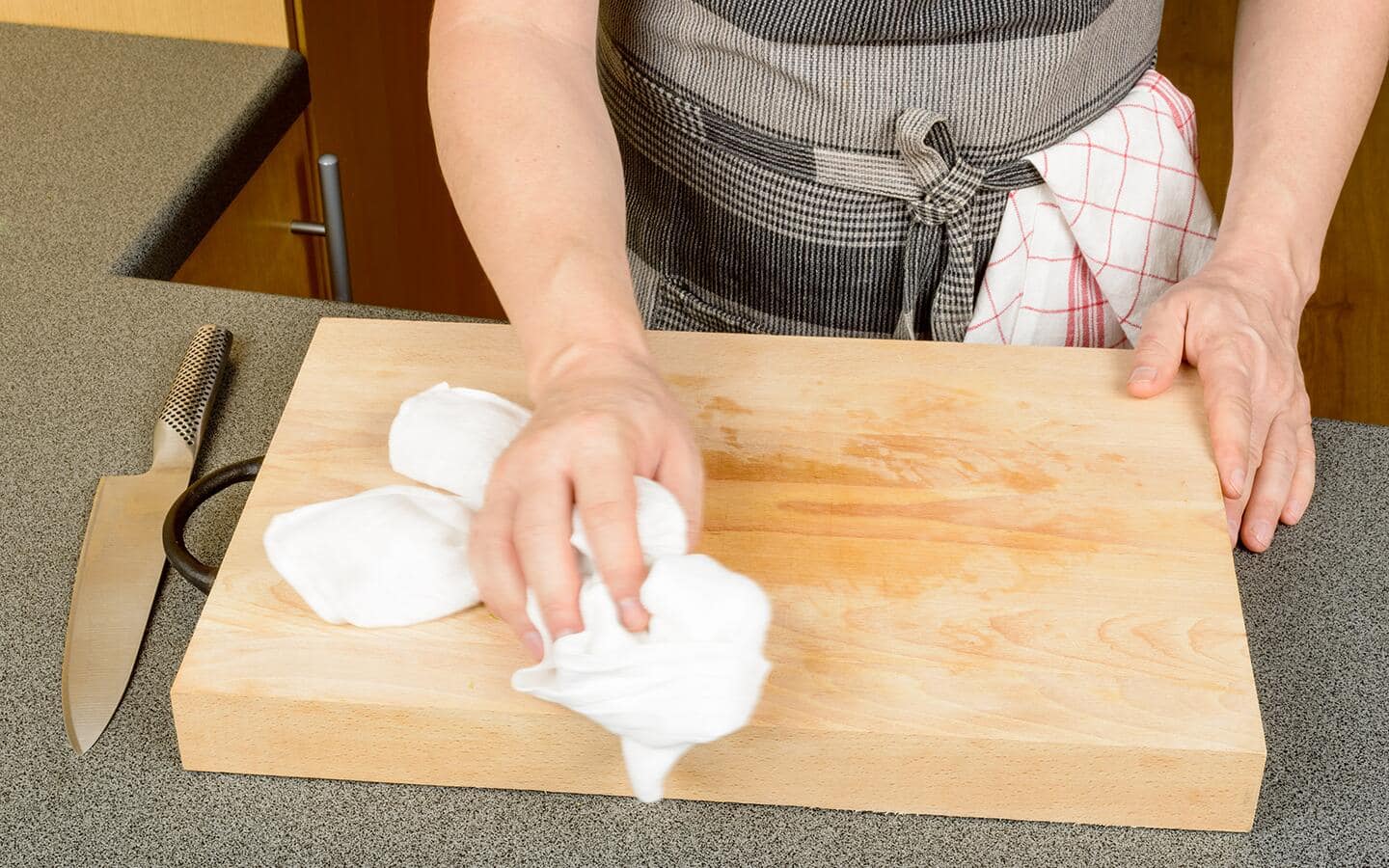
Start by rinsing your cutting board under cold running water. Cold water helps to wash away onion juice and particles without opening up the wood pores more, which hot water might do.
Make sure to rub the surface gently with your hands or a soft brush while rinsing. This simple step can remove much of the onion residue before it settles in.
Using Mild Soap
After rinsing, apply a small amount of mild dish soap to the board. Avoid harsh detergents that can damage the wood or leave behind strong chemical smells.
Use a sponge or cloth to scrub the board thoroughly, focusing on areas that had direct contact with onions. Rinse again with cold water to remove all soap traces.
Have you noticed how quick action here can save hours of odor removal later? Immediate cleaning is your best defense against lingering onion smells on wooden boards.
Natural Deodorizing Methods
Natural deodorizing methods offer a safe and effective way to remove onion smell from wooden cutting boards. These approaches use common kitchen ingredients that neutralize odors without harsh chemicals. They help keep your board fresh and ready for the next use.
Try these simple techniques to eliminate onion odors while protecting your wooden cutting board's surface. Each method is easy to follow and uses natural ingredients you likely have at home.
Lemon Juice Application
Cut a fresh lemon in half and rub it over the wooden board's surface. The lemon juice's acidity helps break down odor-causing compounds. Let the juice sit for 5 minutes to absorb the smell.
Rinse the board with warm water and dry it thoroughly. Repeat if the onion smell persists. Lemon also leaves a fresh citrus scent behind.
Baking Soda Scrub
Sprinkle baking soda evenly across the cutting board. Add a few drops of water to make a paste. Use a soft cloth or sponge to scrub the surface gently.
Baking soda absorbs odors and lifts stains from the wood. Rinse the board well and dry it completely. This method is great for deep odor removal.
White Vinegar Rinse
Mix equal parts white vinegar and water in a spray bottle. Spray the mixture over the board and let it sit for 5 minutes. Vinegar’s natural acidity neutralizes strong smells effectively.
Rinse the board with warm water and dry it with a clean towel. Vinegar also helps sanitize the cutting board naturally. Use this rinse regularly for odor control.

Credit: food52.com
Deep Cleaning Techniques
Removing onion smell from a wooden cutting board requires more than a quick rinse. Deep cleaning techniques help eliminate odors trapped in the wood's pores. These methods use natural ingredients and safe chemicals to refresh your board. Regular deep cleaning keeps your kitchen tools clean and odor-free.
Salt And Lemon Scrub
Coarse salt works as a gentle abrasive to scrub away odor particles. Lemon juice adds natural acidity to break down smells and stains. Sprinkle salt over the cutting board surface. Cut a lemon in half and use it to scrub the salt into the wood. Let it sit for 5 minutes to absorb the smell. Rinse with warm water and dry thoroughly. This technique refreshes the board and leaves a clean citrus scent.
Hydrogen Peroxide Treatment
Hydrogen peroxide kills odor-causing bacteria on the board. Pour a small amount onto the surface and spread evenly. Let it bubble and sit for 10 minutes. Use a clean cloth to wipe the board. Rinse with warm water and dry well. This treatment brightens the wood and removes stubborn onion smells safely.
Preventing Odor Build-up
Regularly clean the board with lemon juice or vinegar to stop onion odors from settling in. Dry it well after washing to prevent smells from growing. Using salt and baking soda can also keep the cutting board fresh.
Preventing Odor Build-Up Wooden cutting boards are kitchen essentials, but they can quickly become a breeding ground for unwanted smells, especially from onions. The key to keeping your board fresh and odor-free lies in regular care. Let's dive into some practical ways to prevent those stubborn onion odors from sticking around.
Regular Maintenance Tips
Regular cleaning is your first line of defense against odor build-up. After each use, make sure to wash your board with warm, soapy water. A simple scrub can go a long way in preventing lingering smells. Consider using a mixture of vinegar and water for a deeper clean once a week. This natural disinfectant not only cleans but also neutralizes odors. Have you ever tried sprinkling a bit of baking soda on your board? It acts like a gentle scrub, helping to lift and remove embedded smells.
Proper Drying Practices
Drying your cutting board properly is crucial in preventing odors. After washing, wipe your board with a clean towel and let it air dry completely. Avoid stacking wet boards as moisture can trap smells and lead to mold growth. If you’re in a hurry, stand the board upright to allow maximum airflow around it. Ever thought about using a fan? It speeds up drying and ensures no moisture is left behind. Proper drying not only keeps your board odor-free but also extends its life. By incorporating these simple practices into your routine, you can keep your wooden cutting board fresh and ready for your next culinary adventure. Are there any other methods you've found effective in keeping your kitchen tools odor-free?

Credit: www.thekitchn.com
When To Replace Your Cutting Board
Knowing when to replace your wooden cutting board is just as important as learning how to clean it. Over time, even the best care can't prevent wear and tear or health risks. Recognizing the right moment to say goodbye helps you maintain a safe and pleasant cooking space.
Signs Of Wear And Tear
Look closely at your cutting board's surface. Deep grooves and cracks can trap food particles and bacteria, making cleaning difficult.
If your board has visible discoloration or warping, it’s a clear sign that the wood is breaking down. You might notice the board feels rougher or uneven under your knife.
Have you noticed your cutting board smelling persistently, even after thorough cleaning? That lingering odor can signal that the wood is absorbing too much moisture and odors, which won't go away with simple washing.
Health Considerations
Your cutting board is a tool that comes into contact with raw food, so hygiene matters a lot. When bacteria hide in cracks or deep cuts, they can contaminate your food and cause illness.
If your wooden board has started to splinter, it’s time to replace it. Tiny wood splinters can mix with your food, creating a choking hazard or causing injury.
Think about how often you use your board for raw meat or strong-smelling foods like onions. If you struggle to remove odors or stains no matter what cleaning methods you try, this can be a sign that the wood is compromised and unsafe to use.
Frequently Asked Questions
How Do I Remove Onion Smell From Wooden Boards?
To remove onion smell, sprinkle baking soda on the board. Rub it with a lemon half, then rinse with warm water. Dry thoroughly to prevent odor from returning.
Can Vinegar Eliminate Onion Odors On Wood?
Yes, vinegar neutralizes onion odors effectively. Mix equal parts white vinegar and water, wipe the board with the solution, then rinse. Vinegar kills bacteria causing the smell.
Is Salt Useful For Deodorizing Cutting Boards?
Salt absorbs odors and gently scrubs the surface. Sprinkle coarse salt, rub with lemon or a damp cloth, then rinse. This method freshens the board naturally.
How Long Should I Air Dry Wooden Cutting Boards?
Air dry boards upright for at least 2 hours. Proper drying prevents moisture buildup, which can trap odors and cause bacteria growth.
Conclusion
Removing onion smell from your wooden cutting board is easy and quick. Use lemon, salt, or baking soda to scrub the surface well. Rinse with warm water and dry the board completely. Repeat if the smell lingers. Clean your board right after cutting onions to stop odors.
Keep your kitchen fresh and your cutting board ready for the next meal. Simple steps, great results. No more onion smell!