Is your freezer showing signs of mold? Mold can sneak in unnoticed and cause unpleasant smells or even health risks.
You might be wondering how to get rid of it quickly and safely. This guide will help you remove mold from your freezer step-by-step, so you can protect your food and keep your appliance clean. Keep reading to discover simple tips that anyone can follow, even if you’re not an expert.
Your freezer—and your health—will thank you.
Signs Of Mold In Freezer
Mold in your freezer can cause bad smells and spoil food. It grows in damp, cold places that stay wet. Mold can be hard to spot at first. Knowing the signs helps you act fast to keep your freezer clean and safe.
Common Mold Spots
- Inside freezer walls and corners
- On door seals and rubber gaskets
- Under shelves or drawers
- On ice buildup or frost
- In food packaging that is damaged or wet
Mold often looks like black, green, or white spots. It can also appear fuzzy or slimy. Watch for discoloration or patches that seem unusual.
Health Risks Of Mold
Mold can cause allergic reactions like sneezing and itchy eyes. Some people may get skin rashes or breathing problems. Eating moldy food can lead to stomach upset or food poisoning.
Children, elderly, and people with weak immune systems face higher risks. Removing mold quickly protects your health and keeps food safe to eat.
Safety Measures Before Cleaning
Cleaning mold from a freezer requires careful preparation. Mold spores can harm your health and spread easily. Taking safety measures protects you and prevents contamination. Follow these steps before starting the cleaning process.
Protective Gear To Wear
Wear gloves to protect your hands from mold and cleaning agents. Use a mask to avoid breathing in mold spores. Safety goggles shield your eyes from irritants. Wear old clothes or a protective apron to keep mold off your skin and clothes.
Unplugging And Emptying
Unplug the freezer to avoid electrical hazards during cleaning. Remove all food items and place them in a cooler. Take out removable shelves and drawers for easier cleaning. Keep the freezer door open to air out and prevent mold growth during cleaning.
Gathering Cleaning Supplies
Before removing mold from your freezer, gather all cleaning supplies. This helps make the process smooth and safe. Having the right tools and cleaners ready saves time. It also ensures you clean thoroughly and prevent mold from returning.
Natural Cleaners
Natural cleaners work well against mold and are gentle on surfaces. They are safe for homes with children or pets. Common natural options include:
- White vinegar – kills mold spores effectively.
- Baking soda – scrubs and deodorizes the freezer.
- Hydrogen peroxide – removes mold stains and disinfects.
- Lemon juice – acts as a natural bleach and freshener.
- Essential oils like tea tree or eucalyptus – have antifungal properties.
Mix these ingredients with water for easy cleaning solutions. Use spray bottles for simple application on freezer walls and shelves.
Commercial Mold Removers
Commercial mold removers provide strong cleaning power. They are designed specifically to kill mold quickly. These products often contain bleach or other antifungal chemicals. Choose one labeled safe for appliances and food areas.
- Mold and mildew sprays with bleach or ammonia.
- Foaming cleaners for tough mold spots.
- Disinfectant wipes for quick surface cleaning.
Wear gloves and ventilate the area during use. Follow manufacturer instructions carefully to avoid damage or health risks.

Credit: www.reddit.com
Step-by-step Mold Removal
Removing mold from your freezer is important for safety and cleanliness. Follow this simple process to clean it thoroughly. Each task helps stop mold growth and keeps your freezer fresh.
Removing Food And Shelves
Start by unplugging the freezer to avoid any accidents. Take out all the food items and check for spoiled or moldy products. Throw away anything that looks bad. Next, remove all shelves and drawers carefully. Place them in a sink or bathtub for easy cleaning later. This clears space and helps reach every corner.
Cleaning And Scrubbing
Make a cleaning solution using warm water and mild soap or vinegar. Use a soft cloth or sponge to scrub all inside surfaces. Focus on moldy spots and corners where dirt builds up. For stubborn mold, use a paste of baking soda and water. Apply it gently and scrub with a brush. Avoid harsh chemicals to protect freezer parts.
Rinsing And Drying
Rinse shelves and inside the freezer with clean water. Use a clean cloth to wipe all surfaces and remove soap or vinegar. Leave the freezer door open to air dry completely. Make sure everything is dry to stop mold from returning. Once dry, replace shelves and food, and plug the freezer back in.
Preventing Mold Regrowth
Keep the freezer dry by wiping away moisture regularly to stop mold from growing back. Store food in sealed containers to reduce humidity and prevent spores. Leave the freezer door open briefly after cleaning to air it out completely.
Preventing mold regrowth in your freezer is crucial. Mold spores can survive in cold conditions. Regular care and maintenance can help keep mold away. Below are essential tips for preventing mold in your freezer.
Proper Freezer Maintenance
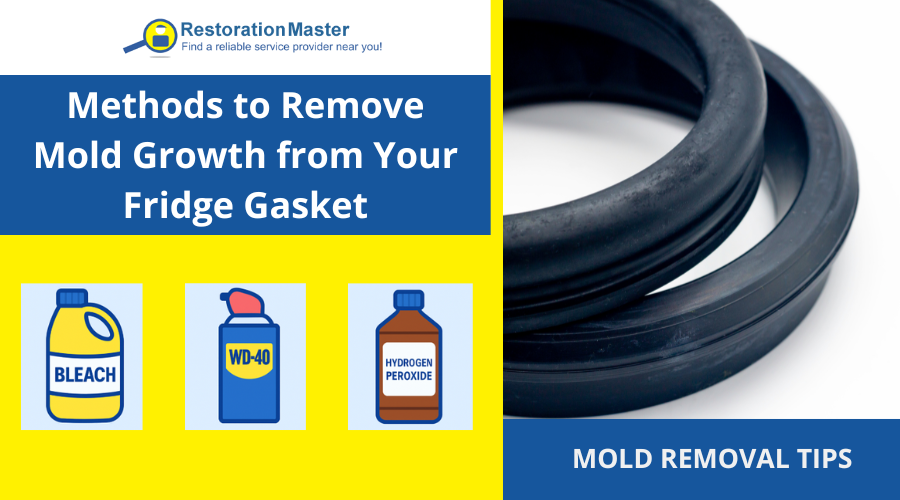
Keep your freezer clean and dry. Wipe spills immediately. Use a mild detergent for regular cleaning. Ensure the door seals tightly. A loose seal can let warm air in. This causes moisture and mold growth. Check the seal often for cracks or damage.
Optimal Temperature Settings
Set your freezer to the right temperature. The ideal temperature is 0°F (-18°C). This prevents mold and keeps food fresh. Use a thermometer to check the temperature. Adjust the settings if needed. A consistent temperature is key.
Regular Inspections
Inspect your freezer regularly. Look for signs of mold or mildew. Check corners and crevices. Clean any mold immediately. Regular inspections prevent bigger problems later. Make this a part of your routine. It saves time and keeps mold away.
Credit: restorationmasterfinder.com
When To Call A Professional
Knowing when to call a professional to remove mold from your freezer can save you time, money, and health risks. Some mold problems require expert attention beyond simple cleaning. Recognizing these signs early helps you avoid bigger damage and ensures your freezer stays safe to use.
Severe Mold Infestations
If you notice mold covering large areas inside your freezer, it’s a serious issue. Extensive mold can damage the appliance and spread spores that affect your health. Trying to clean it yourself might not remove all the mold, leaving hidden patches behind.
Professionals have specialized tools and cleaning agents that reach difficult spots. They also know how to handle mold safely to prevent spores from spreading in your home. If the mold looks like it’s growing beyond a few spots or has penetrated hard-to-reach areas, it’s time to call an expert.
Persistent Odors
Sometimes the freezer smells musty even after you clean it thoroughly. Persistent odors often indicate mold hidden deep inside insulation or behind panels. These smells can affect the taste and safety of your food.
Professionals can detect and remove mold that is not visible to the naked eye. They use advanced cleaning methods and equipment to eliminate odors completely. If your freezer keeps smelling moldy despite your best efforts, don’t hesitate to seek professional help.

Credit: www.reddit.com
Frequently Asked Questions
How Do I Safely Remove Mold From My Freezer?
Unplug the freezer and empty all contents. Use a mixture of vinegar and water to wipe moldy areas. Rinse and dry thoroughly to prevent moisture buildup. Always wear gloves and a mask for safety.
What Causes Mold To Grow Inside Freezers?
Mold grows due to moisture, poor ventilation, and food residue. Frequent door openings can cause condensation. Regular cleaning and sealing food properly help prevent mold growth.
Can I Use Bleach To Clean Mold In Freezers?
Bleach can kill mold but may damage freezer surfaces. It's safer to use vinegar or baking soda solutions. Always ensure proper ventilation and rinse surfaces well after cleaning.
How Often Should I Clean My Freezer To Prevent Mold?
Clean your freezer every 3 to 6 months. Regularly check for spills and spoiled food. Prompt cleaning prevents mold buildup and maintains food safety.
Conclusion
Removing mold from your freezer keeps food safe and fresh. Clean it regularly to stop mold growth. Use gentle cleaners and avoid harsh chemicals. Dry the freezer well after cleaning to prevent moisture. Check for mold signs often to catch problems early.
A clean freezer helps your food last longer. Simple care makes a big difference. Keep your freezer mold-free for a healthier kitchen.