Have you ever taken food out of the freezer, only to find it tastes dry and off? That unpleasant flavor is called freezer burn, and it can ruin your meal if you’re not careful.
But don’t worry—you don’t have to throw it away. You’ll learn simple and effective ways to remove that freezer burn taste and bring your food back to life. Keep reading, because these easy tips can save you money and make your meals much more enjoyable.
Causes Of Freezer Burn
Understanding the causes of freezer burn is the first step to preventing that unpleasant taste in your frozen foods. Freezer burn happens when food gets exposed to air inside the freezer, causing dehydration and oxidation. This exposure affects the texture and flavor, leaving your meals less enjoyable.
How Freezer Burn Develops
Freezer burn develops when moisture inside the food escapes and forms ice crystals on the surface. This happens because the food is not sealed tightly or is stored for too long. Air touching the food causes the moisture to evaporate, leaving dry spots and a tough texture.
Have you ever noticed those white or grayish patches on frozen meat or vegetables? Those are signs of freezer burn starting. It’s not harmful, but it changes the taste and quality significantly.
Common Foods Affected
Some foods are more prone to freezer burn than others. Meats like beef, chicken, and fish often suffer because they contain a lot of moisture. Without proper wrapping, they easily dry out in the freezer.
- Fruits and vegetables can also get freezer burn, especially if not blanched or wrapped well.
- Bakery items like bread and pastries lose moisture quickly and develop freezer burn if not sealed properly.
- Prepared meals or leftovers stored for long periods are also at risk.
Have you checked your freezer lately? You might find freezer burn on foods you thought were perfectly stored. Identifying the cause helps you protect your food better next time.
Identifying Freezer Burn Taste
Recognizing the taste of freezer burn is key to saving your meals from disappointment. It's not always obvious, especially if you’re busy or distracted when cooking. Knowing what to look for helps you decide if your food is still good or if it needs a quick fix to improve the flavor.
Signs To Look For
Freezer burn often leaves food with dry spots or icy crystals on the surface. When you bite into it, you might notice a strange, metallic, or bland taste that feels different from normal. The texture can also become tough or crumbly, which changes how the food feels in your mouth.
Think about the last time you found a frozen steak with grayish patches. That’s a clear sign of freezer burn. It’s not dangerous, but it does affect flavor and texture, making your meal less enjoyable.
Differences From Spoilage
Freezer burn and spoilage are not the same, but they can be confused. Spoiled food usually smells bad, feels slimy, or has visible mold, which freezer-burned food does not. If your food has an off smell or sticky texture, it’s better to discard it.
Freezer burn results from air exposure, causing dehydration, while spoilage is caused by bacteria or mold growth. You can often salvage freezer-burned food by trimming affected areas or using strong sauces to mask the taste. Spoiled food, on the other hand, should never be eaten.
Prepping Food To Minimize Freezer Burn
Freezer burn can ruin the taste and texture of your food, but you can prevent it with the right preparation. How you wrap and store your food plays a huge role in keeping it fresh and tasty. Let’s look at some simple yet effective ways to prep your food so freezer burn becomes a thing of the past.
Proper Wrapping Techniques
Using the right wrapping method is key to stopping air from reaching your food. Air exposure is what causes freezer burn, so creating a tight seal is essential.
- Use plastic wrap or aluminum foilto tightly cover your food before placing it in a freezer bag.
- Squeeze out as much air as possiblefrom freezer bags before sealing them. Vacuum-sealing is even better if you have the tool.
- Double-wrap delicate itemslike bread or meat to add an extra layer of protection.
- Label and dateyour packages to avoid keeping food longer than necessary, reducing the risk of freezer burn over time.
I once forgot to wrap a batch of chicken properly, and the taste was off the next day. After switching to vacuum-sealed bags, the flavor stayed fresh for weeks. This small change made a big difference in my freezer routine.
Ideal Freezing Temperatures
Keeping your freezer at the right temperature helps preserve food quality and prevent freezer burn. The colder and more consistent, the better.
- Set your freezer to 0°F (-18°C) or lower. This slows down moisture loss and ice crystal growth.
- Avoid temperature fluctuationsby not opening the freezer door frequently or leaving it open for long periods.
- Use a freezer thermometer to monitor the temperature accurately.
- Organize your freezer so air can circulate freely around the food packages.
Have you ever noticed some foods freeze solid while others seem icy or dry? That’s often due to temperature changes inside the freezer. Keeping it steady can make a surprising difference in taste and texture.

Credit: www.reddit.com
Simple Tricks To Mask Freezer Burn Flavor
Freezer burn can ruin the taste of your food. It's a common problem in frozen foods. But don't worry, there are ways to mask that unpleasant flavor. You can use simple tricks to improve the taste.
Using Marinades And Sauces
Marinades add flavor and moisture to food. They can help hide freezer burn taste. Use a mix of oil, vinegar, and spices. Let the food soak for a few hours. Sauces also work well. Add strong-flavored sauces like BBQ or teriyaki. They help cover the unwanted taste.
Seasoning Tips
Seasonings can make a big difference. Use herbs and spices to enhance flavor. Garlic, onion powder, and paprika work wonders. Salt and pepper are essential. They balance flavors and reduce freezer burn taste. Try using fresh herbs for a better aroma. Basil, thyme, and rosemary are great choices.
Restoring Texture And Moisture
Freezer burn often leaves your food dry and tough, making meals less enjoyable. Restoring the texture and moisture can bring back some of the original juiciness and tenderness you expect. It takes a bit of patience and the right technique, but you can definitely improve the taste and feel of freezer-burned food.
Soaking Methods
Soaking freezer-burned meat or vegetables in liquids helps rehydrate them. Water works, but broths and marinades add flavor and moisture at the same time.
- Use cold water or a mild broth to soak meat for 30 minutes to an hour.
- Add salt or vinegar to the soaking liquid to help break down tough fibers.
- For vegetables, a quick soak in salted water can soften them without losing nutrients.
Have you tried soaking your freezer-burned food before cooking? You might notice a surprising difference in tenderness and taste. Soaking is simple, but it requires time—don’t rush the process.
Slow Cooking Benefits
Slow cooking is a powerful way to restore moisture in freezer-burned meats. The low temperature and long cooking time allow tough, dry fibers to soften.
- Use a slow cooker or simmer on low heat in a covered pot.
- Adding a flavorful liquid like broth or tomato sauce helps the meat absorb moisture.
- Cooking for several hours breaks down tough textures and infuses juiciness.
Have you ever noticed how stews and braises turn even inexpensive cuts tender? The same principle applies to freezer-burned meat. Slow cooking gives you a second chance to enjoy your frozen food without dryness ruining the experience.
When To Discard Freezer Burned Food
Knowing when to discard freezer burned food is key to keeping your meals safe and enjoyable. Freezer burn affects food quality, but it doesn’t always mean the food is unsafe to eat. Understanding the signs that indicate it’s time to throw food away can save you from unpleasant tastes and potential health risks.
Safety Considerations
Freezer burn happens when air reaches the surface of frozen food, causing dehydration and oxidation. While freezer burn itself doesn’t cause bacteria to grow, it can make food more vulnerable if stored too long. If you notice an off smell, unusual color, or slimy texture, it’s safer to discard the item immediately.
Ask yourself: Does the food look or smell different than when you froze it? If yes, don’t risk eating it. Your health is more valuable than saving a few dollars.
Quality Thresholds
Freezer burn mainly affects taste and texture. Light freezer burn can often be trimmed off, and the rest of the food used without much issue. However, if large portions of the food are covered with frost or have tough, dry spots, the quality has dropped too much.
Think about the dish you want to prepare. Will the freezer burn ruin the flavor or texture? For example, freezer-burned meat might turn out dry and tasteless, making it unappetizing. But freezer-burned vegetables might still work well in soups or stews where texture is less important.
- Trim off freezer-burned areas if small and isolated.
- Use freezer-burned vegetables in cooked dishes to mask texture changes.
- Discard items with extensive freezer burn that affect taste and texture.
Choosing when to keep or toss freezer burned food depends on your own standards for taste and safety. What’s your line between saving food and ensuring a good meal?
Preventing Future Freezer Burn
Preventing freezer burn protects your food's taste and texture. It keeps your meals fresh longer and reduces waste. Simple habits in storage can make a big difference. Proper packaging and storage stop air from reaching your food. This way, you avoid the dry, tough patches freezer burn causes.
Storage Best Practices
Keep the freezer temperature at or below 0°F (-18°C). Use airtight packaging to block moisture and air. Avoid overloading the freezer to maintain good air circulation. Label foods with dates to use older items first. Freeze food in smaller portions to cool quickly and evenly.
Using Freezer-safe Containers
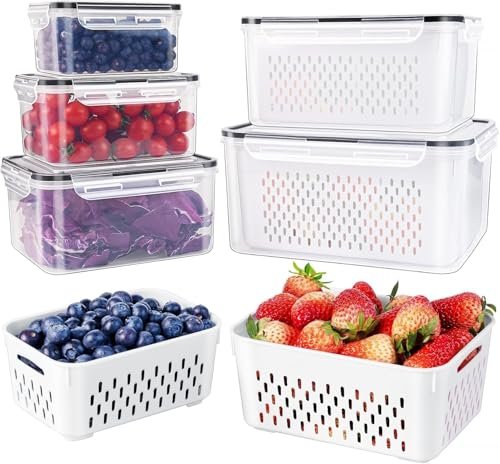
Choose containers made for freezing to avoid cracks and leaks. Look for thick plastic or glass with tight seals. Wrap food tightly in plastic wrap before placing in containers. Use vacuum-sealed bags for the best protection against air. Remove as much air as possible from bags before sealing.

Credit: www.101cookingfortwo.com

Credit: www.youtube.com
Frequently Asked Questions
What Causes Freezer Burn Taste In Frozen Food?
Freezer burn occurs when air reaches the food’s surface, causing dehydration and oxidation. This results in dry spots and off-flavors, which create the unpleasant freezer burn taste.
How Can I Prevent Freezer Burn Taste Effectively?
To prevent freezer burn, wrap food tightly in airtight packaging. Remove excess air and store at a consistent freezing temperature below 0°F (-18°C).
Can Freezer Burn Taste Be Removed From Cooked Meals?
Yes, you can mask freezer burn taste by marinating or seasoning cooked meals. Adding sauces or spices helps improve flavor and moisture in freezer-burned dishes.
Is It Safe To Eat Food With Freezer Burn Taste?
Food with freezer burn is safe to eat if stored properly. However, the texture and flavor might be compromised, affecting overall quality and taste.
Conclusion
Freezer burn taste can spoil your meals, but you can fix it. Trim off damaged parts before cooking. Use marinades or sauces to add flavor back. Cook food properly to mask any leftover taste. Store food tightly in freezer bags or containers.
These simple steps keep your food fresh and tasty. Enjoy meals without the freezer burn problem. Keep these tips in mind for better frozen food.