Are you struggling to remove the water filter from your refrigerator? It might seem tricky at first, but with the right steps, you can do it quickly and safely.
Knowing how to remove your water filter is important for keeping your water clean and your fridge running smoothly. In this guide, you’ll discover simple, clear instructions that anyone can follow. By the end, you’ll feel confident handling your fridge’s water filter like a pro.
Keep reading to learn exactly what to do—your fresh, pure water is just a few steps away!
Locate The Water Filter
Locating the water filter in your refrigerator is the first key step before removal. Knowing exactly where it sits will save you time and prevent unnecessary frustration. Since refrigerator designs vary, it helps to check common spots carefully.
Check Inside The Refrigerator
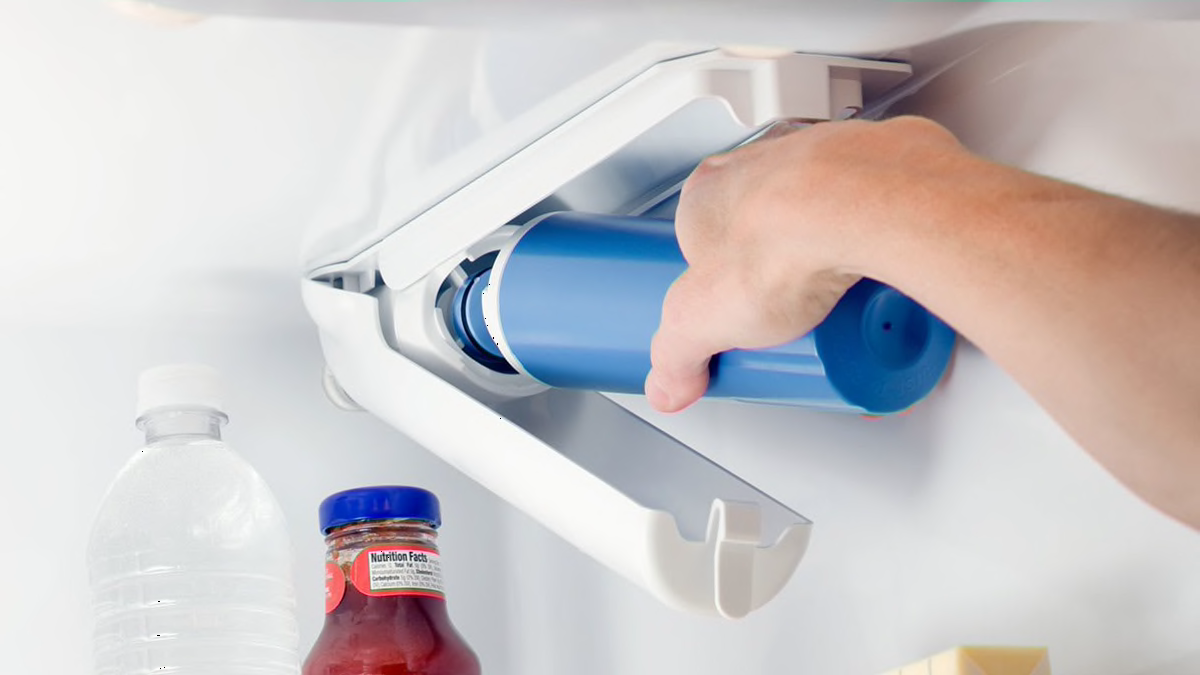
Most water filters are placed inside the fridge compartment, often in the upper right or left corner. Open the fridge door and look near the top or along the side walls for a small cylindrical or rectangular cover.
Sometimes, the filter is hidden behind a plastic panel that snaps off easily. If you see a small round or square cover labeled “water filter,” you’re in the right place.
Look Near The Base Or Back
If you don’t find the filter inside, check near the base grille or the back of the refrigerator. Some models place the filter in an accessible slot behind the lower front panel or at the rear.
Try sliding or unscrewing any removable panels to reveal the filter compartment. Have you noticed a small cap or twistable knob near the fridge’s bottom? That could be your filter location.
Credit: www.consumerreports.org
Prepare For Removal
Before you start removing the water filter from your refrigerator, it’s essential to prepare properly. Taking a moment to get ready can save you from unnecessary spills, damage, or frustration. Preparation means ensuring everything is set up for a smooth and safe removal process.
Turn Off The Water Supply
One crucial step is to turn off the water supply connected to your refrigerator. This stops water flow and prevents leaks while you work on the filter. Usually, the shut-off valve is located behind the fridge or under the sink nearby.
If you can’t find the valve, consider turning off the main water supply temporarily. Have you ever experienced a sudden water spill when removing a filter? Avoid that hassle by stopping the water first.
Gather Necessary Tools
Not all water filters require tools for removal, but having some basic supplies handy can make the job easier. Keep a towel or cloth ready to catch drips. You might also need pliers or a filter wrench if your filter is stuck.
Check your refrigerator’s manual to see if any special tools are recommended. Preparing these items beforehand saves you from last-minute searches and interruptions. What tools do you have within easy reach right now?
Remove The Filter
Removing the water filter from a refrigerator is a simple task. It helps maintain clean and fresh water inside. This section explains how to remove the filter safely without damage.
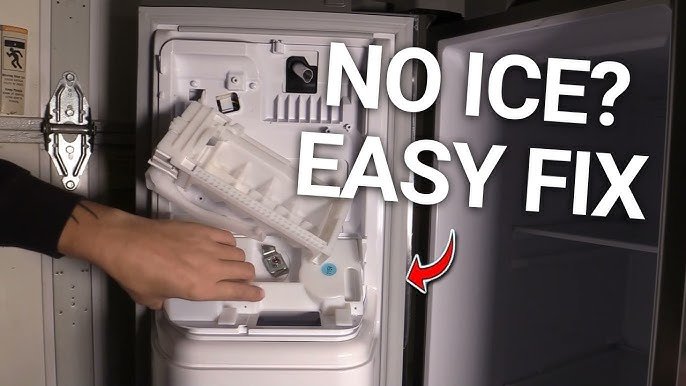
Release The Filter Lock
Most refrigerator filters have a lock to keep them secure. Locate the filter lock near the filter housing. Press or twist the lock gently to release it. Avoid using too much force to prevent breaking the lock.
Pull Out The Filter Gently
After unlocking, hold the filter firmly. Pull it straight out with slow, steady pressure. Do not twist or bend the filter during removal. A gentle pull avoids damaging the filter or the fridge’s internal parts.

Credit: www.youtube.com
Handle Common Issues
Handling common issues when removing a water filter from your refrigerator can save you time and frustration. Sometimes the filter gets stuck or water spills unexpectedly. Knowing how to tackle these problems will make the task smoother and keep your kitchen mess-free.
Dealing With A Stuck Filter
A stuck filter is one of the most frequent challenges you might face. Filters can get tight due to mineral buildup or being over-tightened during installation.
If you find the filter hard to turn, try gently twisting it back and forth instead of forcing it one way. Applying a little extra grip using a rubber glove or cloth can also help you get a better hold.
Have you ever tried to remove a filter only to feel like it’s glued in place? A brief warm-up of the area with a hairdryer on low heat can sometimes loosen mineral deposits. Just be careful not to overheat or damage plastic parts.
Avoiding Water Spills
Water spills often happen when the filter is removed abruptly or the water line isn’t properly shut off. To avoid unwanted puddles, prepare by placing a towel or shallow dish under the filter area.
Turn off the water supply to the refrigerator before pulling out the filter. This small step can prevent a surprising leak.
When you finally pull the filter out, do it slowly and at a slight angle to catch any remaining water inside. This approach reduces drips and keeps your countertop dry.
Replace Or Clean The Filter
Removing a water filter from a refrigerator involves twisting or pulling the filter gently. Ensure the water supply is turned off before starting. Regular maintenance helps keep your water clean and fresh.
When it comes to maintaining your refrigerator's efficiency, knowing how to replace or clean the water filter is crucial. A clean filter ensures that your water is fresh and free from contaminants. Whether you're installing a new filter or cleaning a reusable one, both methods are essential for keeping your appliance in top condition. Let's delve into the specifics of each process.
Installing A New Filter
Replacing your refrigerator's water filter might seem daunting, but it’s simpler than you think. Begin by locating your filter, usually found in the grille at the bottom or inside the fridge compartment. Twist the filter counterclockwise to remove it. Before inserting the new filter, make sure to remove any protective caps. Insert the new filter into the housing and twist it clockwise until it's snug. After installation, flush the filter by running water through the dispenser for a few minutes. This step is crucial to remove any carbon dust and ensure clean water.
Cleaning A Reusable Filter
If your refrigerator uses a reusable filter, cleaning it periodically is essential. Remove the filter by unscrewing it from its housing. Rinse it under running water to clear out trapped particles. For a deeper clean, soak the filter in a mixture of water and vinegar for about 30 minutes. This helps break down any stubborn deposits. After soaking, rinse thoroughly under warm water and let it dry completely before reinstallation. Have you ever noticed a change in water taste after cleaning? This simple step can make a significant difference in water quality and longevity of your filter.
Test The Water System
Testing the water system after replacing the refrigerator filter is crucial. It ensures clean water and proper filter function. This step helps spot problems early, like leaks or bad taste. Follow simple actions to confirm the system works well.
Flush The New Filter
Start by flushing the new filter. Run water through the dispenser for 3 to 5 minutes. This clears out air and loose carbon particles. Water might look cloudy or taste odd at first. Keep flushing until water flows clear and tastes fresh.
Check For Leaks
After flushing, inspect the filter area carefully. Look for any water drops or damp spots. Tighten the filter if you see leaks. Also, check the water line connections behind the fridge. Fix any leaks to prevent water damage and maintain pressure.
Maintenance Tips
Proper maintenance helps your refrigerator water filter work well and last longer. Regular care keeps water clean and tasting fresh. It also prevents damage to the filter and fridge parts. Follow these tips to maintain your water filter easily and safely.
When To Replace The Filter
Change the water filter every 6 months or as the fridge manual suggests. Water flow may slow down when the filter clogs. The taste of water can also change. Mark the replacement date on your calendar. Timely changes ensure clean water and good fridge performance.
Keeping The Area Clean
Wipe around the filter slot before and after removal. Use a soft cloth with mild soap and water. Avoid harsh chemicals that may damage the fridge surface. Clean the filter housing gently to remove dust and debris. Dry the area well before installing a new filter. Clean surroundings help the filter fit tightly and work properly.

Credit: www.youtube.com
Frequently Asked Questions
How Do I Safely Remove A Refrigerator Water Filter?
To safely remove the filter, first turn off the water supply. Locate the filter, twist it counterclockwise, and pull it out gently. Avoid using excessive force to prevent damage.
When Should I Replace My Refrigerator Water Filter?
Replace your water filter every 6 months or after filtering 200-300 gallons. Timely replacement ensures clean water and maintains filter efficiency.
Can I Remove The Water Filter Without Turning Off Water?
It's best to turn off the water supply before removing the filter. This prevents leaks and water damage during removal.
What Tools Do I Need To Remove A Water Filter?
Most refrigerator water filters can be removed by hand. No tools are usually required, but check your manual for specific instructions.
Conclusion
Removing a water filter from a refrigerator is simple with the right steps. Always turn off the water supply first. Gently twist or pull the filter as needed. Avoid forcing it to prevent damage. Keep your hands dry for a better grip.
Clean the filter area before installing a new one. Regular filter changes keep water fresh and safe. Remember, a little care saves time and money. Now, you can handle this task with confidence and ease.