Is your refrigerator constantly foggy or damp inside? That annoying moisture can cause food to spoil faster and even lead to unpleasant odors.
If you want your fridge to stay fresh and your food to last longer, you need to tackle this problem now. You’ll discover simple and effective ways to reduce moisture in your refrigerator. These easy steps will help you keep your fridge dry, clean, and working at its best.
Keep reading, and you’ll never have to worry about a soggy fridge again!
Causes Of Moisture Buildup
Moisture buildup inside your refrigerator can be frustrating and harmful to your food's freshness. Understanding what causes this excess moisture is the first step to tackling it effectively. Let’s look at the main reasons your fridge might be collecting unwanted water droplets and how these affect its performance.
Temperature Fluctuations
When the fridge temperature isn’t stable, condensation forms inside. If the cooling system cycles too often or the thermostat is set incorrectly, warm air can enter and cool rapidly, causing moisture to appear. Have you noticed frost or water pooling after adjusting the fridge temperature? That’s a clear sign temperature swings are creating moisture problems.
Frequent Door Opening
Every time you open the fridge door, warm, humid air rushes in. This air cools down inside and turns into water droplets on shelves and walls. Think about how many times you open your fridge daily—could reducing those quick door pops help keep moisture in check?
Improper Food Storage
Storing uncovered or warm food releases steam, adding to the moisture inside. Also, placing too many items tightly packed prevents air circulation, trapping humidity. Try covering leftovers and avoid overcrowding to let the cold air move freely and reduce moisture buildup.
Faulty Door Seals
If your refrigerator door seals are damaged or worn out, cold air escapes and warm air enters. This exchange causes condensation and raises humidity levels inside. Check your seals for cracks or gaps—replacing them might be the simple fix you need to stop moisture problems.
Credit: www.alibaba.com
Adjusting Refrigerator Settings
Adjusting the settings of your refrigerator can significantly reduce moisture buildup inside. Proper settings help maintain a balanced environment that prevents excess water from forming. Understanding key controls allows you to create the best conditions for your food and reduce dampness.
Optimal Temperature Range
Set your refrigerator temperature between 35°F and 38°F (1.6°C to 3.3°C). This range keeps food fresh without causing frost or moisture buildup. Avoid setting the temperature too cold, which leads to ice formation. Too warm causes humidity and condensation inside the fridge. Use a fridge thermometer to check the exact temperature.
Humidity Control Features
Many refrigerators have humidity controls for drawers or compartments. Use these settings to adjust moisture levels for different foods. Low humidity is good for fruits to prevent mold. High humidity suits vegetables to keep them crisp. Close drawers properly to keep humidity levels stable. Some models offer adjustable vents to improve airflow and reduce moisture.
Organizing Food Properly
Organizing food properly inside your refrigerator helps control moisture build-up. Proper storage keeps food fresh longer and stops water droplets from forming. This section explains simple ways to arrange food to reduce moisture effectively.
Using Airtight Containers
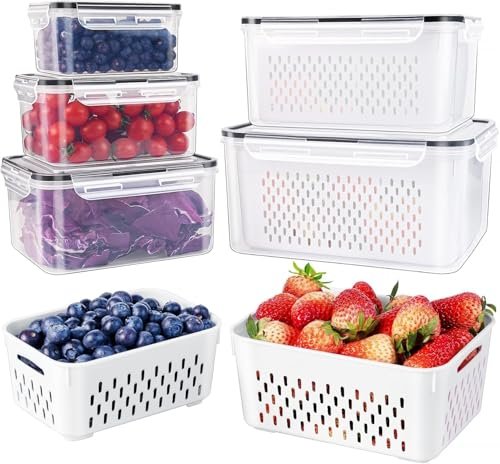
Airtight containers seal food and block moisture from escaping. They stop odors and prevent condensation inside the fridge. Use containers made of glass or plastic with tight lids. Store leftovers, fruits, and chopped vegetables in these containers.
Separating Hot And Cold Items
Place hot food outside the fridge until it cools down. Putting warm items inside raises the fridge’s temperature. This causes more moisture and frost to form. Wait until food reaches room temperature before refrigerating.
Avoid Overcrowding
Do not pack the fridge too tightly. Air needs space to circulate and remove moisture. Overcrowding traps humidity and causes water droplets on shelves and food. Leave gaps between items to keep air flowing freely.
Credit: homewarranty.firstam.com
Regular Cleaning And Maintenance
Regular cleaning and maintenance keep your refrigerator running smoothly. Moisture builds up from food, spills, and temperature changes. Cleaning stops mold and bad smells. Proper care prevents water pooling and ice buildup. Follow these simple tasks to reduce moisture inside your fridge.
Cleaning Drip Pans And Vents
Drip pans collect water from condensation and defrosting cycles. Clean them often with warm, soapy water. Remove any debris or mold. Vents help air circulate inside the fridge. Dust and dirt can block vents and trap moisture. Wipe vents gently using a soft cloth or brush.
Checking Door Seals
Door seals keep cold air inside and moisture out. Check seals for cracks, tears, or dirt. Clean seals with a mild detergent and warm water. Replace seals that do not close tightly. A tight seal prevents warm air from entering and causing moisture buildup.
Defrosting When Necessary
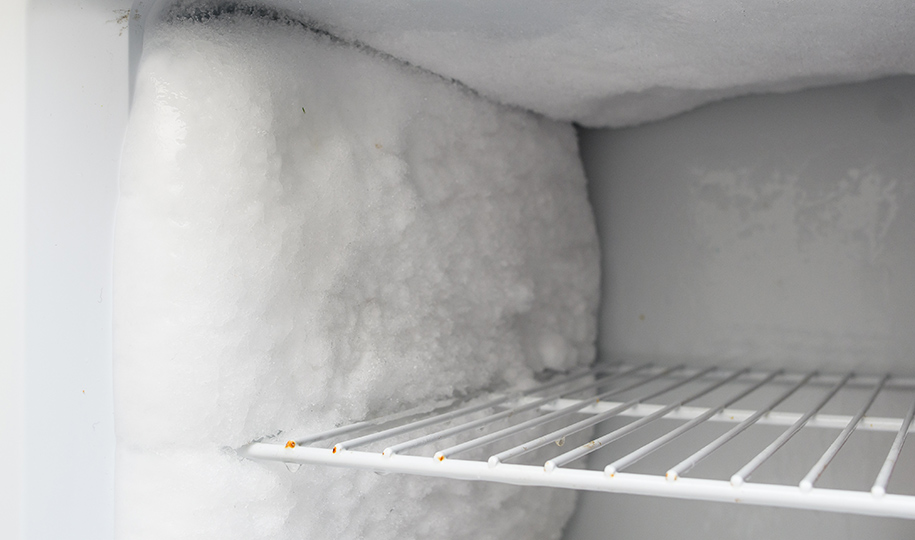
Frost and ice buildup increases moisture inside the fridge. Defrost the freezer section if ice is thicker than a quarter inch. Turn off the fridge and remove all food. Let ice melt naturally or use a bowl of hot water. Dry the area thoroughly before turning the fridge back on.
Using Moisture Absorbers
Using moisture absorbers is a simple and effective way to keep your refrigerator dry and fresh. These absorbers trap excess moisture before it can cause mold, unpleasant odors, or frost buildup. You don’t need expensive gadgets—just everyday items or easy-to-find products can make a big difference.
Activated Charcoal
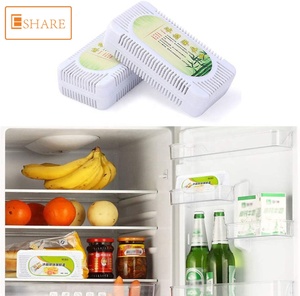
Activated charcoal works like a magnet for moisture and odors inside your fridge. You can place a small open container or pouch filled with charcoal in a corner to absorb dampness naturally. It’s reusable too—just dry it out in the sun every few weeks to keep it active.
Have you noticed how a charcoal bag can instantly freshen a musty space? That’s why it’s perfect for a fridge where moisture often causes stink and spoilage.
Silica Gel Packs
Silica gel packs are those tiny packets you find in new shoe boxes or bags. They absorb moisture efficiently and can be placed in drawers or shelves inside your refrigerator. You can collect and reuse them by drying them out in the oven, making them a cost-effective option.
Keep in mind, silica gel packs are non-toxic but not edible, so place them where they won’t accidentally come into contact with food. How often do you check the condition of those little packs you toss aside?
Baking Soda
Baking soda is a classic moisture absorber and deodorizer. Just leave an open box or bowl of baking soda in your fridge to soak up extra humidity and keep smells at bay. Replace it every month for the best results.
Many people use baking soda to fight fridge odors, but fewer realize it also controls moisture levels. Could this simple pantry staple be your fridge’s best friend?
Additional Tips For Freshness
Keeping your refrigerator fresh is key to healthy food storage. Reducing moisture helps prevent mold and spoilage. Follow these tips to maintain freshness and extend the life of your groceries.
Keep Door Closed
Every time the door opens, warm air enters the fridge. This increases moisture inside. Try to minimize door openings. Plan ahead before grabbing items. Close the door quickly to maintain the cool temperature.
Store Fruits And Vegetables Separately
Fruits and vegetables release different gases. Storing them together can speed up spoilage. Use separate drawers for each. This keeps them fresh longer and reduces moisture build-up.
Monitor Moisture Levels
Check the moisture levels regularly. Use a hygrometer to measure humidity. Adjust settings if needed. Aim for a humidity level around 40%. This helps prevent condensation inside your fridge.

Credit: www.aol.com
Frequently Asked Questions
How To Prevent Moisture Buildup In Refrigerators?
To prevent moisture buildup, keep the door closed tightly and avoid frequent openings. Store food in airtight containers. Regularly clean and defrost the fridge. Use moisture absorbers like baking soda or silica gel packs to reduce humidity inside.
Why Does My Refrigerator Have Excess Moisture?
Excess moisture often results from frequent door openings, warm food placement, or faulty door seals. High humidity outside also causes condensation. Moisture can increase if the defrost drain is blocked or the fridge temperature is set too low.
Can Moisture Damage Food In The Fridge?
Yes, excess moisture promotes mold growth and spoils food faster. It causes fruits and vegetables to rot and lose texture. Controlling moisture extends food freshness and prevents unpleasant odors inside the refrigerator.
What Is The Best Temperature To Reduce Fridge Moisture?
Set your refrigerator temperature between 37°F to 40°F (3°C to 4°C). This range minimizes condensation and keeps food fresh. Avoid setting it too cold as it can cause frost buildup and increase moisture issues.
Conclusion
Reducing moisture in your refrigerator keeps food fresh longer. Clean the fridge regularly to stop mold and smells. Use airtight containers to block moisture inside. Keep the door closed to keep cold air in. Check the temperature settings and adjust if needed.
These simple steps help your fridge work better. Enjoy fresher food and less waste every day. Small changes make a big difference in your kitchen. Try these tips to keep your fridge dry and clean.