Have you ever wondered what really happens to your empty water bottle after you toss it in the trash? Recycling a water bottle might seem simple, but doing it the right way can make a huge difference for the environment.
You’ll discover easy steps to recycle your water bottle correctly and why your actions matter more than you think. Keep reading to learn how a small change in your routine can help protect the planet and even save resources for future generations.
Your bottle has more potential—let’s unlock it together.
Why Recycle Water Bottles
Recycling water bottles matters more than many realize. These bottles are made from plastic that takes hundreds of years to break down. Recycling helps turn old bottles into new products. This process saves resources and cuts down pollution. It also reduces the need for new plastic production, which harms nature.
Environmental Impact
Plastic water bottles often end up in landfills or oceans. They cause harm to wildlife and pollute water sources. Recycling lowers the amount of plastic waste in nature. It also reduces greenhouse gas emissions from making new plastic. This helps slow climate change and protect ecosystems.
Waste Reduction Benefits
Recycling water bottles cuts down on landfill space. It keeps plastic out of streets and parks. Less waste means cleaner communities and safer habitats. Recycling also saves energy, as it uses less power than creating new plastic. This helps conserve natural resources and reduce pollution.

Types Of Recyclable Water Bottles
Recycling water bottles helps reduce waste and saves resources. Different types of bottles require different recycling processes. Knowing which bottles you can recycle makes the process easier and more effective. Here are the main types of recyclable water bottles.
Plastic Bottles
Plastic water bottles are the most common type. They are usually made from PET (polyethylene terephthalate). These bottles are lightweight and easy to recycle. Before recycling, rinse the bottle to remove any leftover liquid. Remove the cap and label if possible, as they may be made from different materials.
Glass Bottles
Glass water bottles can be recycled many times without losing quality. They are heavier and more durable than plastic. Glass recycling involves crushing the bottles into small pieces called cullet. This cullet is melted and formed into new glass products. Make sure to remove any caps or lids before recycling glass bottles.
Aluminum Bottles
Aluminum water bottles are highly recyclable and popular for their durability. Recycling aluminum saves a lot of energy compared to making new aluminum. These bottles must be empty and clean before recycling. Remove any plastic parts or labels to improve recycling quality. Aluminum can be recycled endlessly without damage.
Preparing Bottles For Recycling
Preparing your water bottles before recycling plays a crucial role in ensuring they get properly processed. Taking a few simple steps can help reduce contamination and make the recycling process more efficient. These small actions may seem minor, but they have a big impact on how well your bottles are recycled.
Rinse And Clean
Give your bottle a quick rinse to remove any leftover liquid or residue. Even a simple swirl of water inside the bottle makes a difference in preventing contamination. Clean bottles are easier to recycle and help maintain the quality of recycled materials.
Think about the last time you tossed a sticky bottle into recycling—did it smell or leave a mess? That’s what recycling centers want to avoid. A clean bottle means less hassle and better recycling outcomes.
Remove Caps And Labels
Take off the caps before recycling your bottle. Many recycling programs ask for caps to be separated because they are made from different types of plastic. If you leave them on, the bottle might not be processed properly.
Labels can also cause issues during recycling. Peel off the labels if possible, or check if your local facility accepts bottles with labels. Removing them helps the recycling machines work more effectively.
Have you noticed how some caps float separately in recycling bins? That’s because they need special handling. Sorting them out yourself can speed up the process and improve recycling quality.
Where To Recycle Water Bottles
Recycling water bottles helps reduce waste and protect the environment. Knowing where to recycle them is crucial. Different options exist for recycling water bottles effectively. Let's explore these options.
Curbside Collection
Curbside collection is a convenient recycling method. Many communities offer this service. Residents place recyclables in designated bins. Trucks pick them up on scheduled days. Check local guidelines for accepted items. Ensure bottles are clean and dry before recycling.
Recycling Centers
Recycling centers offer another option for bottle recycling. These centers accept various recyclables, including water bottles. Some centers may pay for recyclables by weight. Locate a nearby center using online resources or local directories. Visit them during operating hours for drop-off.
Bottle Return Programs
Bottle return programs provide financial incentives. States with such programs offer a refund for returned bottles. Check if your state has a bottle deposit law. Return bottles to designated locations for a refund. This encourages more people to recycle.
Common Recycling Mistakes To Avoid
Recycling water bottles helps protect the environment. Still, common mistakes can ruin efforts. Avoiding these errors ensures your bottle is recycled properly. Small actions make a big difference.
Contamination Issues
Leaving food or liquid inside bottles causes contamination. Dirty bottles can spoil entire batches of recycling. Always rinse bottles before recycling. Remove caps and labels if your local program requires it. Avoid mixing non-recyclable trash with bottles. Contaminated recycling often ends up in landfills.
Incorrect Sorting
Sorting recycling is vital for proper processing. Mixing plastics with other materials can cause problems. Check local guidelines for accepted bottle types. Some programs only accept certain plastics, like PET. Place bottles in the right bin to avoid rejection. Misplaced items slow down recycling facilities and increase costs.

Creative Ways To Reuse Water Bottles
Water bottles do not have to end up in the trash. They can be reused in fun and useful ways. Reusing bottles helps reduce waste and saves resources. Creative reuse gives plastic new life and cuts pollution.
Many simple projects use empty water bottles around the house. These projects need few tools and materials. They turn bottles into handy items or decorations. This approach saves money and supports eco-friendly living.
Diy Projects
- Cut bottles to make pencil holders or organizers.
- Use bottle caps to create colorful mosaics or art.
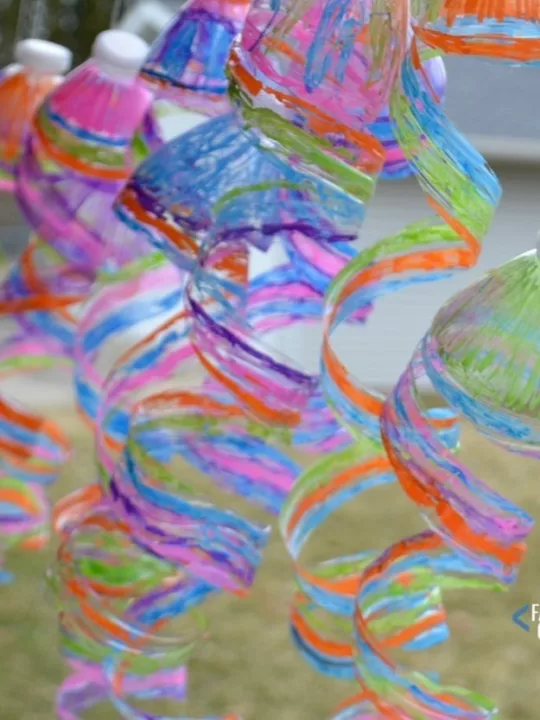
- Turn bottles into bird feeders with small holes and seeds.
- Make a self-watering planter by combining two bottles.
- Craft a small lantern by inserting a candle or LED light.
- Create a jewelry holder by cutting and stacking bottle pieces.
Gardening Uses
- Use bottles as mini greenhouses to protect young plants.
- Cut bottle bottoms for seed starters or pots.
- Make drip irrigation by poking holes in a bottle cap.
- Use bottles to mark plant rows or garden sections.
- Fill bottles with water and place near plants to slowly water roots.
- Create hanging planters by cutting and decorating bottles.
Benefits Of Recycling For The Planet
Recycling water bottles helps protect our planet in many ways. It saves natural resources and cuts down waste. These benefits support cleaner air and water. Recycling keeps the environment safer for animals and people alike. Small acts like recycling water bottles add up to big changes for Earth.
Energy Conservation
Recycling plastic uses much less energy than making new plastic. It cuts the need to extract and process raw materials. This means fewer fossil fuels burned and less pollution. Saving energy helps reduce greenhouse gas emissions. It also lowers the impact on natural habitats. Recycling water bottles is a simple way to save energy every day.
Reducing Pollution
Throwing away plastic bottles creates pollution on land and in oceans. Recycling prevents plastic waste from harming wildlife. It reduces harmful chemicals released during production of new plastics. Less trash in landfills means cleaner soil and water. Recycling water bottles helps keep neighborhoods and nature clean. It lowers the risk of toxic materials spreading in the environment.
Frequently Asked Questions
How Do I Prepare A Water Bottle For Recycling?
Rinse the bottle to remove liquids and residue. Remove the cap and label if possible. Flatten the bottle to save space. Place it in the appropriate recycling bin.
Can I Recycle Plastic Water Bottles With Caps On?
Most recycling programs ask to remove caps. Caps are often made from different plastic types. Remove and recycle them separately if your local program allows.
What Happens To Recycled Water Bottles?
Recycled bottles are cleaned, melted, and made into pellets. These pellets are used to create new products like fibers, containers, and packaging.
Are All Plastic Water Bottles Recyclable?
Most PET plastic bottles are recyclable. Check the recycling symbol with a number 1 on the bottle. Some bottles with mixed materials may not be accepted.
Conclusion
Recycling water bottles helps protect the environment. It saves energy and reduces waste in landfills. Cleaning and sorting bottles makes recycling easier and more effective. Small actions add up to big changes over time. Everyone can join in to keep the planet cleaner.
Start recycling today to make a difference tomorrow. Simple steps lead to a healthier Earth for all.