Are you sure your refrigerator is keeping your food safe? Knowing how to read a refrigerator thermometer can save you from spoiled groceries and costly waste.
It’s easier than you think, and once you learn, you’ll have full control over your fridge’s temperature. This simple skill helps protect your health and keeps your food fresh longer. Keep reading, and you’ll discover quick tips to check your fridge’s temperature accurately every time.

Credit: www.amazon.com
Choosing The Right Thermometer
Choosing the right thermometer for your refrigerator is crucial to keeping your food safe and fresh. A good thermometer helps you monitor the temperature accurately, preventing spoilage and potential health risks. But with so many options available, how do you pick the one that fits your needs best?
Types Of Refrigerator Thermometers
There are several types of thermometers designed for refrigerators. The most common ones include dial thermometers, digital thermometers, and infrared thermometers.
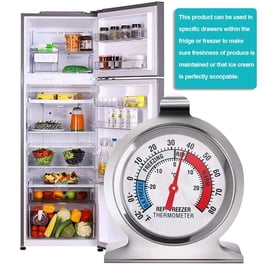
- Dial Thermometers:These have a simple analog display and are easy to read. They don’t require batteries but may not be as precise as digital models.
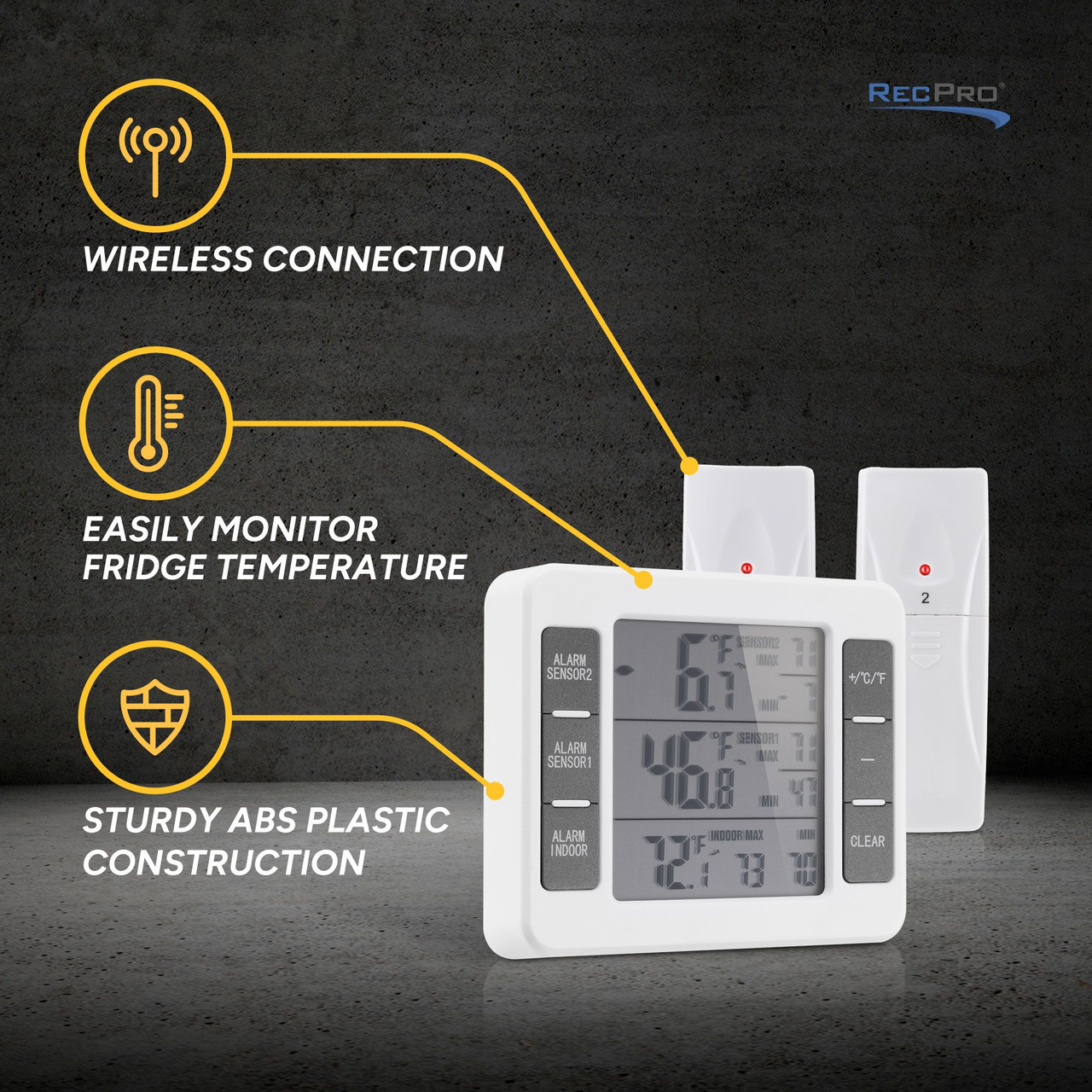
- Digital Thermometers:These offer quick and accurate readings with a clear digital display. Some come with alarms to alert you if the temperature goes out of range.
- Infrared Thermometers:These measure surface temperature without contact. While useful, they might not give an accurate reading of the air temperature inside the fridge.
Think about how precise you want the temperature reading to be and whether you prefer a quick glance or a detailed digital display.
Features To Look For
Not all thermometers are created equal, so look for features that make your life easier. Accuracy is the top priority; a thermometer should measure within one degree of the actual temperature.
- Easy-to-read Display:A large, clear display helps you check the temperature at a glance, especially if you place the thermometer deep inside the fridge.
- Temperature Range:Make sure the thermometer covers the typical refrigerator temperatures (usually 0°F to 50°F or -18°C to 10°C).
- Durability and Waterproofing:Your thermometer should withstand the cold, moisture, and occasional spills inside the fridge.
- Alarm Function:An alert for high or low temperatures can save you from unexpected food spoilage.
- Size and Placement:Consider a compact design or one with a hook or magnet for easy placement.
Have you ever ignored a fridge thermometer because it was hard to read or unreliable? Choosing the right features can make monitoring your fridge temperature a simple daily habit.
Preparing Your Refrigerator
Preparing your refrigerator before placing a thermometer inside is key to getting accurate temperature readings. It’s not just about putting the device in and checking the number. How you set up the space can influence how well the thermometer reflects the true fridge temperature.
Clearing Space For Placement
Start by choosing a spot away from the door and walls. These areas tend to have temperature swings due to frequent opening or cold air blowing from vents.
Clear a flat surface on a middle shelf to ensure the thermometer sits steadily. Avoid placing it near fruits or vegetables that release moisture because this can affect the reading.
- Remove any clutter that blocks airflow.
- Keep the thermometer visible for easy reading without moving it.
- Make sure the spot you pick won’t get bumped or shifted often.
Avoiding Temperature Fluctuations
Think about how often you open your fridge. Frequent door openings cause temperature spikes that can confuse your thermometer’s reading.
Try to check the temperature after the fridge has been closed for several hours. This gives the thermometer time to adjust and show a stable number.
If your fridge has a built-in ice maker or water dispenser, place the thermometer away from these areas. They often create colder pockets that don’t represent the overall fridge temperature.
Have you noticed how some spots in your fridge feel colder or warmer? Placing the thermometer thoughtfully helps you avoid these misleading zones and get the real picture.
Placing The Thermometer
Placing a refrigerator thermometer correctly is key to getting an accurate reading of your fridge's temperature. Where you put it can make a big difference between knowing if your food is truly safe or if it’s at risk. Let’s look at the best spots inside your fridge and how to keep the thermometer steady so you get reliable results every time.
Best Locations Inside The Fridge
Temperature can vary a lot inside different parts of the fridge. The door is the warmest spot since it opens often. Avoid placing the thermometer there.
The middle shelves offer the most consistent temperature. This is where you should keep your thermometer for the most accurate reading.
- Place it away from the walls and vents to avoid false highs or lows.
- Keep it near the center of the shelf, not too close to food packages.
- If your fridge has a vegetable drawer, avoid placing the thermometer there since it’s often cooler than the rest.
Have you ever wondered why some foods spoil faster even though the fridge feels cold? Checking the thermometer in the right spot can reveal those hidden temperature differences.
Securing The Thermometer
A thermometer that moves around won’t give you steady readings. You need to make sure it stays put where you place it.
- Use a clip or hook if your thermometer has one to attach it to a shelf bar.
- For dial thermometers, place them on a flat surface and avoid stacking heavy items on top.
- Consider using adhesive tape or a magnetic backing if your fridge door allows it, but avoid blocking airflow.
I once had a thermometer fall behind a crate of milk—turns out, the temperature was much warmer there. Securing the thermometer properly prevents these surprises and helps you trust the numbers you see.
Credit: recpro.com
Reading The Temperature
Reading the temperature on a refrigerator thermometer helps keep food safe. It shows if the fridge is cold enough to prevent bacteria growth. Understanding the display and knowing the right temperature range is important.
How To Interpret The Display
Most refrigerator thermometers show temperature in numbers. They may use Celsius (°C) or Fahrenheit (°F). Look for a clear digital screen or a dial with a needle.
Digital thermometers display the exact number. Some models update the reading every few seconds. For dials, the needle points to the current temperature on a marked scale.
Check the number carefully. If the thermometer has both scales, use the one you prefer. Make sure the reading is steady before noting it down. A fluctuating number means the fridge door might be open or the thermometer is not placed well.
Ideal Temperature Ranges
| Fridge Section | Ideal Temperature (°F) | Ideal Temperature (°C) |
|---|---|---|
| Refrigerator Compartment | 35 - 38 | 1.7 - 3.3 |
| Freezer Compartment | 0 or below | −18 or below |
Keeping the fridge temperature between 35°F and 38°F (1.7°C to 3.3°C) slows bacteria growth. The freezer should stay at 0°F (−18°C) or colder to keep food frozen well.
Temperatures above these ranges risk food spoilage. Temperatures too low can freeze fresh produce in the fridge section. Regular checks help maintain safe and efficient cooling.
Maintaining Accurate Readings
Place the thermometer in the middle of the fridge for the best reading. Avoid opening the door often to keep the temperature steady. Check the thermometer after several hours to get an accurate measure.
Maintaining accurate readings on your refrigerator thermometer is crucial. It ensures your food stays fresh and safe. Inaccurate readings might lead to spoiled food or wasted energy. To keep your thermometer precise, two main steps are vital. These steps involve regular calibration and adjusting settings properly.
Regular Calibration
Calibrate your thermometer at least once a month. Use a glass of ice water as a baseline. Insert the thermometer in the water. Wait a few minutes for the reading to stabilize. It should read 32°F or 0°C. If not, adjust the thermometer accordingly. This process ensures accuracy. Regular checks prevent temperature fluctuations. It helps maintain the right refrigerator environment.
Monitoring And Adjusting Settings
Consistently monitor your refrigerator's temperature. Check it at least weekly. Use the thermometer to verify settings. If the reading is off, adjust the refrigerator dial. Aim for 37°F to 40°F (3°C to 4°C) inside. This range keeps food fresh without freezing. Make small adjustments and wait a few hours. Then, check the temperature again. Adjust until the reading is accurate. This practice preserves food quality and energy efficiency.
Credit: www.walmart.com
Troubleshooting Common Issues
Sometimes your refrigerator thermometer might not give you the clear reading you expect. This can be frustrating, especially when you’re trying to keep your food safe. Understanding common issues and how to fix them can save you time and prevent food spoilage.
Inconsistent Readings
If your thermometer shows different temperatures every time you check, it might be placed in the wrong spot. Avoid putting it near the fridge door or vents where cold air fluctuates. Instead, place it in the center of the fridge, away from walls and food containers.
Check if the thermometer is properly calibrated. Some models allow you to adjust the reading using a calibration dial or button. If yours doesn’t, consider comparing it with an accurate digital thermometer and note the difference to adjust mentally.
Have you ever noticed your fridge temperature rising after opening the door? This temporary change can cause inconsistent readings. Try taking readings after the fridge has been closed for at least an hour for more accurate results.
Thermometer Malfunctions
Sometimes the thermometer itself can be faulty. Mechanical thermometers can get stuck or have broken parts, while digital ones may have dead batteries or display errors.
- For mechanical thermometers, gently tap or shake to see if the needle moves.
- Replace batteries in digital models regularly to avoid sudden failures.
- Inspect for visible damage like cracks or moisture inside the casing, which can affect performance.
If your thermometer consistently gives wrong readings despite troubleshooting, it might be time to replace it. Investing in a reliable thermometer ensures your fridge stays at the right temperature and your food stays fresh.
Frequently Asked Questions
How Do I Read A Refrigerator Thermometer Correctly?
To read a refrigerator thermometer, place it in the middle shelf. Wait 3-5 minutes for an accurate reading. Check the dial or digital display for the temperature. Ensure it reads between 35°F and 38°F for safe food storage.
Where Should I Place A Thermometer Inside The Fridge?
Place the thermometer in the refrigerator’s main compartment, not the door. The middle shelf is ideal for the most accurate temperature reading. Avoid placing it near the back or bottom, as these spots may show colder or inconsistent temperatures.
What Temperature Should A Refrigerator Thermometer Show?
A refrigerator thermometer should show a temperature between 35°F and 38°F. This range keeps food fresh and prevents bacteria growth. Temperatures above 40°F can cause spoilage, while below 32°F may freeze food unintentionally.
How Often Should I Check My Refrigerator Thermometer?
Check your refrigerator thermometer at least once a week. Regular monitoring helps maintain safe food storage temperatures. Adjust the fridge settings if the temperature drifts outside the ideal 35°F to 38°F range.
Conclusion
Reading a refrigerator thermometer helps keep food safe and fresh. Check the temperature often to avoid spoilage. Keep your fridge between 35°F and 38°F for best results. Place the thermometer in the middle of the fridge for an accurate reading.
Adjust the fridge settings if the temperature is too high or low. This simple step protects your family’s health. Stay mindful of your fridge’s temperature to save money and reduce waste. A small habit with big benefits.