Are you struggling to hang your favorite magnets on your stainless steel refrigerator? You’re not alone.
Unlike regular steel, stainless steel doesn’t attract magnets easily, leaving you wondering how to display your photos, notes, or reminders. But don’t worry—there’s a simple way to fix this problem and personalize your fridge just the way you want. Keep reading, and you’ll discover easy, effective methods to get your magnets sticking perfectly.
Your fridge is about to become more useful and stylish!
Credit: www.kjmagnetics.com
Why Magnets Don't Stick
Many people find that magnets do not stick to their stainless steel refrigerator. This often causes confusion and frustration. The reason lies in the type of stainless steel used and its magnetic properties. Understanding why magnets don’t stick helps to find the right solution.
Magnetic Properties Of Stainless Steel
Not all stainless steel is magnetic. It depends on the metal’s structure and composition. Stainless steel comes in different grades. Some are magnetic, while others are not.
Most refrigerators use austenitic stainless steel. This type has a smooth, shiny surface but is not magnetic. It contains high levels of chromium and nickel. These elements change the metal’s structure, making it non-magnetic.
Other types, like ferritic or martensitic stainless steel, are magnetic. They have different amounts of chromium and no nickel. This makes magnets stick to them easily.
Common Misconceptions
Many people think all stainless steel is magnetic. This is not true. The metal’s look does not show if it attracts magnets or not.
Some assume magnets will stick if the surface is clean. But even clean stainless steel may not hold magnets.
Others believe stronger magnets will always work. Strong magnets can help but won’t stick to a non-magnetic surface. The metal itself must have magnetic properties.
Credit: www.kjmagnetics.com
Choosing The Right Magnets
Choosing the right magnets is important for attaching items to a stainless steel refrigerator. Not all magnets work well because stainless steel is not always magnetic. Picking the correct type, size, and strength ensures your magnets stick firmly and hold your items safely.
Types Of Magnets For Stainless Steel
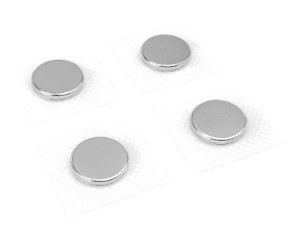
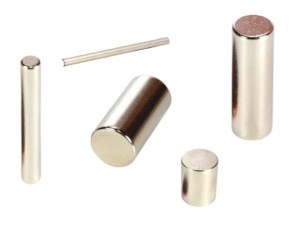
Stainless steel varies in magnetism. Some types attract magnets strongly, while others do not. Neodymium magnets are very powerful and work well on many stainless steel surfaces. Ceramic magnets are less strong but may hold lighter items.
Flexible magnets stick easily but might not hold heavy objects. Rare earth magnets provide strong pull and are compact. Check your refrigerator’s steel type before choosing a magnet type.
Strength And Size Considerations
Magnet strength matters for holding items without slipping. Stronger magnets hold heavier notes, photos, or tools. Small magnets work for light objects but may lose grip on slick surfaces.
Consider the size of the magnet and the weight of the item. Larger magnets spread magnetic force better and hold more weight. Avoid magnets that are too strong for thin papers—they can damage them.
- Use strong magnets for heavy items.
- Choose medium strength for everyday notes.
- Pick small magnets for light decorations.
Surface Preparation Tips
Cleaning the surface thoroughly removes dirt and oils that block magnets from sticking. Using a thin metal sheet or magnetic tape helps magnets hold on stainless steel fridges. Dry the area well before placing magnets to ensure better grip.
Preparing your refrigerator surface is crucial for effective magnet use. A well-prepared surface ensures magnets stick better and last longer. Follow these simple tips for a clean and adhesive-friendly fridge.
Cleaning The Refrigerator Surface
Start by unplugging the refrigerator. This ensures safety while cleaning. Use a soft cloth and mild detergent. Avoid using abrasive cleaners that scratch the surface. Gently wipe the surface to remove dust and grease. Rinse with a damp cloth to clear any soap residue. Finally, dry with a clean towel. A dry surface helps magnets adhere better.
Using Adhesive Primers
Adhesive primers improve magnet grip on stainless steel. Choose a primer specifically for metals. Apply a thin layer on the cleaned area. Let it dry completely before placing magnets. This creates a sticky layer for stronger magnet hold. Primers are especially useful for heavy or large magnets. Remember, a clean and primed surface works best.
Easy Attachment Methods
Attaching magnets to a stainless steel refrigerator can be tricky. Some stainless steel surfaces are not magnetic. Using simple tools helps secure magnets without damage. These easy attachment methods work well and keep your fridge neat. Choose a method that fits your needs and materials.
Magnetic Strips With Adhesive Backing
Magnetic strips stick easily to flat surfaces. The adhesive backing holds the strip firmly in place. Cut the strip to the size you want. Peel the protective layer and press the strip on the fridge. Let it sit for a few minutes to stick well. Attach your magnets directly to the strip. This method works best on non-magnetic stainless steel.
Double-sided Tape Hacks
Double-sided tape is a quick fix for magnet attachment. Use strong, clear tape for a clean look. Cut small pieces of tape and stick them to the magnet. Press the magnet firmly against the fridge surface. This method holds lightweight magnets well. Avoid heavy magnets, as tape may lose grip over time. Replace tape if it gets dirty or loses stickiness.
Using Magnetic Sheets
Magnetic sheets offer a flexible solution for many projects. Cut the sheet to fit your magnet size. Peel off the adhesive cover and apply the sheet to the back of your magnet. Press firmly to ensure a strong bond. The sheet creates a magnetic surface that sticks to the fridge. It works on both magnetic and some non-magnetic stainless steel surfaces. Use magnetic sheets for custom shapes and sizes.
Diy Magnetic Solutions
DIY magnetic solutions offer smart ways to add magnets to stainless steel refrigerators. These fridges often have non-magnetic surfaces, making it tricky to use regular magnets. By using simple materials and techniques, anyone can create functional and attractive magnetic spots.
These ideas help keep notes, photos, and reminders organized without damaging the fridge. They also add a personal touch to kitchen spaces. Let’s explore practical options that anyone can try at home.
Attaching Magnets To Non-magnetic Surfaces
Non-magnetic stainless steel resists magnet sticks. A popular fix is using magnetic strips with adhesive backs. These strips stick firmly to the fridge and hold magnets well.
- Clean the fridge surface with alcohol to remove dirt.
- Cut magnetic strips to the desired length.
- Peel off the adhesive cover and press the strip firmly on the fridge.
- Attach your magnets to the strip as needed.
Another option is using magnetic paint. This paint contains tiny iron particles that attract magnets after drying. Paint a small area on the fridge, let it dry, then apply magnets.
Crafting Custom Magnetic Holders
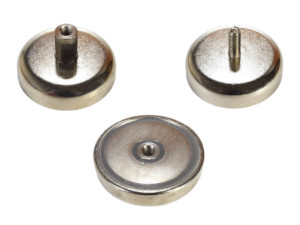
Custom holders combine function and style. Use strong magnets glued to small containers or clips. These holders keep pens, keys, or kitchen tools handy.
- Choose a container or clip that fits your needs.
- Apply strong adhesive to a flat magnet.
- Attach the magnet to the container’s back or bottom.
- Allow the glue to dry completely before use.
Fabric or leather holders with embedded magnets also work well. They add a decorative touch while holding small items. This method personalizes your fridge and keeps it tidy.
Credit: www.kjmagnetics.com
Maintaining Magnet Attachments
Maintaining magnet attachments on a stainless steel refrigerator helps keep your kitchen organized and neat. Proper care ensures magnets stay secure without damaging the fridge surface. Simple steps make your magnets last longer and protect the stainless steel finish.
Avoiding Damage To The Refrigerator
Use soft magnets to prevent scratches or dents. Avoid strong magnets with sharp edges. Clean the fridge surface before placing magnets to remove dirt and grease. Wipe gently using a soft cloth and mild soap. Never use abrasive cleaners or scrubbers that can harm the finish. Check magnets regularly to ensure they do not slip or scrape the surface.
Reinforcing Magnet Hold
Choose magnets with a strong but gentle grip. Add adhesive pads or double-sided tape for extra support. Position magnets on flat, smooth areas of the fridge. Avoid placing magnets near edges or curves where they may fall off. Rotate magnets occasionally to prevent uneven wear. Use magnetic strips or sheets for larger items to spread the weight evenly.
Alternative Display Ideas
Finding ways to display photos, notes, or artwork on a stainless steel refrigerator can be tricky. Magnets might not stick well on stainless steel surfaces. Alternative display ideas can help showcase your items without damaging the fridge. These solutions keep your kitchen organized and stylish.
Using Clips And Hooks
Clips and hooks offer a simple way to hang items on your fridge. Use adhesive-backed clips that stick firmly without leaving marks. Hooks with strong adhesive pads can hold lightweight decorations or kitchen tools.
- Choose clips with a non-slip grip for secure holding.
- Place hooks near the top or sides for easy access.
- Use removable adhesive to avoid residue on your fridge.
This method works well for calendars, shopping lists, and recipe cards. It keeps your fridge surface clean and clutter-free.
Magnetic Paint And Panels
Magnetic paint turns a section of your fridge or wall into a magnetic surface. Apply several coats for best results. You can then use regular magnets on the painted area.
- Use magnetic panels that stick to stainless steel with adhesive.
- Panels come in various sizes and designs to suit your style.
- Combine magnetic paint and panels for a custom display area.
This option allows easy attachment and removal of magnets. It also adds a unique look to your kitchen space.
Frequently Asked Questions
Why Don’t Magnets Stick To Stainless Steel Refrigerators?
Most stainless steel refrigerators use a non-magnetic alloy. This alloy lacks iron, which is essential for magnetism. Therefore, magnets don’t stick directly to the surface.
How Can I Attach Magnets To Stainless Steel Fridge?
Use magnetic strips with adhesive backing or metal plates. Attach the plate to the fridge, then place magnets on it. This method allows magnets to stick securely.
Are There Damage Risks When Putting Magnets On Stainless Steel?
Generally, magnets don’t damage stainless steel. However, adhesive strips or metal plates might leave residue or scratches. Always test on a small area first.
What Types Of Magnets Work Best On Stainless Steel?
Strong neodymium or rare-earth magnets work best with metal plates. These magnets have high magnetic force, ensuring better grip and stability on stainless steel surfaces.
Conclusion
Adding magnets to a stainless steel fridge can be simple and effective. Use metal strips or magnetic sheets designed for smooth sticking. Test the surface first to avoid damage. Choose magnets with strong hold to keep items secure. This method helps personalize and organize your kitchen space.
Small changes make a big difference in daily use. Try these tips to enjoy a practical and neat fridge. Keep your kitchen both stylish and functional with ease.