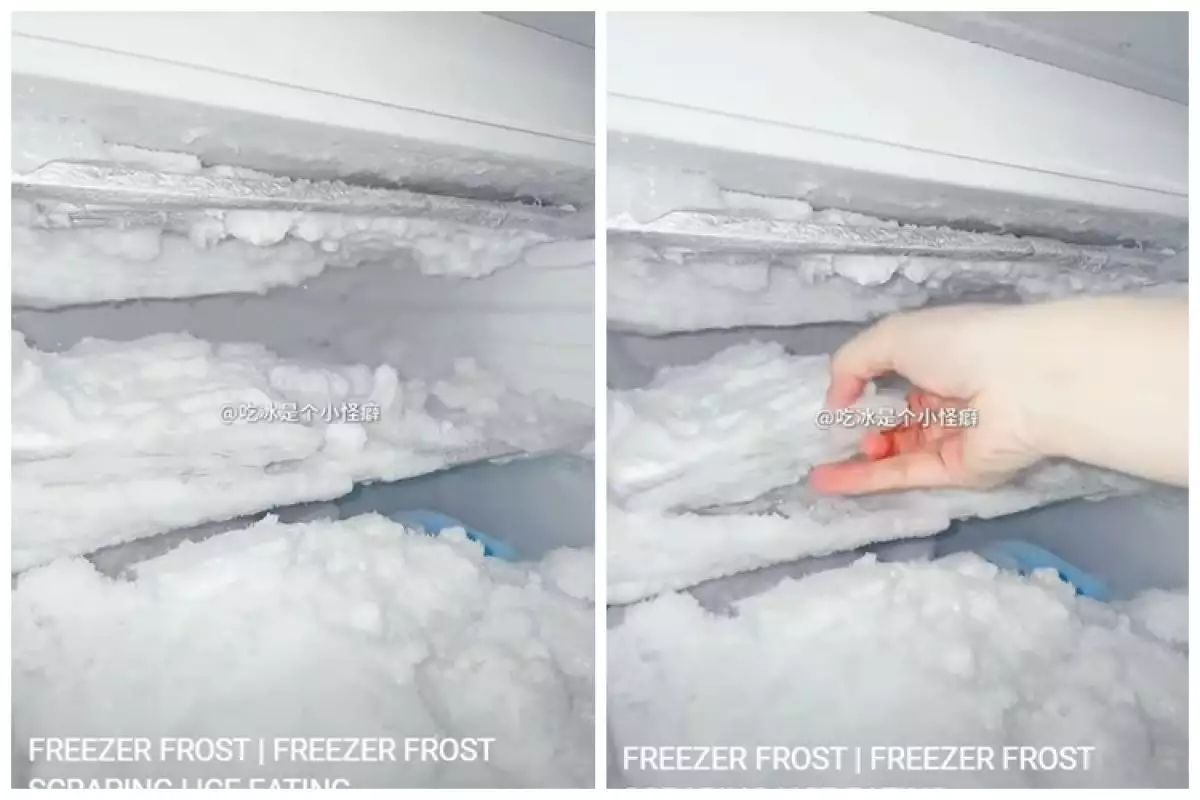
Have you ever opened your freezer only to find thick layers of frost covering everything inside? Frost buildup can waste space, lower your freezer’s efficiency, and even spoil your food.
But what if you could stop frost from forming in the first place? You’ll discover simple and effective tips that will keep your freezer frost-free. By following these easy steps, you’ll save time, protect your food, and keep your freezer running smoothly.
Ready to say goodbye to frost for good? Keep reading!

Credit: www.cmu.fr
Causes Of Freezer Frost
Frost inside a freezer forms because of moisture buildup. Understanding the causes helps prevent frost from forming. Frost can reduce freezer efficiency and spoil food quality. Identifying common causes lets you keep your freezer frost-free.
Moisture Entry Points
Moisture enters the freezer from outside air. Warm air carries water vapor that freezes inside. Cracks or holes in the freezer walls let moisture in. Even small openings can cause frost to build up quickly.
Frequent Door Opening
Opening the freezer door often brings warm air inside. This warm air cools down and turns into frost. Leaving the door open for long increases moisture. Each time you open the door, frost can form faster.
Improper Sealing
The freezer door must seal tightly to keep cold air in. A worn or damaged seal lets moist air enter. Check for cracks or gaps in the rubber seal. Poor sealing causes frost buildup around the door area.
Credit: en.brilio.net
Choosing The Right Freezer
Choosing the right freezer can make a huge difference in how much frost builds up inside. Not all freezers handle moisture the same way, and picking one that suits your needs can save you time and energy. Think about your daily habits and how often you open the freezer door—this can influence the type of freezer that works best for you.
Frost-free Models
Frost-free freezers use a built-in fan to circulate dry air, preventing frost from forming on your frozen foods. This means you won’t have to manually defrost the freezer, which can be a real time-saver. If you dislike the hassle of scraping ice or waiting for it to melt, a frost-free model is a smart choice.
However, these models can be a bit louder and sometimes use more energy. Consider how much noise you can tolerate and check the energy rating before buying. Have you ever had to deal with thick ice blocking your freezer’s shelves? A frost-free model can help avoid that frustration.
Energy Efficiency
Choosing an energy-efficient freezer not only helps the environment but also lowers your electricity bills. Look for models with the ENERGY STAR label, which meet strict energy-saving standards. An efficient freezer maintains consistent temperatures, reducing the risk of frost buildup caused by temperature fluctuations.
Keep in mind that a bigger freezer isn’t always better if you don’t need the extra space. A compact, energy-efficient freezer can do the job without wasting power. Do you really need a huge freezer, or would a smaller one save you money and prevent excess frost?
Optimal Freezer Settings
Setting your freezer correctly plays a crucial role in preventing frost buildup. Optimal freezer settings ensure that your food stays fresh while minimizing ice formation on the walls and shelves. Let’s dive into how temperature and humidity control can make a real difference in your freezer’s performance.
Temperature Control
Keeping your freezer at the right temperature is key to avoiding frost. Aim to set it between 0°F and 5°F (-18°C to -15°C). Temperatures colder than necessary cause excess moisture to freeze, leading to frost buildup.
Check your freezer thermometer regularly to make sure the temperature stays steady. If you notice frequent fluctuations, you might need to adjust the thermostat or check the door seal. A freezer that’s too warm also invites frost, as moisture inside condenses and freezes.
Have you ever opened your freezer and felt a blast of cold air? That’s a sign your freezer is working hard to maintain temperature, which can increase frost. Minimizing how often you open the door can help keep the temperature stable.
Humidity Management
Moisture is the enemy when it comes to frost. High humidity inside the freezer causes water vapor to freeze on the surfaces. One way to control humidity is by sealing food tightly in airtight containers or freezer bags.
Another tip is to avoid putting warm or uncovered food directly into the freezer. This releases moisture and raises humidity levels inside. Instead, cool food to room temperature before freezing.
Consider using moisture absorbers or silica gel packs designed for freezers. These small additions can soak up excess humidity and keep frost at bay. Do you keep track of how you package your food before freezing? It might be the simple change that stops frost from forming.
Proper Storage Techniques
Keep freezer items sealed tightly to block moisture and air. Avoid leaving the door open too long to stop frost buildup. Store food in smaller portions for quicker freezing and less frost formation.
Proper storage techniques are essential in preventing frost buildup in your freezer. A well-organized freezer not only keeps your food fresh but also ensures efficient air circulation, reducing the chances of frost. By paying attention to how you store your items, you can maintain an optimal environment in your freezer.
Sealing Food Items
Ensure all food items are properly sealed. Use airtight containers or heavy-duty freezer bags to lock out moisture. This not only prevents frost but also preserves the food's flavor and texture. Consider using vacuum sealers for long-term storage. They remove air and provide an excellent seal, minimizing frost formation. Have you ever noticed frost on improperly sealed items? This can lead to freezer burn, affecting the taste and quality of your food.
Avoiding Overloading
Avoid cramming too many items in your freezer. Overloading restricts air circulation, which can lead to uneven cooling and frost buildup. Aim for about two-thirds capacity to allow cold air to flow freely. Think of your freezer as a library. If you pile books without order, it's hard to find what you need and things get messy quickly. Keeping it organized not only prevents frost but saves you time when searching for ingredients. Regularly check your freezer for expired items. Clearing out old or unnecessary food creates more space, aiding in proper air circulation. What can you remove today to make your freezer more efficient?
Maintenance Tips
Proper maintenance keeps your freezer running smoothly and frost-free. Small efforts prevent frost buildup and save energy. Follow these simple tips to maintain your freezer effectively.
Regular Defrosting
Defrost your freezer regularly to stop frost from building up. Frost reduces cooling efficiency and increases electricity use. Turn off the freezer and let the ice melt naturally. Wipe out any water with a cloth. Avoid sharp tools to remove ice, as they can damage the freezer walls.
Checking Door Seals
Inspect door seals often to ensure they close tightly. Worn or damaged seals let warm air inside, causing frost. Clean seals with warm, soapy water and dry them well. Replace seals if they are cracked or not sticking properly. A tight seal keeps cold air in and frost out.
Cleaning Coils
Clean the freezer coils twice a year to improve cooling. Dust and dirt on coils make the freezer work harder. Use a vacuum or brush to remove debris gently. Keep the area around the freezer clear for good airflow. Clean coils help prevent frost and save energy.

Credit: www.searshomeservices.com
Additional Preventive Measures
Preventing frost buildup in your freezer doesn't stop at regular defrosting. Small habits and smart additions can make a big difference in keeping frost at bay. Let’s look at some practical tips that can help you maintain a frost-free freezer with minimal effort.
Using Moisture Absorbers
Moisture is the main cause of frost. Using moisture absorbers inside your freezer can significantly reduce the humidity that leads to frost formation.
Simple items like silica gel packs or activated charcoal bags work well. Place them in a corner of your freezer, away from food, to absorb excess moisture.
This small step helped me reduce frost buildup drastically. Have you tried adding moisture absorbers to your freezer yet?
Minimizing Door Open Time
Every time you open your freezer door, warm air rushes in and brings moisture with it. This moisture quickly turns into frost once the temperature drops again.
Try to plan what you need before opening the door to keep it open for a short time. Even a few extra seconds can increase frost buildup.
Think about your last freezer visit—did you spend time searching for items inside? Quick and focused freezer visits keep frost under control and save energy too.
Frequently Asked Questions
How Can I Stop Frost Buildup In My Freezer?
Keep the freezer door closed tightly to prevent warm air entering. Regularly defrost and clean the freezer. Avoid placing hot or uncovered food inside. Maintain the freezer temperature at or below 0°F (-18°C) for optimal frost prevention.
Why Does Frost Form Inside Freezers?
Frost forms when moisture from warm air enters the freezer and freezes on cold surfaces. Frequent door opening or faulty seals increase moisture inside, causing frost buildup. Proper sealing and limited door openings reduce frost formation effectively.
What Is The Best Temperature To Prevent Freezer Frost?
Set your freezer temperature to 0°F (-18°C) or slightly below. This temperature keeps food frozen and reduces moisture, preventing frost buildup. Avoid setting it too cold, as it can increase energy consumption without added benefits.
How Often Should I Defrost My Freezer?
Defrost your freezer at least once every 6 months or when frost exceeds 1/4 inch thick. Regular defrosting maintains efficiency and prevents excessive frost buildup. Manual defrost freezers need more frequent defrosting compared to frost-free models.
Conclusion
Preventing frost in your freezer keeps it working well and saves energy. Regularly check the door seal for any gaps or cracks. Avoid leaving the freezer door open for long times. Store food in airtight containers to reduce moisture inside.
Clean and defrost the freezer when you see frost build-up. These simple steps help keep your freezer frost-free and your food fresh. Small habits make a big difference in freezer care. Stay consistent, and enjoy a clean, efficient freezer every day.