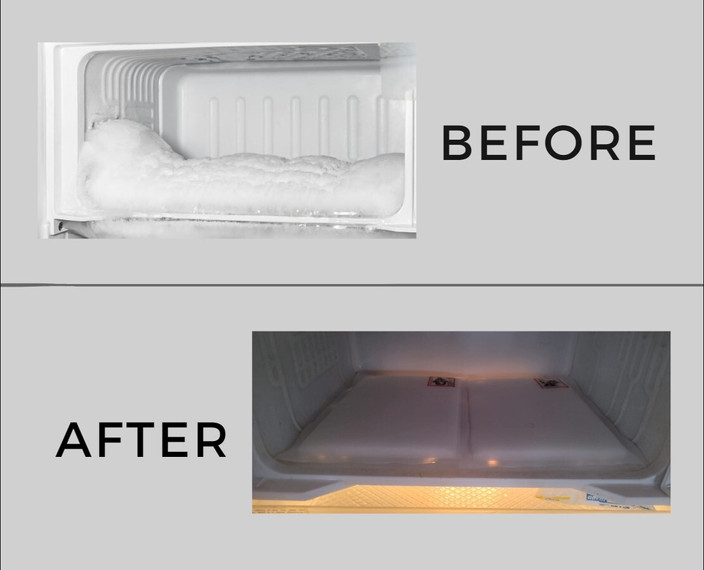
Is your freezer constantly covered in frost? That annoying layer not only wastes space but can also make your freezer work harder, costing you money.
Imagine opening your freezer to find it frost-free, clean, and running smoothly every time. You can achieve this with a few simple steps. You’ll discover easy and effective ways to stop frost from building up in your freezer, saving you time and hassle.
Keep reading to learn how to keep your freezer frost-free and your food fresh longer!
Credit: www.flipkart.com
Causes Of Freezer Frosting
Frost buildup in your freezer isn’t just a minor annoyance; it can reduce storage space and make your appliance work harder, increasing energy bills. Understanding what causes this frost can help you take control and keep your freezer frost-free. Let’s look at the common reasons frost forms and how they sneak into your freezer.
Moisture Buildup
Moisture inside your freezer is the main culprit behind frost. Every time warm, humid air enters, water vapor condenses and freezes on the cold surfaces. If you leave food uncovered or store liquids without sealing, moisture escapes and adds to the problem.
Think about how often you open your freezer with wet hands or place warm leftovers inside. These actions introduce extra moisture and speed up frost formation.
Frequent Door Opening
Opening your freezer door often lets in warm air, which carries moisture. Each time this happens, frost can form quickly as the air cools down and water vapor freezes. If you find yourself grabbing snacks multiple times a day, the frost buildup can become noticeable fast.
Ask yourself: can you organize your freezer better to reduce how often you open it? Grouping items and planning meals can help limit door openings and keep frost at bay.
Poor Door Seal
A damaged or loose door seal lets warm air seep inside continuously. Even a small gap can cause frost to build up over time. You might not notice the seal issue right away, but feeling cold air around the edges or seeing condensation is a warning sign.
Check your freezer’s seal regularly by closing the door on a piece of paper. If it slides out easily, the seal isn’t tight enough and needs repair or replacement.
Temperature Settings
Setting your freezer to a temperature that’s too low can cause excessive frost. While it might seem like colder is better, extremely low temperatures can lead to rapid moisture freezing. On the flip side, temperatures that are too high won’t preserve your food well and can cause frost through condensation.
Keep your freezer temperature around 0°F (-18°C) for optimal performance. Adjusting the settings can balance frost prevention and food safety effectively.
Credit: www.flipkart.com
Effective Frost Prevention Tips
Frost buildup in your freezer can be a real hassle, making it harder to find items and reducing energy efficiency. Preventing frost doesn't require complicated tools or expensive solutions. By adopting a few simple habits, you can keep your freezer frost-free and running smoothly.
Keep Door Closed
Every time you open your freezer door, warm air sneaks inside and causes frost to form. Try to limit how often you open the door and avoid leaving it open for long periods. Planning ahead—like gathering everything you need at once—helps reduce frost buildup significantly.
Check Door Seals
Your freezer’s door seals play a crucial role in keeping cold air in and warm air out. Inspect the rubber gaskets regularly for cracks or dirt. If the seal doesn’t close tightly, replace or clean it to stop moisture from entering and causing frost.
Set Optimal Temperature
Keeping your freezer too cold can encourage frost, while too warm can spoil your food. Aim to set the temperature at about 0°F (-18°C). This balance preserves your food and minimizes frost formation efficiently.
Avoid Hot Food Storage
Placing hot or warm food directly into the freezer adds moisture, which turns into frost. Let food cool down to room temperature before freezing it. This small step can save you from frequent defrosting sessions.
Use Frost-free Freezers
If frost buildup is a constant problem, consider upgrading to a frost-free freezer model. These freezers use automatic defrost cycles to prevent ice accumulation. Investing in one can save you time and effort in maintenance.
Proper Freezer Maintenance
Proper freezer maintenance plays a key role in stopping frost buildup. A well-kept freezer runs smoothly and uses less energy. It also keeps your food fresh longer. Simple habits can prevent frost and save you time and money.
Regular Defrosting
Frost forms when moisture freezes inside the freezer. Defrost the freezer regularly to remove ice buildup. Turn off the freezer and let the ice melt naturally. Wipe away the water with a clean cloth. Avoid sharp tools that can damage the freezer walls.
Clean Door Gaskets
Door gaskets seal the freezer and keep cold air inside. Dirt or damage on gaskets lets warm air in, causing frost. Clean the gaskets with warm, soapy water and a soft cloth. Check for cracks or tears and replace if needed. A tight seal keeps frost away.
Inspect Drain Holes
Drain holes help remove water during defrosting. Blocked drains cause water to pool and freeze. Check the drain holes often and clear any debris. Use a pipe cleaner or a small brush for cleaning. Proper drainage reduces frost and water buildup.
Organize Freezer Contents
Packed or messy freezers block air circulation. Poor airflow causes uneven cooling and frost patches. Arrange food in neat rows and avoid overfilling. Use bins or containers to keep items tidy. Good organization helps cold air flow freely and lowers frost risk.
Energy-saving Benefits
Keeping your freezer frost-free isn’t just about convenience—it has real energy-saving benefits that impact your daily life. Frost buildup makes your freezer work harder, pushing up energy use and costs. By preventing frost, you help your appliance run efficiently, save money, and extend its life.
Reduced Energy Consumption
Frost acts as an insulator inside your freezer, forcing it to use more power to maintain cold temperatures. When you prevent frost, your freezer doesn’t have to run as often or as long. This simple action can cut down energy use significantly, which is better for the environment and your wallet.
Prolonged Appliance Life
Excess frost can strain your freezer’s compressor and other parts. Over time, this extra wear can lead to costly repairs or even early replacement. Keeping frost at bay means your freezer operates smoothly, helping it last longer and saving you from unexpected expenses.
Lower Electricity Bills
Have you ever noticed a spike in your electricity bill without changing your habits? Frost buildup could be the hidden culprit. By preventing frost, you reduce energy waste, which directly lowers your monthly electricity costs. It’s a small change that can make a noticeable difference in your household budget.
Signs Of Frost Issues
Frost buildup appears as thick ice layers inside the freezer. Doors may not close properly, causing temperature issues. Watch for frost on food packages and unusual cold spots.
Spotting the signs of frost issues in your freezer can save you time, money, and a mountain of frustration. Ignoring these signs might lead to wasted food, increased energy bills, and a faulty appliance. So, how can you tell if your freezer is struggling with frost issues?
Excessive Ice Build-up
If you notice layers of ice thickening on the walls of your freezer, it's a clear sign something's not right. A family member of mine once ignored this, thinking it was harmless. The ice eventually blocked the vents, causing the freezer to work overtime and hike up the energy bill.
Unusual Noises
Does your freezer sound like it's auditioning for a horror movie? Unusual noises, such as banging or clunking, can indicate frost-related problems. These sounds often come from the motor working harder to maintain the temperature due to blocked airways or fan issues.
Temperature Fluctuations
Have you ever found your ice cream melting one day and rock-hard the next? Erratic temperature changes inside your freezer often point to frost issues. This inconsistency can lead to food spoilage and potentially unsafe food storage conditions. Pay close attention to these fluctuations to prevent a bigger problem down the line.
Credit: www.flipkart.com
Frequently Asked Questions
How Can I Stop My Freezer From Frosting Quickly?
To prevent frost buildup, keep the freezer door closed tightly. Avoid frequent opening and check door seals regularly for damage or gaps.
Why Does My Freezer Keep Getting Frost Inside?
Frost forms when warm, moist air enters the freezer. This happens due to frequent door openings or faulty door seals letting in humidity.
What Temperature Should My Freezer Be To Prevent Frost?
Set your freezer temperature to around 0°F (-18°C). This helps maintain optimal freezing without excessive frost formation.
How Often Should I Defrost My Freezer?
Defrost your freezer every 3 to 6 months or when frost is over 1/4 inch thick. Regular defrosting improves efficiency.
Conclusion
Stopping frost in your freezer saves energy and space. Keep the door closed tightly to block warm air. Clean the door seals often to avoid leaks. Defrost the freezer regularly to prevent frost buildup. Store food in airtight containers to reduce moisture.
These simple steps make your freezer last longer. Enjoy fresher food and lower electricity bills. A frost-free freezer means less work and more convenience. Small habits bring big benefits for your kitchen. Try these tips and see the difference today.