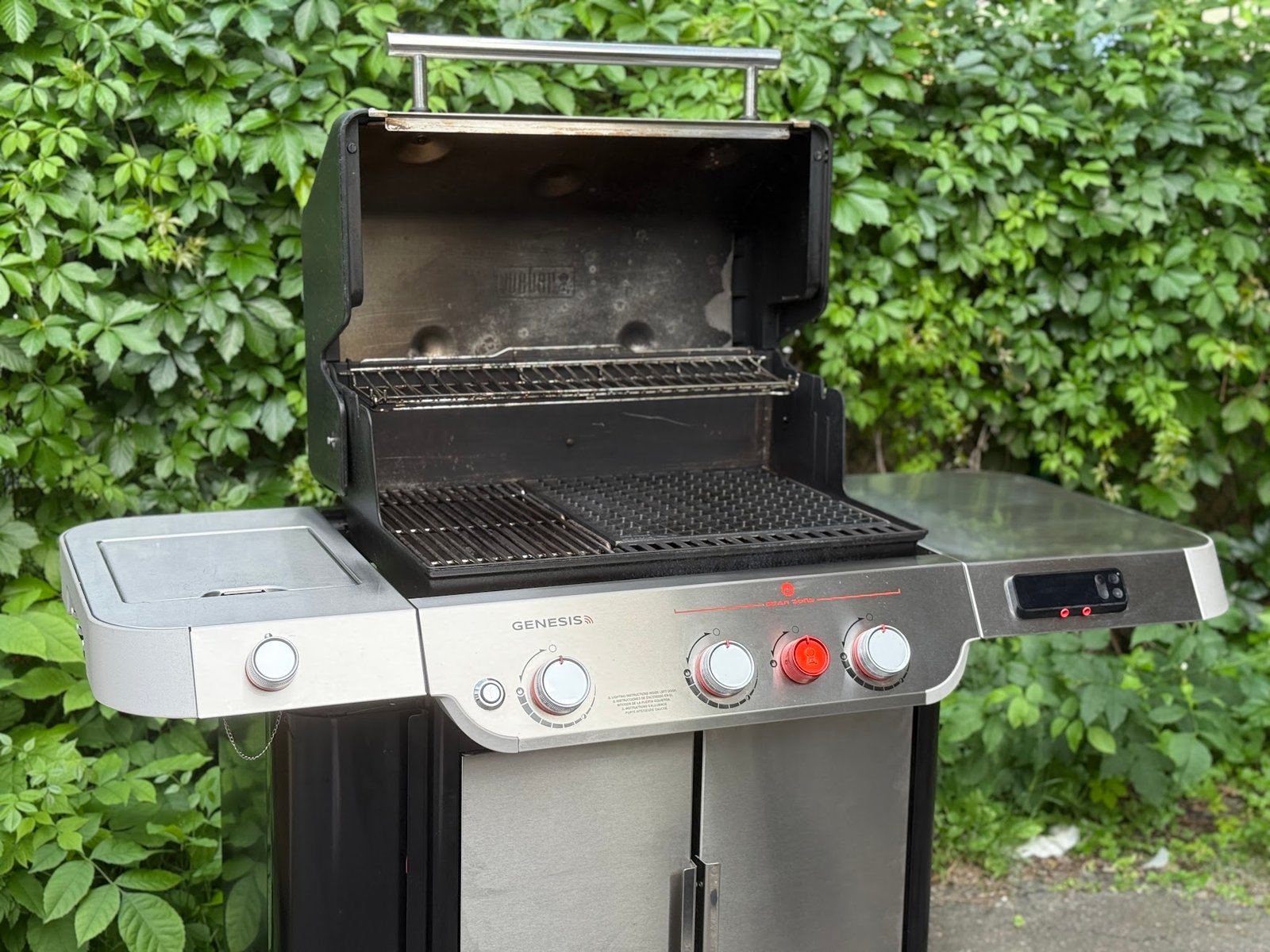
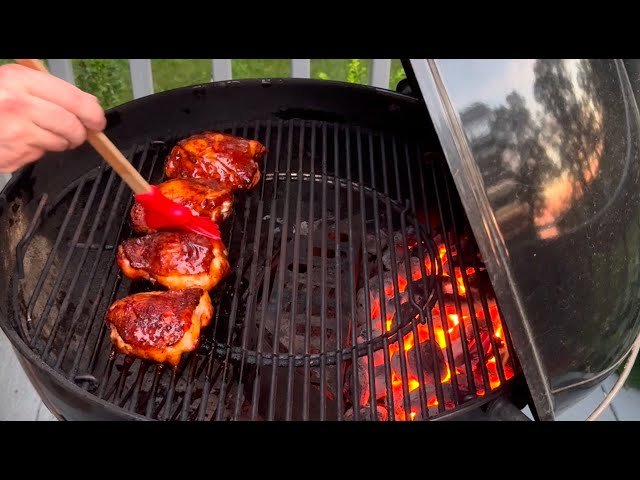
If you love grilling, you know that flare ups can quickly turn a perfect cookout into a smoky, burnt mess. Flare ups happen when fat drips onto the flames, causing sudden bursts of fire that can char your food and even damage your grill.
But what if you could keep those flames under control and enjoy juicy, evenly cooked meals every time? You’ll discover simple, effective tips to prevent flare ups on your gas grill. By following these easy steps, you’ll boost your grilling confidence and impress everyone with perfectly cooked dishes.
Keep reading to learn how to take charge of your grill and avoid those frustrating flare ups for good.
Causes Of Gas Grill Flare Ups
Flare ups on a gas grill happen when flames suddenly rise. These bursts can burn food and make grilling unsafe. Understanding what causes flare ups helps avoid them. Here are the main reasons flare ups occur.
Fat And Grease Buildup
Fat and grease drip from food onto hot grill parts. This fuel creates flames that flare up quickly. Grease stuck inside the grill also ignites easily. Regular cleaning stops fat and grease buildup. It lowers the chance of flare ups.
High Cooking Temperatures
Cooking at very high heat causes flare ups. Flames catch fire faster when grills run too hot. Foods with fat release more drips at high heat. Lower temperatures help control flame bursts. It keeps cooking safe and steady.
Improper Grill Maintenance
Dirty grills with clogged parts cause flare ups. Blocked burners or vents make gas burn unevenly. Old grease and food scraps add fuel for flames. Checking and cleaning grills often prevents flare ups. Proper care extends grill life and safety.
Preparing Your Grill For Safe Cooking
Preparing your grill properly is essential for avoiding flare ups that can char your food and create unsafe cooking conditions. Taking a few simple steps before you start cooking can help you maintain control over the flames and ensure a better grilling experience. Let’s look closely at how to get your gas grill ready for safe cooking.
Cleaning Grill Grates
Grease buildup on grill grates is a common cause of flare ups. Before you fire up your grill, use a stiff wire brush to scrape off any leftover residue from previous cookouts. This not only helps prevent sudden flames but also improves the taste and appearance of your food.
If your grates are especially dirty, consider soaking them in warm, soapy water for a while and then scrubbing thoroughly. Do you check your grates regularly, or only when things look really bad? Keeping them clean is easier than dealing with unpredictable flames.
Checking Gas Connections
Leaks or loose connections in your gas line can be dangerous and lead to flare ups. Always inspect the hose and fittings before lighting your grill. Look for cracks, holes, or signs of wear that could cause gas to escape.
A simple way to test for leaks is by brushing a soap and water solution onto the connections and watching for bubbles. If you see any, tighten or replace the affected parts immediately. Would you risk your safety by skipping this quick check?
Preheating The Grill Correctly
Preheating your grill evenly reduces the chance of flare ups caused by cold spots or uneven heat. Turn on the grill and let it heat for about 10 to 15 minutes with the lid closed. This burns off any remaining grease and stabilizes the temperature.
A properly preheated grill also helps your food cook consistently and prevents sticking. Have you noticed how rushed preheating affects your cooking results? Taking this extra time can make a big difference.
Managing Flare Ups During Cooking
Managing flare ups during cooking is essential for a safe and tasty grilling experience. Flare ups happen when fat drips onto the flames and cause sudden bursts of fire. These flames can burn food quickly and create uneven cooking. Knowing how to handle flare ups helps keep control and improves the flavor of your grilled dishes.
Controlling Heat Levels
Adjusting the grill’s heat can stop flare ups from getting out of hand. Lower the burners to reduce flames when fat drips. Use indirect heat by turning off burners below the food. This keeps food cooking without constant flames. Keeping moderate heat avoids burning and keeps food juicy.
Using A Spray Bottle For Flames
Keep a spray bottle filled with water near the grill. Light sprays can calm small flare ups quickly. Avoid spraying too much water to prevent ash or steam. A gentle mist cools the flames without disturbing the cooking. This simple tool helps maintain control over sudden bursts of fire.
Avoiding Overcrowding The Grill
Give each piece of food enough space on the grill. Overcrowding traps heat and fat, which causes flare ups. Proper spacing allows air to flow and fat to drip safely. It also helps food cook evenly on all sides. Grill in batches if needed to prevent crowding and flames.

Credit: www.youtube.com
Choosing Foods To Minimize Flare Ups
Choosing the right foods can make a big difference in preventing flare ups on your gas grill. Flare ups happen when fat drips onto the flames, causing sudden bursts of fire. By picking foods wisely and preparing them properly, you can enjoy safer and more controlled grilling sessions.
Trimming Excess Fat
Excess fat on meat is the main cause of flare ups. Before grilling, take a few minutes to trim off visible fat from steaks, burgers, and chicken. This simple step reduces fat drippings that ignite flames.
Think about the last time you grilled a fatty ribeye—did you notice those sudden bursts of flame? Trimming the fat beforehand can help you avoid those stressful moments and keep your food cooking evenly.
Marinating Techniques
Marinating meat not only adds flavor but can also help reduce flare ups. Use marinades that include acidic ingredients like lemon juice or vinegar; they can help break down fat and minimize dripping.
Avoid marinades with too much oil, as excess oil can drip and cause flames. Instead, focus on watery or vinegar-based marinades to keep flare ups in check.
Using Lean Cuts Of Meat
Choosing lean cuts naturally lowers the chance of flare ups. Cuts like chicken breast, pork tenderloin, and sirloin have less fat compared to ribeye or brisket.
Next time you shop for grilling, consider these lean options. They still deliver great taste but with fewer flare ups, making your grilling experience smoother and safer.
Safety Tips For Handling Flare Ups
Flare ups can be dangerous when grilling with gas. They can burn food and create smoke. Preventing them requires careful handling and safety measures. Knowing how to manage flare ups will keep grilling safe and enjoyable.
Keeping A Fire Extinguisher Nearby
Always have a fire extinguisher close to your grill. This tool can quickly put out unexpected fires. Ensure it's suitable for grease fires. Check its expiration date regularly. A well-maintained extinguisher is crucial for safety. It provides peace of mind during grilling.
Wearing Protective Gear
Wearing the right gear protects you from burns. Use heat-resistant gloves for handling hot items. An apron can protect your clothes from grease. Always choose materials that resist flames. Safety goggles can protect your eyes from smoke. Proper gear is a must for safe grilling.
Safe Grill Placement
Place the grill on a stable, flat surface. Ensure it's away from flammable materials like dry leaves or wooden structures. Keep a safe distance from your home. Ventilation is important to avoid smoke buildup. A well-placed grill reduces the risk of accidents.

Credit: www.napoleon.com
Routine Grill Maintenance
Routine grill maintenance is key to preventing flare-ups and ensuring your gas grill works safely and efficiently. Taking time to care for your grill regularly can save you from unexpected flames that char your food and damage the equipment. Let’s dig into some practical steps that keep your grill in top shape.
Regular Deep Cleaning
Deep cleaning your grill removes grease and food particles that cause flare-ups. After every few uses, scrub the grates with a grill brush and wash them with warm soapy water. Don’t forget to clean the drip pan, where grease collects and can ignite unexpectedly.
Every few months, give the entire grill a thorough cleaning. Remove all parts you can, including grates and heat shields, and clean inside the grill body. You’ll be surprised how much buildup hides in corners, ready to flare up at the worst moment.
Inspecting Burner Tubes
Burner tubes deliver the gas flames evenly. Over time, they can clog with dirt, spider webs, or rust, causing uneven heating and flare-ups. Check your burners regularly by removing the grates and visually inspecting the tubes for blockages or damage.
Light the grill and watch how the burners flame. Are the flames steady and blue? Flickering or yellow flames often mean the burner tubes need cleaning. Use a wire brush or a pipe cleaner to clear any debris carefully.
Replacing Worn Parts
Parts like burner tubes, igniters, and heat shields wear out and affect your grill’s performance. If you notice rust, cracks, or weak flames, it’s time to replace those parts. Using worn-out components increases the risk of flare-ups and uneven cooking.
Keep an eye on your grill’s manual for recommended replacement intervals. Ordering genuine parts ensures a perfect fit and keeps your grill running safely. Have you checked your grill parts lately? Sometimes, a small replacement can prevent a big flame.

Credit: www.napoleon.com
Frequently Asked Questions
How Can I Stop Flare Ups On My Gas Grill?
Clean your grill regularly to remove grease buildup. Trim excess fat from meat. Use a drip pan to catch fat drippings. Cook at moderate heat to avoid fat igniting.
What Causes Flare Ups On A Gas Grill?
Flare ups happen when fat and juices drip onto hot burners or flames. This ignites grease, causing sudden flames. Excess grease buildup and high heat often trigger flare ups.
How Do I Control Flare Ups While Grilling?
Keep the grill lid closed to reduce oxygen feeding flames. Move food away from flare ups quickly. Lower heat if flames get too high. Use a spray bottle with water for small flare ups.
Is Trimming Fat Important To Prevent Flare Ups?
Yes, trimming excess fat reduces fat drippings that cause flare ups. Less fat means fewer flare ups and safer grilling. Trim meat before cooking for better control.
Conclusion
Preventing flare-ups keeps your grilling safe and tasty. Clean your grill regularly to avoid grease buildup. Trim excess fat from meat to reduce drips. Cook with the lid closed to control flames. Use a spray bottle to manage small flare-ups fast.
Keep a close eye on your food while grilling. These simple steps help you enjoy better meals every time. Stay safe and savor the flavors of your grill.