Are you tired of your fish losing its fresh taste after freezing? You’re not alone.
Preserving fish in the freezer the right way can save you money, reduce waste, and keep your meals delicious every time. In this guide, you’ll discover simple, effective steps to freeze your fish so it stays fresh longer. Whether you catch your own or buy from the store, these tips will help you enjoy that perfect flavor every time you cook.
Ready to master the art of freezing fish? Let’s dive in.

Credit: shop.rickstein.com
Choosing Fresh Fish
Choosing fresh fish is the first crucial step to ensure your frozen fish tastes great later. Freshness affects texture, flavor, and how well the fish holds up in the freezer. If you pick fish that isn’t fresh, freezing won’t save the quality—it only preserves what you start with.
Signs Of Freshness
Look closely at the fish before buying. Fresh fish should have clear, bright eyes that aren’t sunken. Dull or cloudy eyes often mean the fish is old.
Check the skin and scales. They should be shiny and moist, not dry or slimy. The flesh must feel firm and bounce back when pressed gently. Soft spots or discoloration are red flags.
Smell the fish. It should have a clean, ocean-like scent, not a strong fishy or sour odor. Trust your nose—it rarely lies when it comes to freshness.
Types Of Fish For Freezing
Not all fish freeze equally well. Fatty fish like salmon and mackerel have more oils that can turn rancid faster, so handle them with care and freeze quickly. Lean fish such as cod, haddock, and tilapia freeze beautifully and maintain texture better.
Shellfish like shrimp and scallops also freeze well but should be cleaned and blanched first to keep taste intact. Avoid freezing fish that’s already been thawed; it will lose quality fast.
Think about how you plan to cook the fish after freezing. Will you grill, bake, or use it in soups? This can guide your choice of fish type to freeze for the best results.
Preparing Fish For Freezing
Preparing fish for freezing is a key step to keep it fresh and tasty. Proper preparation stops the fish from spoiling or getting freezer burn. Clean fish lasts longer and tastes better after thawing. Follow simple steps to prepare your fish right before freezing. This helps keep texture and flavor intact for future meals.
Cleaning And Gutting
Start by rinsing the fish under cold water. Remove scales by scraping from tail to head with a knife or scaler. Cut open the belly carefully to remove all guts. Rinse the inside cavity well to clear out blood and residue. Pat the fish dry with paper towels to remove excess moisture. Dry fish freezes better and avoids ice crystals.
Portioning And Filleting
Cut fish into meal-sized portions for easy thawing and cooking. Use a sharp knife to fillet the fish if desired. Remove bones carefully to make eating easier. Smaller pieces freeze and thaw faster than whole fish. Wrap portions tightly in plastic wrap or freezer paper. Place wrapped fish in airtight bags or containers to protect from freezer burn.
Packaging Techniques
Proper packaging is key to keeping fish fresh in the freezer. It stops air and moisture from spoiling the fish. Good packaging keeps the fish’s taste, texture, and nutrients intact. There are several ways to wrap and store fish before freezing. Choose the best method to fit your needs and equipment.
Wrapping Methods
Wrap fish tightly to prevent freezer burn. Use plastic wrap or aluminum foil for a simple wrap. First, pat the fish dry with paper towels. Then, wrap it in plastic wrap, making sure no air pockets remain. Next, cover the wrapped fish with a layer of aluminum foil for extra protection. Label the package with the date before freezing. This method works well for short-term storage.
Using Vacuum Sealers
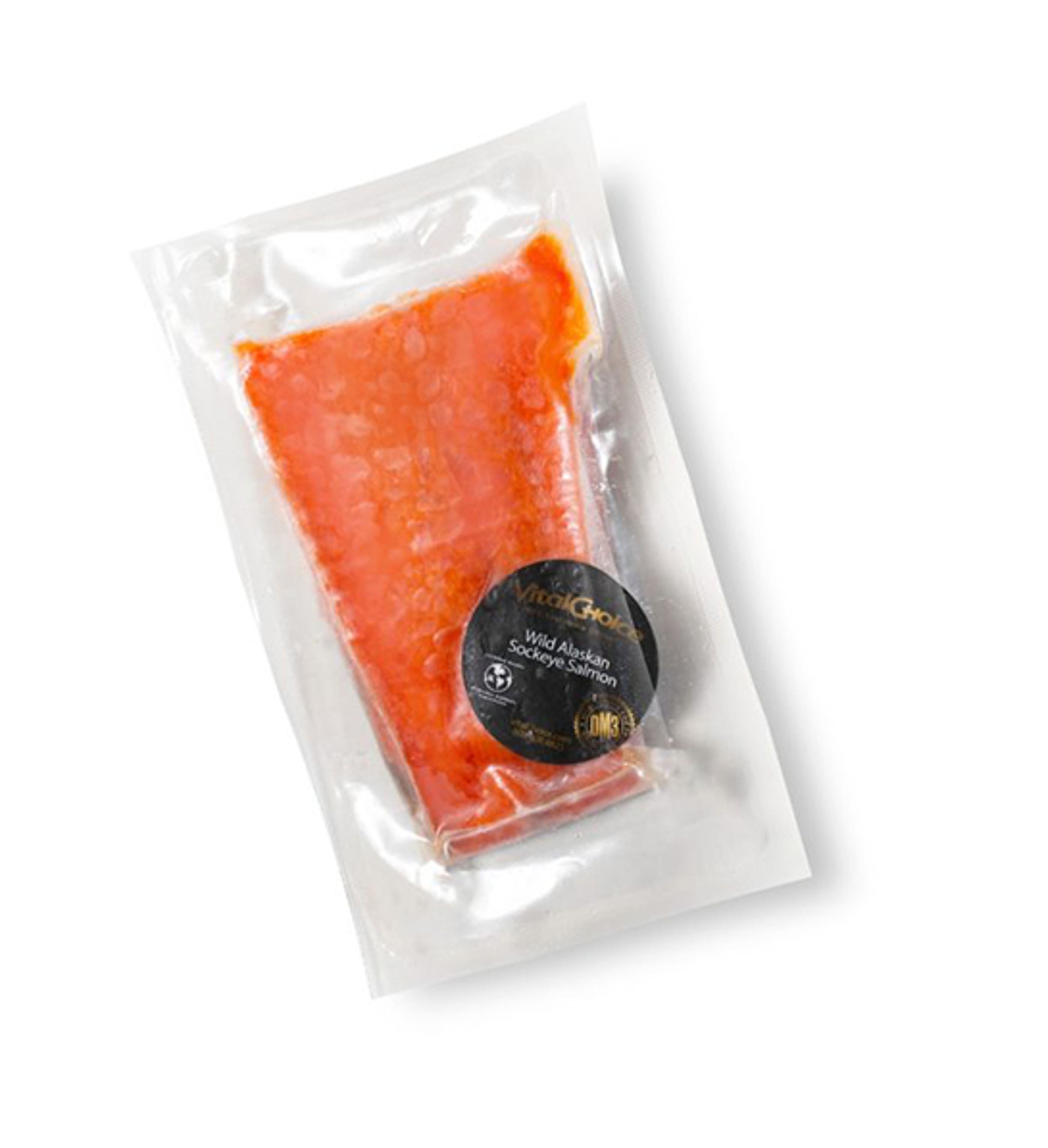
Vacuum sealing removes air and seals the fish in a plastic pouch. This method extends fish freshness longer than simple wrapping. It also stops ice crystals from forming on the fish. Vacuum sealers are easy to use. Place fish inside the bag, then let the machine suck out air and seal it tight. These bags are thicker than regular plastic, adding extra protection. Vacuum-sealed fish can last several months in the freezer.
Alternative Packaging Options
Freezer paper is a good alternative for wrapping fish. It has a plastic coating that blocks moisture and air. Wrap the fish with the plastic side inwards. Secure the paper with tape to keep it closed. Another option is freezer-safe plastic containers. Use containers that seal tightly and are made for freezing. These containers protect fish from damage and odors. Make sure fish pieces fit well inside to avoid air gaps.

Credit: wildalaskancompany.com
Freezing Best Practices
Freezing fish is a simple and effective way to keep it fresh for longer. Using the right techniques helps preserve taste and texture. Following best practices prevents spoilage and maintains quality.
Optimal Freezer Temperature
Set the freezer temperature at or below 0°F (-18°C). This slows down bacteria growth and enzyme activity. Consistent cold keeps fish safe and tasty. Avoid frequent opening to maintain steady temperature.
Avoiding Freezer Burn
Freezer burn dries out fish and ruins flavor. Wrap fish tightly in plastic wrap or aluminum foil. Use airtight containers or vacuum seal bags for best results. Remove as much air as possible before freezing.
Labeling And Dating
Label packages with the type of fish and freezing date. Use a permanent marker on the packaging. This helps track storage time and prevents keeping fish too long. Rotate older packages to the front for easy use.
Thawing Methods
Thawing fish properly ensures freshness and taste. Use cold water or refrigerate overnight for safe defrosting. Avoid thawing at room temperature to prevent bacterial growth.
Thawing Methods Preserving fish in the freezer is effective for long-term storage. But knowing how to thaw fish safely is crucial. Thawing fish improperly can lead to bacterial growth. Let's explore effective thawing methods.
Safe Thawing Techniques
Thawing fish safely is crucial for health. Use the refrigerator for slow thawing. This method keeps fish at a safe temperature. Place fish on a plate to catch any drips. If time is short, consider a cold water bath. Submerge fish in a sealed bag in cold water. Change the water every 30 minutes. Never thaw fish on the counter. Room temperature can cause bacteria to grow.
Quick Vs Slow Thawing
Quick thawing works best with tight schedules. Cold water thawing is quick and safe. It usually takes an hour or less. Slow thawing retains fish texture and flavor. Refrigerating overnight ensures even thawing. Both methods have benefits. Choose based on time and preference.
Storage Duration
Knowing how long you can store fish in your freezer is key to enjoying its best taste and texture. Freeze fish for too long, and you risk losing flavor and freshness. Freeze it for just the right amount of time, and you’ll have delicious meals ready whenever you want.
Recommended Freezing Times
Different types of fish have different ideal freezing durations. Fatty fish like salmon or mackerel usually keep well for about 2 to 3 months. Lean fish such as cod, haddock, or tilapia can last up to 6 months without losing quality.
Shellfish like shrimp or scallops generally stay fresh for 3 to 6 months. If you freeze fish longer than recommended, you might notice dryness or freezer burn. Label your packages with the date so you can keep track easily.
| Type of Fish | Recommended Freezing Time |
|---|---|
| Fatty Fish (salmon, mackerel) | 2-3 months |
| Lean Fish (cod, haddock, tilapia) | Up to 6 months |
| Shellfish (shrimp, scallops) | 3-6 months |
Signs Of Spoilage
How can you tell if your frozen fish has gone bad? First, check the smell once it’s thawed. Fresh fish should smell mild and ocean-like, not overly fishy or sour.
Look for any changes in color or texture. If the fish feels slimy or has dry, tough spots, it’s a red flag. Freezer burn appears as grayish or white patches and can ruin taste, even if the fish is safe to eat.
Have you ever eaten fish that tasted off after freezing? It’s often because it was stored too long or not wrapped properly. Always trust your senses before cooking—it’s better to be safe than sorry.
Tips For Maintaining Flavor
Keeping fish fresh and tasty in the freezer can be tricky. The right steps help hold the flavor and texture. Using simple tricks can make your fish taste just like fresh when you cook it later.
Marinating Before Freezing
Marinate fish before freezing to boost flavor. A light mix of herbs, lemon juice, and olive oil works well. This adds taste without overpowering the fish.
Marinating also helps protect the fish from freezer burn. Wrap the fish tightly after marinating to keep the marinade close. Freeze quickly to lock in the flavors.
Using Ice Packs
Ice packs keep fish cold before placing it in the freezer. Cold fish freezes faster, which preserves taste and texture. Always store fish with ice packs in a cooler or insulated bag on the way home.
Using ice packs prevents the fish from warming up too much. Warm fish can lose flavor and become soft. Keep ice packs in the freezer near the fish for best results.
Credit: www.vitalchoice.com
Frequently Asked Questions
How Long Can Fish Stay Frozen Safely?
Fish can safely stay frozen for 3 to 6 months. Proper packaging and a consistent freezer temperature of 0°F (-18°C) are essential. After this, quality may decline, but fish remains safe to eat if kept frozen continuously.
What Is The Best Way To Wrap Fish For Freezing?
Use airtight materials like vacuum-sealed bags or heavy-duty aluminum foil. Remove as much air as possible to prevent freezer burn. Proper wrapping preserves flavor and texture, keeping fish fresh during freezing.
Should Fish Be Cleaned Before Freezing?
Yes, clean fish thoroughly before freezing. Remove scales, guts, and blood to avoid spoilage and off-flavors. Pat dry to reduce ice crystals and maintain fish quality during storage.
Can You Freeze Cooked Fish For Later Use?
Yes, cooked fish freezes well. Cool it quickly, wrap tightly in airtight packaging, and freeze within two hours of cooking. Consume within 2 to 3 months for best taste.
Conclusion
Freezing fish keeps it fresh and tasty for longer. Use airtight bags to stop freezer burn. Label packages with the date to track freshness. Freeze fish quickly to keep its quality high. Thaw fish slowly in the fridge for best results.
Proper storage saves money and reduces waste. Enjoy your fish safely anytime with these simple tips. Keep your freezer organized to find fish easily. Small steps make a big difference in preserving fish. Try these methods and enjoy fresh fish all year.