Packing a storage container might seem simple, but if you don’t do it right, you could waste space, damage your items, or make unloading a nightmare. You want your belongings safe, easy to find, and stored efficiently.
Imagine opening your container and everything fits perfectly, with no broken items or wasted space. In this guide, you’ll learn smart packing tips that save you time, effort, and money. Keep reading, and you’ll discover how to pack your storage container like a pro.

Credit: www.budgetshippingcontainers.co.uk
Choosing The Right Container
Choosing the right storage container is key to keeping your items safe and organized. The container must fit your needs in size and type. It should be sturdy and clean to protect your belongings during transport or storage. Understanding these factors helps you pick the best container for your move or storage project.
Container Sizes And Types
Storage containers come in many sizes. Small containers hold boxes and small furniture. Larger containers can store big items like appliances and sofas. Common sizes include 5, 10, 20, and 40 feet. Choose a size that matches the volume of your items.
Types vary too. Steel containers offer strong protection. Plastic containers are lighter and easier to move. Some containers have locks for extra security. Consider what you will store and how long it will stay in the container.
Evaluating Container Condition
Check the container carefully before packing. Look for dents, holes, or rust spots. These can let moisture or pests inside. Make sure doors close tightly and locks work well. A good seal keeps your items dry and safe.
Clean the container thoroughly. Remove dirt and debris. A clean container prevents damage and smells. Inspect the floor for cracks or weak spots. The container must support the weight of your items.
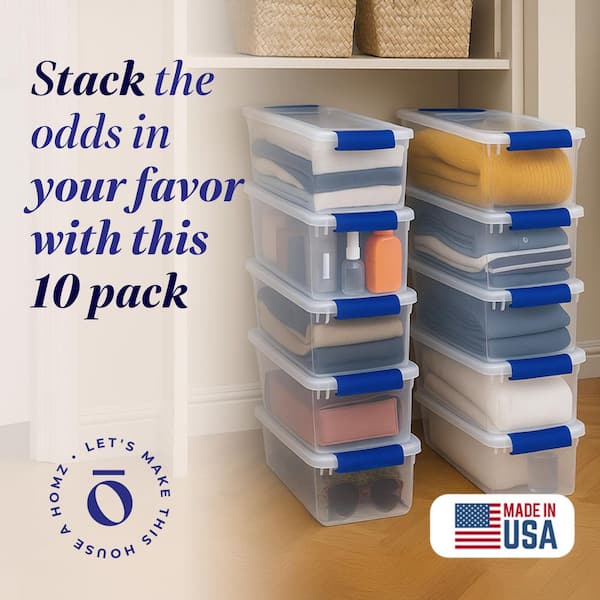
Credit: www.homedepot.com
Planning Your Packing Strategy
Planning your packing strategy is essential for efficient use of space in a storage container. It helps protect your items and makes retrieval easier. A clear plan saves time and reduces stress during packing.
Inventory And Categorization
Start by listing every item you want to store. Write down the size, weight, and fragility of each item. Group similar items together to keep things organized.
- Furniture
- Boxes with household goods
- Seasonal items
- Tools and equipment
Label each category clearly. This helps you locate items quickly later. Avoid mixing heavy and fragile items in the same box.
Prioritizing Items By Usage
Think about how often you will need each item. Place frequently used items near the container’s front. Store rarely used items deeper inside.
- Daily essentials go at the front
- Seasonal decorations can be stored at the back
- Bulky items are best at the bottom
- Fragile items should be on top or in secure boxes
This method saves time and protects your belongings. It also makes unpacking more straightforward and less frustrating.
Preparing Items For Storage
Preparing items for storage helps keep them safe and in good shape. Proper preparation reduces damage and makes unpacking easier. This section covers cleaning, disassembling, and protecting your belongings before packing.
Cleaning And Drying
Clean all items thoroughly before storage. Dirt and moisture cause mold and stains. Use mild soap and water for most objects. Let everything dry completely to prevent mildew. Drying is especially important for fabrics and wood.
Disassembling Large Items
Take apart big furniture and equipment. Remove legs from tables and chairs if possible. Keep screws and small parts in labeled bags. Disassembled items save space and avoid damage. Wrap sharp edges to prevent scratches.
Protecting Fragile Goods
Wrap fragile items carefully with bubble wrap or foam. Use sturdy boxes with padding inside. Label boxes as “Fragile” for careful handling. Avoid overpacking boxes to reduce breakage risk. Place heavy items at the bottom and lighter ones on top.
Packing Techniques For Efficiency
Stack heavier items at the bottom to create a stable base. Fill gaps with smaller boxes to use space fully and prevent shifting. Arrange items by size and weight for easy access and safety.
Packing a storage container efficiently can save you time, space, and a lot of headaches. Whether you're moving to a new house or just decluttering, effective packing techniques ensure your items are safe and easy to access. Let’s dive into some smart strategies that can make your packing process smoother.
Using Uniform Boxes
Choosing boxes of the same size can make a massive difference. They stack easily, forming stable columns that prevent tipping. Additionally, uniform boxes simplify the arrangement, allowing you to utilize every inch of space effectively. Consider investing in sturdy boxes that can handle weight. This is especially important if you’re stacking them high. Having a consistent box size means fewer awkward gaps and better protection for your belongings.
Maximizing Vertical Space
Don’t ignore the height of your storage container. Stack boxes all the way to the top, but ensure heavier items are at the bottom. This not only prevents crushing lighter items but also provides a solid base. Use this vertical space smartly by placing tall, sturdy items along the walls. This can include things like bookshelves, mattresses, or even dressers. It’s a game of Tetris, and every piece counts.
Filling Gaps To Prevent Shifting
Small gaps between items can lead to shifting during transit, which can damage your belongings. Fill these spaces with soft items like blankets, towels, or even clothes. This not only prevents movement but also adds an extra layer of protection. Think creatively about what you can use as fillers. Pillows, stuffed toys, or even bags of bedding can be effective. Your goal is to ensure everything fits snugly, minimizing movement as much as possible. Remember, strategic packing can save you more than just space—it can also save you stress. What’s your favorite packing hack? Share your insights and make the process easier for everyone.
Organizing Inside The Container
Organizing inside a storage container can make a huge difference in how easily you find and protect your items. A well-arranged container not only saves space but also prevents damage and frustration. Think about the last time you had to dig through a mess—could it have been avoided with better organization?
Weight Distribution Tips
Start by placing the heaviest items on the bottom and near the walls of the container. This keeps the container stable and prevents lighter items from being crushed. Avoid stacking heavy objects on top of fragile ones—your breakables deserve their own secure spot.
Distribute weight evenly across the container floor to prevent shifting during transport. If you’re storing bulky furniture, try to disassemble pieces to save space and balance weight better. Have you ever had a box collapse because something heavy was resting on top?
Creating Aisles For Access
Leaving narrow aisles inside your container can save you hours of headache later. These small walkways allow you to reach items stored deep inside without unloading everything. Even a 2-foot aisle can make a huge difference.
Group similar items together along these aisles for faster retrieval. For example, keep all kitchen boxes in one section and tools in another. Wouldn’t it be easier if you could grab what you need without moving every box?
Labeling And Inventory Management
Label every box clearly on multiple sides so you can see what’s inside without moving it. Use large, bold letters and consider color-coding by category to speed up identification. This simple step helps you avoid unnecessary unpacking.
Keep a detailed inventory list on paper or digitally, noting where each box is located inside the container. This way, you know exactly what you have and where to find it. What’s more frustrating than losing track of important items in storage?

Credit: letsgetmovingusa.com
Securing And Maintaining Stored Items
Keeping your stored items safe and in good condition is very important. Proper care helps prevent damage from moisture, pests, and theft. Regular checks ensure everything stays fine over time. Follow these tips to protect your belongings in a storage container.
Moisture And Pest Control
Moisture can cause mold, rust, and damage to stored items. Use moisture absorbers or silica gel packs inside the container. Keep the container dry by placing it on a raised surface. Ensure good ventilation to avoid damp air buildup.
Pests like rodents and insects can harm your items. Seal any holes or cracks in the container. Use pest repellents or traps near the storage area. Avoid storing food or organic materials that attract pests.
Regular Inspections
Check your storage container often. Look for signs of leaks, mold, or pest activity. Inspect locks and seals for damage. Move items around occasionally to prevent settling or damage.
Early detection of problems saves your belongings. Fix issues quickly to avoid bigger damage. Keep a list of inspection dates and notes for reference.
Locking And Security Measures
Use a strong lock to secure your container. A heavy-duty padlock or disc lock works best. Avoid cheap locks that can break easily.
Place the container in a visible, well-lit area. Security cameras or alarms add extra protection. Limit access to trusted people only.
Mark your container with your contact details. This helps if someone finds or moves it by mistake.
Frequently Asked Questions
How Do I Prepare Items Before Packing A Storage Container?
Clean and dry all items to prevent mold and damage. Disassemble large items for easier packing. Label boxes clearly for quick identification. Use sturdy boxes and wrap fragile items carefully to avoid breakage.
What Is The Best Way To Maximize Storage Container Space?
Stack heavier items at the bottom and lighter ones on top. Fill gaps with smaller items or soft materials. Use uniform-sized boxes for better stacking. Keep frequently needed items near the front for easy access.
How Should I Protect Fragile Items In A Storage Container?
Wrap fragile items in bubble wrap or packing paper. Place them in sturdy boxes with cushioning materials. Avoid stacking heavy objects on top. Label boxes as fragile to ensure careful handling.
Can I Store Electronics Safely In A Storage Container?
Yes, but keep electronics away from moisture and extreme temperatures. Use anti-static bags and original packaging if possible. Place them on pallets off the floor to avoid water damage.
Conclusion
Packing a storage container takes planning and care. Start by placing heavy items at the bottom. Fill gaps with smaller boxes to save space. Keep fragile things wrapped and marked clearly. Stack items tightly to avoid shifting during transport. Label each box for easy finding later.
Take your time and stay organized throughout. These steps help protect your belongings and make unpacking easier. A well-packed container saves effort and stress. Simple tips can make a big difference. Ready to pack smart?