Is your freezer chest a cluttered mess where finding anything feels like a treasure hunt? You’re not alone.
Organizing your freezer chest can save you time, reduce food waste, and even cut down on your grocery bills. Imagine opening your freezer and instantly knowing where everything is—no more digging, no more forgotten food. You’ll discover simple, practical steps to transform your freezer chest into a neatly arranged space.
Keep reading, and you’ll learn how to make your freezer work for you, not against you.

Credit: www.penniesintopearls.com
Choose The Right Containers
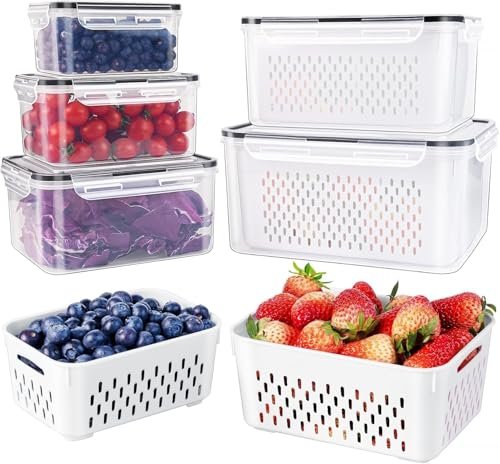
Choosing the right containers is key to keeping a freezer chest neat and easy to use. Proper containers protect food and save space. They also help spot items quickly, cutting down on wasted time and energy. Containers come in many shapes and sizes. Picking the best ones makes a big difference in organization and freshness.
Use Clear Bins
Clear bins let you see what’s inside without opening them. This saves time and keeps cold air in. Transparent containers reduce freezer burn by keeping food sealed tight. Choose bins with lids that snap shut. This keeps food fresh and prevents spills. Clear bins also make it easy to group similar items.
Opt For Stackable Boxes
Stackable boxes make the most of vertical space. They keep the freezer tidy and easy to clean. Choose boxes with uniform sizes so they stack neatly. This prevents tipping and saves room. Stackable boxes help you create zones for different foods. It’s easier to find what you need fast.
Label Containers Clearly
Labels tell you what is inside and when it was frozen. Use waterproof labels or a marker that won’t fade. Write dates and contents clearly in big letters. This helps avoid forgotten or wasted food. Labeling also speeds up meal prep and shopping. Keep a permanent marker near the freezer for quick updates.

Credit: www.amazon.com
Sort And Group Items
Sorting and grouping items in your freezer chest helps save time and space. It keeps everything neat and easy to find. Organizing by type and use prevents food waste and keeps your freezer clean.
Categorize By Food Type
Group similar foods together. Keep vegetables in one section and meats in another. Store baked goods separately from frozen meals. This makes it quick to locate what you need.
Separate Ready-to-eat And Raw
Place ready-to-eat foods on one side. Keep raw meats and seafood away from cooked items. This reduces the risk of cross-contamination and keeps food safe.
Keep Frequently Used Items Accessible
Put items you use often near the top or front. Less used foods can go deeper inside. This way, you avoid digging through the freezer and keep it organized.
Maximize Vertical Space
Maximizing vertical space in your freezer chest can transform a chaotic jumble of frozen goods into a well-organized, easy-to-access storage area. Instead of just piling items on top of each other, think about how you can use the height inside the freezer to your advantage. This approach not only saves space but also helps you find what you need without digging through layers of frozen food.
Stack Items Strategically
Start by grouping similar items together, such as vegetables, meats, or ready-made meals. Stack these groups vertically, placing heavier or sturdier packages at the bottom and lighter, more fragile ones on top. This method keeps things stable and prevents damage to delicate items.
Consider freezing items flat in freezer bags before stacking. Flat packages take up less space and create a more uniform shape, making stacking easier and more efficient. Have you noticed how flat-packed leftovers fit better than bulky containers? That’s the kind of thinking that maximizes vertical space.
Use Dividers Or Baskets
Adding dividers or baskets inside your freezer chest helps keep stacks neat and prevents them from toppling over. You can repurpose small plastic bins or buy adjustable dividers designed for freezers. These tools create separate sections, so you can stack vertically without mixing different food types.
Dividers also make it easier to pull out exactly what you want without disturbing the whole stack. Imagine reaching in for a bag of frozen berries without having to shuffle everything else around. This small change saves time and keeps your freezer organized.
Maintain Proper Temperature
Maintaining the proper temperature in a freezer chest is essential for preserving food quality. Foods stay fresh longer and avoid spoilage when the temperature stays steady. Cold air must circulate well to keep everything frozen evenly. A well-maintained freezer saves energy and prevents frost buildup.
Avoid Overloading
Overloading blocks cold air from circulating inside the freezer. Air must move freely around the food to keep it cold. Leave some space between items for better airflow. Organize items in smaller groups and avoid stacking too high. This helps maintain a consistent temperature throughout the freezer.
Check Door Seals Regularly
Door seals keep cold air inside and warm air out. Check seals for cracks or damage often. Clean seals with warm water and a cloth to remove dirt. Replace seals if they are worn or broken. A tight seal helps the freezer keep the right temperature and saves energy.
Implement A First-in, First-out System
Place new items behind older ones to use the oldest food first. This helps reduce waste and keeps your freezer organized. Rotate stock regularly for easy access and freshness.
Implementing a First-In, First-Out (FIFO) system in your freezer chest ensures food freshness. This method helps reduce waste and optimize storage space. It involves using older items before newer ones. This simple strategy can keep your food inventory organized and efficient.
Date And Rotate Foods
Label all food items with the date of storage. This helps track how long items have been frozen. Use waterproof markers or labels for durability. Place older items at the front of the freezer chest. Newer items should go to the back. This setup makes it easy to select older foods first. Regularly check and rotate items to maintain order.
Create An Inventory List
Keep a detailed list of all items in the freezer. Record the date each item was stored. Update this list whenever you add or remove items. Use a clipboard or a magnet board attached to the freezer. This visual aid helps you know what's available at a glance. It also saves time during meal planning. An organized inventory reduces the risk of forgotten and spoiled food.
Clean And Defrost Regularly
Keeping your freezer chest clean and defrosted is key to maintaining its efficiency and extending its lifespan. A regularly cleaned freezer not only keeps your food fresh but also prevents odors and frost buildup that can make organizing a challenge. Let’s look at how to keep your freezer in top shape with some simple habits.
Schedule Routine Cleanings
Set a specific day each month to clean your freezer chest. Mark it on your calendar or phone to make it a non-negotiable task. This regular attention helps you spot expired items and spills before they cause bigger problems.
When cleaning, unplug the freezer and remove all contents. Wipe down the interior with a mixture of warm water and baking soda to eliminate odors. Don’t forget to clean the door seals—they can trap dirt and reduce the freezer’s efficiency if left unattended.
Prevent Ice Build-up
Ice build-up reduces storage space and forces your freezer to work harder. Avoid overloading your freezer, as overcrowding restricts air circulation and leads to frost accumulation.
Keep the freezer door closed as much as possible, and quickly seal any opened packages to reduce moisture entering the chest. If you notice frost starting to form, defrost immediately before it thickens—waiting allows ice to grow harder and more difficult to remove.
Have you ever found a thick layer of ice hiding a forgotten meal? Clearing it out not only frees space but also helps you keep track of what’s inside. Your freezer works best when it’s clean and clear—so give it the care it deserves.

Credit: www.aol.com
Frequently Asked Questions
How Do I Start Organizing A Freezer Chest?
Begin by emptying the freezer and wiping it clean. Sort items into categories like meat, vegetables, and leftovers. Use clear bins or baskets to keep groups together for easy access and better organization.
What Are The Best Containers For Freezer Storage?
Use airtight, freezer-safe containers or heavy-duty freezer bags. Clear containers help identify contents quickly. Avoid glass unless labeled freezer-safe to prevent cracking or breaking due to low temperatures.
How Can I Maximize Space In A Freezer Chest?
Stack items vertically and use uniform-sized containers. Remove excess packaging to save space. Label and date everything to keep track and reduce food waste efficiently.
How Often Should I Clean And Organize My Freezer Chest?
Clean and organize your freezer chest every 3 to 6 months. Regular maintenance prevents odors, frost buildup, and makes it easier to find items quickly.
Conclusion
Organizing a freezer chest saves time and reduces food waste. Clear containers and labels help find items fast. Group similar foods together for easy access. Regularly check and clean your freezer to keep it fresh. A well-kept freezer makes cooking and meal planning simple.
Start small and keep your system consistent. Enjoy the benefits of a neat and tidy freezer chest every day.