Is your chest freezer a jumbled mess where finding anything feels impossible? You’re not alone.
When your freezer is cluttered, it wastes your time, food, and money. But imagine opening your freezer and instantly spotting exactly what you need. Organising your chest freezer isn’t just about neatness—it’s about making your life easier every time you cook or shop.
You’ll discover simple, practical steps to transform your freezer into a well-ordered space. Keep reading, and you’ll learn how to save time, reduce waste, and even improve your meal planning—all by organising your chest freezer the smart way.
Choose The Right Freezer Size
Choosing the right freezer size is crucial for efficient chest freezer organization. A freezer that's too small will leave you cramming items, making it hard to find what you need. On the other hand, a freezer that's too big could waste space and energy.
Think about your typical grocery shopping habits and how often you buy in bulk. Do you stock up on meats, frozen vegetables, or ready-made meals? Knowing what you usually store helps you pick a freezer size that fits your lifestyle perfectly.
Consider Your Household Size And Eating Habits
How many people live in your home? A single person or a couple may only need a small freezer, around 5 to 7 cubic feet. Families with children or those who like to keep a variety of frozen foods often benefit from larger freezers, 15 cubic feet or more.
Also, think about how often you cook at home. If you batch cook or freeze leftovers regularly, a bigger freezer will save you multiple trips to the store and reduce food waste.
Measure Your Available Space Carefully
Before buying, measure the space where your freezer will go. Remember to leave extra room around the unit for air circulation and easy door opening. A cramped space can make accessing items frustrating and reduce freezer efficiency.
Keep in mind door swing direction and clearance. Will you need extra space to pull out baskets or trays? These small details impact how convenient your chest freezer will be daily.
Balance Capacity With Energy Efficiency
Larger freezers use more electricity, so think about your budget and environmental concerns. Some models offer better insulation and energy ratings, helping to keep power costs down without sacrificing space.
Ask yourself if you really need the biggest freezer available or if a medium size with smart organization will work better. Sometimes, less is more when it comes to energy savings and food management.
Plan For Future Needs
Will your household size change soon, or do you expect to buy in bulk more often? If you foresee growth, pick a freezer with a little extra capacity to avoid buying a new one too quickly.
Consider seasonal changes, like holiday meals or summer BBQs, which might require temporary extra storage. A slightly larger freezer can handle those busy periods without feeling cluttered.

Credit: www.youtube.com
Clean And Defrost Before Organising
Before you dive into organising your chest freezer, taking the time to clean and defrost it can make a huge difference. Ice build-up not only wastes space but also reduces the freezer's efficiency. Cleaning removes any spills or old food residue, setting a fresh foundation for neat storage.
Why Defrosting Matters
Ice layers can sneak up on you and take over the freezer’s interior. This reduces usable space and makes finding items frustrating. Defrosting restores every inch of space and helps your freezer run more efficiently, saving energy and money.
How To Safely Defrost Your Chest Freezer
- Unplug the freezer to start the defrost process safely.
- Remove all food items and store them in a cooler or another freezer to keep them cold.
- Place towels around the base to catch melting water and prevent messes.
- Leave the lid open and allow the ice to melt naturally or speed up with bowls of hot water inside.
Cleaning Tips For A Fresh Start
After defrosting, wipe down every surface with a mixture of warm water and baking soda. This helps eliminate odors and prevents mold. Avoid harsh chemicals that could linger and affect your food’s taste.
What To Do With Defrosted Water And Ice
Don’t just let the water drain into your sink or floor. Use a shallow pan or towels to collect it carefully. Dispose of the water slowly to avoid flooding or damage.
Have you ever opened your freezer only to be greeted by a mountain of ice? Taking these simple cleaning and defrosting steps can turn that chaos into order, making your freezer a pleasant place to find what you need quickly.
Sort Items By Category
Sorting items by category is key to keeping your chest freezer neat and easy to navigate. It helps you find what you need quickly and prevents food from getting lost or forgotten. When you group items thoughtfully, you save time and reduce waste.
Group Similar Foods Together
Start by putting similar foods in one spot. Keep vegetables, meats, frozen fruits, and ready-to-eat meals each in their own sections. This way, you won’t have to dig through random piles every time you open the freezer.
Use bins or baskets to hold these groups if your freezer space allows. Label each container clearly so you can see at a glance what’s inside. This simple step made a huge difference for me—I stopped buying duplicates because I always knew what I had.
Separate Raw And Cooked Items
Keep raw foods apart from cooked or ready-to-eat items to avoid cross-contamination. Raw meat and seafood should be stored at the bottom or in a dedicated bin to prevent their juices from dripping onto other foods.
Cooked meals or snacks deserve their own clean section, easily accessible so you can grab them without mixing with raw items. This separation not only keeps your food safe but also helps you plan meals better, since you can clearly see what’s ready to eat versus what needs cooking.
Use Clear Storage Containers
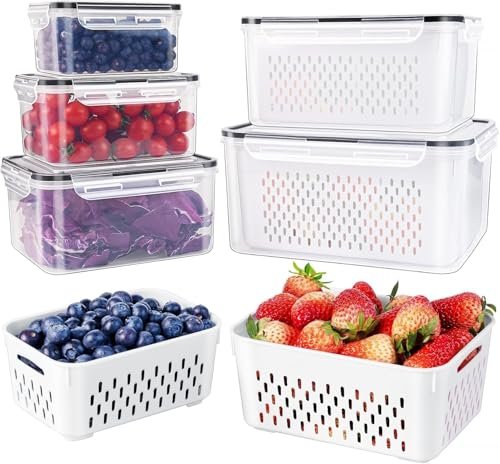
Using clear storage containers helps keep your chest freezer neat and easy to use. Clear bins let you see what’s inside without opening them. This saves time and stops cold air from escaping. Organizing food in clear containers also prevents items from getting lost or forgotten.
Clear containers make it simple to separate different types of food. For example, you can store vegetables in one bin and meats in another. This keeps your freezer tidy and helps you find items quickly. It also reduces the chance of food waste.
Opt For Stackable Bins
Choose stackable clear bins to make the most of your freezer space. These bins fit neatly on top of each other, saving room. Stackable bins keep food organized and easy to reach. You can create layers without mixing items. This system keeps your freezer clean and clutter-free.
Label Containers Clearly
Label each container with the food type and date stored. Use waterproof labels to avoid smudging in the freezer. Clear labels help you track food freshness and avoid spoilage. They make meal planning easier by showing what you have at a glance. Always place labels on the front of containers for quick reading.
Create Zones For Easy Access
Divide your chest freezer into zones for different food types. This makes finding items quick and keeps everything neat. Clear sections help prevent food waste and save time.
Organizing a chest freezer can feel like solving a puzzle, especially when you're standing in front of a frosty abyss, unsure of where everything is. The secret to maintaining order and ensuring everything is easily accessible is to create zones. Designating specific areas for different types of food not only makes retrieval a breeze but also prevents items from languishing unnoticed at the bottom. Let's explore how you can establish these zones for easy access.
Designate Quick-grab Sections
Imagine you're in a rush to prepare dinner. Wouldn't it be a relief to quickly grab that bag of frozen vegetables or packet of chicken without rummaging through piles of food? To make this a reality, designate a section of your freezer for items you use frequently. Place these quick-grab items near the top or in an easily reachable spot. Use containers or baskets to group similar items together. This way, you'll always have a clear view and won't need to dig around, saving you both time and frustration.
Keep Bulk Items At The Bottom
Bulk items are often big and heavy, making them perfect candidates for the bottom of your chest freezer. By storing them here, you create a stable base and free up space on top for smaller, more delicate items. Consider how often you need these bulk items. If they're not part of your daily meal plan, there's no harm in letting them rest at the bottom until needed. This strategy not only utilizes the deep space effectively but also ensures that frequently used items remain accessible without obstruction. Have you ever found a long-lost package of frozen meat buried at the bottom? By creating zones, you ensure that nothing gets lost, and every item has its place. Dive into your next meal prep with confidence, knowing your freezer is organized and ready to assist you.
Credit: www.walmart.com
Use Vacuum-sealed Bags
Vacuum-sealed bags are a game-changer for organizing your chest freezer. They remove air, reducing the bulk of your food packages and keeping items fresh longer. Using these bags can transform a chaotic freezer into a neat, efficient space where you can easily find what you need.
Save Space With Compression
Vacuum-sealed bags compress your food, making bulky items much slimmer. This allows you to stack or arrange packages tightly without wasted gaps. Imagine fitting twice as much in the same space—vacuum sealing helps you do just that.
Think about how much space bulky packaging takes in your freezer. Removing that air can shrink a bag of frozen vegetables or meat to a fraction of its original size. This means more room for all your essentials, and less frustration digging through clutter.
Protect Food From Freezer Burn
Air is the enemy when it comes to freezer burn, which dries out your food and ruins taste. Vacuum-sealed bags keep air out, preserving the texture and flavor of your items much longer. You don’t have to worry about throwing away freezer-burned leftovers anymore.
Have you ever opened a freezer only to find frost-covered, tough meats? Vacuum sealing stops that frost from forming by creating a tight barrier. This protection means your food stays fresh until you’re ready to use it, saving both money and waste.
Maintain An Inventory List
Keeping an inventory list of your chest freezer’s contents can change how you manage your frozen foods. It stops you from buying duplicates and helps you use what you have before it goes bad. Plus, it saves you time and money, making your freezer work smarter for you.
Track Food Expiration Dates
Write down the expiration dates next to each item on your list. This simple habit helps you spot what needs to be eaten soon. You can use a notebook, a whiteboard on the freezer door, or even an app on your phone.
When I started tracking expiration dates, I stopped throwing away spoiled food. It’s easy to forget what’s hiding at the bottom of your freezer until it’s too late. Seeing dates at a glance pushes you to plan meals around what needs to be used first.
Plan Meals Around Inventory
Look at your inventory before grocery shopping or meal prepping. This helps you decide what meals to cook without wasting food. For example, if you see lots of frozen chicken and vegetables, plan a stir-fry or casserole.
Try grouping similar items together in your freezer and noting those groups on your list. It speeds up meal prep because you can grab everything you need quickly. Have you ever opened your freezer, unsure of what’s inside? A clear plan stops that confusion.
Regularly Rotate And Reorganise
Rotating and reorganizing items in your chest freezer keeps food fresh and easy to find. Regularly move older items to the top and place new ones at the bottom. This simple habit prevents waste and keeps your freezer tidy.
Regularly rotating and reorganising your chest freezer ensures optimal space use. It prevents food waste and keeps everything fresh. Knowing what's inside can save you time and money. A well-organised freezer allows easy access to what you need. Let's explore some methods to achieve this.
Use First In, First Out Method
The First In, First Out (FIFO) method is essential. Place newer items behind older ones. This ensures older food is used first. It reduces spoilage and keeps your freezer efficient. Label packages with purchase dates. This helps identify what to use next.
Schedule Monthly Cleanouts
Monthly cleanouts are crucial for freezer organisation. Remove expired or unwanted items. This creates more space and reduces clutter. Clean the freezer walls and shelves. This keeps the environment fresh and hygienic. A regular schedule ensures nothing is overlooked.

Credit: galainthekitchen.com
Frequently Asked Questions
How Do I Organize Items In A Chest Freezer Efficiently?
Group similar items together using bins or baskets. Label each container clearly. Place frequently used items on top for easy access.
What’s The Best Way To Label Chest Freezer Contents?
Use waterproof labels and a marker to write contents and dates. Place labels on containers or bags for quick identification.
How Often Should I Defrost And Clean A Chest Freezer?
Defrost and clean your chest freezer at least once a year. Remove all items, unplug, and wipe down interior surfaces thoroughly.
Can I Maximize Space With Freezer Storage Solutions?
Yes, use stackable bins, dividers, and vacuum-sealed bags. These help reduce clutter and maximize usable space inside your chest freezer.
Conclusion
Organising a chest freezer helps save time and reduces food waste. Label items clearly for easy finding. Group similar foods together to keep things neat. Use containers or baskets to separate different types. Regularly check and clean the freezer to maintain order.
This simple routine keeps your food fresh longer. A tidy freezer means less stress and better meals. Start small, and you will see big benefits. Keep it simple, and enjoy a well-organised freezer every day.