Moving a chest freezer might seem like a tough job, but with the right steps, you can do it safely and easily. Whether you’re rearranging your basement or moving to a new home, knowing how to move your freezer without damage is key.
In this guide, you’ll discover simple tips that protect your appliance and save you time and effort. Keep reading, and you’ll learn how to handle your chest freezer like a pro.
Prepare The Freezer
Preparing the chest freezer properly makes moving easier and safer. It prevents spills and damage during transport. Taking time to get the freezer ready helps keep it clean and working well after the move.
Empty And Defrost
Remove all food items from the freezer. Use coolers or insulated bags to keep food cold. Turn off the freezer and unplug it from the power source.
Leave the lid open to let ice melt naturally. Avoid using sharp objects to speed up defrosting. Place towels around the base to catch water drips.
Clean And Dry
Wipe the inside with a mild soap solution. Clean all corners and seals to remove dirt and odors. Dry the interior completely with a clean cloth.
Allow the freezer to air dry for a while. Moisture left inside can cause mold or bad smells. Clean the exterior to remove dust and grime.
Secure The Lid
Close the lid tightly after drying. Use strong tape or straps to keep it shut during the move. This prevents the lid from opening and causing damage.
Check that the latch or lock works well. Secure any loose parts to avoid rattling noises. A well-secured lid protects the freezer and its parts.

Credit: www.housework.com
Gather Moving Supplies
Gathering the right supplies makes moving a chest freezer easier and safer. Preparing in advance helps protect the freezer and your home. It also reduces the risk of injury during the move.
Use Moving Blankets
Moving blankets protect the freezer’s surface from scratches and dents. Wrap the entire freezer tightly to cushion it during transport. Secure the blankets with tape or straps to keep them in place.
Get Straps And Dollies
Straps help you hold the freezer steady while lifting or carrying. Use strong, adjustable straps for a secure grip. Dollies make moving heavy freezers easier by rolling them instead of lifting. Choose a dolly that fits the freezer’s size and weight.
Wear Protective Gear
Protective gear keeps you safe during the move. Wear gloves to avoid cuts and improve grip. Use sturdy shoes to prevent foot injuries. Consider back support belts if you expect heavy lifting.
Plan The Route
Planning the route before moving your chest freezer can save you a lot of hassle and prevent damage. It’s easy to overlook tight spaces or tricky corners until you’re right there, struggling to get the freezer through. Taking time to map out your path ensures a smooth move and keeps your freezer safe.
Measure Doorways And Hallways
Start by measuring the width and height of all doorways and hallways the freezer must pass through. Don’t guess—use a tape measure to check every opening.
Remember, chest freezers are bulky and might need to be tilted or turned. Knowing your exact dimensions helps you figure out if you need to remove doors or take other steps to create enough space.
Clear Obstacles
Look along your planned route for any obstacles that could get in the way. Move furniture, rugs, or decorations that might trip you up or scratch your freezer’s surface.
Even small items like loose wires or floor mats can cause accidents. Clearing the path gives you room to maneuver and reduces the risk of damage.
Check Elevator And Stairs
If you’re moving your freezer between floors, check the elevator size or stair width carefully. Elevators might have weight limits or size restrictions you need to consider.
Stairs can be tricky—measure the steps and railings to make sure the freezer fits without scraping or getting stuck. Can you picture the best angle to carry it up or down safely?
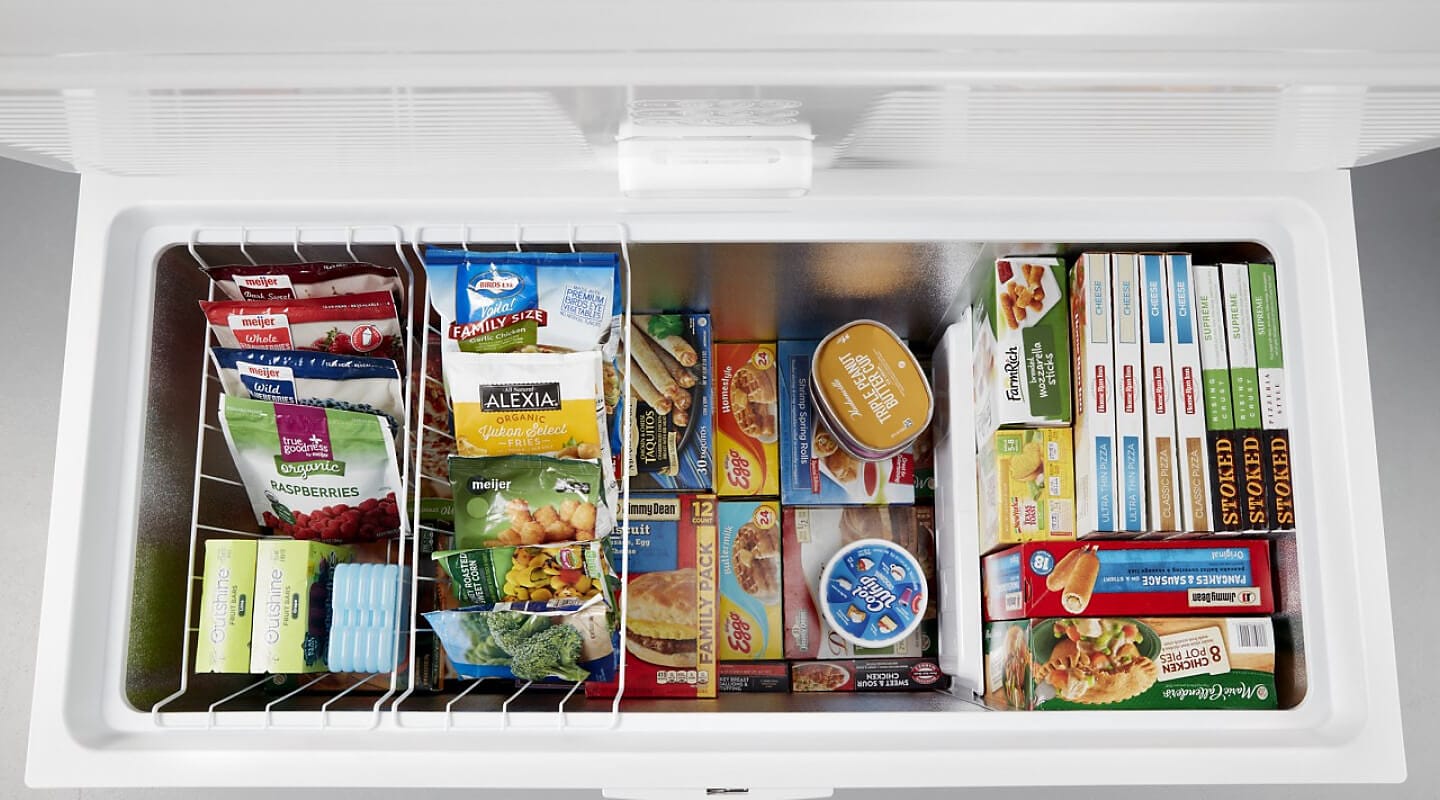
Credit: www.whirlpool.com
Lift And Move Safely
Moving a chest freezer requires more than just muscle. It demands careful planning and safe lifting techniques to protect both you and the appliance. Ignoring proper safety can lead to injuries or damage, so it's crucial to approach this task with care and the right tools.
Use Proper Lifting Techniques
Start by positioning your feet shoulder-width apart for a stable base. Bend at your knees, not your waist, to keep your back straight while lifting. This simple adjustment reduces strain on your spine and makes the heavy load easier to manage.
Keep the freezer close to your body as you lift to maintain balance. Avoid twisting your torso during the move—turn your whole body instead. Have you noticed how small changes in how you lift can save you from pain later?
Work With A Partner
Chest freezers are bulky and heavy, so having a partner makes the job safer and smoother. Communicate clearly about when to lift, move, and set down the freezer to prevent sudden shifts in weight.
Divide the effort evenly; one person should not carry more than the other. This teamwork not only protects your backs but also helps avoid accidental drops that could damage the freezer or your floors.
Use A Dolly Or Hand Truck
A dolly or hand truck can be a game-changer when moving a chest freezer. Secure the freezer with straps to prevent it from sliding off during transport.
Make sure the dolly's wheels are in good condition and suitable for your flooring. Have you checked if your dolly can handle the freezer’s weight before you start? This small check can prevent big problems.
Transport The Freezer
Transporting a chest freezer requires care to keep it safe and working well. Moving it wrongly can cause damage or leaks inside. Follow simple steps to ensure the freezer stays in good shape during the trip.
Keep Upright Position
Always keep the chest freezer standing upright. Lying it on its side or back can harm the compressor. The oil inside may move and block the cooling system. This can cause the freezer to stop working properly.
Use a dolly or hand truck to keep it steady. Avoid tilting or rocking the freezer too much. Keeping it upright protects the internal parts and avoids damage.
Secure In Vehicle
Place the freezer in the vehicle carefully. Make sure it does not slide or tip over during transport. Use straps or ropes to tie it down securely.
- Use soft padding to prevent scratches and dents.
- Place it against a stable surface to limit movement.
- Check that straps are tight but not too tight to cause damage.
Drive Carefully
Drive slowly and avoid sudden stops. Sharp turns can cause the freezer to shift or fall. Smooth driving keeps the appliance safe and steady.
Watch for bumps and uneven roads. Slow down over rough patches to reduce shocks. Arriving with the freezer intact means it will work well in its new place.

Credit: www.ubuy.com.jm
Set Up After Moving
Allow the chest freezer to stand upright for several hours after moving to let the oil settle. Clean the interior and plug it in only after waiting. This ensures proper function and avoids damage.
After successfully moving your chest freezer, the next step is setting it up. Proper setup ensures your appliance works efficiently and lasts longer. Here's how to get your freezer running smoothly in its new location.
Position The Freezer
Choose a stable, level spot. This prevents vibrations and keeps it steady. Ensure there's space around it for air circulation. Keep it away from heat sources like ovens or sunlight. This helps maintain its cooling efficiency.
Let It Settle Before Plugging In
Wait several hours before plugging in the freezer. This allows the coolant fluids to settle. It's crucial for optimal performance. Refer to the manual for the recommended time. Patience here protects your appliance.
Monitor Temperature
Once plugged in, set the desired temperature. Use a thermometer for accuracy. Check regularly to ensure it maintains the set level. Consistent temperature is key for preserving food quality. Adjust settings if necessary to achieve the perfect chill.
Frequently Asked Questions
How Do I Prepare A Chest Freezer For Moving?
Empty all contents and unplug the freezer at least 24 hours before moving. Defrost and dry it thoroughly to avoid water leakage.
What’s The Safest Way To Lift A Chest Freezer?
Use proper lifting techniques by bending your knees and keeping your back straight. Get help to avoid injury and freezer damage.
Should I Transport A Chest Freezer Upright Or On Its Side?
Always move a chest freezer upright to prevent compressor oil from flowing into the cooling lines, which can cause damage.
How Do I Secure A Chest Freezer During Transport?
Use straps or ropes to secure the freezer in place. Cushion it with blankets to protect it from bumps and scratches.
Conclusion
Moving a chest freezer can be easy with the right steps. Always unplug it and empty all contents first. Use a dolly or get help to avoid injury. Keep the freezer upright during the move to protect it. Take your time and plan the path before you start.
These tips help keep your freezer safe and working well. Now, you can move your chest freezer without stress or damage. Simple, careful actions make all the difference.