Have you ever needed to measure out a tiny amount like 1/8 of a teaspoon but didn’t know how? It can feel tricky when your kitchen tools don’t have that small marking.
But don’t worry—getting this exact measurement is easier than you think. Knowing how to measure 1/8 of a teaspoon can make your recipes turn out just right every time. Keep reading, and you’ll discover simple tips and tricks that save you time and frustration in the kitchen.
Your cooking will never be the same!

Why Measure 1/8 Teaspoon
Measuring 1/8 of a teaspoon might seem like an oddly specific task, but it plays a crucial role in cooking precision. You might wonder why such a tiny amount matters at all. Understanding the importance of this small measurement can elevate your dishes and help you achieve the exact flavors you want every time.
Importance In Cooking
Small measurements like 1/8 teaspoon often control the balance of a recipe. Too much or too little can throw off the texture or taste. Have you ever added a pinch of spice and wondered why the dish turned out too strong? That's where precise measuring becomes your best friend.
Using 1/8 teaspoon amounts can also save you from wasting ingredients. Instead of guessing, you get consistent results that make your cooking more reliable. It’s especially useful when dealing with potent ingredients that can easily overpower a dish.
Impact On Flavor
Flavor is a delicate dance, and 1/8 teaspoon can be the difference between subtlety and overwhelming taste. Ingredients like spices or extracts often require tiny amounts to enhance without dominating. Imagine adding just a touch of cinnamon to your dessert—too much ruins it, but the right amount adds warmth and depth.
Have you noticed how a slight pinch of salt can brighten a sauce? That’s the magic of precise small measurements. They help you control the intensity and balance, making your meals more enjoyable and nuanced.
Common Ingredients
Many recipes call for 1/8 teaspoon of strong ingredients. Common examples include:
- Ground spices like cayenne pepper or nutmeg
- Baking powder or baking soda in delicate baked goods
- Salt, especially when seasoning small batches
- Concentrated extracts such as vanilla or almond
Measuring these ingredients accurately ensures you don’t overpower your dish or waste valuable flavor. Have you ever tried adding a dash of cayenne to your chili? Measuring 1/8 teaspoon can help you find the perfect heat level without guessing.
Tools For Accurate Measurement
Measuring small amounts like 1/8 of a teaspoon needs precision. Using the right tools ensures your recipe turns out great. Accurate measurement keeps flavors balanced and consistent. The following tools help you measure tiny quantities with ease and accuracy.
Measuring Spoons
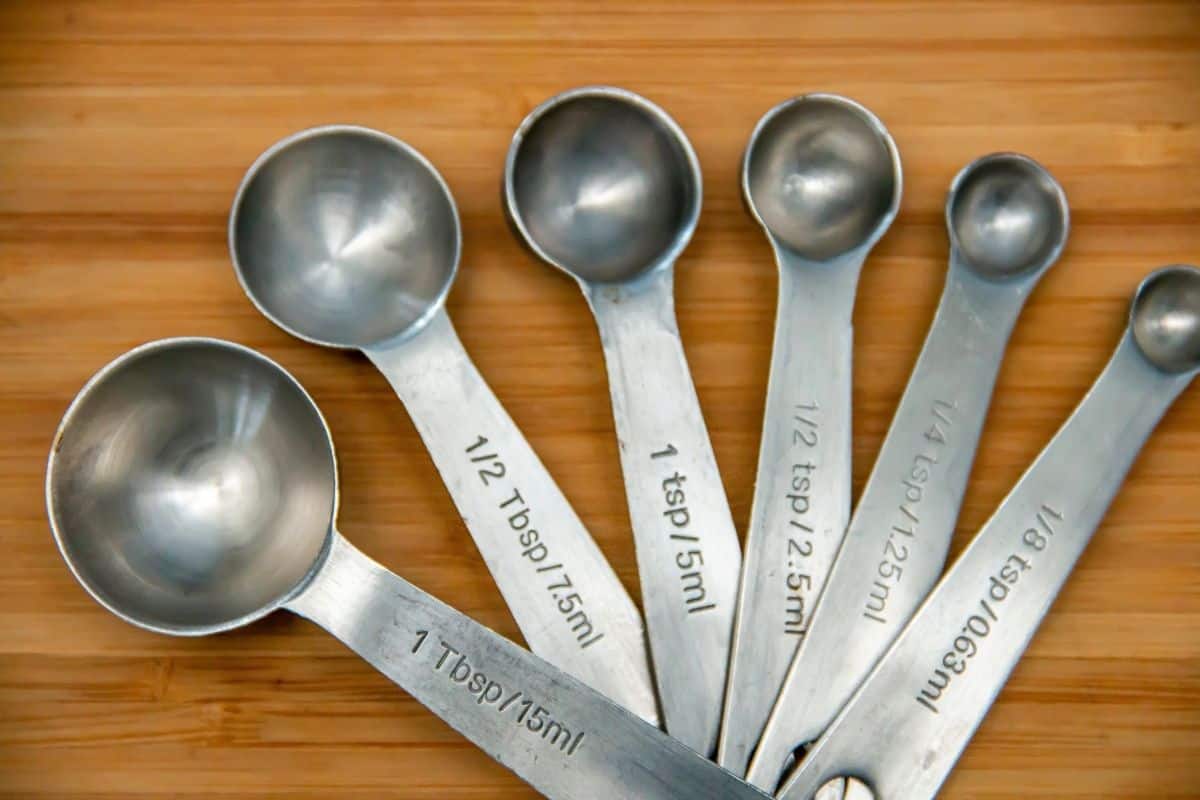
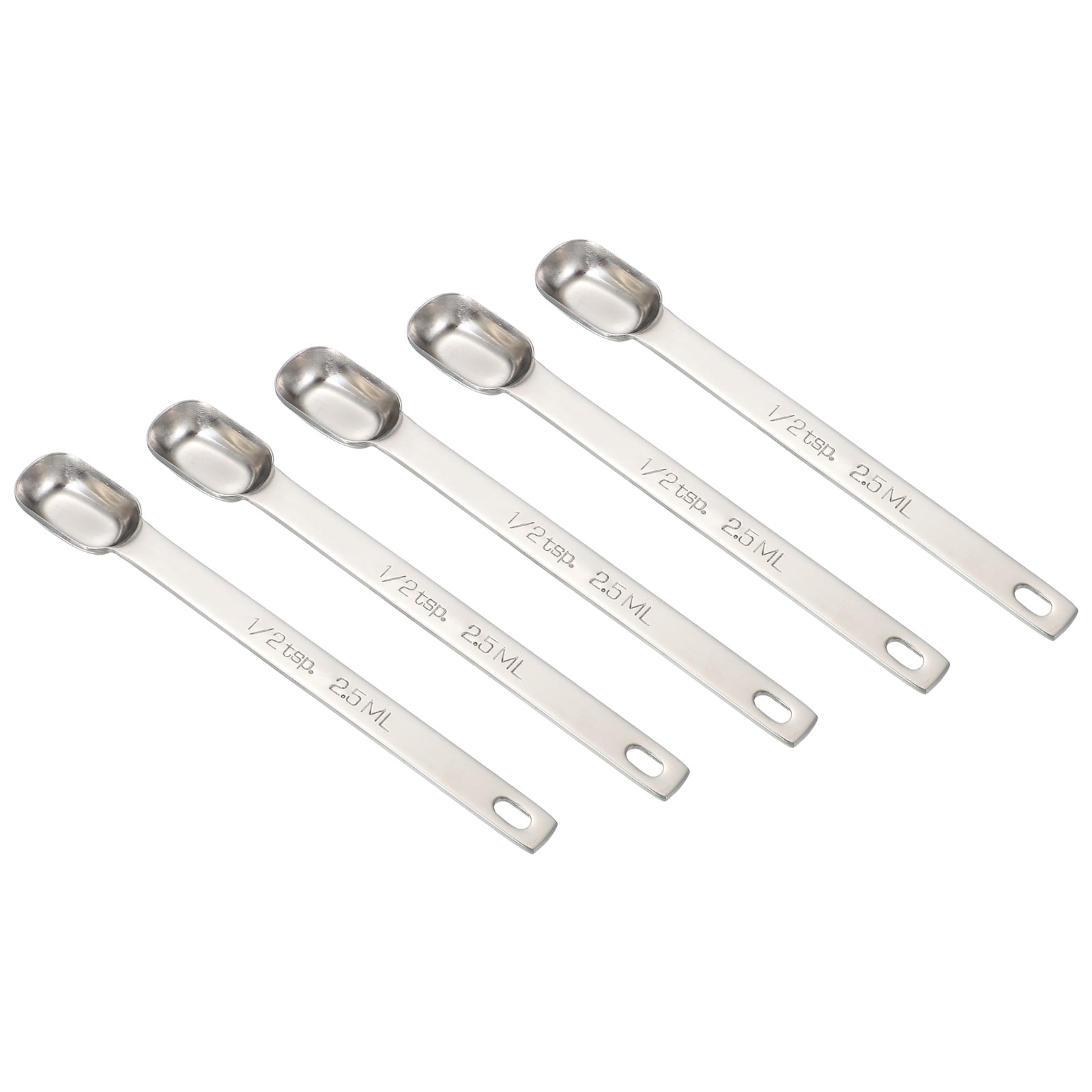
Specialized measuring spoons are the easiest way to get 1/8 teaspoon. Some sets include this size exactly. They are made of metal or plastic and easy to clean. If you don't have a 1/8 teaspoon, use a 1/4 teaspoon and fill it halfway. This method gives a close approximation without guesswork. When it comes to measuring teaspoon equivalents accurately, precision is key in ensuring the right balance of flavors in your dishes. Additionally, using a digital scale can enhance your accuracy further, especially for ingredients that are hard to measure by volume. This attention to detail can make a significant difference in the outcome of your recipes.
Scales And Weighing
Digital kitchen scales can measure small amounts by weight. Look for scales that show measurements in grams or ounces. Weighing spices or powders gives very accurate results. Use a small container on the scale and zero it first. Then add the amount that matches 1/8 teaspoon in weight.
Household Items As Alternatives
Sometimes, household items can help estimate 1/8 teaspoon. A pinch between your thumb and finger often equals about this amount. The tip of a small knife blade also works. These are less exact but useful when you lack proper tools. Always use these methods carefully to avoid adding too much.
Techniques To Measure 1/8 Teaspoon
Measuring 1/8 of a teaspoon can feel tricky because it's such a small amount. However, with a few simple techniques, you can get precise measurements without specialized tools. These methods will help you add the right amount to your recipe, avoiding overpowering flavors or texture issues.
Using A 1/4 Teaspoon Spoon
If you don't have a 1/8 teaspoon measure, use a 1/4 teaspoon spoon and fill it halfway. This is a quick way to approximate 1/8 teaspoon. Hold the 1/4 teaspoon level and carefully scoop the ingredient, then gently remove half of it with a knife or your fingertip.
Try this with dry ingredients first to get a feel for how much half looks. You’ll find that practicing helps you develop a natural sense for this small measurement without a special spoon.
Pinching Method
Have you ever added a pinch of salt and wondered how much it really was? A “pinch” is often about 1/8 teaspoon. To measure this, use your thumb and forefinger to grab a small amount of the ingredient.
This method works well for spices and salt. Try pinching the ingredient and dropping it into your dish. If you want to be more precise, pinch once for 1/8 teaspoon and twice for 1/4 teaspoon.
Leveling And Scooping Tips
Accuracy in small measurements comes from how you scoop and level the ingredient. Avoid shaking the spoon or packing the ingredient tightly, as this changes the amount.
- Scoop gentlyso the ingredient fills the spoon loosely.
- Use a flat edgelike a knife to level off excess for a smooth surface.
- Avoid tappingthe spoon to settle the ingredient; it can add more than intended.
Have you noticed how much difference a level spoon can make? These simple habits improve your measurement precision and recipe results.
Tips For Consistency
Measuring 1/8 of a teaspoon with consistency can be surprisingly tricky. Small differences in technique can lead to big changes in your recipe’s outcome. Paying attention to how you measure every time will help you achieve reliable results and avoid surprises in taste or texture.
Avoiding Overpacking
Overpacking is a common mistake that throws off measurements. When you press ingredients too firmly into the spoon, you end up with more than intended. Try gently scooping or using a light tap to level off the ingredient.
Think about spices like cinnamon or baking powder. Overpacking these can cause your dish to taste too strong or alter its rise. Are you letting your spoon rest naturally, or squeezing ingredients in?
Using Dry Vs Liquid Ingredients
Measuring dry and liquid ingredients requires different approaches. For dry ingredients, scoop and level with a flat edge to get an accurate amount.
For liquids, use a tiny measuring spoon or a syringe designed for small volumes. Pour slowly and check the level at eye height to avoid overpouring.
Have you noticed how a teaspoon of vanilla extract behaves differently than a teaspoon of flour? Adjust your measuring style accordingly to keep consistency.
Storing And Handling
How you store your measuring tools can affect accuracy. Keep your spoons clean and dry to prevent clumping or residue buildup.
Store spices and powders in airtight containers to avoid moisture absorption, which changes their volume and weight. Handling ingredients with dry, clean hands also maintains measurement precision.
Have you ever measured something only to find it clumped or stuck? Proper storage and handling make all the difference in getting your 1/8 teaspoon just right every time.
Common Mistakes To Avoid
Measuring 1/8 teaspoon can be tricky without the right tools. Avoid guessing or using larger spoons, which causes inaccurate amounts. Always use a precise measuring spoon for best results.
Measuring small amounts like 1/8 of a teaspoon can be tricky. It's easy to make errors, leading to imbalances in taste or texture. Understanding common mistakes helps improve accuracy in your recipes.
Guessing Instead Of Measuring
Many people eyeball small amounts instead of measuring. This practice leads to inconsistent results. Always use a measuring spoon for precision. Guessing often causes recipes to fail or taste different.
Using Wrong Tools
Using the wrong tools is a frequent error. A regular teaspoon isn't precise for small amounts. Ensure you have a proper set of measuring spoons. They come in different sizes, including 1/8 teaspoon. Using the correct tool ensures consistency.
Ignoring Ingredient Density
Different ingredients have different densities. A teaspoon of salt weighs more than a teaspoon of flour. Understanding this helps in getting the right taste and texture. Always consider density when measuring ingredients.
Frequently Asked Questions
How Can I Measure 1/8 Teaspoon Without A Special Spoon?
You can use a 1/4 teaspoon and fill it halfway to get 1/8 teaspoon. Alternatively, use a pinch, which is roughly 1/8 teaspoon.
What Common Kitchen Tools Help Measure 1/8 Teaspoon?
Use a 1/4 teaspoon and fill it halfway. A pinch with your fingers also works as an approximate measure.
Is 1/8 Teaspoon Important For Cooking Accuracy?
Yes, precise measurement of 1/8 teaspoon ensures flavor balance, especially in baking and spice-heavy recipes.
Can I Substitute 1/8 Teaspoon With A Pinch?
Yes, a pinch is roughly equal to 1/8 teaspoon and works well for spices and salt.
Conclusion
Measuring one-eighth of a teaspoon is simple with the right tools. Use a small measuring spoon or divide a quarter teaspoon in half. Precision matters in cooking and baking for best results. Practice helps improve your measuring skills quickly. Keep these tips in mind for accurate measurements every time.
Cooking becomes easier and more enjoyable with small details like this. Try measuring carefully, and see how it affects your recipes. Accurate measuring saves time and ingredients. It also makes your dishes taste better. Give it a try today.