Have you ever started cooking or baking, only to realize you need half a tablespoon of an ingredient but don’t have the right measuring tool? It can be frustrating and might even affect the taste of your dish.
But don’t worry—measuring half a tablespoon doesn’t have to be tricky. You’ll learn simple, clever ways to get the exact amount every time, even if you don’t have a half-tablespoon spoon. By the end, you’ll feel confident and ready to tackle any recipe with precision.
Keep reading to discover easy tips that will make your cooking and baking smoother and more enjoyable.
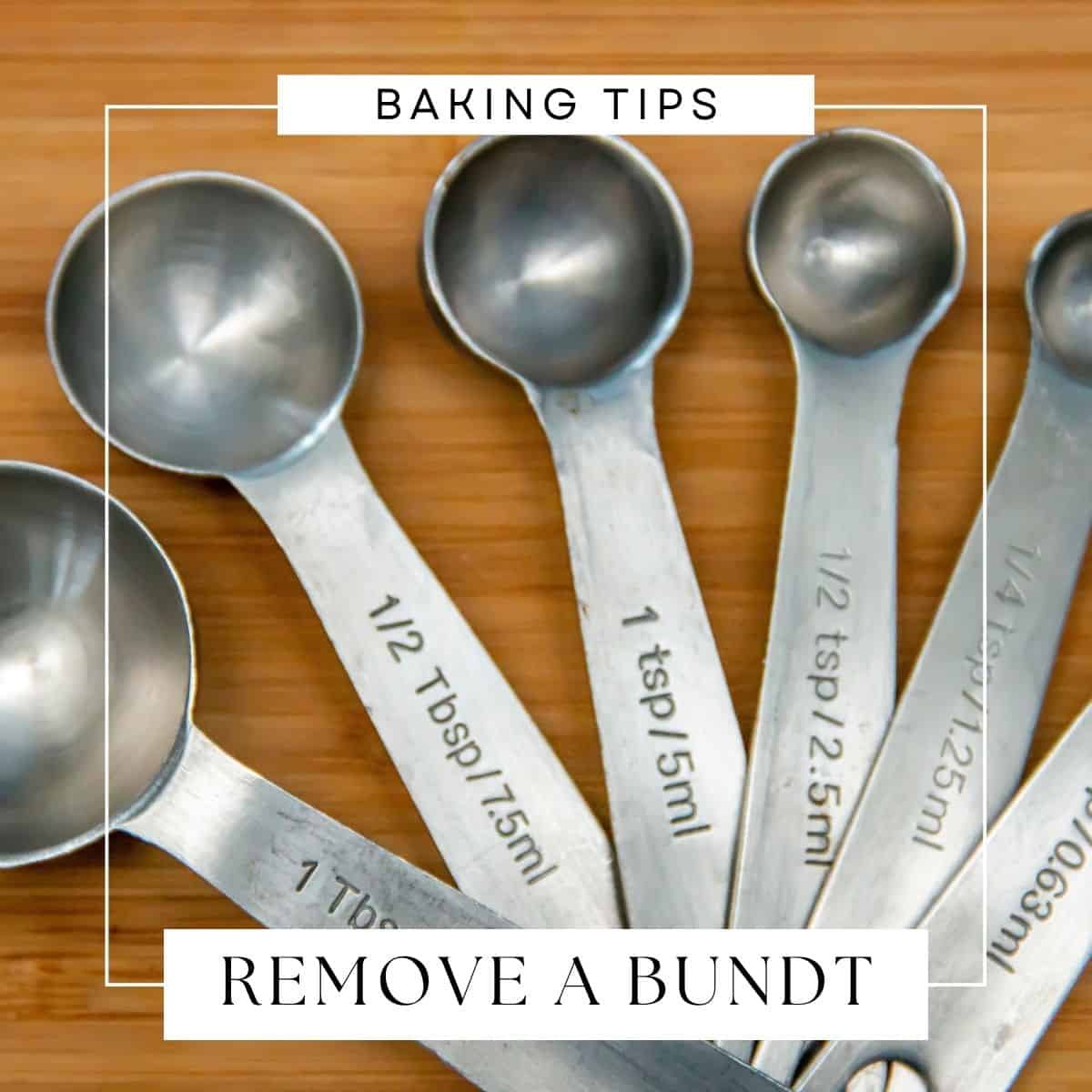
Credit: mysweetprecision.com
Tools For Measuring Half A Tablespoon
Measuring half a tablespoon accurately can seem tricky, especially if you don't have the right tools on hand. Having the proper measuring tools in your kitchen not only saves time but also ensures your recipes turn out just right. Let's look at some practical options you can use to measure half a tablespoon with ease.
Using Measuring Spoons
Measuring spoons are the most straightforward tool for this task. Many sets include a half tablespoon spoon, but if yours doesn’t, you can use a tablespoon and fill it halfway. This method is simple and fast, but it requires a steady hand to get an accurate half.
Think about the last time you eyeballed a measurement—did it affect your recipe? Using measuring spoons eliminates that guesswork, making your cooking more consistent.
Alternative Kitchen Tools
If you don’t have a half tablespoon spoon, kitchen tools like teaspoons can help. Since 1 tablespoon equals 3 teaspoons, you can measure out 1.5 teaspoons to get half a tablespoon.
Other creative tools include small medicine cups or even a standard kitchen knife to level off ingredients when estimating. Have you ever improvised in the kitchen and found a tool that worked better than expected? Sometimes, thinking outside the box leads to surprisingly accurate measurements.
Digital Scales
Digital kitchen scales are perfect for precision. Many scales measure in grams or ounces, so you’ll need to know the weight equivalent of half a tablespoon for your ingredient.
For example, half a tablespoon of butter weighs about 7 grams. Using a scale removes any doubt and is especially useful for baking where exact measurements matter most.
Do you own a digital scale yet? It might be your best investment for consistent cooking results.

Credit: us.amazon.com
Techniques For Accurate Measurement
Measuring half a tablespoon accurately ensures your recipe turns out just right. Small differences can change taste and texture. Using the right techniques helps avoid mistakes and saves ingredients.
Leveling Off Ingredients
Fill the tablespoon slightly over the edge. Use a flat tool like a knife or spatula. Gently scrape across the top to remove excess. This creates a smooth, even surface. Leveling keeps measurements precise and consistent.
Using The Scoop And Sweep Method
Scoop the ingredient into the tablespoon. Let it pile up a bit higher than the edge. Use a straight edge to sweep off extra. This method works well for dry ingredients like flour or sugar. It prevents packing, which can cause too much ingredient.
Measuring Liquids Vs Solids
Liquids and solids need different handling. Pour liquids slowly to avoid spills. Use a clear measuring spoon and check at eye level. For solids, scoop gently without pressing down. This avoids compacting and keeps the amount accurate.
Estimating Half A Tablespoon Without Tools
Measuring half a tablespoon without a tool can seem tricky. Simple tricks help you estimate this amount easily. These methods work well in kitchens without precise measuring spoons.
Using A Teaspoon As Reference
A tablespoon equals three teaspoons. Half a tablespoon is one and a half teaspoons. Visualize one full teaspoon plus half of another. You can scoop a full teaspoon and then add about half more from the next scoop.
This method is quick and uses what you have. It helps keep measurements close to the recipe’s needs. Practice this to get a better feel for half a tablespoon.
Visual Comparisons With Common Items
Half a tablespoon is about 7.5 milliliters. Compare it to small everyday items for a rough guess:
- About the size of a standard medicine cup’s small line.
- Similar to half a large ice cube.
- Close to half the volume of a walnut.
These comparisons help estimate without spoons or cups. Use them for liquids or dry ingredients alike. Keep these visuals in mind during cooking or baking.
Common Mistakes To Avoid
Measuring half a tablespoon might seem simple, but many people slip up without realizing it. These small errors can change the texture or taste of your dish. Knowing what to avoid can save you from frustrating cooking mishaps.
Overpacking Ingredients
Pressing ingredients down into the measuring spoon adds more than the intended amount. This is especially common with powders like flour or brown sugar.
Think about when you scoop flour directly from the bag—it’s easy to pack it in tightly without noticing. Instead, lightly fill the spoon and level it off to get an accurate half tablespoon.
Ignoring Ingredient Density
Not all ingredients weigh the same, even if the volume is correct. Half a tablespoon of honey is much heavier than half a tablespoon of chopped herbs.
Ask yourself: does the recipe require a weight measurement or volume? If it’s weight, using a scale can give you more precision than spoons.
Using Inaccurate Tools
Using spoons that aren’t designed for measuring leads to guesswork. Kitchen spoons vary widely in size, so relying on them can throw off your proportions.
Investing in a proper measuring spoon set eliminates this problem. It’s a small step that makes a big difference in your cooking results.
Tips For Consistent Results
Use a reliable measuring spoon to ensure half a tablespoon is accurate every time. Level off the ingredient with a flat edge for consistent results. Measuring carefully helps maintain the right taste and texture in your recipes.
Achieving consistent results when measuring half a tablespoon can be challenging, yet with the right techniques and a bit of practice, you can master it. Whether you're baking your favorite cookies or concocting a new sauce, precision in measurement can mean the difference between success and a do-over. Let's explore some tips to help you measure accurately and consistently.
Calibrating Measuring Tools
Start by ensuring your measuring tools are accurate. A simple way to do this is by comparing them against a standard measurement. Use a full tablespoon and divide its contents to understand what half looks like. Consider investing in high-quality measuring spoons that are labeled clearly. Some brands offer spoons with half measurements, which can be a game-changer. Have you ever noticed that different brands of spoons don't always match up? Checking your tools regularly can help you avoid this pitfall.
Practice And Patience
Practice makes perfect, especially in the kitchen. Repeatedly measuring out half a tablespoon will gradually improve your accuracy. Engage in small test recipes where precision is key. This will help you gain confidence without the pressure of a big recipe. Remember, patience is essential. Give yourself time to learn and don't rush the process.
Recording Adjustments
Document your measurements and any adjustments you make. This can be as simple as jotting down notes in a kitchen journal. Did you know that slight variations in ingredients can affect your results? Keeping track can help you remember what worked and what didn’t. Review your notes regularly to refine your technique. This can lead to more consistent results in future recipes. By focusing on these tips, you can enhance your culinary creations and ensure precision every time you reach for that half tablespoon. What small changes will you implement in your kitchen today to achieve more consistent results?

Credit: littlesproutslearning.co
Frequently Asked Questions
How Do I Measure Half A Tablespoon Without A Half-tablespoon Spoon?
Use a 1 tablespoon measuring spoon and fill it halfway. Alternatively, use 1 1/2 teaspoons since half a tablespoon equals 1. 5 teaspoons. This method is accurate and convenient when you lack a half-tablespoon measure.
Can I Substitute Half A Tablespoon With Teaspoons?
Yes, half a tablespoon equals 1. 5 teaspoons. Measure one teaspoon plus half a teaspoon to get the exact amount. This substitution works well for both liquid and dry ingredients in recipes.
What Kitchen Tools Help Measure Half A Tablespoon Precisely?
Measuring spoons labeled with half tablespoons are ideal. If unavailable, use a tablespoon and teaspoons to combine 1 tablespoon and 1/2 teaspoon. Liquid measuring cups with smaller markings can also help measure half tablespoons accurately.
Is Half A Tablespoon The Same As 7.5 Ml?
Yes, half a tablespoon equals 7. 5 milliliters in volume. This conversion is useful for recipes using metric measurements. Use a kitchen scale or measuring cup marked in milliliters for precision.
Conclusion
Measuring half a tablespoon can be simple and quick. Use common kitchen tools like teaspoons or a measuring cup. Always level your measurements for accuracy. This small step helps keep your recipes perfect. Practice a few times to feel confident.
Cooking becomes easier when you measure right. Enjoy making your dishes taste just as you want.