Are you struggling to find the perfect size table runner for your dining table? Measuring a table runner might seem simple, but getting it just right can transform your whole dining experience.
Whether you're hosting a dinner party or just want to add a touch of style to your everyday meals, the right runner makes all the difference. You’ll learn easy steps to measure your table runner accurately—no guesswork, no frustration. Keep reading, and you’ll never have to worry about buying the wrong size again.
Choosing The Right Table Runner Size
Choosing the right table runner size is more than just picking a pretty fabric. It affects the entire look of your table setting and how your guests experience the meal. Getting the dimensions right ensures your table runner enhances the space without overwhelming it or looking too small.
Standard Table Dimensions
Knowing your table’s size is the first step to choosing a table runner that fits well. Most dining tables fall into standard size categories, which helps narrow down your options.
| Table Shape | Length | Width |
|---|---|---|
| Rectangular | 60" to 96" | 36" to 42" |
| Square | 36" to 60" | 36" to 60" |
| Round | 36" to 60" diameter | — |
If your table is custom or unusually sized, measuring it yourself is key. Use a tape measure and write down both the length and width before shopping for runners.
Runner Width And Length Basics
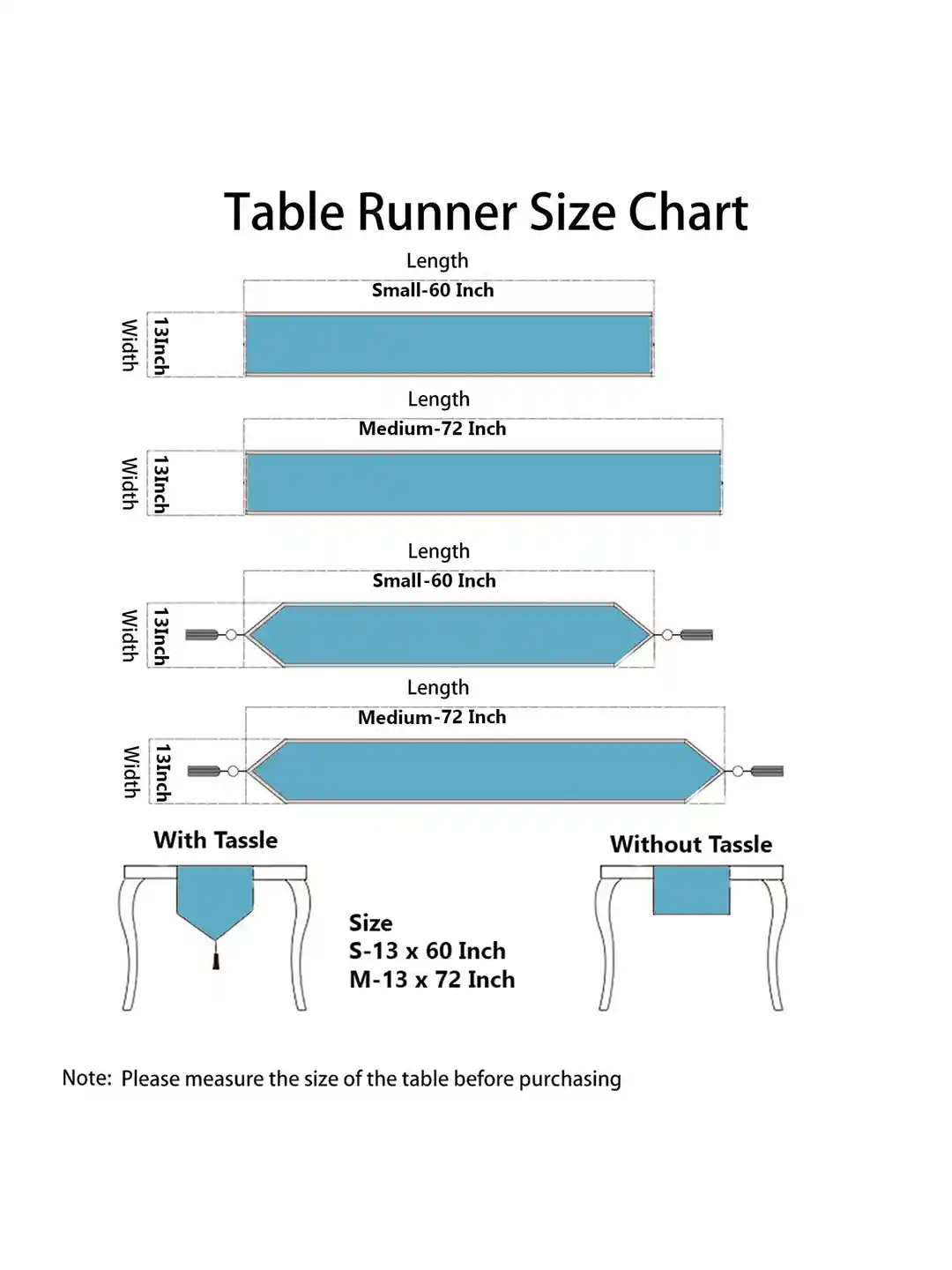
Runner width usually ranges from 14" to 20". Narrow runners create a sleek look, while wider ones add drama and coverage. Think about how much of your table’s surface you want covered.
Length is just as important. A runner should hang over the edges by about 6 to 12 inches on each side. Too short, and it looks awkward; too long, and it can get in the way.
- For a 60" table, aim for a runner length of 72" to 84".
- For longer tables, add 12 to 24 inches to the table length for runner size.
- Consider the table’s use—will you have centerpieces or serving dishes that require more space?
When I first picked a runner for my dining table, I chose one too narrow and short. It barely covered the middle, and I quickly realized it didn’t complement my table. Adjusting the size made a huge difference in presentation and function.
What kind of atmosphere do you want your table to create? A well-sized runner can help you achieve exactly that.
Tools Needed For Accurate Measurement
Accurate measurement is key to choosing the right table runner size. The right tools help you measure precisely and avoid mistakes. Using proper tools saves time and ensures your table runner fits well. Gather these tools before starting to measure your table for the best results.
Measuring Tape Tips
A flexible measuring tape works best for table measurement. Use a cloth or soft plastic tape for easy handling. Keep the tape flat and straight along the table surface. Avoid bending or twisting the tape for exact numbers. Measure length and width carefully and note down the numbers. Double-check your measurement to avoid errors.
Alternative Measuring Tools
If you don't have a measuring tape, try other tools. A ruler or yardstick works well for smaller tables. Use a piece of string to measure longer tables, then measure the string with a ruler. A laser distance measurer can also provide quick and accurate results. Choose the tool that fits your table size and comfort level.
Measuring Table Length And Width
Measuring the length and width of your table is key to choosing the right table runner size. Accurate measurements ensure the runner fits well and enhances your table's look. This section explains how to measure both dimensions clearly and simply.
Step-by-step Length Measurement
- Use a tape measure or ruler for accuracy.
- Start at one end of the table’s longest side.
- Extend the tape straight to the opposite end.
- Note the length in inches or centimeters.
- Consider how far the runner should hang over the edges.
- Add twice the desired overhang to the table length.
- This total length is the runner’s ideal length.
Determining Table Width
- Place the tape measure across the table’s shortest side.
- Measure from one edge directly to the other.
- Write down the table width measurement.
- Think about the runner’s width compared to the table width.
- Most runners cover half to two-thirds of the width.
- Choose a runner width that fits this range.
Calculating Table Runner Length
Calculating the right length for your table runner is key to making your dining space look polished and inviting. The length affects how the runner frames your table and sets the tone for your décor. Getting this measurement right ensures your runner neither looks too short nor overwhelms the table’s proportions.
Adding Overhang Length
Start by measuring the full length of your table from end to end. Then, decide how much you want the runner to hang over the edges. A common and visually pleasing overhang is 6 to 12 inches on each side.
Think about the setting where you’ll use the runner. If you host a lot of dinner parties, a longer overhang might create a more elegant look. For casual everyday use, a shorter overhang is practical and less likely to get in the way.
Adjusting For Table Shape
Your table’s shape plays a big role in determining runner length. Rectangular tables are straightforward—you measure length and add overhang on both ends.
But what about round or oval tables? Here, instead of length, focus on the diameter or the longest length across the table. Your runner should ideally cover the center area, with equal overhang around the edges, ensuring it complements the shape without crowding the space.
Have you ever felt unsure whether your runner fits just right? Try laying it out before finalizing the purchase. It’s a simple step that saves you from costly returns or awkward adjustments later.
Choosing Runner Width For Style And Function
Measuring a table runner involves considering both the table's length and width. Select a runner that extends 6 to 12 inches beyond the table's edges for a balanced look. This choice enhances both style and functionality in your dining space.
Choosing the right width for a table runner is crucial. It affects both style and function. A well-chosen runner can transform your dining space. It complements the table and the room's decor.
Narrow Vs Wide Runners
Narrow runners create a sleek look. They expose more of the table surface. Ideal for highlighting the table's natural beauty. A wide runner offers more coverage. It can make a bold statement in your dining area.
Considering Table Edge And Decor
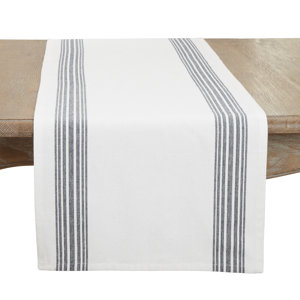
The table's edge influences runner width choice. A runner that hangs over the edge can add elegance. Ensure the runner doesn't interfere with seating. Consider the table's decor elements. A wider runner provides space for centerpieces and candles. It helps in creating a cohesive table setting.
Credit: www.birchlane.com
Special Considerations For Different Tables
Choosing the right size for a table runner isn’t just about length and width; the shape of your table plays a huge role too. Different tables need different approaches to make sure the runner looks balanced and enhances your space. Understanding these special considerations helps you avoid awkward fits and awkward looks.
Round Tables
Round tables challenge the usual rectangular runner shape. You want a runner that complements the circular form without overwhelming it. A narrow runner works best, placed straight across the center to create a striking contrast.
Measure the diameter of your table first. Then pick a runner about 12 to 18 inches narrower than that diameter to keep the edges visible. This way, the runner highlights the center while leaving enough space around it.
Think about how you’ll use the table. If it’s for daily meals, a shorter runner prevents spills on the edges. For special occasions, you might choose a longer runner that drapes slightly over the sides, but keep it minimal to avoid crowding.
Oval And Square Tables
Oval tables combine the curves of round tables and the length of rectangular ones, so your runner needs to balance these features. Measure the table’s length and width carefully to find a runner that enhances its shape without cutting it off awkwardly.
For oval tables, a runner about two-thirds the length of the table usually works well. This length ensures the runner follows the table’s curve and adds visual interest without overpowering the surface.
Square tables offer a unique challenge. Since all sides are equal, you can either choose a traditional rectangular runner or opt for a square runner that fits the table’s dimensions closely. A square runner can create a neat, centered look, while a rectangular one adds a sense of length.
Ask yourself what effect you want. Do you want to highlight the table’s symmetry or add a bit of contrast? Your choice of runner shape and size can make a big difference in the overall vibe.
Tips For Perfect Runner Placement
Placing a table runner perfectly can change the whole look of your dining area. It’s not just about laying it down; it’s about making sure it fits the space and complements your table settings. Getting this right enhances both style and functionality, so your table looks inviting and well put together.
Centering The Runner
Start by measuring the length and width of your table. Lay the runner on the table and adjust it so it’s evenly spaced from both ends and sides. A centered runner creates balance and makes your table appear symmetrical.
Try folding the runner in half to find the midpoint, then align this point with the center of your table. This simple trick saves time and ensures precision. Have you ever noticed how a slightly off-center runner can make the whole setup feel awkward?
Aligning With Table Settings
After centering, think about where your plates, glasses, and cutlery will sit. The runner should flow under or alongside these settings without crowding them. This keeps everything accessible and avoids clutter.
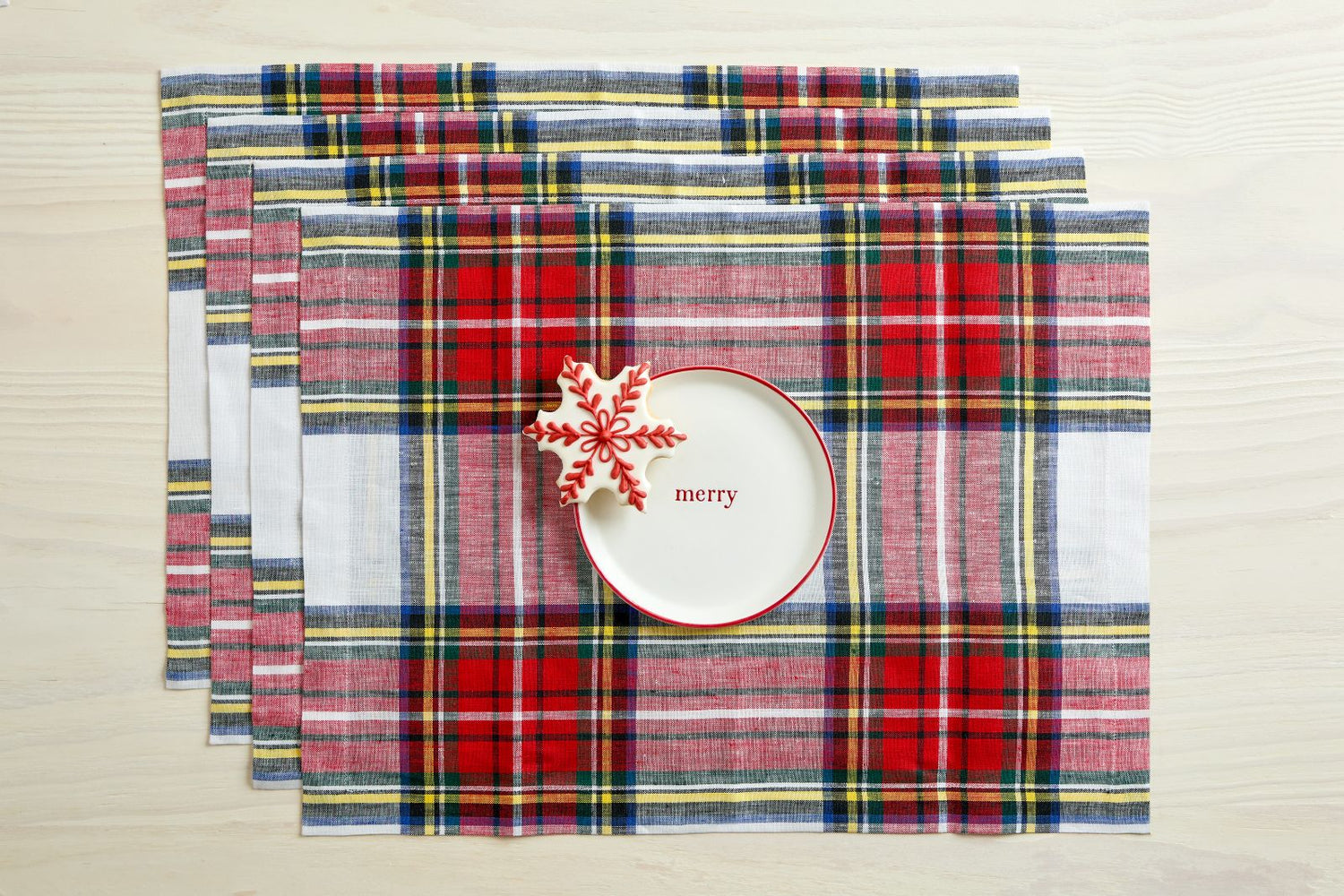
For a dinner party, position the runner so it highlights your centerpiece but doesn’t interfere with the placement of dishes. If you use chargers or placemats, make sure the runner aligns with their edges. This attention to detail shows you’ve thought about how guests will interact with the table.
Credit: www.solinohome.com
Credit: www.myntra.com
Frequently Asked Questions
How Long Should A Table Runner Be?
A table runner should hang 6 to 12 inches over each edge of the table. Measure your table’s length and add 12 to 24 inches. This ensures a balanced look and allows the runner to drape elegantly on both sides.
How To Measure Table Width For A Runner?
Measure the table’s width from edge to edge. Choose a runner that is 12 to 18 inches narrower than your table width. This creates a neat border while leaving enough space for tableware.
Can A Table Runner Be Wider Than The Table?
A runner wider than the table can hang too much and look bulky. It’s best to keep the runner slightly narrower than the table width for a clean, stylish appearance.
Should A Table Runner Match Tablecloth Size?
A runner doesn’t need to match the tablecloth size. It can be smaller to add contrast and texture. Use it as an accent to highlight the tablecloth or table surface.
Conclusion
Measuring a table runner is simple with the right steps. Start by knowing your table size and shape. Add extra length for a neat look. Always measure twice to avoid mistakes. A well-measured runner can enhance your table’s style. Now, you can choose the perfect size with confidence.
Enjoy decorating your space with ease and style. Keep these tips handy for your next table setting.