Have you ever struggled to measure 3/4 teaspoon accurately while cooking or baking? It might seem like a small amount, but getting it right can make a big difference in your recipe’s taste and texture.
If you’re unsure how to measure this tricky quantity without the right tools, you’re not alone. You’ll discover simple, foolproof methods to measure 3/4 teaspoon perfectly every time. Keep reading and make your next dish turn out just the way you want it!

Credit: www.amazon.ca
Tools For Measuring Small Quantities
Measuring small amounts like 3/4 teaspoon needs precise tools. Using the right tools helps ensure accuracy in cooking and baking. Different tools suit different kitchens and budgets. Here are some common and easy options for measuring small quantities.
Standard Measuring Spoons
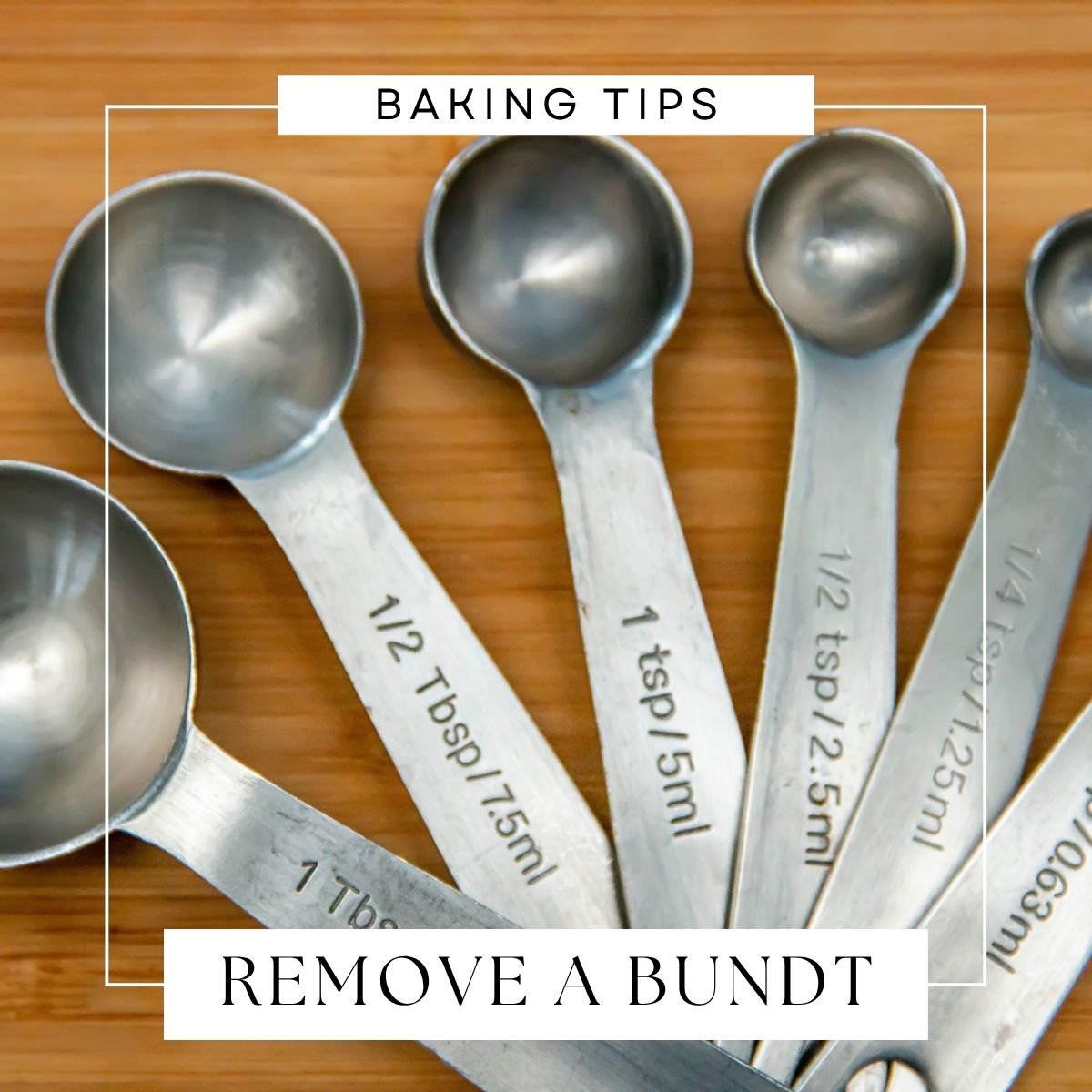
Standard measuring spoons come in sets with sizes like 1/4, 1/2, 1 teaspoon, and more. To get 3/4 teaspoon, combine a 1/2 teaspoon and a 1/4 teaspoon. These spoons are usually made of metal or plastic. They are affordable and easy to find in most stores. Clean and dry them well for best results.
Using A Kitchen Scale
A kitchen scale can measure small amounts by weight. Some scales show measurements in teaspoons or grams. Use the tare function to reset the scale to zero with your container. Weigh the ingredient until it reaches the right amount. This method is very accurate for baking and cooking.
Alternative Household Items
When measuring spoons or scales are unavailable, some household items can help. For example:
- A pinch from your fingers equals about 1/8 teaspoon.
- A standard coffee scoop is about 1 tablespoon, so use smaller amounts accordingly.
- Use the tip of a knife for tiny amounts like 1/8 teaspoon.
These alternatives require practice but can work in a pinch.
Step-by-step Measuring Techniques
Measuring 3/4 teaspoon accurately is key to a successful recipe. This section breaks down simple techniques to get the right amount every time. These steps work well for both dry and liquid ingredients.
Leveling Off Ingredients
Use a standard 1 teaspoon measuring spoon. Fill it with the ingredient until it is heaping full. Then, use the flat edge of a knife or spatula. Gently scrape off the excess to make a level surface. This ensures you have exactly one teaspoon.
To get 3/4 teaspoon, fill the spoon about three-quarters full. Or fill a 1/4 teaspoon three times. Always level off each scoop for accuracy.
Measuring Liquids Vs. Solids
Liquids and solids need different tools. For liquids, use a small liquid measuring cup or a syringe. Pour the liquid slowly until it reaches the 3/4 teaspoon mark. Check at eye level for precision.
For solids like spices or baking powder, use dry measuring spoons. Scoop the ingredient, then level it off. Avoid packing ingredients tightly unless the recipe says so.
Adjusting Measurements For Accuracy
Kitchen tools vary in size and shape. Use the same measuring spoons each time to keep results consistent. If unsure, weigh the ingredient with a kitchen scale.
For small amounts like 3/4 teaspoon, slight errors matter. Double-check by measuring twice or using multiple smaller spoons to add up to 3/4 teaspoon. This reduces mistakes and improves recipe outcomes.
Tips For Common Ingredients
Measuring 3/4 teaspoon accurately can change the outcome of your recipe, especially with common ingredients. Each type of ingredient behaves differently, so knowing how to measure them properly saves you from unexpected results. Let’s look at tips for spices, baking powder, salt, and liquid flavorings to help you get it just right.
Measuring Spices
Spices are light and fluffy, so packing them tightly can throw off your measurement. Use a dry measuring spoon and scoop the spice gently.
Level it off with the back of a knife for an even 3/4 teaspoon. Avoid shaking or tapping the spoon, as this can cause the spice to settle and reduce the amount you actually use.
Have you noticed how a small difference in spices changes the flavor? Precision here means your dish tastes exactly how you want it.
Measuring Baking Powder And Salt
Both baking powder and salt can clump, so stir them lightly before measuring. Use the same dry measuring spoon and fill it until it’s slightly heaped.
Then, level it off carefully. This prevents adding too much, which could make your baked goods too salty or cause them to rise unevenly.
Think about the last time your cookies didn’t rise right—could measuring have been the culprit?
Measuring Liquid Flavorings
Liquid flavorings like vanilla extract are best measured with a liquid measuring spoon or a small glass measuring cup. Fill the spoon slowly to avoid spilling.
Hold the spoon at eye level and pour until the liquid reaches the 3/4 teaspoon mark. This way, you won’t accidentally add too much or too little, which can overpower your recipe.
Next time you add vanilla, try this method and notice the balanced flavor it creates.

Credit: www.walmart.com
Common Mistakes To Avoid
Measuring 3/4 teaspoon can be tricky if you overfill the spoon or guess the amount. Using the right measuring spoon ensures accuracy and better cooking results. Avoid packing the ingredient too tightly or using a tablespoon by mistake.
Measuring 3/4 teaspoon might seem straightforward, yet many stumble upon common pitfalls that could easily be avoided with a little attention. A small mistake in measurement can dramatically alter the taste and texture of your dish. Here are some frequent errors that can lead to inaccurate measurements and how you can avoid them.
Overpacking Ingredients
Overpacking a teaspoon is a common mistake, especially with ingredients like flour or sugar. You might be tempted to press down to fit more in, thinking you're getting the right amount. This can lead to adding more than needed, skewing your recipe balance. To avoid this, gently scoop or pour ingredients into the spoon and level it with a knife. Next time you reach for a teaspoon, remember that lightly filled is the key to accuracy.
Ignoring Spoon Calibration
Not all measuring spoons are created equal. Some spoons might not hold exactly 1 teaspoon, leading to discrepancies. Have you ever checked if your spoons are true to their claim? Consider using a scale to verify your measuring spoon's accuracy. Regular calibration can save you from culinary surprises.
Using Improper Tools
It's tempting to use just any spoon from your drawer when you're in a rush. Yet, this can result in inconsistent measurements. A regular spoon might seem close, but does it truly measure up? Investing in a set of quality measuring spoons ensures you have the right tool for the job. This small step can make a big difference in your cooking success. By being mindful of these common mistakes, you can enhance your cooking accuracy and enjoy consistent results every time. So, next time you're measuring 3/4 teaspoon, keep these tips in mind and see the difference in your dishes.
Creative Hacks For Precision
Getting the exact 3/4 teaspoon measurement can be tricky, especially when you don’t have the right tools at hand. But a little creativity can make your measuring precise and hassle-free. Let’s dive into some clever ways you can measure 3/4 teaspoon accurately without stress or guesswork.
Using Half And Quarter Teaspoons
If you have a 1/2 teaspoon and a 1/4 teaspoon, measuring 3/4 teaspoon becomes straightforward. Simply add one 1/2 teaspoon and one 1/4 teaspoon together. This combo gives you the perfect amount without needing a special 3/4 teaspoon tool.
Even if your set only has a 1/4 teaspoon, you can still measure 3/4 by scooping it three times. It might take a moment longer, but the result is just as precise. Have you tried mixing measurements like this before? It’s a simple hack that saves time and ensures accuracy.
Diy Measuring Tools
Don’t have the right measuring spoons? No problem. You can create your own tool using common kitchen items like bottle caps or small lids. Find one that holds about 1/4 teaspoon, then use it three times to reach 3/4 teaspoon.
Another idea is marking a regular teaspoon with a permanent marker. Divide the spoon into quarters and mark the 3/4 line clearly. This homemade tool can be a game-changer when you often need unusual measures like 3/4 teaspoon.
Visual Estimation Techniques
Sometimes, you need to estimate quickly. Here’s a simple visual trick: 3/4 teaspoon looks like a heaping 1/2 teaspoon or a slightly less than full 1 teaspoon. Try filling a 1/2 teaspoon fully and adding a small pinch more to approximate 3/4 teaspoon.
Another way is to use your fingers as a guide. For example, imagine dividing a teaspoon’s contents into four parts and take three of them. It’s not perfect but works well in a pinch when you trust your intuition. Have you ever guessed a measurement and ended up with great results? Precision doesn’t always need tools—it can come from practice and observation.

Credit: us.amazon.com
Frequently Asked Questions
How Do I Measure 3/4 Teaspoon Accurately?
Use a 1/4 teaspoon measure three times for 3/4 teaspoon. Alternatively, fill a 1 teaspoon measure to three-quarters full. This ensures precise measurement for recipes requiring 3/4 teaspoon.
Can I Substitute 3/4 Teaspoon With Other Measurements?
Yes, 3/4 teaspoon equals 0. 75 teaspoons or 3/16 tablespoons. Use these equivalents when exact 3/4 teaspoon measures are unavailable. This helps maintain recipe accuracy.
What Kitchen Tools Help Measure 3/4 Teaspoon?
Measuring spoons set with 1/4 and 1 teaspoon sizes are best. Use these spoons to measure 3/4 teaspoon by combining or filling partially. Accurate tools improve cooking results.
Why Is Measuring 3/4 Teaspoon Important In Recipes?
Precise 3/4 teaspoon measurement ensures balanced flavors and proper chemical reactions in cooking. Small measurement errors can affect taste and texture significantly. Accurate measuring improves recipe success.
Conclusion
Measuring 3/4 teaspoon is simple with the right tools. Use a 1/4 teaspoon measure three times or a 1/2 teaspoon plus a 1/4 teaspoon. Accurate measuring helps your recipes turn out great. Small amounts can change flavor and texture a lot.
Practice makes it easier to get the right amount. Keep these tips in mind for better cooking and baking results. Measuring well saves time and avoids mistakes. Now you can measure 3/4 teaspoon with confidence every time.