Have you ever needed to measure 1/8 tablespoon but didn’t know how to do it accurately? You’re not alone.
Small measurements can be tricky, and getting them wrong might change the taste or texture of your recipe. But don’t worry—this guide will show you simple, foolproof ways to measure 1/8 tablespoon with tools you probably already have. By the end, you’ll feel confident and ready to tackle any recipe that calls for this tiny amount.
Keep reading to discover easy tips that will make your cooking and baking more precise and enjoyable.

Credit: www.amazon.com
Why Measure 1/8 Tablespoon
Measuring 1/8 tablespoon is a small but important skill in cooking and baking. Some recipes need very precise amounts of ingredients. Using the exact measurement can change the taste and texture of your dish. Understanding why and when to measure 1/8 tablespoon helps improve your results.
Importance In Recipes
Small measurements matter in many recipes. Spices, baking powder, or extracts often require just a tiny amount. Too much or too little can spoil the balance of flavors. Precise measuring ensures consistency every time you cook or bake. It helps avoid overpowering tastes or weak flavors. Accurate measuring also keeps chemical reactions in baking on track.
Common Uses
1/8 tablespoon is common in seasoning and baking. It is often used for strong spices like cayenne pepper or cinnamon. A little too much can be too spicy or bitter. In baking, small amounts of baking soda or baking powder are measured this way. Extracts like vanilla or almond also need careful measuring. This small measure helps control flavor and texture perfectly.
Tools For Accurate Measurement
Measuring 1/8 tablespoon can be tricky without the right tools. Accurate measurement ensures your recipe turns out just as you expect. Using the right equipment saves you from guesswork and frustrating results in the kitchen.
Measuring Spoons
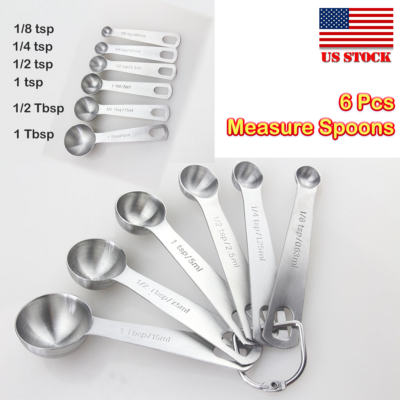
Standard measuring spoon sets rarely include a 1/8 tablespoon size. But you can use a 1/2 teaspoon spoon since 1/8 tablespoon equals 1.5 teaspoons. Filling a 1/2 teaspoon three times gives you the precise amount.
Some specialty sets offer 1/8 tablespoon spoons, but they are uncommon. Using familiar spoons like teaspoons keeps things simple and accurate. Have you ever tried eyeballing small measurements? It rarely works well.
Kitchen Scales
Kitchen scales offer precision, especially for small quantities. If your scale measures in grams, note that 1/8 tablespoon of most dry ingredients weighs around 1.9 grams. Weighing can be faster and cleaner than spoon measuring.
Scales eliminate the need to convert between spoons and teaspoons. They also reduce packing errors from scooping ingredients. Do you own a scale that measures grams and ounces? It might become your best baking tool.
Alternative Tools
If you lack proper spoons or scales, try using a syringe or dropper for liquid ingredients. They allow precise control over small volumes. For powders, a pinch or a small scoop from a spice jar might work in a pinch, but it’s less exact.
Another option is using a medicine measuring cup or spoon. These often show small increments clearly. Have you ever improvised with household items to measure ingredients? Sometimes, simple tools can surprise you with their accuracy.
Simple Methods To Measure 1/8 Tablespoon
Measuring 1/8 tablespoon might seem tricky since it’s such a small amount. However, you don’t need special tools to get it right. Here are simple ways to measure 1/8 tablespoon using common kitchen items or basic conversions.
Using A 1 Tablespoon Spoon
If you have a 1 tablespoon measuring spoon, you can easily estimate 1/8 tablespoon by filling it just one-eighth full. This means filling the spoon about halfway between the 1/4 and 1/8 mark, which takes a bit of a steady hand and a good eye.
To make it easier, try leveling the spoon with a knife and then visually dividing the contents into eight equal parts. Practicing this a few times helps you get a feel for the right amount without needing exact tools.
Converting To Teaspoons
Did you know 1 tablespoon equals 3 teaspoons? So, 1/8 tablespoon is the same as 3/8 teaspoon, or 0.375 teaspoons. Since most measuring spoons come in 1/4 and 1/2 teaspoon sizes, you can combine these to get close.
- Use 1/4 teaspoon plus about half of a 1/4 teaspoon (which is 1/8 teaspoon) to reach 3/8 teaspoon.
- If you don’t have a 1/8 teaspoon, try filling a 1/4 teaspoon halfway.
Does your spice measuring set include smaller sizes? If not, this simple trick can save you from hunting down rare spoons.
Using Kitchen Scale
For the most precise measurement, a kitchen scale is your best friend. Since 1 tablespoon of a dry ingredient like flour or sugar weighs about 12.5 grams, 1/8 tablespoon would be roughly 1.56 grams.
Place a small bowl on your scale, zero it out, then slowly add your ingredient until it reaches this weight. This method removes guesswork and works well if you measure often or want consistent results in baking.

Credit: www.amazon.com
Tips For Consistent Results
Getting a consistent measurement of 1/8 tablespoon can be tricky, but small adjustments make a big difference. Paying attention to how you handle ingredients ensures your recipes turn out just right every time. Let’s dive into practical tips that help you measure this tiny amount accurately.
Leveling Off Ingredients
Always level off your ingredient after scooping to avoid packing too much into the spoon. Use the flat edge of a knife or a straight spatula to gently scrape the excess. This simple step prevents over-measuring, especially with powders like baking soda or spices.
Think about the last time your dish tasted too salty or sweet—could it be from not leveling off your measurements? Getting into the habit of leveling helps you control flavors much better.
Adjusting For Different Ingredients
Not all ingredients behave the same in a tablespoon. For example, brown sugar tends to clump and pack down, so press lightly when measuring. On the other hand, powdered spices are loose and settle quickly, so scoop gently and level immediately.
Consider the texture and density of what you’re measuring. Should you scoop or spoon the ingredient into the measuring tool? Small changes here affect the final amount significantly.
Have you ever wondered why a recipe calls for a pinch or a dash instead of exact measurements? Understanding the nature of each ingredient helps you decide how precise you need to be.
Common Mistakes To Avoid
Measuring small quantities like 1/8 tablespoon can seem tricky. Many people make common mistakes that affect their recipes. Understanding these errors ensures your dishes turn out perfectly. Here are some common mistakes to avoid.
Estimating Instead Of Measuring
Many cooks guess small amounts like 1/8 tablespoon. Estimating leads to inaccurate results. Use proper tools for exact measurements. This keeps your recipe consistent every time.
Ignoring Ingredient Density
All ingredients have different densities. A tablespoon of flour weighs less than a tablespoon of honey. Ignoring density can change your recipe's outcome. Measure each ingredient accurately for better results.
When Precision Matters Most
When you need to measure 1/8 tablespoon, precision is not just a suggestion—it’s essential. Small amounts can drastically change the outcome of your recipe or mixture. Whether you’re baking, mixing drinks, or preparing medicinal recipes, knowing how to measure this tiny quantity accurately can save you from costly mistakes.
Baking
Baking is a science that demands exact measurements. A slight error in measuring 1/8 tablespoon of baking powder or spice can affect texture, rise, or flavor. Have you ever baked cookies that turned out too bitter or flat? That often comes down to small measurement errors.
Using a set of measuring spoons designed for fractional amounts helps. You can also level off the spoon with a knife to avoid over-packing. If you don’t have a spoon that measures 1/8 tablespoon, try converting it to teaspoons—1/8 tablespoon equals 1/2 teaspoon.
Cocktail Mixing
In cocktails, tiny amounts of ingredients like bitters or syrups can make or break the drink. Bartenders rely on precision to balance flavors perfectly. When you’re working with 1/8 tablespoon, consider using a dropper or a small measuring spoon.
Have you noticed how a few drops of bitters can completely change a classic cocktail? That’s why guessing can lead to inconsistent results. Measuring tools ensure your drinks taste the same every time you make them.
Medicinal Recipes
Medicinal recipes demand the highest level of accuracy. Whether you’re preparing herbal tinctures or dosing powders, 1/8 tablespoon can be a significant difference in effectiveness or safety. Are you aware that even a slight overdose or underdose can cause unwanted side effects?
Using a digital scale that measures in grams might be your best bet here, as it provides more precision than spoons. When spoons are necessary, double-check your conversions and measure carefully to maintain safety and efficacy.
Credit: www.ebay.com
Frequently Asked Questions
How Do I Measure 1/8 Tablespoon Without A Special Spoon?
You can use teaspoons to measure 1/8 tablespoon. Since 1 tablespoon equals 3 teaspoons, 1/8 tablespoon is 0. 375 teaspoons. Use a 1/4 teaspoon and fill it halfway for an accurate measurement.
Can I Use A 1/4 Teaspoon To Measure 1/8 Tablespoon?
Yes, a 1/4 teaspoon equals half of 1/8 tablespoon. Fill the 1/4 teaspoon halfway to measure 1/8 tablespoon precisely. This method is simple and effective for small quantity measurements.
Why Is Accurate Measurement Of 1/8 Tablespoon Important?
Accurate measurement ensures recipe consistency and taste. Small differences can affect baking results or seasoning balance. Using precise tools improves cooking outcomes and avoids overpowering flavors.
What Kitchen Tools Help Measure 1/8 Tablespoon?
Use measuring spoons with fractions like 1/4 teaspoon or adjustable spoons. Digital scales with gram conversion can also help. These tools provide precise measurements for small quantities.
Conclusion
Measuring 1/8 tablespoon is easier than it seems. Use common tools like teaspoons or a kitchen scale. Remember, 1/8 tablespoon equals 1. 5 teaspoons or about 4. 5 ml. Small amounts need careful measuring for best results. Practice helps improve accuracy over time.
This skill benefits cooking, baking, and more. Keep your tools clean and dry for precise measures. Try these tips in your next recipe. Cooking becomes more fun and less stressful this way. Simple steps lead to better dishes every time.