Have you ever needed to measure 1/5 teaspoon but found your measuring spoons just don’t go that small? It’s a tiny amount, but getting it right can make a big difference in your recipe’s taste or your DIY project’s success.
Don’t worry—you don’t need special tools or guesswork to nail this exact measurement. Keep reading, and you’ll discover simple, reliable methods to measure 1/5 teaspoon with what you already have. Your cooking and crafting will thank you!
Why Measure 1/5 Teaspoon Accurately
Measuring 1/5 teaspoon accurately matters in cooking and baking. Small amounts can change the flavor and texture of dishes. Precise measurement ensures the best results and consistency. Even tiny errors can affect taste or chemical reactions in recipes.
Impact On Recipe Results
A slight change in 1/5 teaspoon can alter the whole dish. Too much salt or spice can make food bitter or too strong. Too little baking powder or soda can stop cakes from rising. Accuracy helps maintain the intended flavor and texture. It also helps repeat recipes with the same success every time.
Common Measurement Challenges
Measuring 1/5 teaspoon is tricky because standard spoons don’t show this size. Eyeballing can cause mistakes. Using the wrong spoon size can lead to over or under-measuring. Some ingredients, like powders, can settle and compact, changing volume. Finding or making a 1/5 teaspoon measure or using a scale helps solve these problems.
Credit: www.walmart.com
Tools For Measuring Small Quantities
Measuring small quantities accurately can be tricky, especially when the amount is as specific as 1/5 teaspoon. Using the right tools is essential to avoid guesswork and ensure your recipe turns out just right. Let’s look at some practical tools that make measuring tiny amounts easier and more precise.
Standard Measuring Spoons
Standard measuring spoons are the most common tool found in kitchens. However, 1/5 teaspoon is not a typical size included in these sets. You can combine measurements—like using 1/4 teaspoon and removing a bit—to get close, but this often leads to inaccuracies.
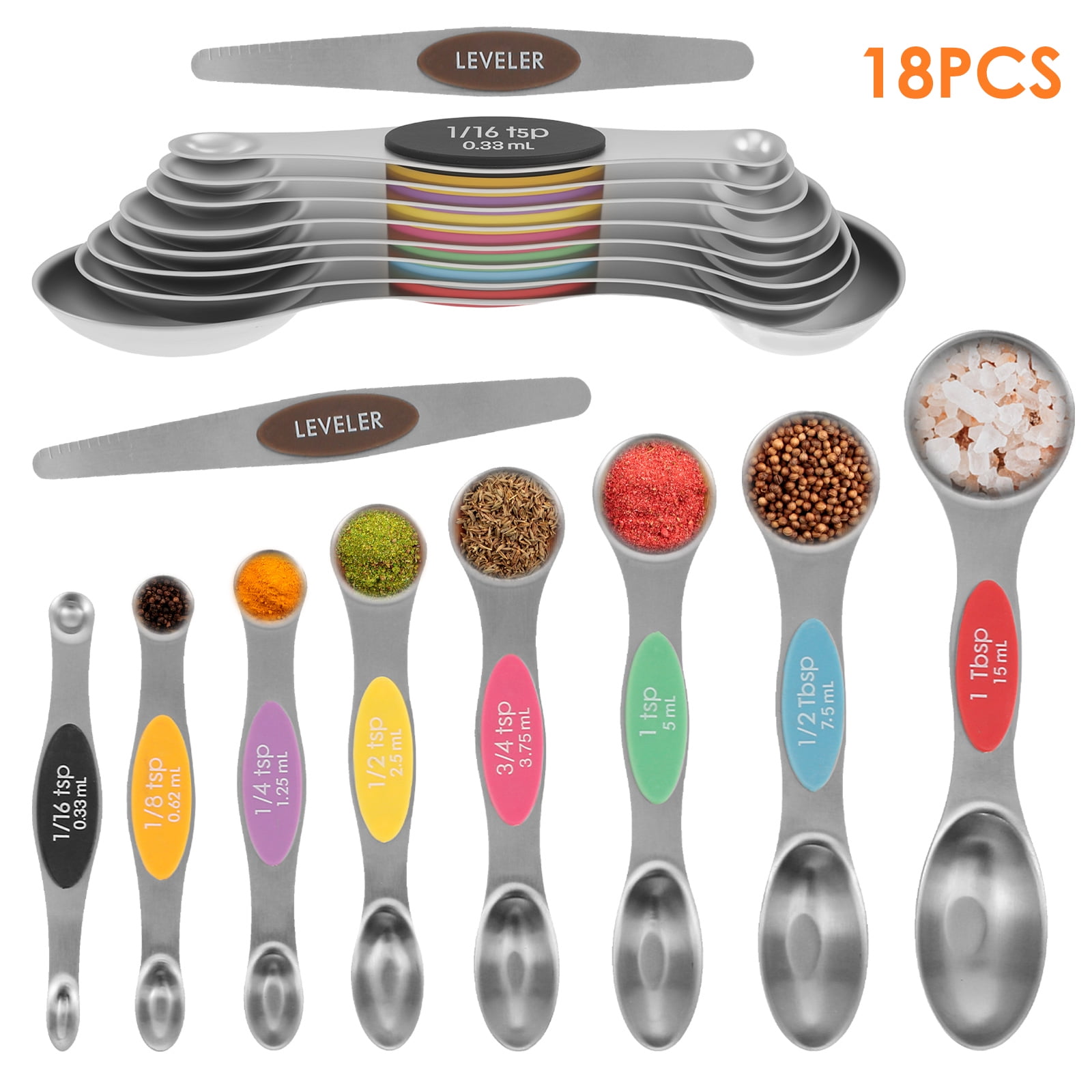
To get more exact results with spoons, you might want to invest in a set that includes smaller increments such as 1/8 or 1/16 teaspoon. These can help you approximate 1/5 teaspoon more reliably than guessing. Have you ever tried mixing smaller spoon measures to get an uncommon amount?
Precision Scales
Precision scales offer a high level of accuracy for measuring tiny amounts like 1/5 teaspoon. These digital scales can measure in grams or milligrams, which is ideal if you know the weight equivalent of your ingredient. For example, 1/5 teaspoon of salt weighs about 1 gram.
Using a precision scale removes the uncertainty of volume measurements. It’s especially useful for ingredients like baking powder or spices where even a slight difference affects the outcome. Do you have a scale in your kitchen, or is it time to add one to your tools?
Alternative Household Items
If you don’t have specialized tools, some household items can help with small measurements. A pinch, which is roughly 1/16 teaspoon, can be a starting point. Using a clean, level knife edge to scoop or level smaller amounts can improve accuracy.
Another tip is using medicine droppers for liquid ingredients—they can measure tiny, precise volumes. Just be sure to check the dropper’s volume markings. What everyday items have you used creatively to measure small amounts in your cooking?
Techniques To Measure 1/5 Teaspoon
Measuring 1/5 teaspoon can feel tricky without the right tools. Small amounts need careful techniques to get accuracy. Using simple kitchen items helps avoid guesswork. These easy ways make measuring precise and stress-free.
Using A 1 Teaspoon Spoon
A 1 teaspoon spoon is common in most kitchens. To measure 1/5 teaspoon, fill the spoon partially. Visualize dividing the teaspoon into five equal parts. Scoop enough to fill one part only.
This method works well for dry ingredients like spices. Use a knife or flat edge to level the spoon. Remove any extra to keep the amount exact.
Dividing Larger Measurements
Use larger measurements to find 1/5 teaspoon. For example, measure 1 teaspoon and divide it into five parts.
- Put 1 teaspoon on a flat surface.
- Use a small knife to divide it into five equal piles.
- Pick one pile for your 1/5 teaspoon.
This trick works for both powders and liquids. It helps when you lack tiny measuring spoons.
Leveling And Scooping Tips
Leveling is key for accurate measurement. Scoop ingredients gently to avoid packing them tightly. Use the back of a knife or a flat spatula to level off excess.
For sticky ingredients, lightly coat the spoon with oil or water. This prevents sticking and keeps the amount right.
Practice makes perfect. Measure carefully and adjust as needed for best results.
Diy Methods For 1/5 Teaspoon
Measuring 1/5 teaspoon can be tricky without a specialized tool. Many kitchens lack this exact measure. DIY methods help fill this gap with simple tricks. These approaches use common items and easy estimates. They allow accurate cooking without extra tools.
Marking A Spoon
Take a standard 1 teaspoon spoon. Use a permanent marker or tape. Divide the spoon into five equal parts visually. Mark the first fifth on the inside edge. Fill the spoon to this mark for 1/5 teaspoon.
This method works best with dry ingredients. Liquids may be harder to measure this way. The mark gives a clear guide for consistent amounts.
Using Pinches And Smidgens
A pinch is about 1/16 teaspoon. A smidgen is roughly 1/32 teaspoon. Two pinches equal close to 1/8 teaspoon. Add a little more than a pinch but less than two for 1/5 teaspoon.
- Use clean fingers to pick a pinch.
- Combine pinches and smidgens slowly.
- Adjust until the amount feels right.
This method suits small amounts of spices or powders. It is quick and requires no tools.
Estimating By Volume
Remember these volume equivalents:
| Measurement | Volume |
|---|---|
| 1 teaspoon | 5 milliliters (ml) |
| 1/5 teaspoon | 1 ml |
Use a syringe or dropper with ml marks. Draw 1 ml to get 1/5 teaspoon. Alternatively, use a measuring spoon set with ml units. Convert using this simple math.
Common Mistakes To Avoid
Measuring 1/5 teaspoon can be tricky and often leads to errors. Avoid guessing or using incorrect tools, which cause inaccurate amounts. Using a proper measuring spoon or dividing a 1-teaspoon measure carefully helps get the right quantity.
In the quest to measure 1/5 teaspoon accurately, certain pitfalls can lead to less than perfect results. Understanding these common mistakes can help ensure precision in your culinary adventures. Whether you're baking or crafting a delicate sauce, avoiding these errors will enhance your dish's flavor and texture.
Overpacking Ingredients
Many people make the mistake of overpacking ingredients into a teaspoon. This often results from pressing the ingredient down, trying to fit more than necessary. Instead, gently scoop the ingredient and level it off with a flat edge for precision.
Ignoring Ingredient Density
Ingredient density can significantly affect measurements. A teaspoon of flour weighs much less than a teaspoon of honey. Always consider the weight differences and adjust accordingly to maintain recipe integrity.
Inconsistent Measuring Methods
Switching between different measuring tools or methods can lead to inconsistent results. Stick to one reliable tool and method for measuring your 1/5 teaspoon. This consistency ensures that your recipes turn out the same way every time. Embrace these insights, and you'll find your dishes turning out just right. Have you ever found that a small measurement mistake made a big difference in your recipe?

Credit: littlesproutslearning.co
Tips For Consistent Accuracy
Getting the measurement of 1/5 teaspoon right every time can be tricky. Small errors add up, especially in baking or precise cooking. Here are some tips to help you keep your measurements consistent and accurate.
Calibrating Measuring Tools
Not all measuring spoons are created equal. Some sets might have slight variations that affect your measurement.
Test your spoons by weighing the ingredient they hold using a kitchen scale. For example, if your 1/5 teaspoon spoon holds 1 gram of salt, but the recipe calls for 1.2 grams, you know it’s slightly off.
Adjust your measurements accordingly or consider investing in a high-quality set designed for precision. Calibration ensures you trust your tools every time you cook or bake.
Measuring Dry Vs. Liquid Ingredients
Dry and liquid ingredients behave differently in measuring spoons. Dry ingredients like spices or baking powder should be leveled off with a flat edge.
Liquids, on the other hand, should be measured at eye level to avoid spills and inaccurate amounts. Pour slowly and place your spoon on a flat surface for the best result.
Have you noticed how a teaspoon of honey looks different than a teaspoon of salt? Paying attention to the ingredient’s texture and method helps maintain accuracy.
Storing And Handling Tools Properly
How you store your measuring spoons can impact their reliability. Keep them clean and dry to prevent residue buildup that changes volume.
Use a dedicated container or hook to avoid losing or mixing them with other kitchen tools. Worn or bent spoons should be replaced to maintain precise measurements.
Think about the last time you grabbed a sticky spoon—did it affect how much ingredient you used? Keeping your tools in good shape helps you avoid these hidden errors.

Credit: www.restaurantsupply.com
Frequently Asked Questions
How Do I Measure 1/5 Teaspoon Accurately?
To measure 1/5 teaspoon, use a 1/4 teaspoon and remove a small portion. Alternatively, mix 1 teaspoon with 5 equal parts and use one part. Precision tools or kitchen scales can also help achieve exact measurements.
Can I Use Common Spoons For 1/5 Teaspoon?
Common spoons are not precise for 1/5 teaspoon. Use measuring spoons designed for small quantities. Accuracy is key in baking and cooking, so invest in proper measuring tools to ensure correct ingredient amounts.
Is 1/5 Teaspoon Equal To 1 Ml?
No, 1/5 teaspoon is approximately 1 ml, but not exactly. One teaspoon equals 5 ml, so 1/5 teaspoon is close to 1 ml. For best results, use a kitchen scale or a calibrated measuring spoon.
What If I Don't Have A 1/5 Teaspoon Measure?
If you lack a 1/5 teaspoon, divide 1 teaspoon into five equal parts. You can eyeball smaller portions or use a 1/4 teaspoon and slightly reduce the amount for similar results.
Conclusion
Measuring 1/5 teaspoon can be simple with the right tools. Use a 1/4 teaspoon and remove a little for accuracy. Kitchen scales also help for precise amounts. Practicing this will improve your cooking and baking results. Small measurements matter in recipes.
Keep trying, and soon it will feel easy. Accurate measuring makes food taste better every time.