Have you ever found yourself stuck trying to measure 1/4 tablespoon for a recipe? It’s a tricky amount that doesn’t come with a standard measuring spoon, but getting it right can make all the difference in your cooking or baking.
You’ll discover simple and clever ways to measure 1/4 tablespoon accurately without guesswork. By the end, you’ll feel confident and ready to nail those precise measurements every time. Keep reading—you’re just a few easy steps away from mastering this little kitchen challenge!
Why Measure 1/4 Tablespoon
Measuring 1/4 tablespoon might seem like a tiny detail, but it can make a big difference in your cooking and baking. Precise measurements ensure your recipes turn out just right every time. Skipping or guessing this small amount can lead to unexpected flavors or textures.
Importance In Cooking And Baking
Small measurements like 1/4 tablespoon are crucial because they help balance flavors. Imagine adding too much salt or too little baking powder; the whole dish can be affected. Even a slight variation can change the outcome, especially in baking where chemistry matters.
Have you ever wondered why recipes specify such exact amounts? It’s because accuracy controls the final taste and texture. You want your dishes to be consistent and delicious, not a gamble each time you cook.
Common Recipes Requiring Small Measurements
Many recipes call for 1/4 tablespoon of ingredients like spices, extracts, or leavening agents. For example:
- Marinades often need precise amounts of garlic powder or paprika.
- Baked goods require exact baking soda or powder to rise properly.
- Salad dressings benefit from a specific dash of vinegar or mustard.
Paying attention to these tiny quantities can elevate your cooking from good to great. Next time you prepare a recipe, ask yourself: Have I measured this small amount correctly? Your taste buds will thank you.
Credit: www.recipesandplaces.com
Tools For Measuring Small Amounts
Measuring small amounts in the kitchen can be tricky, especially when precision matters. Having the right tools makes it easier to get the exact quantity you need without guesswork. Let’s look at some useful tools that help you measure 1/4 tablespoon accurately.
Measuring Spoons
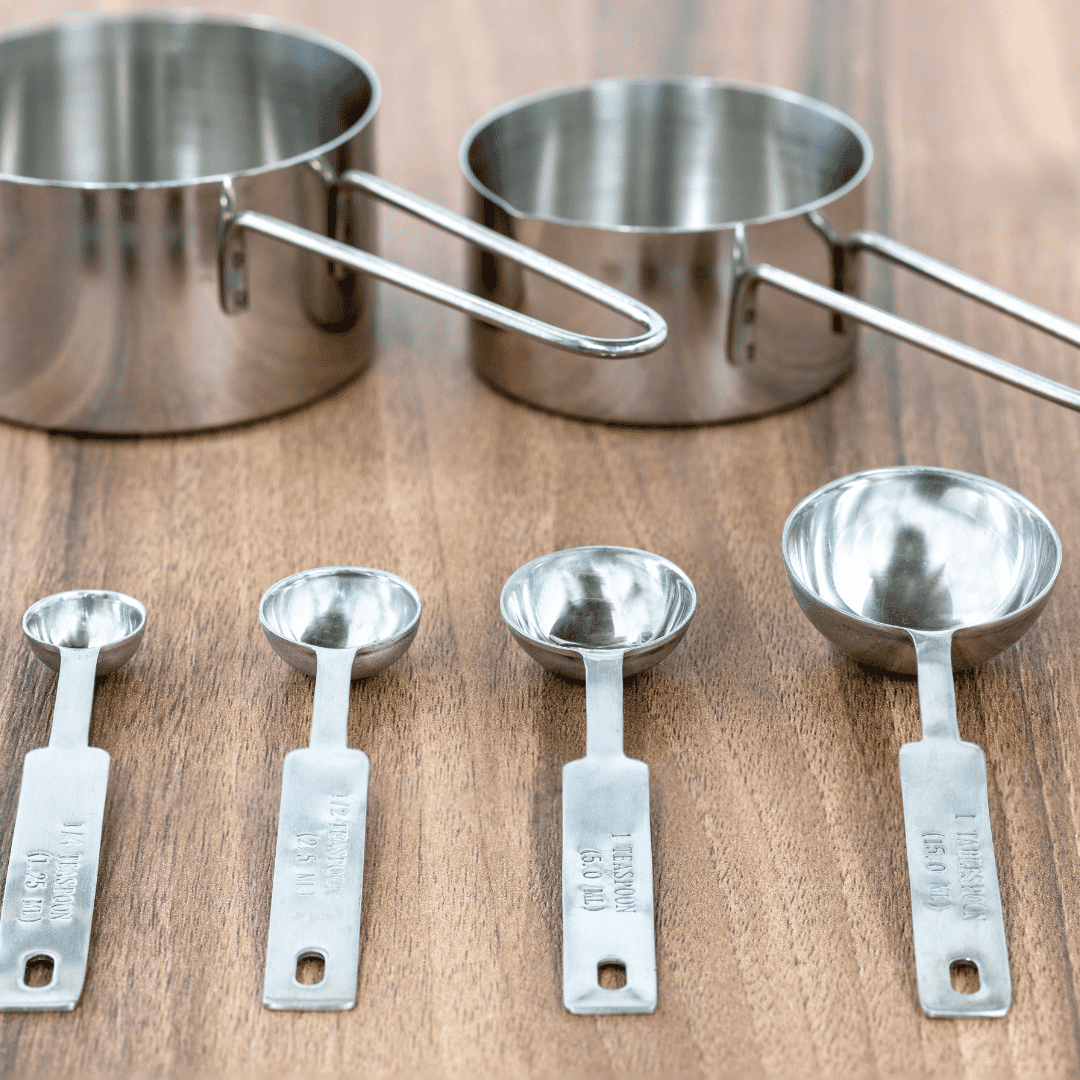
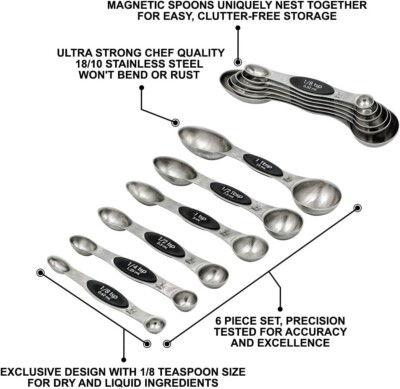
Measuring spoons are the most common and handy tool for small measurements. You can find sets that include a 1/4 tablespoon spoon, but if you don’t, two 1/8 tablespoon spoons work just as well.
Look for spoons made of stainless steel or durable plastic to ensure accuracy and longevity. Using measuring spoons also helps avoid messy spills compared to eyeballing amounts.
Kitchen Scales
If you want precise results, a kitchen scale is your best bet. Scales that measure in grams can easily convert 1/4 tablespoon based on the ingredient’s weight.
For example, 1/4 tablespoon of flour weighs about 2 grams, while 1/4 tablespoon of sugar weighs roughly 3 grams. Using a scale prevents inconsistency and improves your recipe’s outcome.
Alternative Household Items
Don’t have measuring spoons or a scale? No problem. You can use common items like the tip of a standard teaspoon or the edge of a butter knife to approximate small amounts.
Some people use the cap of a small bottle or the tip of their finger as a rough guide. While not exact, these can work in a pinch—just ask yourself how critical precision is for your recipe before relying on these methods.
Step-by-step Measuring Techniques
Measuring 1/4 tablespoon accurately is important for cooking and baking. Precise measurement ensures the right taste and texture. Follow simple steps to get it right every time.
Using A 1/4 Tablespoon Spoon
A 1/4 tablespoon spoon is the easiest way to measure this amount. Scoop the ingredient gently into the spoon. Level it off with a straight edge, like the back of a knife. Avoid packing the ingredient unless the recipe says so.
Estimating With Larger Spoons
If you do not have a 1/4 tablespoon spoon, use a larger spoon and divide visually. Half of a 1/2 tablespoon equals 1/4 tablespoon. Fill the 1/2 tablespoon halfway and level it carefully. Use a 1 tablespoon spoon and fill it one-fourth full for the same amount.
Converting To Teaspoons
Knowing conversions helps when spoons are missing. One tablespoon equals three teaspoons. Therefore, 1/4 tablespoon equals 3/4 teaspoon. Measure 3/4 teaspoon using a teaspoon measure or combine 1/2 teaspoon plus 1/4 teaspoon for accuracy.
Credit: www.ebay.com
Tips For Accuracy
Measuring 1/4 tablespoon accurately can be tricky without the right approach. Small errors can change the taste and texture of recipes. Focus on simple habits that improve precision. These tips help you get the exact amount every time.
Leveling Off Ingredients
Fill the tablespoon slightly over the mark. Use a straight edge like a butter knife. Gently scrape the excess off the top. This creates a flat, even surface. It prevents using too much ingredient. Always level off dry ingredients for best results.
Avoiding Packing Ingredients
Do not press ingredients down in the spoon. Ingredients like brown sugar or flour must stay loose. Pressing packs them tightly, adding more than needed. Scoop lightly and let excess fall off. This keeps measurements consistent and accurate.
Using Consistent Methods
Use the same spoon for all measurements. Stick to one technique for filling and leveling. Consistency reduces variation in your cooking. Measure ingredients at eye level to avoid mistakes. Repeat the same steps each time you cook.
Common Mistakes To Avoid
Measuring a 1/4 tablespoon may seem simple. Yet, common mistakes can happen. These errors can impact your recipe’s success. Understanding these pitfalls helps ensure accurate measurements. Let's explore some frequent mistakes and how to avoid them.
Overfilling Spoons
Overfilling spoons is a common mistake. It leads to incorrect measurements. Always level off ingredients with a straight edge. This ensures precision. Avoid packing ingredients tightly in the spoon. This can cause overfilling too. Keep it loose for dry ingredients.
Ignoring Ingredient Density
Not all ingredients weigh the same. Density affects measurement accuracy. Flour is lighter than sugar. Consider density for precise measurements. This helps maintain recipe balance. Adjust measurements based on ingredient type.
Not Adjusting For Liquid Vs Dry
Liquids and dry ingredients measure differently. Use specific tools for each. Liquid measuring cups differ from dry ones. This affects the result. Always use the right tool for each ingredient type. This prevents measurement errors.

Credit: www.amazon.com
When To Use Weight Instead Of Volume
Knowing when to use weight instead of volume can make a big difference in your cooking and baking results. Volume measurements like tablespoons are common, but they can be imprecise, especially for dry or sticky ingredients. Weight measurements offer accuracy that helps you get consistent outcomes every time.
Benefits Of Weight Measurements
Using weight eliminates guesswork. Unlike tablespoons, which can vary depending on how tightly you pack the ingredient, grams provide exact amounts.
This precision is crucial for baking, where even small differences affect texture and flavor. Have you ever wondered why your cookies turned out too dense or dry? Weighing ingredients might be the answer.
Weight measurements also make scaling recipes easier. You can double or halve a recipe without worrying about rounding errors. Plus, it’s faster once you get used to using a kitchen scale.
How To Convert Tablespoons To Grams
Converting tablespoons to grams isn’t straightforward because different ingredients have different densities. For example, 1 tablespoon of sugar weighs about 12.5 grams, but 1 tablespoon of butter weighs about 14 grams.
| Ingredient | 1 Tablespoon (g) | 1/4 Tablespoon (g) |
|---|---|---|
| Sugar | 12.5 | 3.1 |
| Butter | 14 | 3.5 |
| Flour | 8 | 2 |
You can find many online conversion charts or use a kitchen scale for best accuracy. Have you tried measuring ingredients by weight before? You might find it easier than you expected.
Frequently Asked Questions
How Do I Measure 1/4 Tablespoon Without A Measuring Spoon?
You can use 3/4 teaspoon to equal 1/4 tablespoon. Since 1 tablespoon equals 3 teaspoons, divide accordingly. This method offers an easy alternative when a 1/4 tablespoon measure is unavailable.
Can I Substitute 1/4 Tablespoon With Teaspoons?
Yes, 1/4 tablespoon equals 3/4 teaspoon. Use three-quarters of a teaspoon to replace 1/4 tablespoon in recipes. This substitution maintains accurate ingredient proportions for better cooking results.
Is 1/4 Tablespoon The Same As 0.75 Teaspoons?
Exactly, 1/4 tablespoon equals 0. 75 teaspoons. Converting tablespoons to teaspoons helps ensure precise measurements. This conversion is useful when only teaspoons are available.
What Kitchen Tools Help Measure 1/4 Tablespoon?
Use a 1/4 tablespoon measuring spoon or 3/4 teaspoon. Measuring spoons or adjustable digital scales provide accuracy. These tools make measuring small quantities easier and more reliable.
Conclusion
Measuring 1/4 tablespoon is easier than it seems. Use simple tools like teaspoons or measuring spoons to get close. Remember, accuracy matters in cooking and baking. Small changes can affect your recipe’s taste and texture. Practice this skill to improve your kitchen confidence.
Soon, measuring small amounts will feel natural and quick. Keep experimenting and enjoy your cooking journey.