Have you ever found yourself stuck in the kitchen, needing to measure 1 3/4 teaspoons but only having a 1/2 teaspoon at hand? It can feel frustrating when the tools you need aren’t available, but don’t worry—you can still get precise measurements with what you have.
This simple trick will save you time, prevent cooking mistakes, and help your recipes turn out perfectly every time. Keep reading to discover how to measure 1 3/4 teaspoons using just a 1/2 teaspoon—your cooking skills will thank you!

Credit: www.amazon.com
Tools Needed
Measuring small amounts of ingredients accurately can be tricky, especially when you don’t have the exact spoon size you need. Knowing what tools you have on hand can make this easier and help you avoid guesswork. Let’s look at what tools you’ll need to measure 1 3/4 teaspoons using a 1/2 teaspoon.
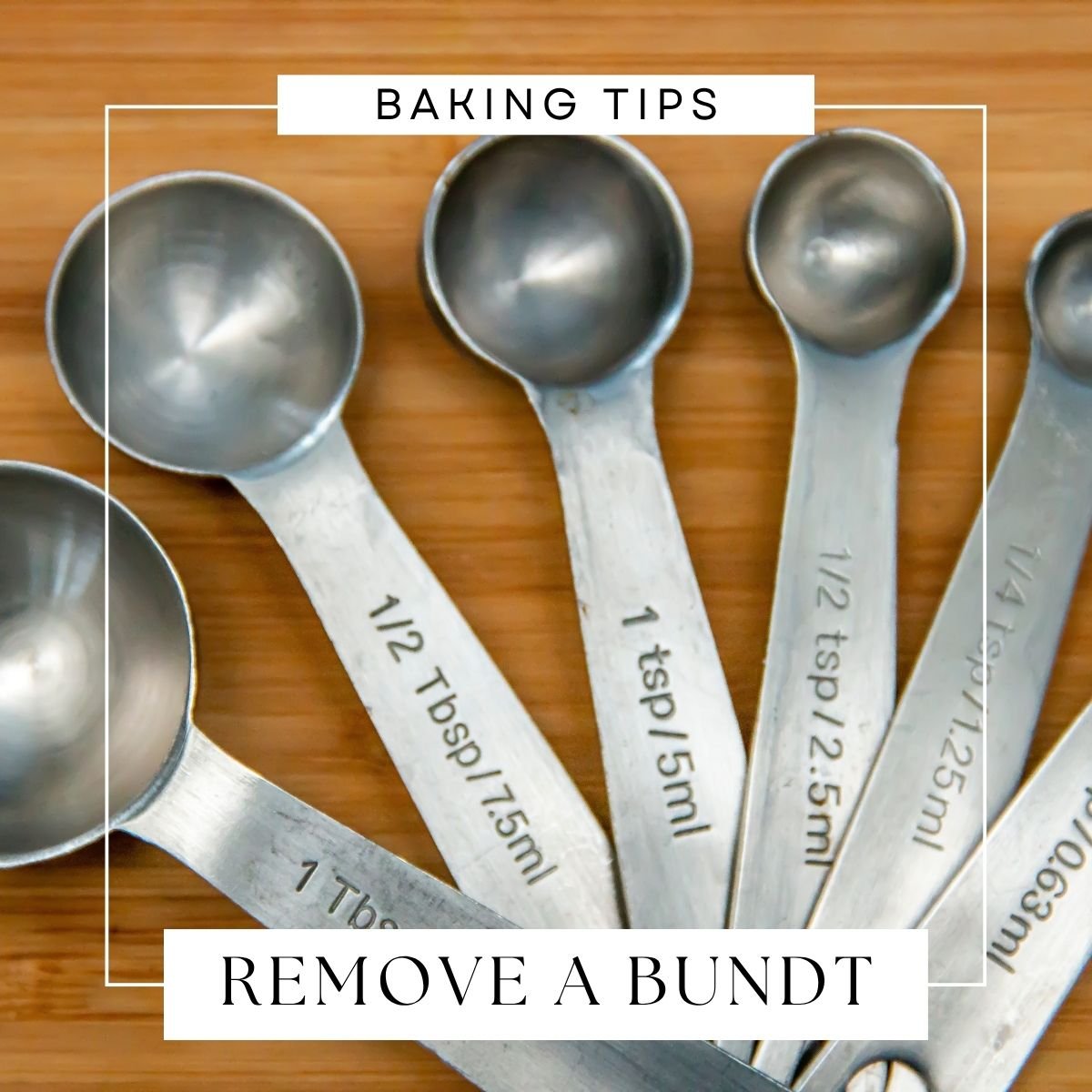
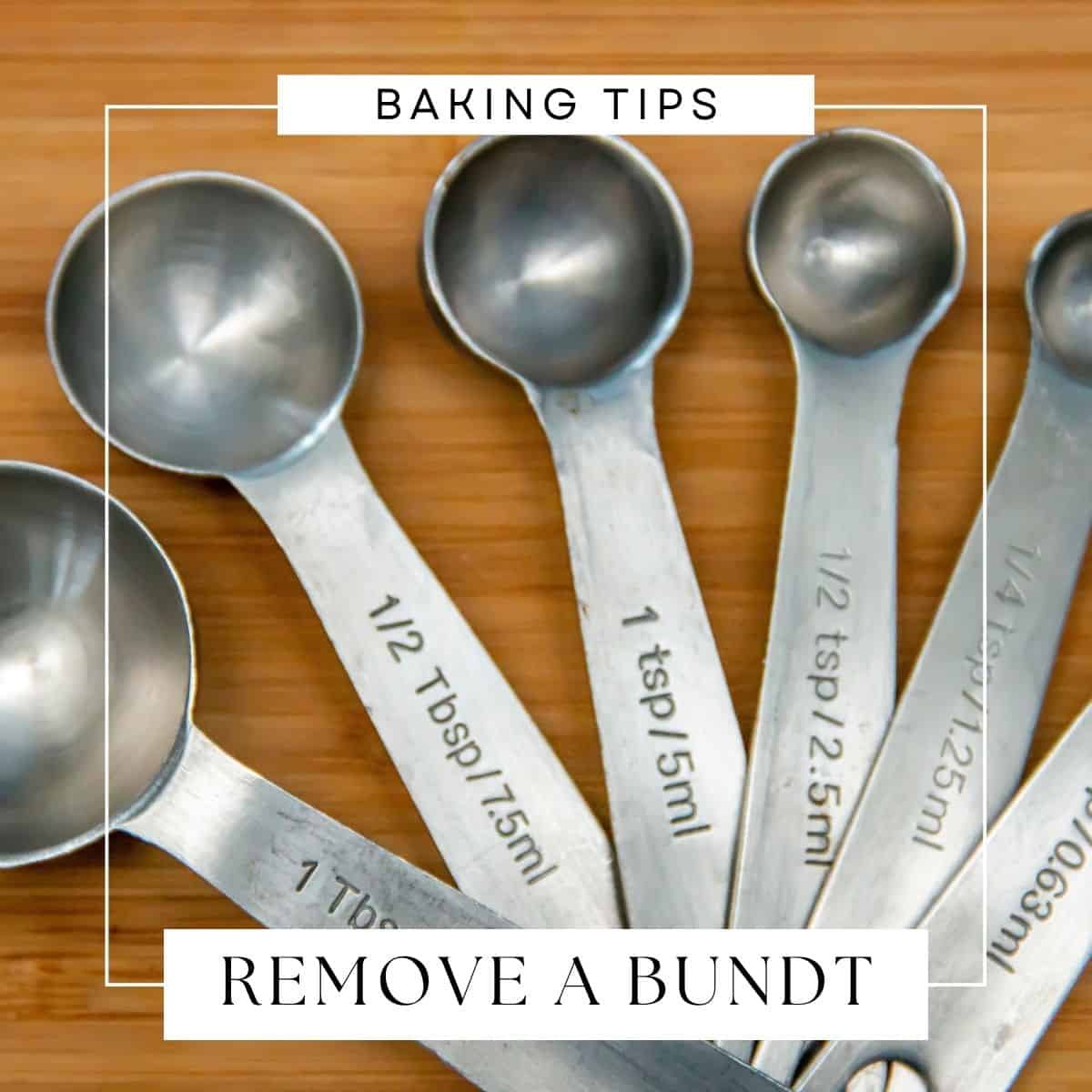
Common Measuring Spoons
Most kitchens come with a set of standard measuring spoons, usually ranging from 1/4 teaspoon to 1 tablespoon. These spoons are designed to give you precise measurements, which is crucial for baking and cooking. If you have a 1/2 teaspoon, you can use it multiple times to reach your desired amount.
- Use the 1/2 teaspoon three times for 1 1/2 teaspoons.
- Add half of a 1/2 teaspoon (which is 1/4 teaspoon) to get the extra 1/4 teaspoon.
- This totals 1 3/4 teaspoons using only your 1/2 teaspoon and 1/4 teaspoon.
Do you keep your measuring spoons organized? I found that having them on a ring helps speed up measuring and avoids frustration when you need to switch sizes quickly.
Alternative Kitchen Tools
Don’t have the right measuring spoons? You can use some common kitchen tools as alternatives. A standard kitchen teaspoon (the kind you eat with) holds about 1 teaspoon, so it’s useful for rough measurements.
- Fill the kitchen teaspoon once and add half of it again for 1 1/2 teaspoons.
- Then estimate half of that half teaspoon to reach 1 3/4 teaspoons.
- Using a digital kitchen scale can also help if it measures in grams or milliliters.
Have you tried using a kitchen scale for small measurements? It’s surprisingly accurate and can be a game-changer when you don’t have the exact spoon size. Experimenting with these tools can make your cooking more precise without buying extra equipment.
Basic Measurement Concepts
Understanding basic measurement concepts helps in accurate cooking and baking. Measuring spoons often come in common sizes like 1 teaspoon and 1/2 teaspoon. Knowing how to use these spoons to measure different amounts saves time and avoids mistakes. This section explains teaspoon fractions and how to convert between measurements.
Teaspoon Fractions Explained
Teaspoons are often divided into fractions for precise measurement. Common fractions include 1/2 teaspoon, 1/3 teaspoon, and 1/4 teaspoon. Each fraction represents a part of a whole teaspoon.
- 1 teaspoon = 3/3 teaspoons
- 1/2 teaspoon = 1.5/3 teaspoons
- 1/3 teaspoon = 1/3 teaspoon
Knowing these fractions helps combine or split measurements easily. For example, 1 3/4 teaspoons means one whole teaspoon plus three-quarters of a teaspoon.
Converting Between Measurements
To measure 1 3/4 teaspoons using a 1/2 teaspoon, convert the amount to halves. Multiply 1 3/4 teaspoons by 2 to find how many half teaspoons you need.
| Amount in Teaspoons | Equivalent in 1/2 Teaspoons |
|---|---|
| 1 3/4 teaspoons | 3.5 half teaspoons |
You can measure 3 full 1/2 teaspoons and then half of a 1/2 teaspoon (which is 1/4 teaspoon). This approach helps measure odd amounts using common spoons.
Step-by-step Measuring Guide
In the world of cooking and baking, precision is key. But what happens when your recipe calls for 1/3 teaspoon and you're left with only a 1/2 teaspoon measure? Don't worry, with a little creativity and some simple steps, you can still achieve the right amount. This guide will walk you through the process of measuring 1/3 teaspoon using a 1/2 teaspoon, ensuring your culinary creations turn out just right.
Measuring Half A Teaspoon
Begin by filling your 1/2 teaspoon to the brim. Make sure it's leveled off with a knife or a straight edge to ensure accuracy. This is your starting point.
You can repeat this step multiple times if your recipe requires multiple teaspoons. Keep track of how many times you fill it for larger measurements.
Combining Measurements
To approximate 1/3 teaspoon, you'll need to use less than a full 1/2 teaspoon. A quick calculation shows that 1/3 is two-thirds of 1/2. Therefore, you should aim to fill the 1/2 teaspoon about two-thirds of the way full.
Eyeballing might feel daunting, but with practice, you can achieve a close approximation. It’s a great skill to develop for those moments when you're missing the right measuring tool.
Adjusting For Accuracy
If you're unsure about your measurement, consider using a digital scale for precision. Weighing ingredients can provide that extra bit of accuracy, especially when baking.
Another option is to use trial and error. If your dish requires a delicate balance of flavors, test a small batch first. This way, you can adjust without compromising the entire recipe.
Have you ever been caught without the right measuring tool? How did you improvise? Share your experience in the comments below!
Tips For Precision
Getting the exact amount of an ingredient can change the outcome of your recipe. Precision is key, especially when you’re trying to measure 1 3/4 teaspoons using just a 1/2 teaspoon. Small mistakes add up quickly, so these tips will help you get it right every time.
Leveling Off Ingredients
Always fill your 1/2 teaspoon fully and then level it off with the flat edge of a knife. This removes extra ingredient that clings to the top, giving you a more accurate measurement.
Repeat this process three and a half times to reach 1 3/4 teaspoons. It might seem tedious, but leveling each scoop ensures consistency. Have you noticed how recipes taste different when you don’t level your spoons?
Using Scales For Better Results
Scales can be your best friend when precision matters. Many ingredients list weight equivalents, so you can measure by grams instead of volume.
If your recipe calls for 1 3/4 teaspoons of an ingredient, check its weight equivalent—say 8 grams—and weigh that amount. This method cuts down guesswork and speeds up your process.
Common Mistakes To Avoid
Measuring small amounts of ingredients can be tricky. Mistakes can change the taste or texture of your dish. Avoiding common errors helps you get accurate results. Here are two mistakes to watch out for when using a 1/2 teaspoon to measure 1/3 teaspoon.
Overpacking Ingredients
Filling the spoon beyond its edge is a common error. Overpacking adds more than the intended amount. This affects the balance of flavors or the recipe’s outcome. Always level off ingredients with a flat edge. Avoid pressing or packing down powders or spices.
Ignoring Measurement Differences
Assuming 1/2 teaspoon equals 1/3 teaspoon leads to errors. These measurements are not the same. One 1/2 teaspoon holds more than one 1/3 teaspoon. Use a method to adjust the amount properly. For example, fill the 1/2 teaspoon only two-thirds full. This keeps the measurement close to 1/3 teaspoon.

Credit: www.amazon.com
Practical Uses
Knowing how to measure 1 3 teaspoon using a 1/2 teaspoon is helpful in many kitchen tasks. It ensures accuracy without extra tools. This skill saves time and reduces waste. It also improves recipe results by keeping ingredient amounts precise.
Cooking And Baking Applications
Precise measurements affect taste and texture in cooking and baking. Small differences in spices, baking powder, or salt can change the final dish. Using a 1/2 teaspoon to measure 1 3 teaspoon helps achieve the right balance.
For example, to measure 1 3 teaspoon, fill the 1/2 teaspoon and then estimate two-thirds of it. This method works well for dry and liquid ingredients. It keeps your recipes consistent and your dishes delicious.
Adjusting Recipes
Recipe adjustments need careful measurement to keep flavors balanced. When scaling recipes up or down, measuring partial teaspoons is common. Using a 1/2 teaspoon to measure 1 3 teaspoon helps maintain accuracy.
This technique allows easy changes without new measuring tools. It is ideal for small quantity recipes or when ingredients are limited. Accurate measuring keeps your food tasting just right every time.
Credit: mysweetprecision.com
Frequently Asked Questions
How Can I Measure 1 3/4 Teaspoons Accurately?
Use a 1/2 teaspoon measure three times plus a 1/4 teaspoon once. This totals 1 3/4 teaspoons perfectly and is easy to do.
What If I Only Have A 1/2 Teaspoon Measure?
Measure 1 3/4 teaspoons by filling the 1/2 teaspoon three times and adding half of it once. This equals 1 3/4 teaspoons accurately.
Is There A Simple Way To Convert Teaspoons Using 1/2 Teaspoon?
Yes, multiply the number of full 1/2 teaspoons needed, then add a smaller fraction. For 1 3/4 teaspoons, use three 1/2 teaspoons plus a 1/4 teaspoon.
Can I Estimate 1 3/4 Teaspoons Without Exact Tools?
Estimating is possible but less accurate. Use three full 1/2 teaspoons and roughly half of one more 1/2 teaspoon for close measurement.
Conclusion
Measuring 1 3 teaspoon with a 1/2 teaspoon is simple and quick. Just use the 1/2 teaspoon twice, then add a little less than half again. This method saves you from guessing or buying special tools. It works well in most recipes.
Now, you can measure small amounts easily and cook with more confidence. Keep practicing, and it will become second nature. Cooking becomes more fun when you measure right every time.