Measuring ingredients accurately can make all the difference in your cooking and baking. But what if your recipe calls for 1 1/2 teaspoons and you don’t have the right measuring spoon?
You might feel unsure or frustrated, wondering how to get it just right. Don’t worry—this guide will show you simple, foolproof ways to measure 1 1/2 teaspoons every time. Keep reading, and you’ll never have to guess again. Your dishes will turn out perfect, and your confidence in the kitchen will soar.
Common Measuring Tools
Measuring ingredients accurately is key to good cooking and baking. Common measuring tools help you get the right amount every time. These tools are easy to find and use in most kitchens. Knowing how to measure 1 1/2 teaspoons with these tools makes recipes simple to follow.
Teaspoon And Tablespoon Sets
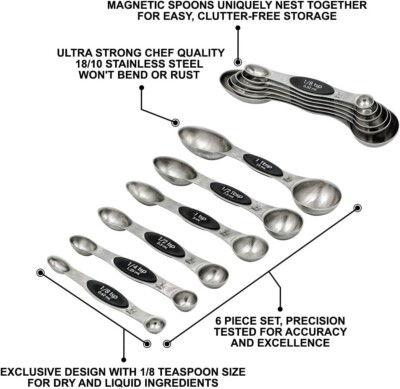
Teaspoon and tablespoon sets are the most common tools for measuring small amounts. These sets usually include 1/4, 1/2, 1 teaspoon, and 1 tablespoon sizes. To measure 1 1/2 teaspoons, you can use a 1 teaspoon and a 1/2 teaspoon from the set. These spoons are designed to hold exact amounts, so you do not guess. Most sets are made of metal or plastic and are easy to clean.
Measuring Spoons With Markings
Measuring spoons with markings show different measurements on the same spoon. They have lines for 1/4, 1/2, 1 teaspoon, and sometimes more. This tool saves space and helps measure quickly. To measure 1 1/2 teaspoons, fill up to the 1 teaspoon line, then add more to the 1/2 teaspoon line. These spoons are handy for small kitchens or simple cooking tasks.
Kitchen Scales
Kitchen scales measure ingredients by weight, not volume. This method is very precise and useful for baking. Some recipes list teaspoons in grams, so scales help here. For example, 1 teaspoon of salt weighs about 5 grams, so 1 1/2 teaspoons would be 7.5 grams. Digital kitchen scales show exact weight and help avoid mistakes. Scales are great for dry ingredients and improve recipe results.

Credit: www.amazon.com
Simple Measurement Methods
Measuring 1 1/2 teaspoons is simple with basic kitchen tools. Many recipes need this exact amount for the perfect taste. Using easy methods saves time and avoids mistakes.
Using One Teaspoon And Half A Teaspoon
Grab a standard teaspoon and a half teaspoon measure. Fill the one teaspoon fully. Then fill the half teaspoon for the extra half portion.
Combine both in your mixing bowl. This method ensures accuracy without guesswork. It works well for spices, baking powder, and other small ingredients.
Doubling And Halving Techniques
Double a 3/4 teaspoon to get 1 1/2 teaspoons. Or halve 3 teaspoons for the same amount.
- Use a 3/4 teaspoon measure twice.
- Fill a 1 teaspoon measure and add half of it again.
- Fill a 1 tablespoon measure halfway (1 tablespoon = 3 teaspoons).
These tricks help if you lack a half teaspoon tool. They keep your recipe balanced and easy to follow.
Tips For Accuracy
Measuring 1 1/2 teaspoons accurately can make a big difference in your cooking or baking results. Small mistakes can change the texture, flavor, or consistency of your dish. These tips will help you get precise measurements every time, so you can trust your recipe and avoid guesswork.
Leveling Off Measurements
After scooping your ingredient, use a flat edge like the back of a knife or a spatula to level it off. This removes any excess that can throw off your measurement. Have you ever noticed how a heaping teaspoon can add too much salt or spice? Leveling ensures you use exactly 1 1/2 teaspoons, not more.
Avoiding Packed Ingredients
Some ingredients, like brown sugar or cocoa powder, tend to pack down when scooped. Don’t press or shake the spoon to pack the ingredient tightly unless the recipe specifically says so. Lightly spoon the ingredient into the measuring spoon and then level it off for accuracy.
Think about how dense your ingredient feels. Would pressing it change the amount drastically? Keeping it loose usually gives you a better measure.
Using Liquid Vs Dry Measuring Spoons
Dry measuring spoons are designed to be filled and leveled off, perfect for powders and granules. Liquid measuring spoons often have a spout and are meant to be filled to the brim without leveling.
Using the right type of spoon matters. If you try to measure liquid with a dry spoon, you might spill or get an inaccurate amount. For 1 1/2 teaspoons of liquid, fill the liquid measuring spoon to the exact line.
Credit: www.ebay.com
Alternatives When Measuring Spoons Are Unavailable
Use a regular teaspoon and a half teaspoon to measure 1 1/2 teaspoons. Alternatively, fill a tablespoon halfway, as one tablespoon equals three teaspoons. Small kitchen items like bottle caps can also help estimate this amount.
In the hustle and bustle of everyday cooking, finding yourself without a measuring spoon can be a common occurrence. Maybe your teaspoon is missing, or perhaps it’s buried in the dishwasher's cycle. Whatever the reason, not having the exact tool shouldn’t stop you from creating a delicious dish. Thankfully, with a little creativity and some household items, you can measure 1 1/2 teaspoons effectively. Here’s how you can use what's readily available in your kitchen to save the day.
Household Items As References
Look around your kitchen; it’s filled with potential substitutes for measuring spoons. One of the most convenient options is using the cap of a standard bottle like vanilla extract. These caps often hold around one teaspoon, so using one and a half caps can give you the measurement you need. Another option is a medicine cup often found with liquid medications. These cups usually have various measurements marked on them, making them a handy tool for precise cooking. If you have one, check the markings and pour to the 1 1/2 teaspoon line. Milk caps or bottle caps can also come in handy. Typically, they hold about one teaspoon. Filling and then slightly overfilling one can approximate 1 1/2 teaspoons. This is a great trick that has saved many a hurried cook from kitchen chaos.
Estimating With Common Utensils
Your regular dinnerware can also be a surprising ally when measuring ingredients. A regular dining spoon, the kind you use for soup, can hold about 1 1/2 teaspoons when filled halfway. While not perfect, it's a quick fix when precision isn’t critical. Consider using a coffee scoop if you have one lying around. They usually measure about 1 tablespoon, which equals 3 teaspoons. Half of that will give you roughly 1 1/2 teaspoons, helping you stay on track with your recipe. Sometimes, going by feel is necessary. Think about how many grains of salt or sugar fit into a teaspoon. Estimate using your fingers or the palm of your hand. While this requires some practice, it’s a skill that can enhance your intuitive cooking over time. Are there any other items in your kitchen that could serve as a makeshift measuring tool? Challenge yourself to think creatively, and you'll find that cooking without the 'proper' tools can be an exciting culinary adventure.
Common Mistakes To Avoid
Measuring 1 1/2 teaspoons might seem simple, but many make common mistakes. These errors can affect your recipe’s taste and texture. Knowing what to avoid helps you get accurate measurements every time. Below are some typical pitfalls and how to steer clear of them.
Overfilling Spoons
Many people scoop too much into the spoon. Heaping spoons add extra ingredients and throw off balance. Fill the spoon gently and level it with a flat edge. This keeps the measurement precise and consistent.
Misreading Measurements
Confusing 1 teaspoon with 1 1/2 teaspoons is common. Use spoons labeled clearly to avoid mix-ups. Double-check the spoon size before measuring. This prevents adding too little or too much.
Ignoring Ingredient Density
Not all ingredients pack the same weight in a teaspoon. For example, 1 1/2 teaspoons of sugar weighs less than 1 1/2 teaspoons of baking powder. Consider ingredient texture and density when measuring. This helps maintain the right recipe balance.

Credit: littlesproutslearning.co
Frequently Asked Questions
How Do I Measure 1 1/2 Teaspoons Accurately?
Use a 1/2 teaspoon measuring spoon three times to equal 1 1/2 teaspoons. Level off each scoop for precision.
Can I Substitute Tablespoons For 1 1/2 Teaspoons?
Yes, 1 1/2 teaspoons equal 1/2 tablespoon. Use half a tablespoon for an easy substitute.
What If I Don’t Have A 1/2 Teaspoon Measure?
Combine one teaspoon and one 1/2 teaspoon spoonful. This equals 1 1/2 teaspoons precisely.
Is 1 1/2 Teaspoons The Same As 0.5 Tablespoons?
Yes, 1 1/2 teaspoons equals 0. 5 tablespoons. Use this conversion for quick measuring.
Conclusion
Measuring 1 1/2 teaspoons is simple and quick. Use a standard teaspoon or a measuring spoon set. Level off the spoon for accuracy. You can also use kitchen tools like a scale for exactness. Knowing this small skill helps in cooking and baking.
It saves time and avoids mistakes. Practice a few times to feel confident. Soon, measuring will become second nature. Cooking becomes easier with these small tips. Keep your kitchen tools handy and enjoy your recipes!