Are you tired of soggy salads that lose their crunch by lunchtime? Imagine having fresh, delicious salads ready to grab and go, saving you time and stress every day.
Meal prepping salads might sound tricky, but with the right tips, you can keep them crisp and tasty for days. You’ll discover simple, effective ways to prep your salads and enjoy freshness that lasts. Keep reading, and you’ll never dread salad prep again.

Credit: premeditatedleftovers.com
Choosing Salad Ingredients
Choosing the right ingredients for your salad is key to keeping it fresh and tasty throughout the week. The freshness of your salad depends heavily on what you pick and how you prepare these ingredients. Think about how each item will hold up over time and how well they mix together.
Best Greens For Meal Prep
Not all greens are created equal when it comes to meal prep. Some wilt quickly, while others stay crisp for days. Opt for hardy greens like kale, spinach, and romaine lettuce, which tend to last longer in the fridge.
Baby spinach is tender but can turn slimy fast. Kale is tougher but holds texture well, even after a few days. Have you noticed how romaine stays crunchy compared to softer greens? That’s why it’s a go-to for prepping salads in advance.
Selecting Fresh Vegetables
Choose vegetables that maintain their crunch and moisture. Carrots, cucumbers, bell peppers, and radishes are excellent choices because they don’t release much water. This helps prevent your salad from becoming soggy.
Store cut veggies separately in airtight containers or zip-lock bags with a paper towel to absorb excess moisture. Have you tried keeping tomatoes whole until serving? They tend to make salads watery if chopped too early.
Incorporating Proteins And Grains
Adding proteins and grains makes your salad more filling and balanced. Chicken breast, boiled eggs, chickpeas, or tofu are great protein options that stay good in the fridge for several days. Quinoa, farro, or brown rice are sturdy grains that won’t get mushy easily.
Cook grains al dente to avoid a mushy texture by the time you eat your salad. Storing proteins separately until serving also keeps everything tasting fresh. What’s your favorite protein to add that holds up well during the week?
Prepping Ingredients For Longevity
Preparing salad ingredients for longevity is key to enjoying fresh meals throughout the week. Proper preparation stops greens and other items from wilting or spoiling fast. This process saves time and reduces food waste.
Careful washing, chopping, and storing keep each ingredient crisp and tasty. Small steps in prepping make a big difference in how long salads stay fresh.
Washing And Drying Greens Properly
Start by rinsing greens under cold water to remove dirt and bacteria. Avoid soaking them too long to keep nutrients intact. Use a salad spinner to dry leaves thoroughly. Excess water causes sogginess and speeds up spoilage. If no spinner is available, pat leaves dry with clean towels. Completely dry greens last longer and stay crisp.
Chopping Techniques To Maintain Freshness
Cut greens and vegetables just before storing to prevent browning. Use a sharp knife to make clean cuts that reduce bruising. Chop ingredients into bite-sized pieces for easy eating. Avoid crushing or tearing leaves, which damages cells and causes wilting. Keep delicate herbs whole or lightly chopped to preserve flavor.
Storing Ingredients Separately
Store each salad component in its own airtight container or bag. Keep greens, vegetables, proteins, and dressings apart. Separate storage prevents moisture transfer and mixing of flavors. Use paper towels inside containers to absorb extra moisture. This simple trick keeps ingredients dry and fresh longer. Label containers with dates to track freshness.
Assembling Salads For Meal Prep
Assembling salads for meal prep requires planning to keep ingredients fresh and tasty. Proper assembly protects delicate greens from sogginess. It also helps maintain the crunch and flavor of every bite. Using the right techniques makes salads ready to eat anytime without losing quality.
Layering For Maximum Freshness
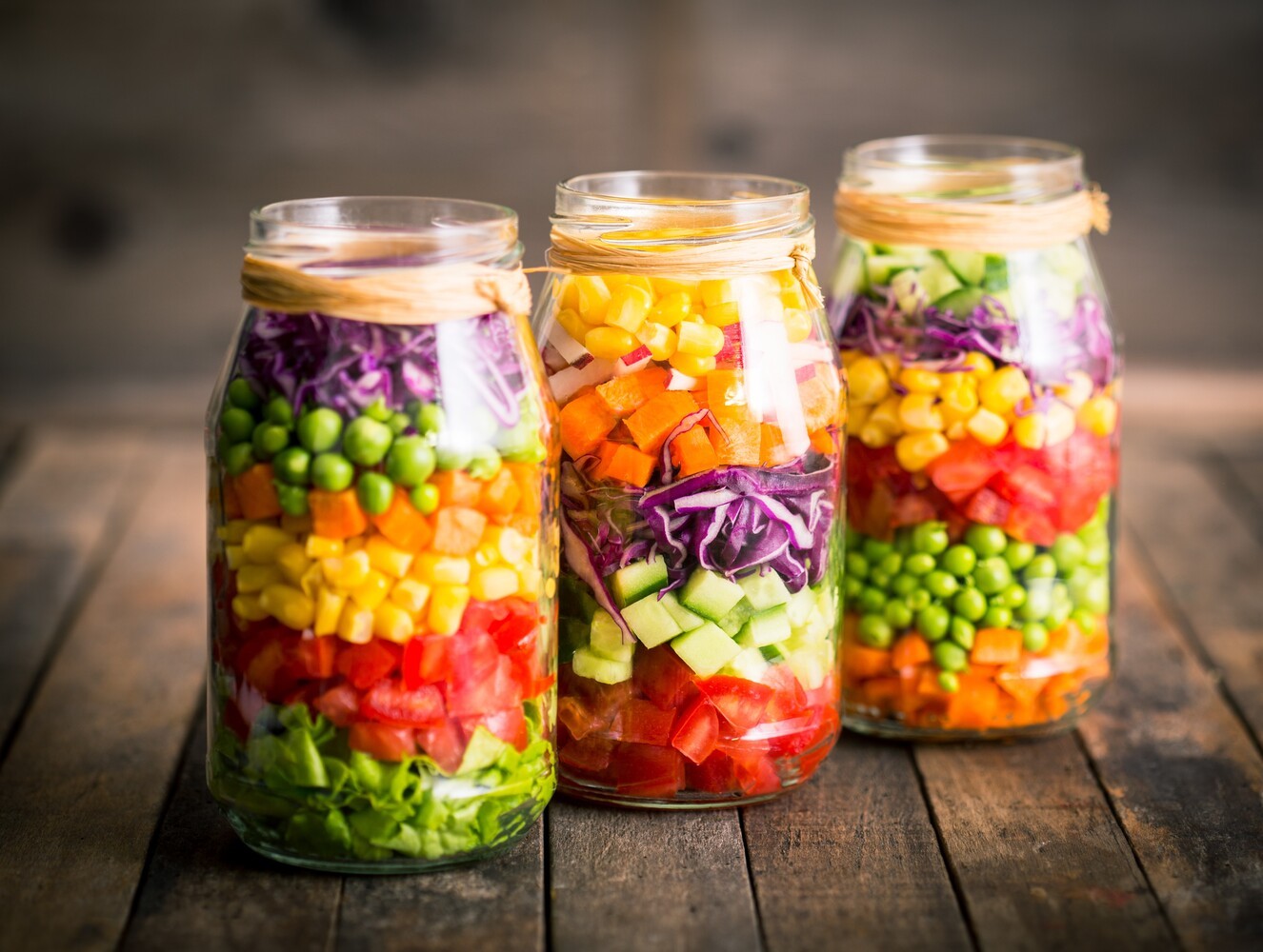
Start with the heaviest and wettest ingredients at the bottom. This includes dressings, tomatoes, cucumbers, and other juicy items. Next, add grains, beans, or proteins to create a barrier. Place lettuce and other leafy greens at the top to avoid wilting. Keep nuts, seeds, and crunchy toppings last, separated from wet layers. This layering method slows down moisture transfer and keeps greens crisp.
Using Containers That Preserve Crispness
Choose airtight containers to keep air out and freshness in. Glass containers with tight lids work best for salads. Avoid containers that trap moisture inside. Consider containers with compartments or inserts to separate wet and dry ingredients. Using containers with good seals helps maintain texture and flavor longer.
Portioning For Convenience
Divide salads into single-serving containers for easy grab-and-go meals. Portion control helps prevent overeating and food waste. Label each container with the date to track freshness. Prepare dressings separately and add just before eating. Pre-portioned salads save time and keep ingredients fresh until mealtime.
Keeping Dressings Fresh And Separate
Keep dressings in small containers apart from salad ingredients to avoid sogginess. Pour dressings just before eating to keep salads crisp and fresh. This simple step extends the salad’s shelf life and enhances flavor.
Keeping dressings fresh and separate from your salads is crucial for maintaining their flavor and texture. No one enjoys a soggy salad, and understanding how to properly handle dressings can make all the difference. By following a few simple tips, you can ensure your salads remain crisp and delicious throughout the week.
Choosing The Right Dressings
Opt for dressings that complement the ingredients in your salad. Light vinaigrettes pair well with leafy greens, while creamier dressings suit heartier ingredients like pasta or grains. Experiment with different flavors to find your favorite combinations.
Storage Tips For Dressings
Store dressings in small, airtight containers. This prevents them from spilling and keeps them fresh longer. Consider using reusable silicone containers or small glass jars—they're eco-friendly and reliable.
When And How To Add Dressings
Add your dressing right before you're ready to eat. This keeps your salad ingredients crisp and flavorful. Simply pour the dressing over the salad and toss to coat evenly, ensuring every bite is deliciously dressed.
Storage Tips To Extend Salad Life
Keeping your prepped salads fresh can feel like a challenge, but the right storage techniques make all the difference. Proper storage not only preserves the crunch and flavor but also prevents spoilage, saving you time and money. Here’s how you can extend the life of your salads with smart storage choices.
Optimal Refrigerator Settings
Your refrigerator temperature plays a key role in keeping salads fresh. Aim to keep your fridge between 34°F and 40°F (1°C to 4°C). Temperatures outside this range can cause leafy greens to wilt or freeze, damaging their texture.
Also, consider placing your salads in the crisper drawer. This area maintains higher humidity, which helps prevent greens from drying out. Have you checked your fridge thermometer lately? Small temperature tweaks can make a big difference.
Using Airtight Containers
Airtight containers are your best friend for salad storage. They block air exposure that causes veggies to spoil or go limp. Choose containers made of glass or BPA-free plastic with tight-fitting lids to keep moisture and odors out.
Layer your salad ingredients wisely inside the container. Keep wet items like tomatoes or dressings separate until serving to avoid sogginess. Have you tried using small containers or salad dressing cups for this purpose? It’s a simple trick that really works.
Avoiding Common Storage Mistakes
Many people make the mistake of washing salad greens before storage, which can speed up spoilage. Instead, wait to wash your greens until you’re ready to eat or dry them thoroughly if you wash them in advance.
Another common error is overpacking containers. Crowding leaves traps moisture and bruises the salad, leading to faster decay. Do you find yourself piling too much into one container? Try dividing your salad into smaller portions for longer freshness.
Credit: www.berrystreet.co
Reviving Meal Prepped Salads
Meal prepped salads sometimes lose their freshness after a few days. Leaves may wilt, and textures can become soggy. Reviving these salads before eating helps bring back their original taste and crunch. Simple tricks can make your salad enjoyable again without wasting food.
Refreshing Wilted Greens
Wilted greens can become crisp again with cold water. Soak the leaves in ice water for 10 to 15 minutes. This helps the cells absorb water and regain firmness. After soaking, dry the leaves gently using a salad spinner or paper towels. Avoid bruising the leaves to keep them fresh longer.
Adding Crunch Back
Crunchy ingredients often lose their texture over time. Reintroduce crunch by adding fresh toppings before eating. Nuts, seeds, or croutons work well. Thinly sliced raw vegetables like carrots or cucumbers add a fresh bite. Keep these ingredients separate until serving to maintain their crispness.
Enhancing Flavors Before Eating
Salads may taste dull after storing. Brighten flavors by adding a squeeze of lemon or a splash of vinegar. Fresh herbs like parsley or basil bring lively notes. A drizzle of olive oil or a pinch of salt can also improve taste. Toss everything gently to mix flavors evenly.
Time-saving Tools And Hacks
Saving time while prepping salads can make healthy eating much easier to maintain. The right tools and smart hacks can cut your workload drastically. Let’s look at some practical ways to speed up your salad prep without compromising freshness or flavor.
Best Kitchen Gadgets For Salad Prep
Using the right gadgets can change how quickly you prepare salads. A good salad spinner is a must—it removes excess water from greens, helping them stay crisp longer. Sharp knives or a quality mandoline slicer speed up chopping and slicing, making uniform cuts that look great and cook evenly if needed.
Other handy tools include a vegetable peeler for thin ribbons of carrot or cucumber and a set of stackable storage containers to keep prepped ingredients fresh and organized. Have you tried using a multi-compartment lunchbox? It helps separate dressings and crunchy toppings from leafy greens until you're ready to eat.
Batch Cooking Tips
Batch prepping salad ingredients saves you from starting from scratch every day. Wash and chop all your veggies at once, then store them in clear, airtight containers in the fridge. This way, you can grab whatever you need and mix salads quickly throughout the week.
Consider pre-cooking proteins like grilled chicken or boiled eggs to add to your salads. Roasting vegetables in bulk also adds flavor and variety. Don’t forget to prepare dressings ahead of time—homemade vinaigrettes often last 5-7 days refrigerated.
Quick Cleanup Strategies
Cleaning up after meal prep can be a drag, but a few simple habits make a big difference. Wash tools and cutting boards immediately after use to prevent food from drying and sticking. Use a silicone mat or large cutting board to catch scraps for easy disposal.
Keeping a small bowl nearby for scraps while prepping saves time from multiple trips to the trash. When you’re done, wipe down surfaces with a damp cloth and a quick spray of cleaner. Have you noticed how tidying as you go keeps your kitchen ready for the next meal?

Credit: www.tasteofhome.com
Frequently Asked Questions
How Do I Keep Salad Greens Fresh For Meal Prep?
Store salad greens dry in airtight containers with a paper towel. The towel absorbs moisture, preventing sogginess and wilting. Keep the container in the fridge's crisper drawer for optimal freshness lasting up to 5 days.
What Is The Best Way To Separate Salad Ingredients?
Keep wet and dry ingredients separate to avoid sogginess. Use individual containers or layer ingredients, placing wetter items like tomatoes at the bottom. Add dressings only before serving to maintain crispness and flavor.
Can I Meal Prep Salad Dressings In Advance?
Yes, prepare salad dressings in advance and store them in sealed jars. Homemade dressings last up to a week in the fridge. Shake well before use to recombine ingredients for fresh taste.
How Long Do Prepped Salads Stay Fresh In The Fridge?
Properly stored salads can stay fresh for 3 to 5 days. Use airtight containers and keep dressings separate until serving. Freshness depends on ingredient type and storage conditions.
Conclusion
Meal prepping salads saves time and keeps meals healthy. Use fresh ingredients and store them properly. Keep dressings separate to avoid sogginess. Layer ingredients with sturdy items at the bottom. Check salads daily to ensure freshness. Simple steps help you enjoy tasty salads all week.
Planning ahead makes eating well easier and faster. Try these tips for fresh, ready-to-eat salads every day.