If you’ve ever tried making sticky rice on your stove and ended up with a sticky mess or undercooked grains, you’re not alone. But what if you could make perfect, fluffy sticky rice every time with almost no effort?
Using a rice cooker is the secret, and it’s easier than you think. In this guide, you’ll discover simple steps to turn your rice cooker into a sticky rice master. Get ready to impress your family and friends with a dish that feels homemade but tastes like it came from a restaurant.
Keep reading, and you’ll never struggle with sticky rice again.
Choosing The Right Rice
Choosing the right rice is key to making perfect sticky rice in a rice cooker. The texture and taste depend on the type of rice you pick. Not all rice varieties will give you the sticky, chewy feel that sticky rice is known for. Understanding the differences helps you get the best result every time.
Types Of Sticky Rice
Sticky rice is also called glutinous rice or sweet rice. It has a high starch content that makes it stick together when cooked. There are two main types:
- White sticky rice:The most common type, with a soft and chewy texture.
- Black sticky rice:Has a nuttier flavor and a dark purple color.
Both types work well for desserts and savory dishes. White sticky rice is easier to find and cook. Black sticky rice takes longer to cook but adds a unique taste.
Where To Buy Sticky Rice
Sticky rice is widely available in Asian grocery stores. These stores often have both white and black sticky rice. You can also find it online from specialty rice sellers.
Look for packages labeled "glutinous rice" or "sweet rice." Avoid regular long-grain or basmati rice, as they won’t stick properly.

Credit: trivet.recipes
Preparing Sticky Rice
Preparing sticky rice is the first key step to achieve perfect texture and flavor. The process ensures the rice cooks evenly and becomes tender yet sticky. Taking time to prepare the rice properly makes a big difference in the final dish.
Rinsing The Rice
Rinsing removes excess starch and impurities from the rice grains. Place the sticky rice in a bowl or fine mesh strainer. Rinse under cold running water while gently stirring the grains with your hand.
Repeat this process several times until the water runs clear. Clear water means most surface starch has been washed away. This step prevents the rice from becoming too gummy or clumpy during cooking.
Soaking Time
Soaking sticky rice softens the grains and helps them cook evenly. Transfer the rinsed rice to a bowl and cover it with fresh water. The water level should be about one inch above the rice.
Let the rice soak for at least 4 hours or overnight. Longer soaking results in softer, stickier rice. After soaking, drain the rice well before cooking in the rice cooker.
Setting Up The Rice Cooker
Setting up the rice cooker properly is key to making perfect sticky rice. This step ensures the rice cooks evenly and achieves the right texture. A good setup starts with measuring the correct water to rice ratio. Then, choosing the right rice cooker settings helps control the cooking process accurately.
Measuring Water To Rice Ratio
The water to rice ratio affects how sticky the rice becomes. Use a standard measuring cup for accuracy. For sticky rice, use slightly less water than usual. A good ratio is about 1 cup of water for every 1 cup of sticky rice.
Too much water makes the rice mushy. Too little water leaves it dry and hard. Rinse the rice with cold water before cooking. This removes excess starch and improves texture.
Using The Right Rice Cooker Settings
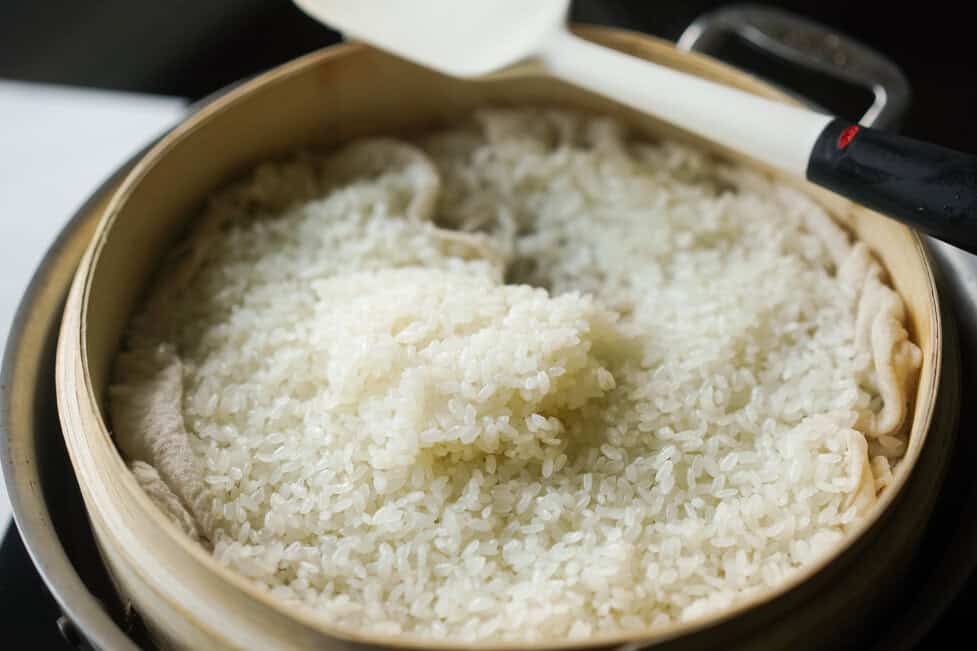
Many rice cookers have special settings for different rice types. Choose the sticky rice or sushi rice setting if available. If not, use the regular or white rice setting.
Some rice cookers let you adjust cooking time. Set a shorter cooking time for sticky rice. It helps keep the grains tender and clingy.
After cooking, let the rice rest in the cooker for 10 minutes. This step finishes the cooking and improves stickiness.
Credit: www.hungryhuy.com
Cooking Process
Cooking sticky rice in a rice cooker is surprisingly simple once you understand the right approach. The process requires attention to timing and technique to get that perfect chewy texture. Let’s break down what happens during cooking and how you can manage it for the best results.
Starting The Cooker
Begin by rinsing your sticky rice thoroughly until the water runs clear. This step removes excess starch and prevents the rice from becoming overly gummy. After rinsing, add the rice to the cooker with the correct amount of water—usually about a 1:1 ratio, but this can vary slightly depending on your rice cooker model.
Once your rice and water are ready, close the lid securely and set the cooker to the "white rice" or "normal" cooking setting. Avoid opening the lid during the initial cooking phase to maintain consistent steam and heat. Have you noticed how different rice cookers can alter the cooking time? It’s worth checking your cooker’s manual for specific guidance.
When To Stir Or Leave Alone
During cooking, resist the urge to stir the rice. Stirring can break the grains and lead to a mushy texture, which is not what you want with sticky rice. Instead, let the cooker do its job quietly and evenly.
Once the cooker switches to the “keep warm” setting, let the rice sit for 10 to 15 minutes without opening the lid. This resting period allows the moisture to redistribute evenly, enhancing the stickiness and softness. Only after this rest should you gently fluff the rice with a wooden spatula or rice paddle.
Perfecting The Texture
Perfecting the texture of sticky rice is easy with a rice cooker. Rinse rice until water runs clear, then soak for 30 minutes. Cook on the sticky rice setting for a perfect, chewy result.
Perfecting the Texture Creating sticky rice with the perfect texture is both an art and a science. The key lies in understanding how to balance moisture and fluffiness. With a rice cooker, achieving this can be a delightful experience if you pay attention to a few crucial details.
Fluffing The Rice
Once your rice cooker signals that the sticky rice is done, let it rest for about 10 minutes. This resting time allows the steam to redistribute evenly, ensuring each grain is cooked to perfection. Use a rice paddle to gently fluff the rice. Stirring too vigorously can break the grains and make the rice mushy. Consider this a gentle wake-up call for your rice, coaxing it to achieve its ideal texture.
Adjusting Moisture Levels
If your rice seems too dry or too wet, don't worry—adjustments can be made. For drier rice, add a tablespoon or two of water, close the lid, and let it sit on the warm setting for a few more minutes. Conversely, if the rice is too wet, remove the lid and allow excess moisture to escape. Stir occasionally to help the moisture evaporate evenly. Experiment with these small tweaks to find your perfect balance, making each batch better than the last. Have you ever had a batch that turned out just right? It's a small victory that makes all the difference in your meal.
Serving Suggestions
Serving sticky rice offers many tasty options. This rice is soft and slightly sweet. It pairs well with many dishes. You can enjoy it in traditional meals or try new ideas. Here are some serving suggestions to enhance your sticky rice experience.
Traditional Pairings
- Sticky rice with grilled meats like chicken or pork
- Serve with spicy dipping sauces such as chili or tamarind
- Accompany with fresh herbs like cilantro and mint
- Pair with steamed or stir-fried vegetables
- Use alongside classic dishes like Thai mango sticky rice dessert
Creative Serving Ideas
- Shape sticky rice into small balls and serve with soy sauce
- Add coconut milk and sugar for a sweet treat
- Top with roasted peanuts or sesame seeds for crunch
- Mix in diced fruits such as pineapple or mango
- Use as a base for sushi rolls or rice bowls
Troubleshooting Tips
Sticky rice can be tricky to perfect with a rice cooker. Sometimes it turns out too wet or too dry. Other times, the texture is off or the grains stick to the pot. These issues are common and easy to fix with the right tips. Troubleshooting helps you enjoy fluffy, sticky rice every time. Follow these simple guidelines to get the best results.
Fixing Too Sticky Or Too Dry Rice
Too sticky rice often means too much water was added. Try reducing water by a few tablespoons next time. For dry rice, add a little more water before cooking. Let the rice sit covered for 10 minutes after cooking. This allows moisture to spread evenly. Avoid opening the lid during cooking. It causes uneven moisture and texture.
Common Mistakes To Avoid
- Not rinsing rice enough. Rinse until water runs clear to remove starch.
- Using the wrong rice type. Use glutinous or sticky rice for best results.
- Adding too much water. Follow rice cooker instructions or recipe measurements.
- Stirring rice during cooking. It breaks grains and affects texture.
- Opening lid too soon. It lets steam escape and dries rice.
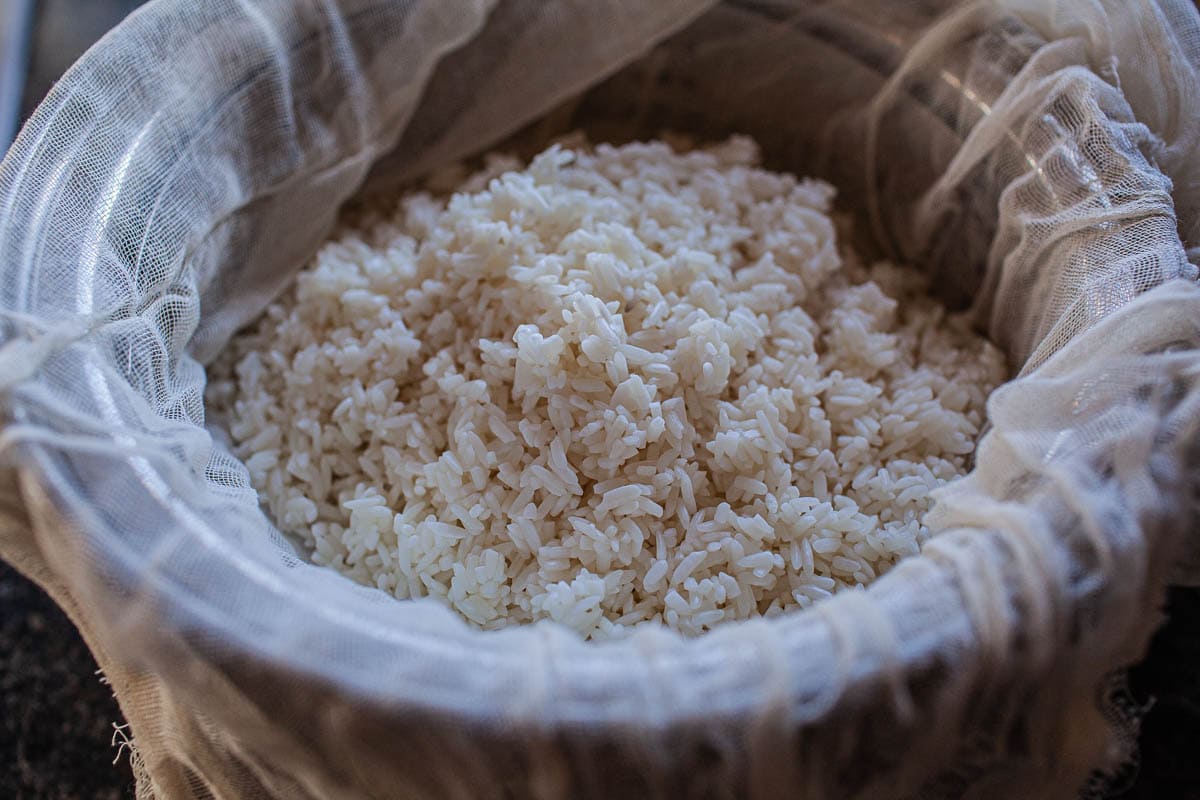
Credit: www.simplysuwanee.com
Frequently Asked Questions
What Type Of Rice Is Best For Sticky Rice?
Use glutinous or sweet rice for sticky rice. It has a higher starch content, which creates the sticky texture. Avoid regular long-grain rice, as it won’t stick properly.
How Do I Prepare Sticky Rice In A Rice Cooker?
Rinse the sticky rice several times until water runs clear. Soak it for at least 4 hours or overnight. Drain and cook with the rice cooker’s sticky rice setting or regular white rice setting.
Can I Use Regular Rice Water Measurements For Sticky Rice?
No, sticky rice requires less water than regular rice. Use a 1:1 rice-to-water ratio or slightly less for the best sticky texture. Adjust based on your rice cooker’s instructions.
How Long Does Sticky Rice Take To Cook In A Rice Cooker?
Sticky rice usually takes 20 to 30 minutes in a rice cooker. Cooking time varies depending on soaking duration and your rice cooker model. Let it rest for 10 minutes after cooking.
Conclusion
Sticky rice cooks well in a rice cooker with the right steps. Measure rice and water carefully for best results. Rinse the rice until the water runs clear. Let the rice rest after cooking to improve texture. Use a rice cooker with a sticky rice setting if possible.
Practice makes perfect, so don’t worry if it’s not perfect the first time. Enjoy your sticky rice with your favorite dishes. Simple steps bring great taste every time. Give it a try and enjoy!