Are you craving perfectly sticky rice but don’t want to spend hours watching over a pot? Making sticky rice in a rice cooker is easier than you think.
You can get that soft, chewy texture every time, without any guesswork. Whether you’re new to sticky rice or want to improve your method, this guide will show you simple steps to master it with your rice cooker. Keep reading, and you’ll be enjoying delicious sticky rice in no time!
Choosing The Right Rice
Choosing the right rice is the foundation of making perfect sticky rice in your rice cooker. The texture and stickiness depend heavily on the type of rice you pick. Not all rice varieties will give you that signature chewy and clumpy consistency sticky rice is known for.
Types Of Sticky Rice
Sticky rice, also known as glutinous rice, comes in a few different varieties. The most common type is white sticky rice, which is pearly and opaque once cooked. It clumps beautifully, making it easy to pick up with your fingers or chopsticks.
There’s also black sticky rice, which has a nuttier flavor and a deep purple color when cooked. It’s less common but adds an interesting twist if you want to experiment. You might also find red sticky rice, which has a slightly firmer texture and earthy flavor.
Each type behaves a bit differently, so think about what texture and taste you want before buying. Have you ever tried black sticky rice? Its unique flavor might surprise you!
Where To Buy Sticky Rice
You can find sticky rice in most Asian grocery stores, often labeled as “glutinous rice” or “sweet rice.” These stores usually offer different varieties, including white, black, and red sticky rice.
If you don’t have access to an Asian market, many online retailers specialize in authentic rice varieties. Look for sellers with good reviews to ensure freshness and quality. Don’t settle for regular long-grain rice; it won’t give you the sticky texture you need.
Sometimes, checking the packaging for the origin can help. Sticky rice from Thailand or Laos tends to have the best quality. What’s the best rice you’ve ever cooked with? Finding the right source can make all the difference.

Credit: trivet.recipes
Preparing The Rice
Preparing the rice is the key to perfect sticky rice in a rice cooker. This step ensures the rice cooks evenly and has the right texture. It involves washing and soaking the rice and measuring rice and water carefully. These actions remove excess starch and help the rice absorb water properly. Follow these simple tips to get the best sticky rice every time.
Washing And Soaking
Start by placing the sticky rice in a large bowl. Rinse the rice with cold water to remove dirt and starch. Swirl the rice gently with your hand and drain the water. Repeat this process 3 to 4 times until the water runs clear.
Soak the washed rice in clean water for at least 4 hours. Soaking softens the grains and helps them cook evenly. For best results, soak overnight if you have time. Drain the soaked rice well before cooking.
Measuring The Rice And Water
Use a measuring cup to get the right amount of rice. Sticky rice usually needs less water than regular rice. The common ratio is 1 cup of rice to 1 cup of water.
| Rice (cups) | Water (cups) |
|---|---|
| 1 | 1 |
| 2 | 2 |
| 3 | 3 |
Adjust water slightly if you want softer or firmer rice. Too much water makes the rice mushy. Too little water leaves it dry and hard. Use the measuring tips to get sticky rice just right.
Using The Rice Cooker
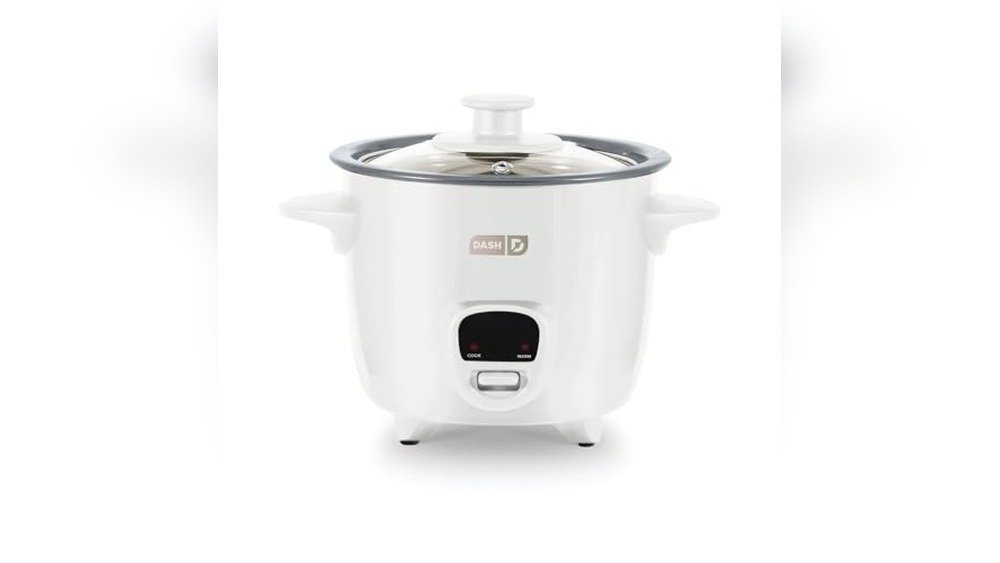
Using a rice cooker to make sticky rice simplifies the process and delivers consistent results. This kitchen gadget controls temperature and cooking time precisely, which is crucial for the perfect sticky texture. Knowing how to set it up and manage the cooking process can save you time and prevent common mistakes.
Setting Up The Cooker
Start by rinsing the sticky rice until the water runs clear. This removes excess starch and helps the grains cook evenly.
Place the rinsed rice in the cooker’s inner pot and add water. Use a ratio of about 1 cup of rice to 1.25 cups of water for the best sticky consistency. Too much water makes the rice mushy, too little leaves it undercooked.
Make sure the inner pot is dry on the outside before placing it in the cooker. This prevents any electrical issues or uneven heating.
Cooking Process Tips
Once you start the cooker, avoid opening the lid during the cooking cycle. Lifting the lid releases steam and affects the texture of your sticky rice.
After the cooker switches to “keep warm,” let the rice sit for an additional 10 minutes. This resting time allows the moisture to distribute evenly throughout the grains.
If your rice cooker has a “sticky rice” or “porridge” setting, use it. These settings adjust heat and time to suit sticky rice perfectly.
Have you noticed some rice sticks to the inner pot? Spraying a light layer of oil before cooking can help reduce sticking and make cleaning easier.
Post-cooking Steps
After your sticky rice finishes cooking in the rice cooker, the process isn't quite over. How you handle the rice right after cooking can change the texture and flavor dramatically. Paying attention to the post-cooking steps ensures your sticky rice turns out perfectly every time.
Letting The Rice Rest
Once the rice cooker switches to the “keep warm” mode, resist the urge to open the lid immediately. Letting the rice rest for about 10 to 15 minutes allows the steam to redistribute evenly inside the cooker. This step helps the grains to settle and become stickier without drying out.
During this resting period, the rice absorbs any excess moisture, which makes a difference in achieving that ideal sticky texture. Think of it as giving your rice a chance to finish its cooking gently. Have you ever noticed how rice can be too wet or too dry if you skip this step?
Fluffing And Serving
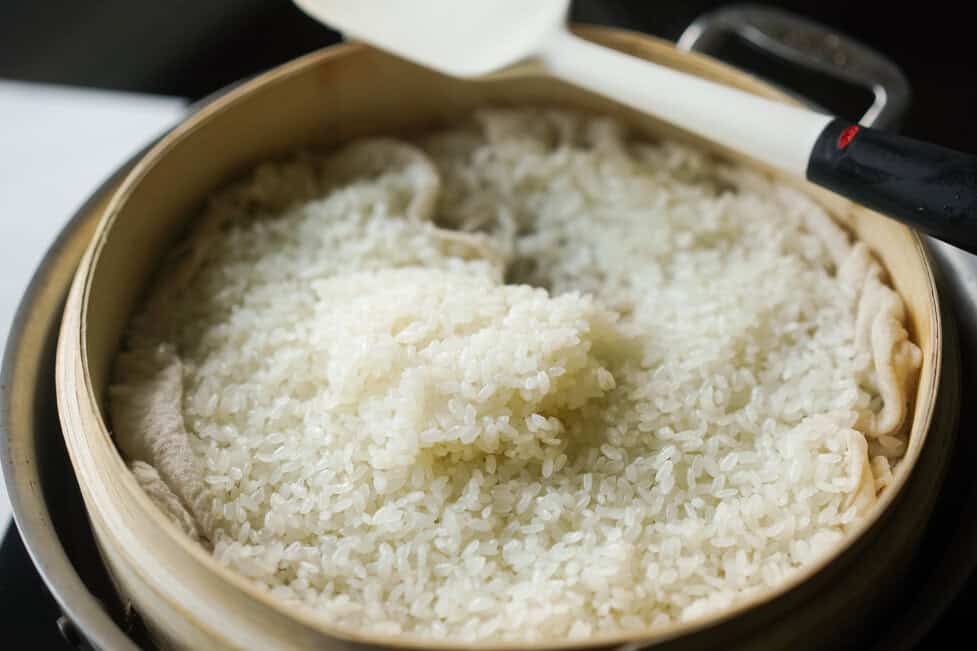
After resting, use a rice paddle or a wooden spoon to gently fluff the rice. Avoid stirring too vigorously, which can break the grains and make the rice mushy. Instead, lift and separate the clumps softly to keep that sticky yet distinct grain texture.
Serving sticky rice straight from the cooker while it’s warm makes it taste best. You can pair it with your favorite dishes or even try shaping it into small balls for dipping. What’s your favorite way to enjoy sticky rice once it’s perfectly cooked?
Troubleshooting Common Issues
Sticky rice can turn out too dry or mushy if water ratios are off. Adjust water amount and cooking time to fix texture problems quickly. Sometimes rinsing the rice before cooking helps remove excess starch for better results.
Troubleshooting Common Issues Making sticky rice in a rice cooker should be a straightforward task. However, even the best of us can run into a few hiccups along the way. Understanding these common issues will help you perfect your recipe and impress your dinner guests.
Rice Too Sticky Or Mushy
Have you ever opened your rice cooker to find a blob of overly sticky rice? This is often due to using too much water. If you’ve been pouring in water without measuring, this might be your culprit. To fix this, always measure your water and rice ratio. For sticky rice, a 1:1.25 ratio is a good starting point. If your rice still turns out mushy, try reducing the water slightly until you achieve the desired texture. Alternatively, soaking your rice before cooking can also lead to mushiness. If you soaked your rice for too long, try reducing the soaking time to 30 minutes or skip it altogether.
Rice Too Dry Or Hard
Opening your rice cooker to find dry or hard rice can be disheartening. This usually happens if there is not enough water. Remember, sticky rice needs a bit more moisture than regular rice. Double-check your water measurements. If you used less than the recommended amount, your rice might end up too dry. Adjust the ratio to ensure there's enough water to soften the grains. Another trick is to let the rice sit in the cooker for a few minutes after it finishes cooking. This allows the steam to distribute evenly, softening the rice. If you’re still having issues, consider experimenting with the type of rice you’re using; not all sticky rice varieties behave the same. Have you faced these issues before? What solutions have worked for you? Engaging with your rice cooker should feel like a simple dance, not a complicated routine.
Credit: www.hungryhuy.com
Creative Serving Ideas
Sticky rice offers a delightful texture and subtle flavor that fits many dishes. It pairs well with both savory and sweet foods. Serving sticky rice creatively can turn a simple meal into an exciting experience. Explore traditional and modern ideas to enjoy sticky rice in new ways.
Traditional Dishes With Sticky Rice
Sticky rice is a staple in many Asian cuisines. It often accompanies rich, flavorful dishes. Try serving sticky rice with grilled meats like Thai satay or Laotian larb. These dishes balance the rice's softness with bold spices.
Sticky rice also pairs well with steamed fish and spicy dipping sauces. In desserts, sweet sticky rice with mango or coconut milk remains a favorite. These timeless combinations highlight sticky rice’s unique qualities.
Modern Twists And Recipes
Use sticky rice in creative, modern recipes. Make sushi rolls using sticky rice for a fresh take. Try sticky rice bowls with roasted vegetables and a tangy dressing. These bowls offer a nutritious and tasty meal option.
Sticky rice can also be transformed into crispy rice cakes. Pan-fry the rice until golden and serve with savory toppings like avocado or smoked salmon. Another idea is sticky rice pudding with cinnamon and fruit for a cozy dessert.
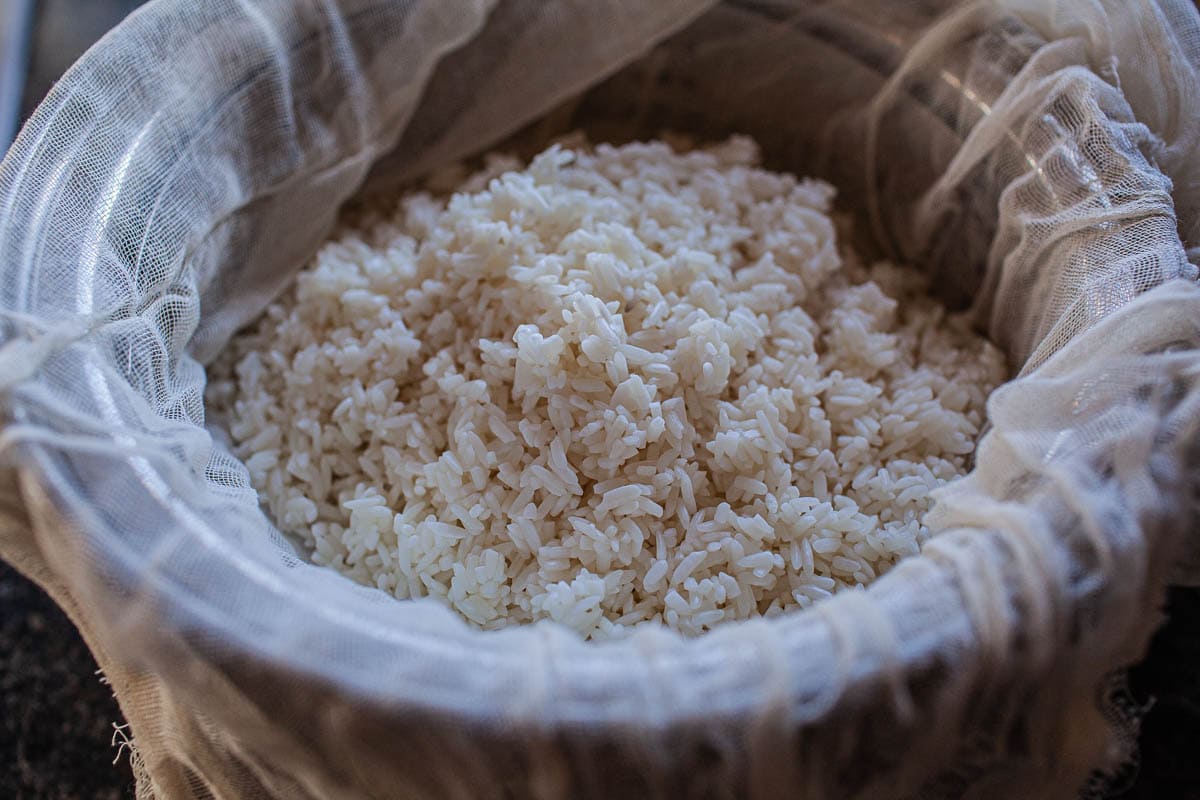
Credit: www.simplysuwanee.com
Frequently Asked Questions
What Type Of Rice Is Best For Sticky Rice?
Glutinous or sweet rice is best for sticky rice. It has a high starch content that creates the desired sticky texture when cooked.
Can I Use A Regular Rice Cooker For Sticky Rice?
Yes, a regular rice cooker can cook sticky rice. Soak the rice first, then use the cook setting for best results.
How Long Should I Soak Sticky Rice Before Cooking?
Soak sticky rice for at least 4 to 6 hours. This softens the grains and ensures even cooking and proper stickiness.
Should I Rinse Sticky Rice Before Cooking?
Yes, rinse sticky rice 2 to 3 times until water runs clear. This removes excess starch and prevents overly gummy rice.
Conclusion
Making sticky rice in a rice cooker is easy and quick. Just follow the steps carefully. Use the right rice and water amount for best results. Let the rice rest after cooking for perfect texture. You can enjoy sticky rice with many dishes.
Practice a few times to get it just right. This simple method saves time and effort in the kitchen. Try it today and enjoy delicious sticky rice at home.