Do you want perfectly fluffy steamed rice every time without any hassle? Making steamed rice in a rice cooker is easier than you think.
With just a few simple steps, you can turn plain rice into a delicious side dish that complements any meal. Whether you’re new to cooking or just looking for a foolproof method, this guide will help you master steamed rice quickly.
Keep reading to discover the secrets to rice that’s soft, tender, and never sticky. Your kitchen is about to become your favorite place!

Credit: www.reddit.com
Choosing The Right Rice
Choosing the right rice is key to perfect steamed rice. Different types of rice cook differently in a rice cooker. The texture and flavor depend on the rice variety. Picking quality rice also affects the final result. Understanding rice types and quality helps in making fluffy, tasty steamed rice every time.
Types Of Rice For Steaming
Not all rice is made for steaming. Some types absorb water better and cook evenly in a rice cooker. Here are common types suited for steaming:
- Long-Grain Rice:Stays separate and fluffy after cooking.
- Medium-Grain Rice:Slightly sticky, good for many dishes.
- Short-Grain Rice:Very sticky and soft, ideal for sushi or sticky rice.
- Jasmine Rice:Fragrant and slightly sticky, popular in Asian cuisine.
- Basmati Rice:Aromatic and fluffy, perfect for Indian dishes.
Selecting Quality Rice
Quality rice makes a big difference in taste and texture. Look for these signs of good rice:
- Clean grains without dust or stones.
- Uniform size and color of grains.
- Fresh packaging with a recent production date.
- Properly stored in airtight bags or containers.
Buying rice from trusted brands or local suppliers helps ensure quality. Store rice in a cool, dry place to keep it fresh longer.
Preparing Rice For Cooking
Preparing rice properly sets the foundation for perfect steamed rice. This step ensures the rice cooks evenly and tastes great. Simple actions before cooking make a big difference in texture and flavor. Follow these tips for best results.
Measuring Rice And Water
Use a standard measuring cup to measure rice. Most rice cookers come with a cup for accuracy. The right rice-to-water ratio matters. Usually, use 1 cup of rice to 1 to 1.5 cups of water.
Adjust water slightly for softer or firmer rice. More water makes the rice softer. Less water keeps rice firm and separate. Measure water carefully to avoid mushy or dry rice.
Rinsing And Soaking Tips
Rinse rice under cold water to remove excess starch. This prevents rice from sticking together. Rinse until the water runs clear or lightly cloudy.
Soaking rice for 15-30 minutes helps grains absorb water. This step makes rice fluffier after cooking. Skip soaking for quick cooking, but soaking improves texture.
Setting Up Your Rice Cooker
Setting up your rice cooker correctly is the first step to perfect steamed rice. Knowing your appliance well helps you use it efficiently. Each rice cooker has unique features that affect cooking time and texture.
Rice Cooker Features To Know
Rice cookers come with different settings and parts. Understanding these helps you get the best results.
- Cooking Modes:Some models offer white rice, brown rice, or quick cook options.
- Keep Warm Function:Keeps rice warm without overcooking after it's done.
- Measuring Cup:Usually comes with a cup to measure rice accurately.
- Inner Pot:Non-stick or stainless steel pots affect cleaning and rice texture.
- Water Level Marks:Lines inside the pot guide how much water to add.
Proper Rice-to-water Ratios
Using the right amount of water is key for fluffy, non-sticky rice. Different types of rice need different ratios.
| Rice Type | Rice-to-Water Ratio | Notes |
|---|---|---|
| White Rice | 1 cup rice : 1 to 1.25 cups water | Use less water for firmer rice |
| Brown Rice | 1 cup rice : 1.5 to 2 cups water | Needs more water and longer cooking time |
| Jasmine Rice | 1 cup rice : 1 to 1.25 cups water | Rinse before cooking for best texture |
Rinse rice before cooking to remove excess starch. This stops rice from becoming too sticky. Adjust water slightly depending on your rice cooker and personal taste.
Cooking Process
The cooking process in a rice cooker is simple and efficient. It ensures perfectly cooked rice every time without constant monitoring. Understanding the steps helps you make fluffy, tender rice with ease.
Starting The Cooker
Begin by rinsing the rice under cold water to remove excess starch. Drain well before adding it to the rice cooker. Add water according to the rice type and cooker instructions. Close the lid securely to keep steam inside.
Press the power button to start the cooking cycle. Most rice cookers have a single switch or button for this. The cooker will automatically heat the water and cook the rice. Avoid opening the lid during cooking to keep the steam trapped.
Timing And Cooking Modes
Rice cookers vary in cooking time based on rice quantity and type. White rice usually cooks in 15 to 25 minutes. Brown rice and other whole grains require longer, often 40 to 50 minutes.
Many rice cookers offer different modes, such as “white rice,” “brown rice,” or “quick cook.” Choose the mode that matches your rice type for best results. The cooker adjusts heat and timing accordingly.
Once the cooking cycle finishes, the cooker switches to “keep warm” mode automatically. Let the rice rest for 5 to 10 minutes before opening the lid. This rest time allows the rice to finish steaming and improves texture.
Post-cooking Tips
After the rice cooker finishes its cycle, the job is not quite done. Post-cooking steps help improve the texture and flavor of your steamed rice. Taking a moment to let the rice rest and then fluffing it properly makes a big difference. These simple tips ensure each grain stays separate and soft.
Letting Rice Rest
Turn off the rice cooker and keep the lid closed. Let the rice sit undisturbed for 10 to 15 minutes. This resting time allows steam to evenly distribute inside the pot. The moisture spreads through the rice, finishing the cooking process gently. This step prevents the rice from becoming sticky or mushy.
Fluffing And Serving
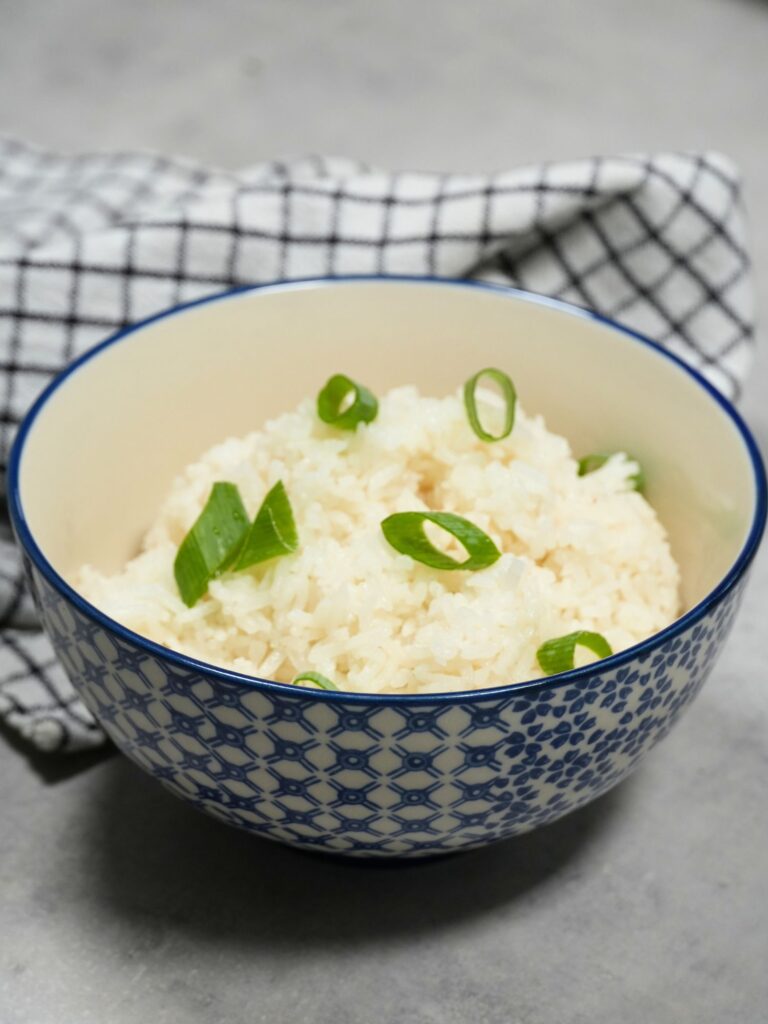
Use a fork or rice paddle to fluff the rice gently. Stir from the bottom up to separate the grains without crushing them. Fluffing releases extra steam and prevents clumping. Serve the rice immediately for the best texture. Fluffed rice looks light and inviting on the plate.
Credit: lianaskitchen.co.uk
Troubleshooting Common Issues
Ensure the rice is properly rinsed to avoid stickiness. Use the correct rice-to-water ratio for perfect texture. Watch out for undercooked or mushy rice by adjusting water levels and cooking time accordingly.
Cooking rice in a rice cooker seems easy, but issues arise. Common problems include rice being too sticky, dry, or unevenly cooked. Understanding these issues helps improve your rice cooking experience. Let's explore how to address these common challenges.
Rice Too Sticky Or Dry
Sticky rice usually results from too much water. To fix this, adjust the water-to-rice ratio. Use the measuring cup that comes with your rice cooker. If your rice is too dry, add a small amount of water. Stir gently and let it sit for a few minutes. This allows the rice to absorb the moisture.
Uneven Cooking Solutions
Uneven cooking can be frustrating. It often occurs if the rice is not spread evenly. Make sure to level the rice before cooking. Another reason is overloading the cooker. Avoid cooking too much rice at once. Follow your cooker’s capacity guidelines. Stir the rice halfway through the cooking process. This helps distribute heat evenly.
Enhancing Flavor
Steamed rice doesn’t have to be plain or boring. You can easily boost its flavor with simple additions that don’t require extra cooking time or complicated techniques. These small touches make a big difference, turning your basic rice into a delicious side that complements any meal.
Adding Aromatics
Aromatics like garlic, ginger, and onions bring an inviting fragrance and depth to your rice. Just toss a few crushed garlic cloves or thin slices of ginger into the rice cooker before starting. You’ll notice the warm, savory scent filling your kitchen as the rice cooks.
Fresh herbs such as cilantro or green onions can also be added right after cooking for a fresh burst of flavor. Have you ever tried cooking rice with a cinnamon stick or a few cardamom pods? These spices add a subtle, exotic twist that can surprise your taste buds.
Using Broth Or Seasonings
Replacing water with broth is an easy way to infuse your rice with rich flavor. Chicken, vegetable, or beef broth all work well and add a savory base. Just use the same amount of broth as you would water, and your rice will taste much more satisfying.
Seasonings like salt, pepper, or a splash of soy sauce can be added before cooking to enhance taste. For a hint of umami, try stirring in a teaspoon of miso paste or a dash of fish sauce. Have you experimented with adding a little butter or olive oil to your rice cooker? It creates a silky texture and richer flavor that you might love.

Credit: dailyricerecipes.com
Frequently Asked Questions
How Much Water Is Needed For Steamed Rice?
Use a 1:1. 5 rice-to-water ratio for steamed rice in a rice cooker. Adjust slightly for rice type or texture preference.
Can I Use Any Rice Type For Steaming?
Yes, most rice types like white, jasmine, or basmati can be steamed in a rice cooker. Cooking time may vary.
How Long Does Steamed Rice Take In A Rice Cooker?
Steamed rice typically takes 20 to 30 minutes in a rice cooker, depending on the rice type and cooker model.
Should I Rinse Rice Before Cooking?
Yes, rinsing rice removes excess starch. It prevents stickiness and results in fluffy steamed rice.
Conclusion
Steamed rice in a rice cooker is simple to make. Just measure rice and water well. Press the start button and wait. The cooker will do the rest. Fluffy, soft rice comes out every time. Perfect for any meal or recipe.
Practice a few times to get it right. Enjoy fresh rice with little effort. A rice cooker saves time and energy. Now, you can cook rice easily at home.